
Supply Chain Options Beyond China for Carbide Wear Parts
A non China carbide supply chain has moved from a preference to a line item in procurement planning. Tungsten is a concentrated raw material, the binder metals that hold cemented carbide together come from…

A non China carbide supply chain has moved from a preference to a line item in procurement planning. Tungsten is a concentrated raw material, the binder metals that hold cemented carbide together come from their own narrow supply base, and the policy environment around both has been changing faster than mine supply ever does. For a buyer of wear parts the practical question is not whether to change origin but which lines justify the work of changing it, and what evidence a supplier has to produce to make the change worth anything.
This article looks at what is actually documented, what is driving the shift, and what buyers and suppliers should each do about it over the next twelve months.
What the Data Shows
Origin is now a planning variable.
The useful data is supply concentration, export policy, recycled material availability and qualification time — not a single price quotation. Read together, those four say how exposed a sourcing route is and how quickly an alternative can carry the volume.
Tungsten supply and use are documented by industry bodies rather than by market commentary. The ITIA publishes the applications side of the picture, showing where tungsten is consumed and why hard materials dominate that demand. The binder side is covered by the Cobalt Institute, which tracks cobalt supply and use. A buyer who reads those sources knows more about material availability than one who reads a price headline.
It also matters where in the chain a buyer sits. Ore and concentrate, ammonium paratungstate, tungsten carbide powder and a finished cutting edge are four products with four supply bases and four lead times. A distributor buying finished wear parts is several conversion steps from the mine, which is why a shortage of concentrate can arrive as a delivery delay rather than as a price signal.
Recycled material is the part of the data most often left out of the conversation. Cemented carbide scrap can be returned to powder and re-entered into the supply chain, which makes recovery a real secondary source of tungsten and a reason to think about the end of the part’s life at the same time as its purchase.
What Is Driving the Change
Policy, not geology, moves fastest.
Export licensing, critical-minerals designation and buyer preference for documented origin have shifted sourcing decisions faster than any change in mine output, and all three are administrative rather than geological.
Trade policy is the first driver. Where a government reviews export controls or restructures duties on raw and intermediate materials, the effect reaches fabricated parts through cost and through availability, and the framework for that activity is published by national trade authorities such as the USTR. Because these changes are announced and implemented on a political timetable, they arrive faster than a manufacturer can re-source material or requalify a grade.
The second driver is institutional buying. Public agencies and large OEMs increasingly ask suppliers to state where raw material was sourced and where conversion took place, and to keep that statement current. The requirement is often a documentation requirement rather than a prohibition, but it forces suppliers to know their own chain well enough to answer it in writing.
The third driver is commercial. Concentration carries risk, and risk carries cost: a distributor that cannot deliver through a disruption loses the customer, and that loss usually exceeds the price difference between two qualified sources.
What It Means for Buyers
Origin joins the specification.
Buyers now write origin, documentation and qualification route into the specification and compare total landed cost rather than unit price, because a cheaper part that cannot be re-sourced quickly is the more expensive choice over a season.
In practice that means three additions to a normal purchase specification. First, a statement of where the raw material came from and where the part was converted, provided in writing and tied to the order. Second, the documentation the claim rests on, whether that is a batch reference, a material statement or an inspection record. Third, a stated route to a second qualified source, so that a policy change does not turn into an outage.
| Route | Origin documentation | Qualification effort | Exposure to policy change |
|---|---|---|---|
| Domestic manufacturer, domestic raw material | Easiest to document, shortest chain | Low — drawings and fitment already local | Lowest, but a smaller pool of suppliers |
| Manufacturer outside China, mixed raw material origin | Requires a raw material statement to be credible | Moderate — drawing and sample validation | Moderate |
| Manufacturer outside China, documented non China tungsten | Strongest statement available to most buyers | Moderate — same validation, plus documentation review | Lower, provided the supplier keeps the statement current |
| Trader or agent, origin unstated | Usually unavailable below the agent level | Low to place, high to verify | Highest — the buyer cannot see the chain at all |
The qualification effort is the item buyers most often underestimate. Changing source means checking section and thickness against the drawing, hardness against a named method, hole pattern and countersink against the same reference as before, and the marking convention so a delivery can be checked on arrival. None of it is difficult once it is planned.
Where availability is genuinely tight, the answer is often to change how the parts are finished rather than where they are made. Reconditioning, replaceable insert systems and tighter fitment tolerances all reduce the quantity of carbide a fleet consumes per season, without waiting for a policy to change.

What It Means for Suppliers
Documented origin is a sales capability.
A supplier that can state where the tungsten came from, where the part was converted and which inspection records exist behind a batch wins specification work that a supplier with an undocumented chain cannot bid for at all.
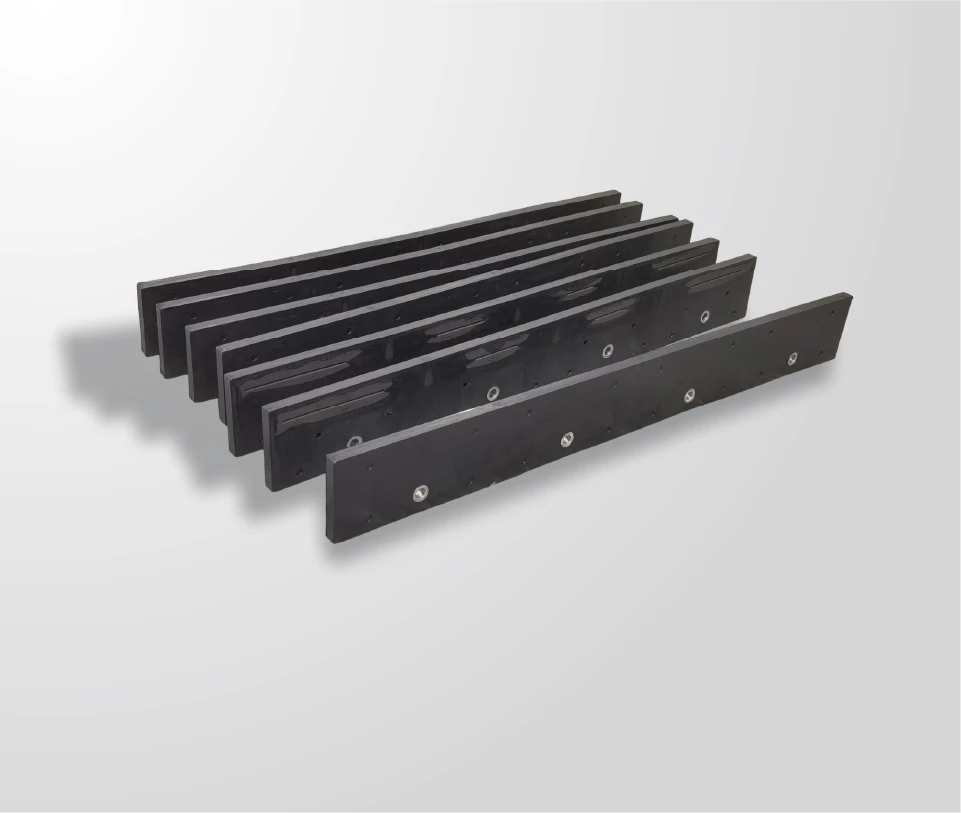
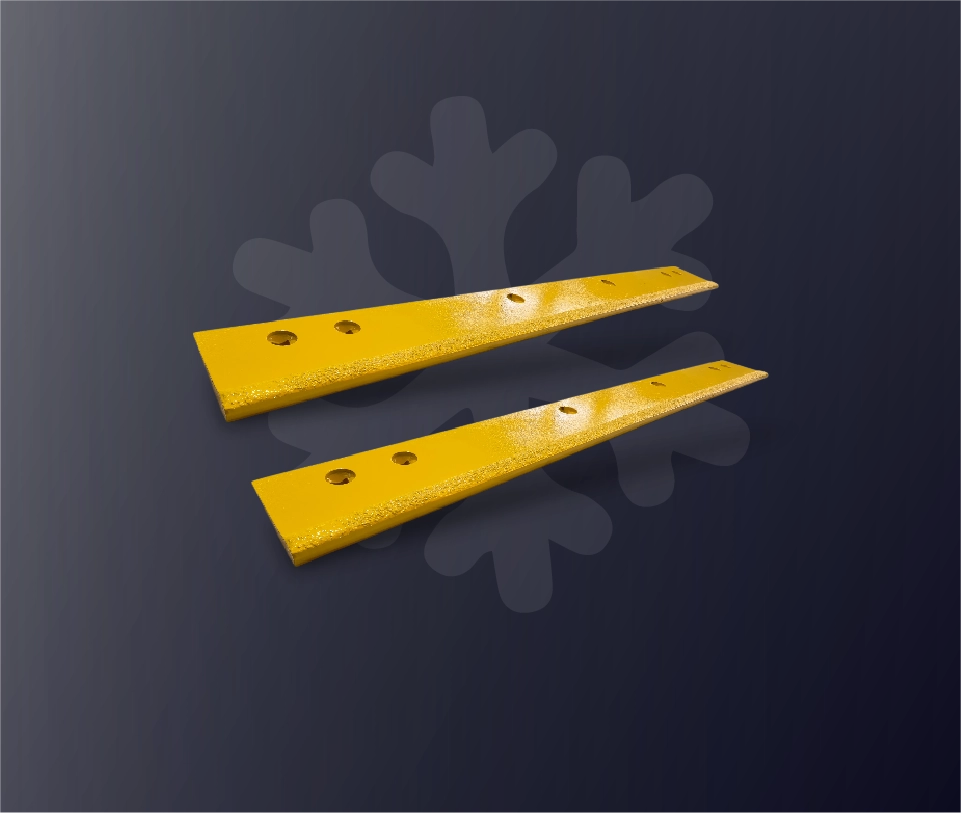
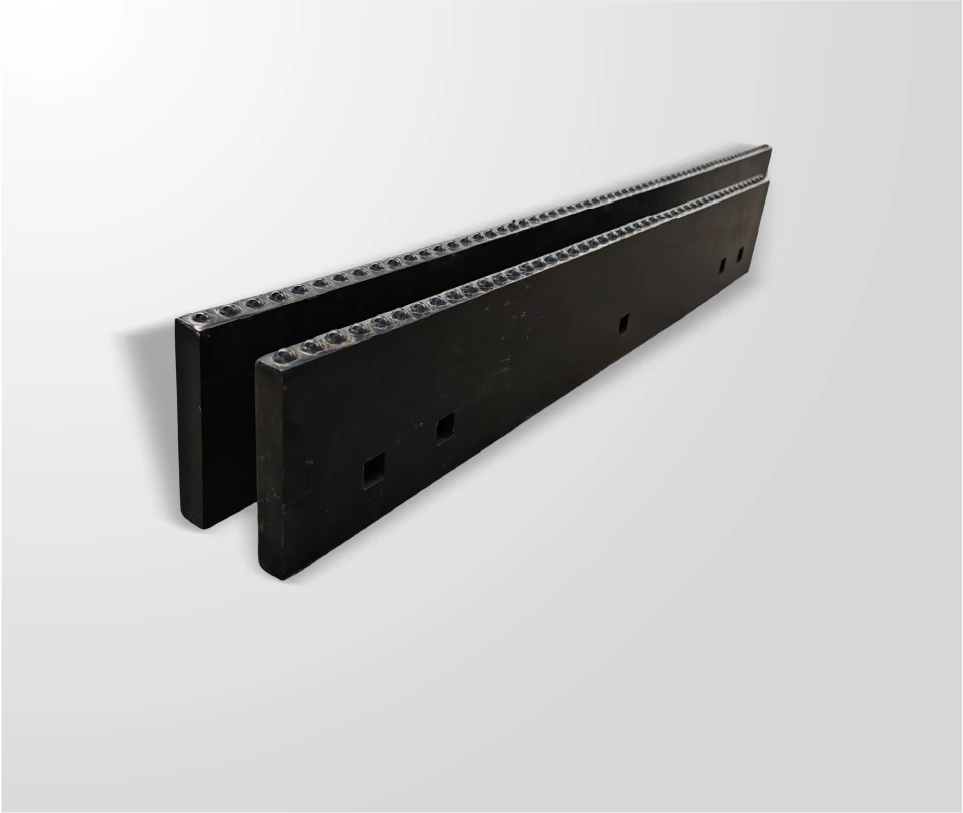
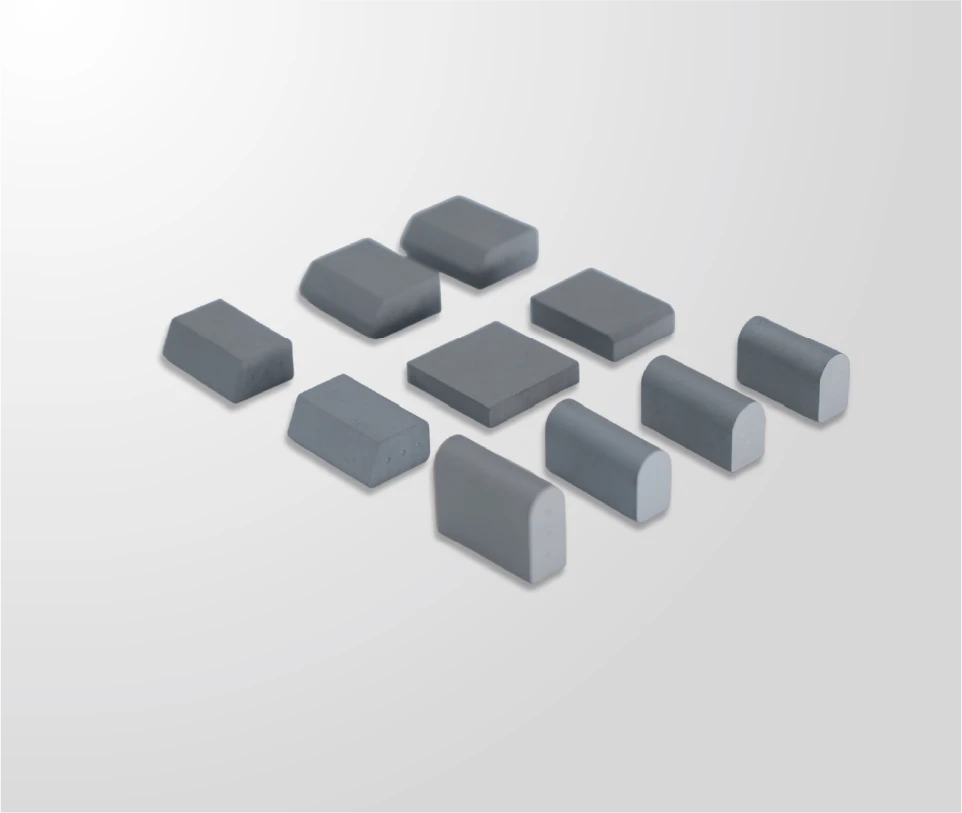
The manufacturing answer to this is a process chain the supplier controls and can describe. SENTHAI is a US-invested manufacturer that produces 100 per cent of its carbide wear parts in Thailand from non-China tungsten raw materials, with more than twenty years of founder experience in the sector. The chain runs from wet grinding powder preparation and robotic pressing up to 500 tons through vacuum and low-pressure sintering, then automated high-temperature induction brazing and welding with annealing, a vulcanization workshop for rubber-faced products, and finishing.
That depth matters commercially because it converts a vague claim into specific evidence. A documented carbide grade with a hardness and toughness balance expressed as HRA and grain size, machine insert pockets held to ±0.02 mm, and lot-level traceability with every batch inspected and archived give a buyer statements that can be checked against a delivery rather than accepted on trust.
The same discipline applies to fitment. AASHTO and DIN bolt pattern fitment validated against a drawing or a physical sample survives a technical review, and it is why origin and fitment questions are usually asked in the same conversation.
Regional Differences
The origin question is asked differently in different markets, and a supplier selling into several of them has to answer it in more than one form. The underlying technical facts are the same; what changes is the documentation, the standards the buyer cites and the freight lane the parts travel on.
In North America, wear parts are commonly specified around documents that state departments of transport adopt, and the buyer will normally want the origin statement tied to a purchase order rather than to a catalogue. Customs documentation matters on the same order, and the requirements are published by the destination authority, which in the United States is CBP. A supplier that understands which documents the broker needs keeps a container moving.
European buyers tend to reference standards rather than brands, and the DIN index is where many of the dimensional and material standards used in that market are found. Fitment data expressed against those standards travels further than fitment data expressed against a machine model year.
In Asia and the Middle East, project-based demand dominates, and the documentation burden shifts towards the tender and the shipping documents rather than the technical file. SENTHAI exports to North America, Europe, Asia and the Middle East, so the same product has to be answerable in each of those forms without the technical content changing.
What to Watch Over the Next 12 Months
Policy timelines, not forecasts.
The watch list is export licensing, critical-minerals designations, scrap recovery capacity and any change to a qualification route the buyer already holds. Each of those is published somewhere official before it reaches a price list.
The discipline that helps is to prefer primary sources. Policy is announced by trade authorities and customs agencies; material and process research is published in peer-reviewed literature, which is where open-access repositories such as MDPI are useful, and supplier capability is stated in writing by the supplier. Market commentary that cannot be traced back to one of those three is a poor basis for a sourcing decision that takes a season to reverse.
Buyers should also watch their own paperwork. A qualification that was completed two years ago may no longer describe the material actually being supplied, particularly where the supplier has changed a raw material route without a drawing change. An annual re-statement of origin and process, requested in writing and filed with the purchase record, keeps the qualification honest at very little cost.
Finally, watch the demand side. Where specification language moves towards reconditioning, replaceable inserts or longer-wear systems, the volume of carbide a fleet consumes changes, and a sourcing plan built on the previous pattern will hold the wrong stock.
How to Act on This
Map, ask, qualify, document.
Map which lines are origin-sensitive, ask suppliers for written origin and process statements, qualify a second route against the drawing, and keep the documentation current rather than filed once.
The mapping should take an afternoon rather than a quarter. List the lines that carry a season, mark which of them are single source, mark which have an origin statement attached to them, and mark which depend on a pattern held in one manufacturer’s tooling. That short list is the entire scope of the work.
The asking is where most buyers stop short. A request for an origin statement, a grade statement and a fitment confirmation, in writing, is a reasonable test of whether a supplier knows its own chain. SENTHAI’s process chain and quality documentation are described on the factory page and the company profile, which is the form the answer should take.
Qualification and documentation then run together: produce a sample against the drawing, check the specification points, agree the marking convention, and file the result so that the next order can be checked against it. Commercial terms, including how a transition between sources is handled, are stated in the written quotation or order documents rather than assumed from a schedule.
Origin has become a specification line rather than a slogan, and the buyers who manage it well use paperwork rather than rhetoric: a written origin and process statement, a drawing-matched qualification, a checkable batch reference, and a second route that is genuinely live. Policy change is the driver that moves fastest and the one a buyer cannot influence, which is why the response belongs in qualification and documentation rather than in forecasting. Suppliers that can answer the origin question in writing, and show the process chain behind it, win specifications that suppliers with an undocumented chain cannot bid for.
Send SENTHAI the specification, drawings and origin documentation your programme requires, and the technical team will review the grade, fitment data and process chain against them.
Related reading: about SENTHAI and the Rayong factory.
Frequently Asked Questions
Is there a carbide shortage right now?
Availability varies by grade and by product form rather than being a single market condition, so the honest answer is that it depends on which powder specification and which finished part a buyer needs. Concentrate, powder and finished parts each have their own supply base, and a tight step upstream can arrive downstream as a delivery delay rather than as a refusal. The practical response is a qualified second route and a buffer sized against real replacement time, not a general forecast.
Does tungsten carbide have to come from China?
No. Tungsten is mined and processed in several regions, and cemented carbide wear parts are manufactured in many countries, including Thailand. What matters to a buyer is whether the supplier can state in writing where the raw material came from and where conversion took place. A documented chain is the deliverable; the origin itself is a specification point to be agreed, not a default that a buyer has to accept.
Which companies use carbide wear parts?
The demand base is broad and unglamorous: municipal and state road fleets, road construction and earthmoving contractors, mining and aggregate plant operators, agricultural equipment users, and the OEMs and aftermarket distributors that serve them. Because these users buy on machine hours and surface abrasiveness rather than on brand, they are sensitive to wear life and to fitment, and they are the buyers most likely to ask for origin and inspection documentation before award.
How does material origin affect the price in a quotation?
Origin affects cost through the raw material route, the certification and documentation burden, and the freight lane, but none of those translates into a figure that applies generally. Commercial terms are quotation-based, so the applicable price, volume tiers and delivery terms are stated in the written quotation or order documents. A buyer comparing two origins should compare the documentation package and the qualification route alongside the price, because those decide whether the second source is usable.
What documentation should a buyer ask for to support an origin claim?
Ask for a written statement of raw material source and manufacturing location, tied to the order rather than to a catalogue, together with the grade and hardness detail and the batch or lot reference that connects the delivered parts to their inspection records. Requesting the same statement annually keeps it current. Where an origin claim cannot be tied to a specific delivery, it is a marketing statement rather than a specification point, and it will not survive a technical review.
{
“@context”: “https://schema.org”,
“@type”: “FAQPage”,
“mainEntity”: [
{
“@type”: “Question”,
“name”: “Is there a carbide shortage right now?”,
“acceptedAnswer”: {
“@type”: “Answer”,
“text”: “Availability varies by grade and by product form rather than being a single market condition, so the honest answer is that it depends on which powder specification and which finished part a buyer needs. Concentrate, powder and finished parts each have their own supply base, and a tight step upstream can arrive downstream as a delivery delay rather than as a refusal. The practical response is a qualified second route and a buffer sized against real replacement time, not a general forecast.”
}
},
{
“@type”: “Question”,
“name”: “Does tungsten carbide have to come from China?”,
“acceptedAnswer”: {
“@type”: “Answer”,
“text”: “No. Tungsten is mined and processed in several regions, and cemented carbide wear parts are manufactured in many countries, including Thailand. What matters to a buyer is whether the supplier can state in writing where the raw material came from and where conversion took place. A documented chain is the deliverable; the origin itself is a specification point to be agreed, not a default that a buyer has to accept.”
}
},
{
“@type”: “Question”,
“name”: “Which companies use carbide wear parts?”,
“acceptedAnswer”: {
“@type”: “Answer”,
“text”: “The demand base is broad and unglamorous: municipal and state road fleets, road construction and earthmoving contractors, mining and aggregate plant operators, agricultural equipment users, and the OEMs and aftermarket distributors that serve them. Because these users buy on machine hours and surface abrasiveness rather than on brand, they are sensitive to wear life and to fitment, and they are the buyers most likely to ask for origin and inspection documentation before award.”
}
},
{
“@type”: “Question”,
“name”: “How does material origin affect the price in a quotation?”,
“acceptedAnswer”: {
“@type”: “Answer”,
“text”: “Origin affects cost through the raw material route, the certification and documentation burden, and the freight lane, but none of those translates into a figure that applies generally. Commercial terms are quotation-based, so the applicable price, volume tiers and delivery terms are stated in the written quotation or order documents. A buyer comparing two origins should compare the documentation package and the qualification route alongside the price, because those decide whether the second source is usable.”
}
},
{
“@type”: “Question”,
“name”: “What documentation should a buyer ask for to support an origin claim?”,
“acceptedAnswer”: {
“@type”: “Answer”,
“text”: “Ask for a written statement of raw material source and manufacturing location, tied to the order rather than to a catalogue, together with the grade and hardness detail and the batch or lot reference that connects the delivered parts to their inspection records. Requesting the same statement annually keeps it current. Where an origin claim cannot be tied to a specific delivery, it is a marketing statement rather than a specification point, and it will not survive a technical review.”
}
}
]
}
Related articles
Why Carbide Prices Move: Raw Material and Energy DriversDistributor, wholesale and supply-chain sourcing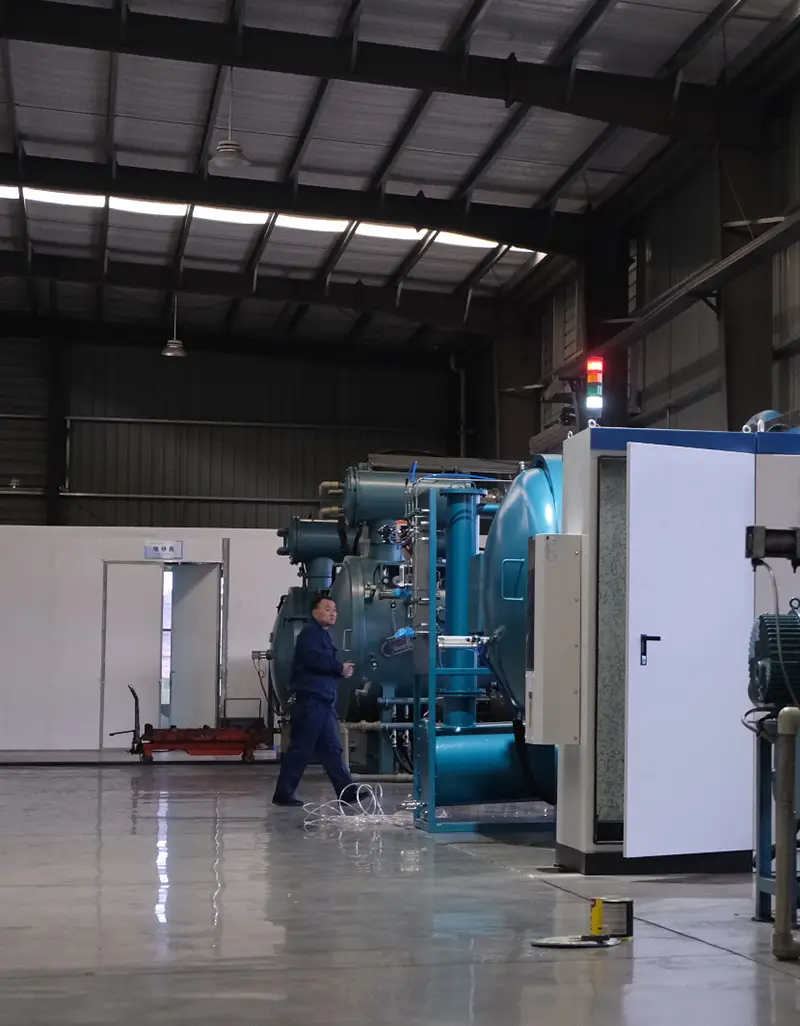 Wholesale Cutting Edges: A Distributor Buyer ChecklistDistributor, wholesale and supply-chain sourcingBuilding a Wear Parts Distributor Programme: From Terms to SupportDistributor, wholesale and supply-chain sourcing