




How Cutting Tool Prices Adjust When Raw Material Costs Rise
Cutting tool prices usually rise through surcharges, indexed revisions, or contract resets when raw material costs move sharply — and for B2B buyers, the real issue is how quickly those changes are passed through…
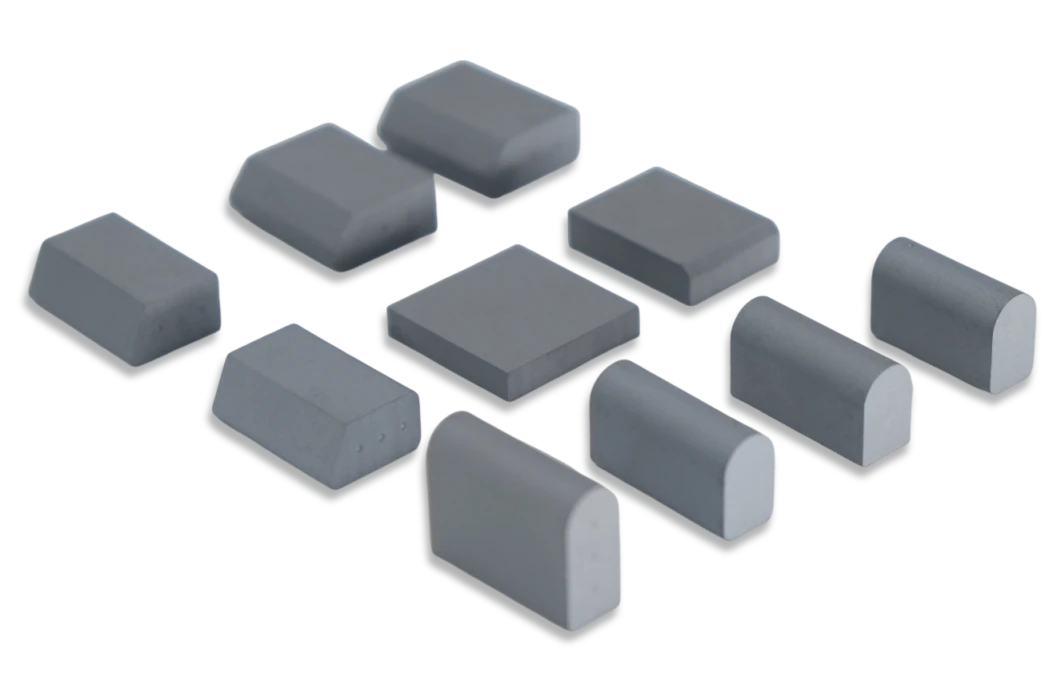
Cutting tool prices usually rise through surcharges, indexed revisions, or contract resets when raw material costs move sharply — and for B2B buyers, the real issue is how quickly those changes are passed through and how much protection a contract gives before a tungsten, cobalt, steel, or freight spike reaches the PO. Solid-carbide, carbide-insert, and high-wear cutting products react faster to market volatility than simpler steel tools because they contain more volatile input.
(Last modified date: September 2, 2026)
Quick definition: Most manufacturers do not rewrite every base price each time a commodity shifts.
Key Takeaways
- Most manufacturers keep a base price and add a surcharge or index-linked adjustment when raw material costs rise beyond a reference point.
- Tungsten carbide feedstock is the biggest driver for carbide-heavy tools, with cobalt and steel bodies also influencing the final number.
- Ask which index is used, how often price is reviewed, and whether the increase applies to the full order or only the raw-material portion.
- Long-term contracts with trigger points, notice periods, and caps stabilize budgeting; see how buyers can verify tungsten sourcing claims.
Why Pricing Moves
Most manufacturers do not rewrite every base price each time a commodity shifts. They typically keep a base price in place and add a surcharge or index-linked adjustment when raw material input costs rise beyond a reference point. This is common because alloy and metal costs can swing faster than standard catalog pricing can safely absorb. The buyer sees the effect as a material surcharge, a revised quote, or a scheduled increase at month-end or quarter-end. The biggest driver for carbide-heavy tools is tungsten carbide feedstock, with cobalt and steel bodies also influencing the final number.
How Manufacturers Calculate It
| Pricing method | How it works | Buyer impact |
|---|---|---|
| Fixed base price with surcharge | Base price stable; only material-linked charges change | Easier to budget, but total price still moves with commodities |
| Index-linked pricing | Price follows a published reference or commodity index | More transparent, especially in volatile markets |
| Scheduled repricing | Prices revised monthly or quarterly | Less surprise, but less protection between reviews |
| Event-driven adjustment | Surcharges trigger after a defined shift or disruption | Fast response, usually less favorable for short-term buyers |
For procurement teams, the practical question is whether the quote includes a defined trigger, a cap, or a notice period. Without those terms, the buyer carries most of the volatility risk even if the catalog price looks stable. See also how cobalt leaching impacts winter performance.
What Drives the Increase
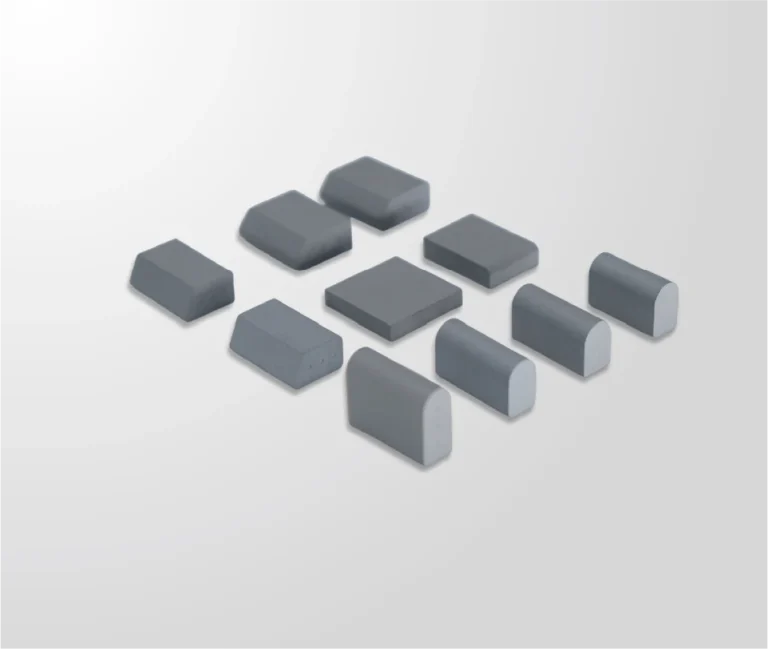
Tungsten carbide is the most visible pressure point in premium cutting tools because its upstream supply can tighten quickly and ripple through finished-tool pricing. Cobalt and alloy inputs create a second layer of cost movement, especially when supply concentration or logistics issues affect the market. Freight, energy, and production yield also matter because manufacturers often fold those factors into the same adjustment system. See also how dye penetrant testing detects carbide micro-cracks and why custom carbide inserts are replacing standard steel.
FAQs
How are cutting tool prices adjusted due to raw material costs?
They are usually adjusted through surcharges, index-linked formulas, or scheduled repricing tied to commodity movements. The exact method depends on the supplier’s contract structure and how much tungsten, cobalt, steel, or alloy content the tool contains.
Why do carbide tools change price faster than steel tools?
Carbide tools are more exposed to tungsten-related market shifts, which can move sharply when supply tightens. Steel tools still fluctuate, but the pricing pressure is often less intense than for tungsten-heavy products.
What should buyers ask before accepting a price increase?
Ask which index is being used, how often the price is reviewed, and whether the increase applies to the full order or only the raw-material portion. Those three details usually determine whether the adjustment is reasonable.
Can long-term contracts reduce price volatility?
Yes, longer contracts can stabilize pricing if they include clear trigger points, notice periods, and caps on pass-through charges. They do not eliminate market risk, but they make budgeting far easier for repeat buyers.
Does a higher price always mean a better tool?
No. Price and performance are related but not identical; a higher-priced tool only makes sense if it also reduces replacement frequency, labor, or downtime in your actual operation.
Related Articles
- Verifying Raw Material Claims: How Buyers Can Check Tungsten Sourcing
- How Does Cobalt Leaching in Carbide Snow Plow Blades Impact Winter Performance?
- How Does Dye Penetrant Testing Detect Carbide Micro-Cracks?
- The Future of Winter Maintenance: Custom Carbide Inserts vs Steel
Official Resources
References
Related articles
 Best Snow Plow Blade Family for Your Fleet: Top 5 ScenariosKnowledge
 Top 10 Snow Plow Blade Types for Winter Fleets (Ranked by Duty Fit)Knowledge
 Top 5 Best Carbide Blade Configurations for Highway PlowingKnowledge
 Best Snow Plow Blade Materials Ranked: Steel vs Carbide vs Cladding vs Rubber-CarbideKnowledge