
Carbide roof bolting bits enhance mine safety by delivering exceptional wear resistance and impact toughness...
Custom wear pads for excavator buckets are engineered carbide plates that protect high-wear bucket areas,...
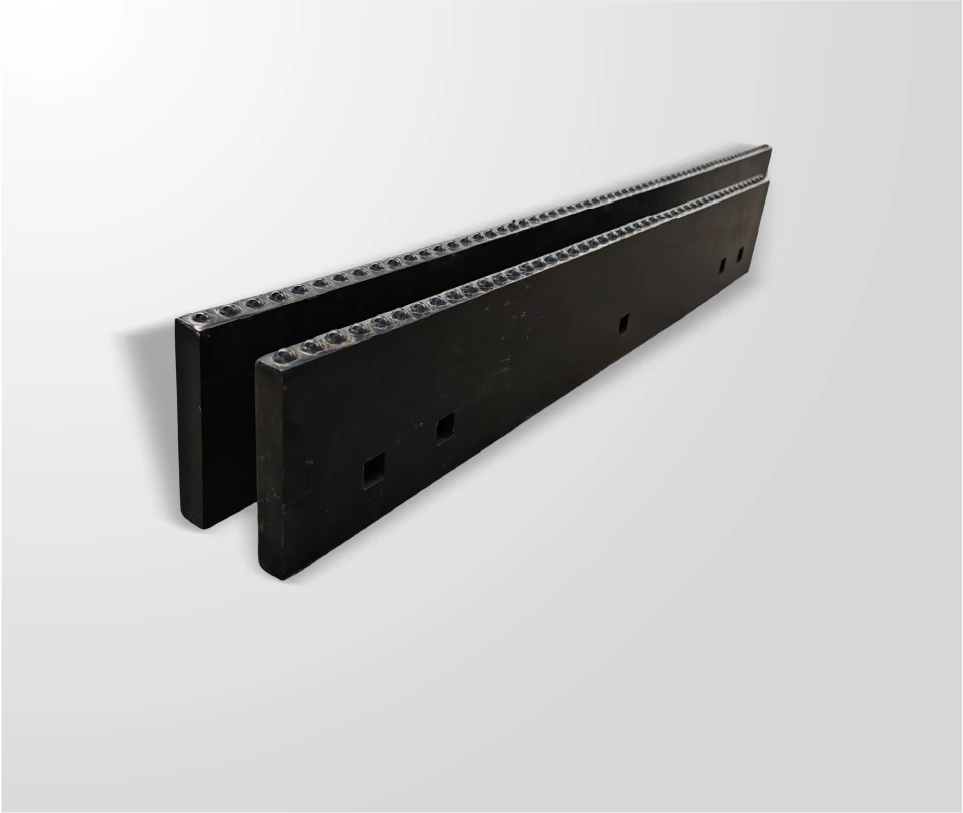
The cobalt binder ratio in carbide snow plow blades directly controls the trade-off between hardness...
Macro-grain carbide (grain size 2–5 microns) offers higher impact resistance, making it ideal for heavy...
A simple density test reveals fake tungsten carbide by measuring mass and volume. Weigh the...
Carbide porosity refers to tiny voids or air pockets inside a tungsten carbide insert, created...
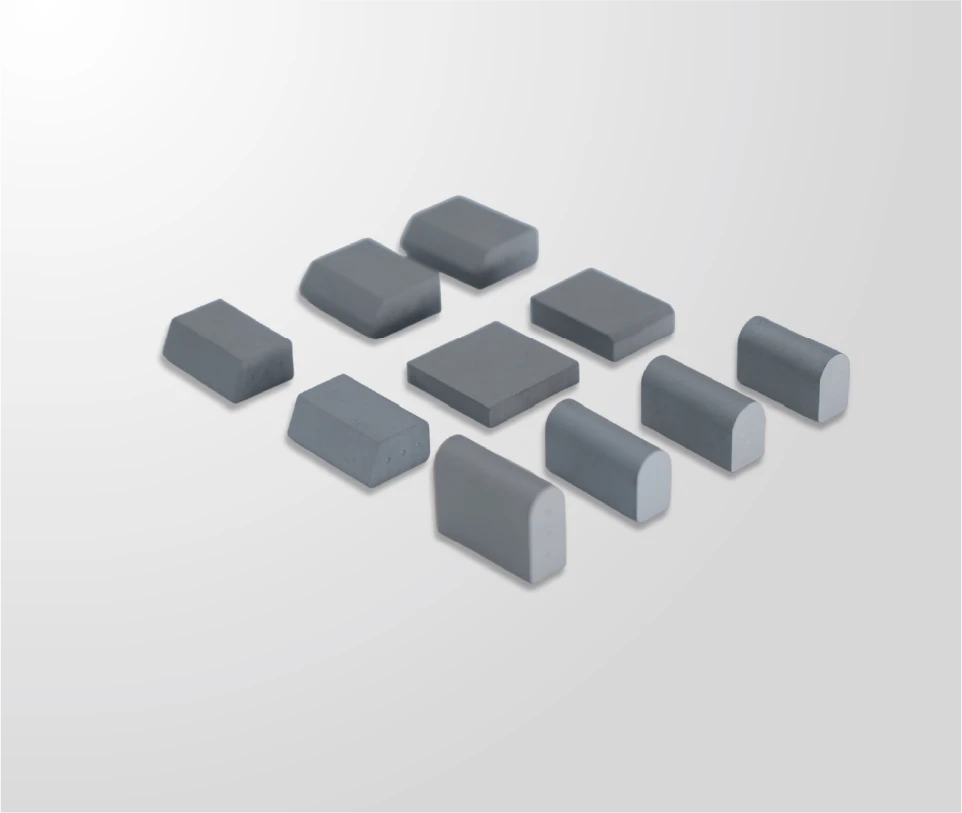
Trapezoidal carbide inserts stay in better than rectangular ones because their tapered shape creates a...
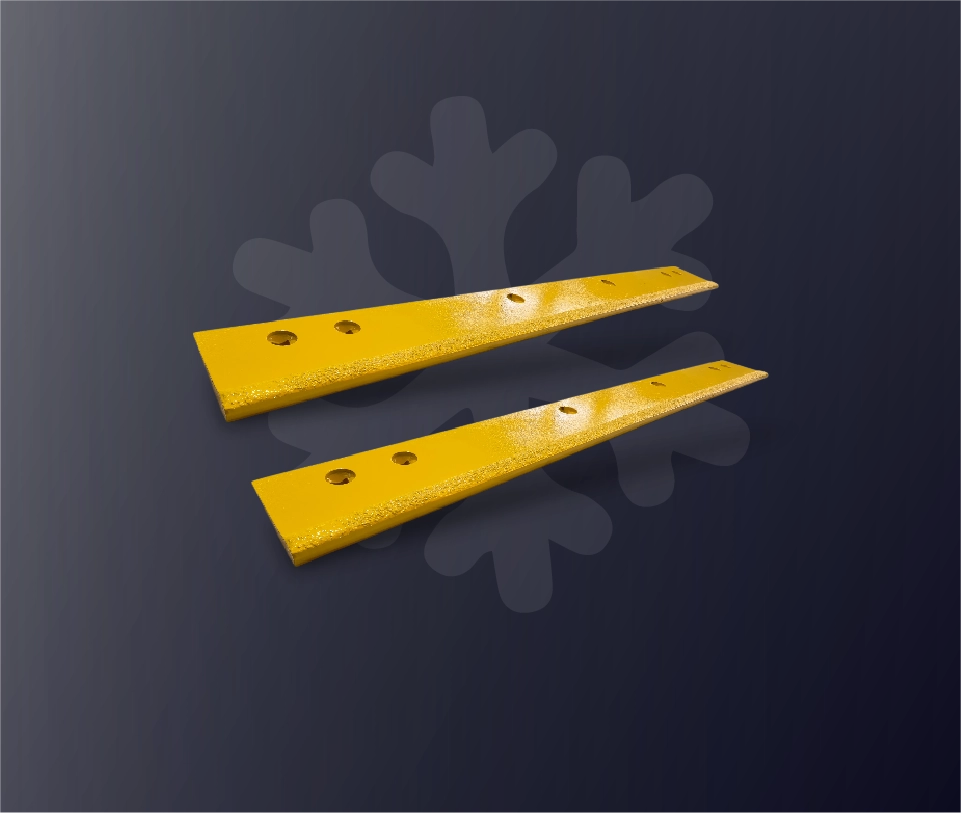
1045 steel is superior to A36 for carbide snow plow blades because its medium-carbon composition...
Yes, but only when combined with consistent manufacturing. Sand abrasion tests measure wear resistance under...
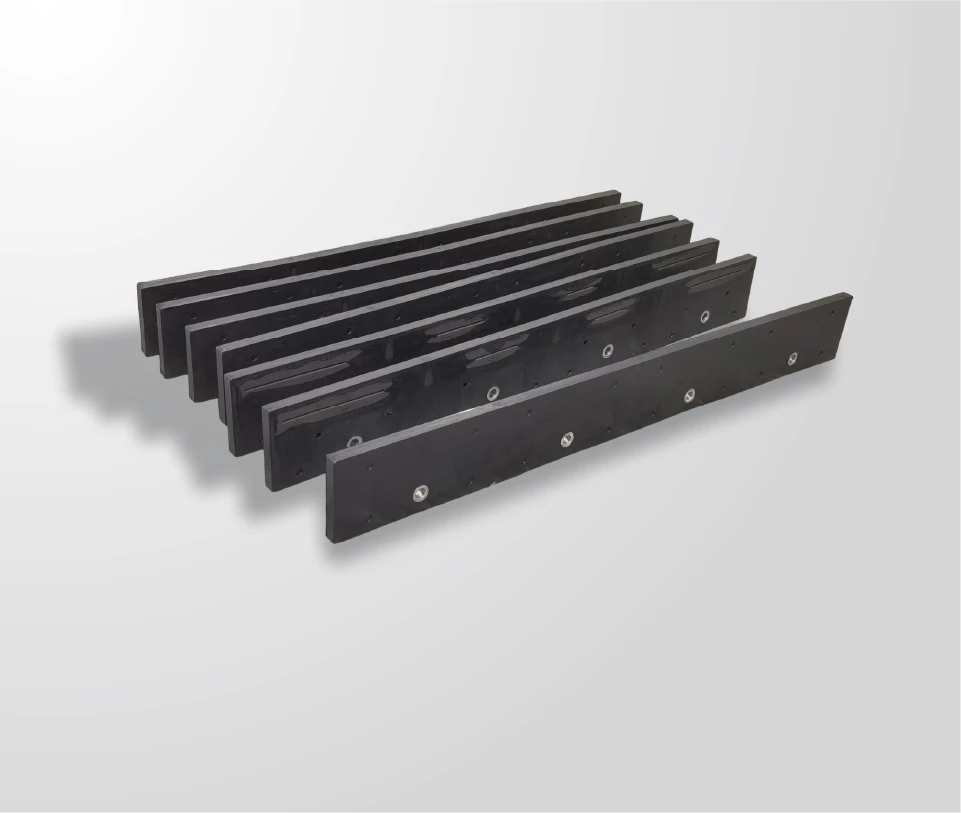
The mandatory Joma blade installation gap is 1/8 inch (3 mm) between every 12-inch rubber-carbide...