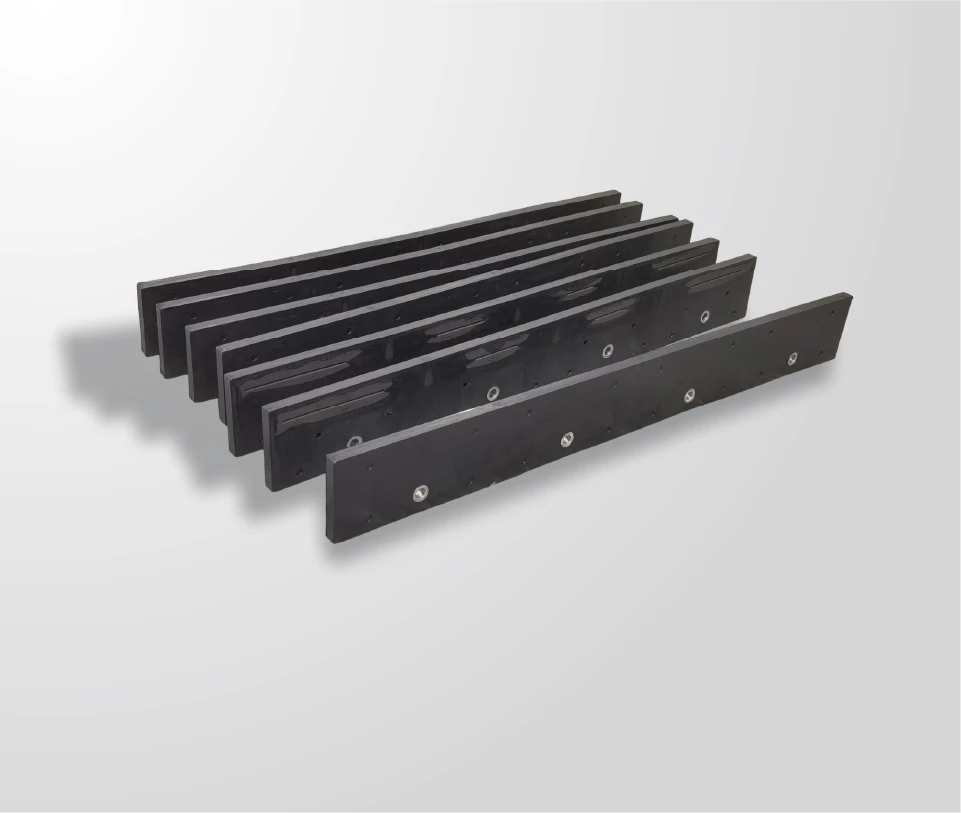
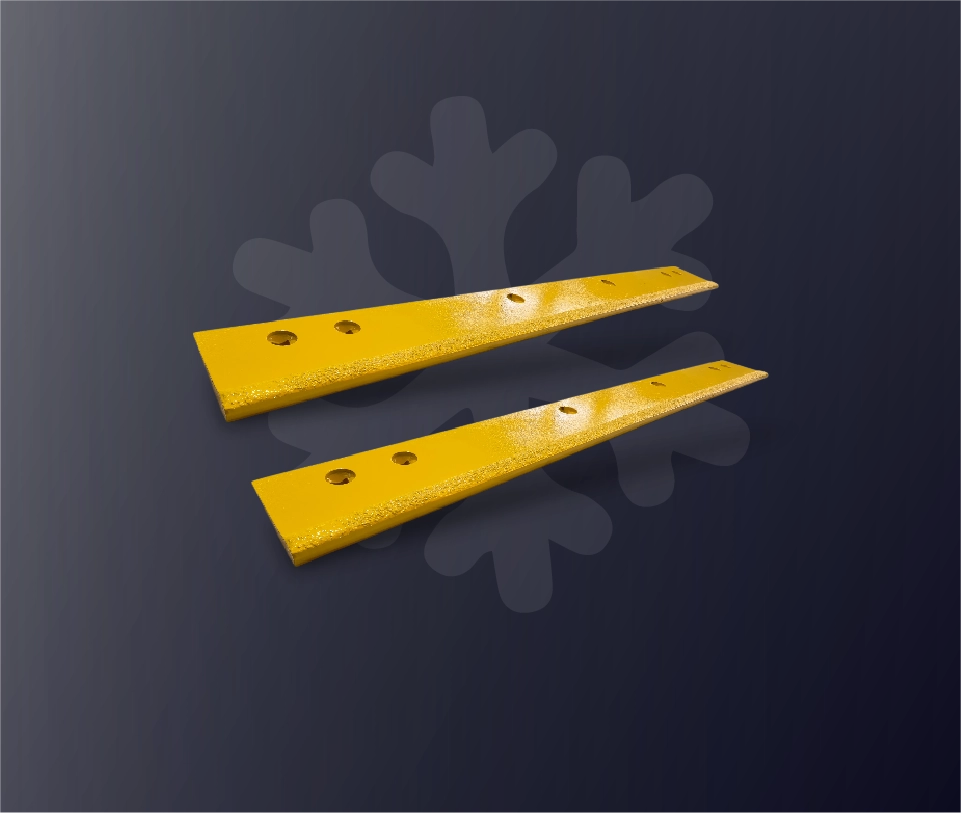
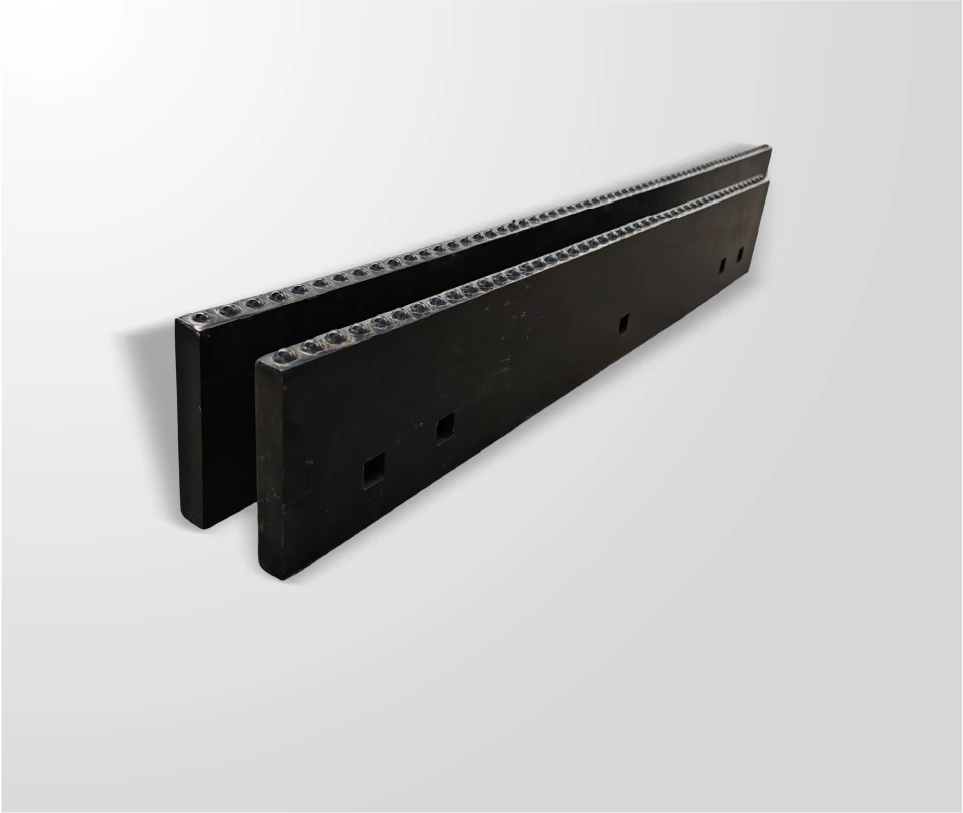
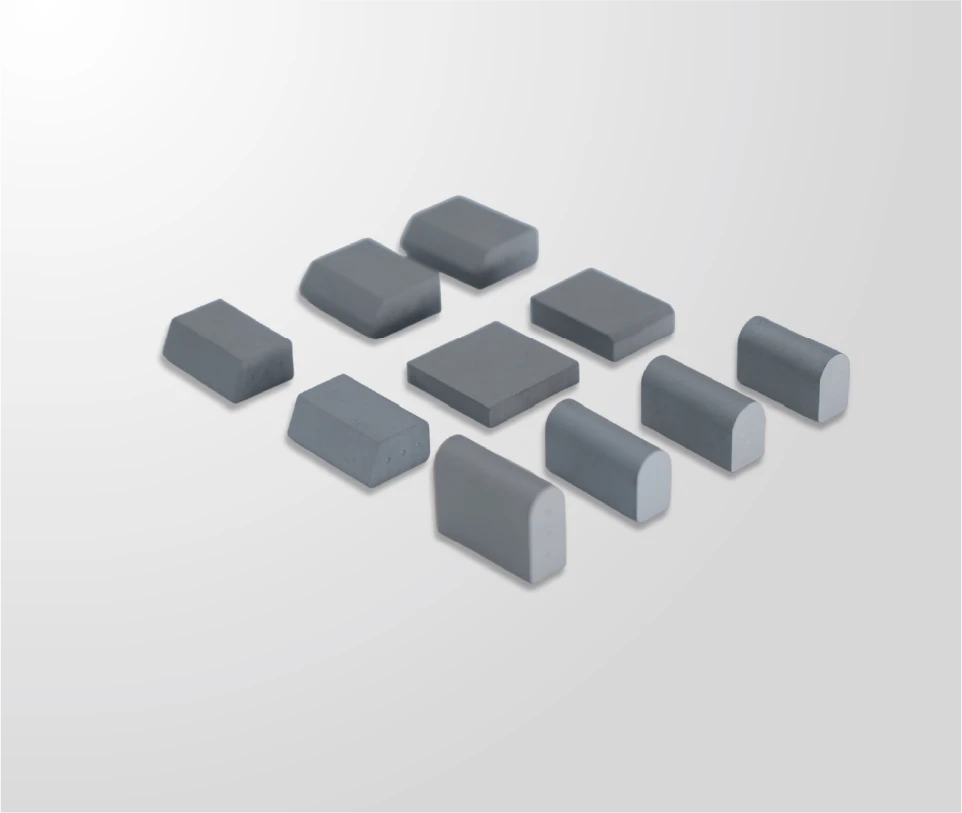

In controlled lab tests using ASTM E23 methods, virgin carbide exhibits 35–45% higher impact strength...
SENTHAI guarantees 100% virgin carbide by controlling every production stage in its Thailand facility: sourcing...
The snow plow sled effect occurs when a standard flat steel blade fails to cut...
Steel plow blades wear out fast on ice because of thermal friction: high-speed contact generates...
Yes — a lighter plow edge with tungsten carbide inserts breaks packed ice more effectively...
Hydroplaning on slushy ice happens when a flat snow plow blade rides on a thin...
Ice impact damage breaks your plow hitch when a rigid steel blade hits packed ice....
A snow plow blade with 5% contact (isolated carbide picks) concentrates pressure at each insert...
Polyurethane blades fail on hard-packed snow because their soft composition cannot crack dense ice, causing...
Back‑dragging ice with a standard steel blade fails because the continuous edge suffers concentrated impact...