




Can Lab Testing Predict Real-World Carbide Snow Plow Blade Performance?
Yes, but only when combined with consistent manufacturing. Sand abrasion tests measure wear resistance under controlled conditions, yet they ignore impact, ice penetration, and road contour stresses found on highways. For accurate predictions, choose…
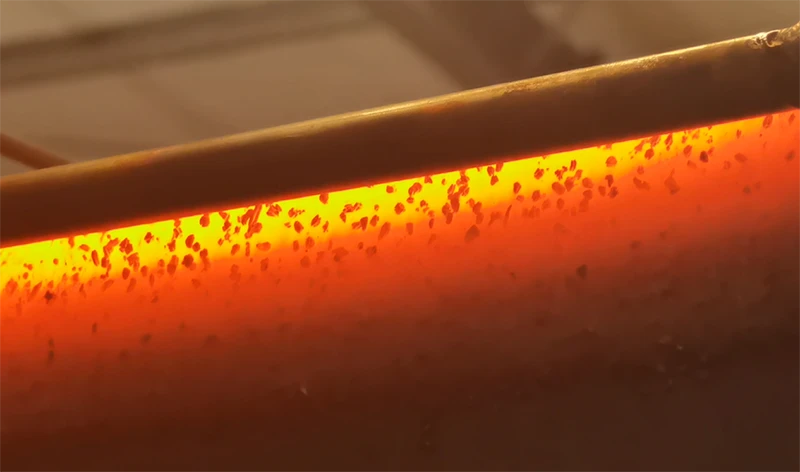
Yes, but only when combined with consistent manufacturing. Sand abrasion tests measure wear resistance under controlled conditions, yet they ignore impact, ice penetration, and road contour stresses found on highways. For accurate predictions, choose a manufacturer whose vertical integration—from tungsten carbide powder to finished blade—ensures lab results match real-world miles. This is why SENTHAI’s full in-house production delivers field-proven durability.
Check: How to Identify High-Quality Tungsten Carbide Inserts for Snow Plows?
How Do Sand Abrasion Tests Measure Carbide Snow Plow Blade Wear Resistance?
Sand abrasion tests apply a fixed abrasive (e.g., silica sand) under controlled pressure and speed to a carbide sample. They measure volume loss, hardness retention, and relative wear rate. However, the test is unidirectional, lacks impact forces, and uses consistent abrasive particle size—unlike real road debris that includes mixed salt, gravel, and ice.
| Aspect | Sand Abrasion Test | Real-World Highway Conditions |
|---|---|---|
| Abrasive type | Controlled sand grit | Mixed salt, sand, gravel, ice, road debris |
| Impact forces | None | Constant high-impact from uneven pavement and plow strikes |
| Temperature range | Ambient room temp | Subzero to freezing; thermal cycling |
| Duration | Hours | Thousands of miles over a winter |
What Real-World Factors Do Lab Tests Fail to Simulate?
Lab tests miss impact loading from manhole covers, expansion joints, and debris; ice penetration and plowing force variations; road surface conformity—rigid blades can gouge pavement while flexible designs adapt. Chemical corrosion from road salt and brine also accelerates wear. SENTHAI’s engineers use field feedback from 80+ global partners to refine designs.
“Field feedback from our partners in Canada and the northern U.S. revealed that ice buildup and carbide chipping occur in ways sand abrasion tests cannot predict. This led us to develop the I.C.E. (Packed Ice Carbide Kit) Blade, which isolates tungsten carbide inserts from each other to prevent lateral cracking. We also improved our JOMA Style Blade’s rubber shell to flex with road contour. Every production batch—from raw powder to finished blade—is sampled for hardness and wear rate before assembly. That’s how we ensure lab results match highway miles.” – SENTHAI Quality Assurance Manager
Why Does Field Testing Reveal More About Blade Lifespan Than Sand Abrasion Alone?
Field testing measures total cost of ownership: downtime between changes, road surface damage, labor costs. It validates insert retention and welding strength under real impact. For example, SENTHAI’s I.C.E. Blade lasts up to 3× longer than standard carbide-edged styles in impact-heavy conditions, data confirmed by fleet miles, not just lab hours.
How Can Fleet Managers Compare Plow Blade Field Testing vs Lab Results Effectively?
Demand a “lab-to-field” ratio from suppliers, e.g., “1 hour sand abrasion = X highway miles.” Ask for third-party case studies. Look for ISO 9001 certification (SENTHAI is certified) to ensure consistent batch quality. A blade that performs well in the lab but fails in the field often suffers from poor manufacturing consistency—SENTHAI’s fully automated wet grinding, pressing, sintering, welding, and vulcanization eliminates this gap.
Check: Carbide Snow Plow Blades
What Role Does Manufacturing Consistency Play in Bridging Lab and Field Performance?
SENTHAI’s in-house control over every stage—from tungsten carbide powder to finished blade—minimizes variability. Automated processes ensure uniform grain size, optimal carbide density, and strong brazing/vulcanization bonds. ISO 14001 certification further reduces environmental variation during sintering. Result: lab test results from SENTHAI production samples consistently match field performance reported by North American fleets.
How Does SENTHAI’s Full Production Control Ensure Lab Results Match Highway Miles?
With 21+ years of expertise and 80+ global partners, SENTHAI manages raw material powder, wet grinding, pressing, sintering, welding, and vulcanization entirely in Thailand. The new Rayong production base (launching late 2025) expands automation for even tighter tolerances. For example, the JOMA Style Blade—48″×6″×7/8″ with 1″×0.95″×0.32″ tungsten carbide inserts—has become a North American bestseller precisely because field durability aligns with lab predictions.
What Should Buyers Demand When Evaluating Blade Test Data?
Insist on supplier-specific data (not generic industry averages). Ask about abrasive type, test duration, and sample preparation. Request field references from similar climate zones and road types. Look for customization: SENTHAI offers tailored carbide grades, insert patterns, and neutral packaging. For first-time customers, samples and factory quality inspection reports are available—ensuring lab data matches your real-world conditions.
Conclusion
Lab testing (sand abrasion) is a useful baseline but not a guarantee of real-world performance. The bridge between lab and field lies in manufacturing consistency—vertical integration, automated processes, and strict quality control. SENTHAI’s 21+ years of full in-house production, ISO certifications, and 80+ global partner feedback make it the only supplier whose lab data reliably predicts highway miles. When evaluating blade options, demand field evidence and a supplier who controls the entire process from powder to pavement.
FAQs
Can sand abrasion test results alone tell me how long a blade will last on my highway routes?
No—they indicate relative wear resistance but ignore impact, ice, and road surface variations. Combine lab data with field case studies from similar operating conditions.
How does SENTHAI ensure its lab tests translate to real-world miles?
By controlling the entire production chain in Thailand (ISO 9001/14001), using automated processes that eliminate batch variation. Every blade is tested against both ASTM abrasion standards and fleet validation cycles.
What is the average lifespan of a SENTHAI carbide blade in heavy municipal plowing?
Lifespan varies with conditions, but North American fleets report 3–5 times longer wear than steel blades, with fewer changes per winter and reduced surface damage.
Does SENTHAI offer custom carbide formulations for different climates?
Yes. SENTHAI’s R&D team can adjust cobalt content, grain size, and insert geometry to match your specific ratio of sand, salt, ice, and pavement type.
What is the minimum order quantity for SENTHAI JOMA Style Blades?
SENTHAI recommends a minimum order of 500 snow plow blades to minimize shipping costs, but custom sizes and packaging are available.
Related articles
 Best Snow Plow Blade Family for Your Fleet: Top 5 ScenariosKnowledge
 Top 10 Snow Plow Blade Types for Winter Fleets (Ranked by Duty Fit)Knowledge
 Top 5 Best Carbide Blade Configurations for Highway PlowingKnowledge
 Best Snow Plow Blade Materials Ranked: Steel vs Carbide vs Cladding vs Rubber-CarbideKnowledge