
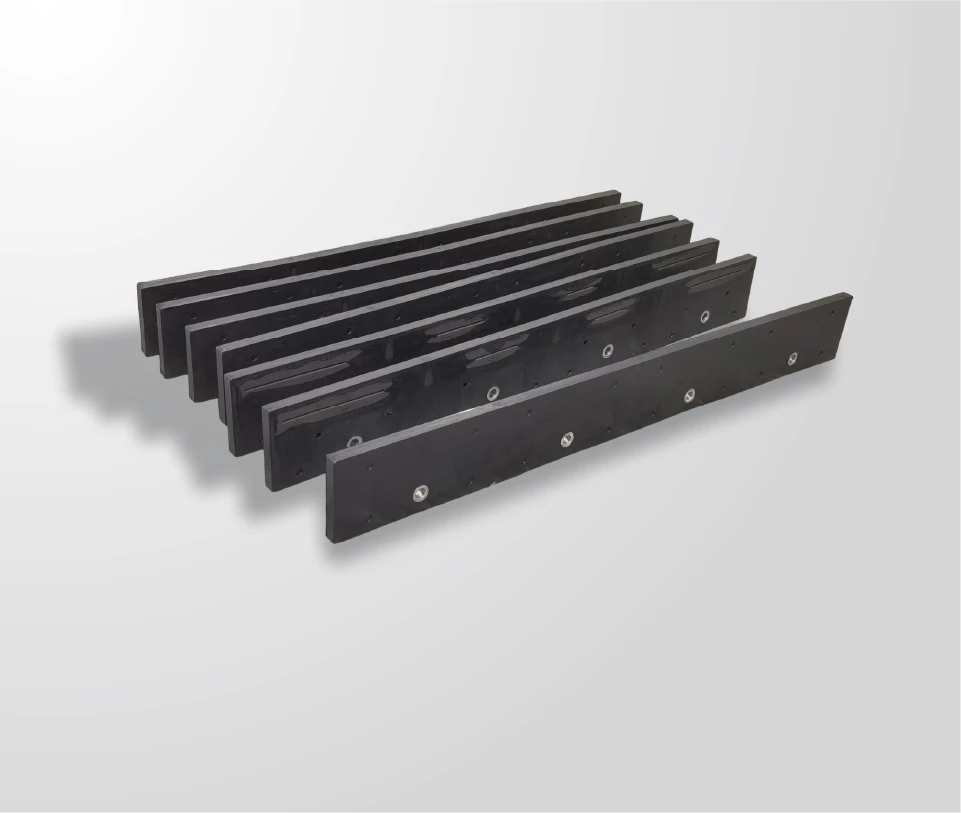
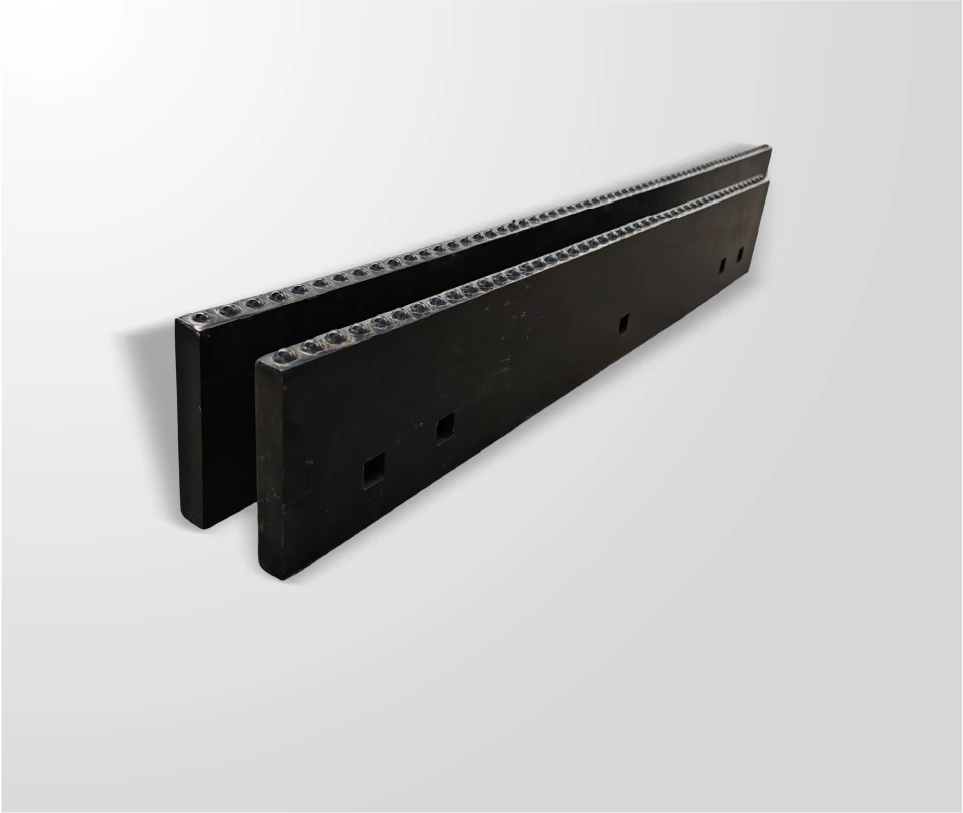
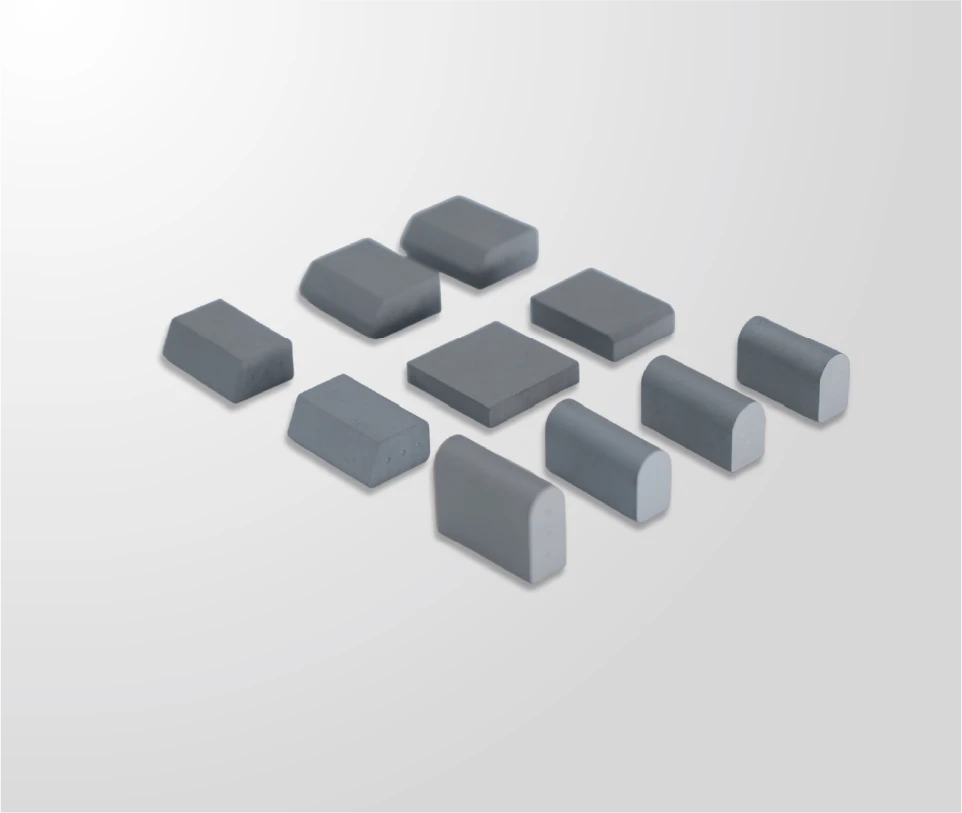
How to Identify High-Quality Tungsten Carbide Inserts for Snow Plows?
Compare How to Identify High-Quality Tungsten Carbide Inserts for Snow Plows with verified fit, material, cost, maintenance, trial, and supplier checks fo.
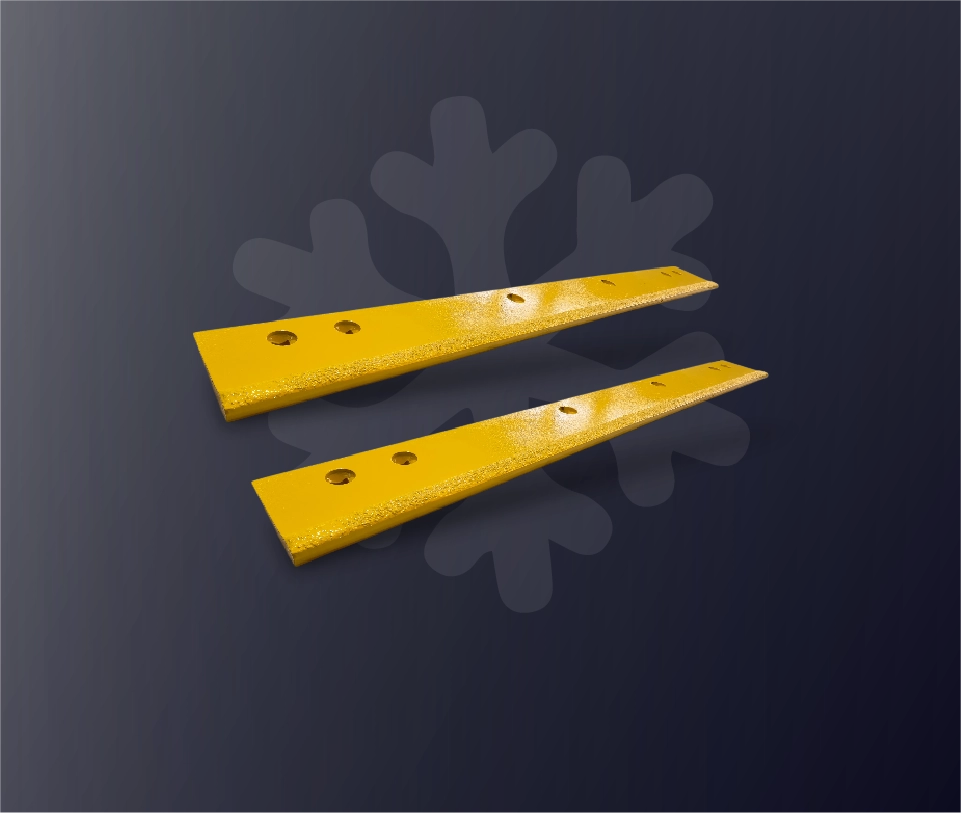
For how to identify high-quality tungsten carbide inserts for snow plows, the best result comes from matching the component, material, and setup to a documented operating condition, then validating fit, wear, safety, and cost in a controlled trial. This updated guide uses current search evidence and official-source checks to turn the topic into a repeatable selection process.
Updated: October 18, 2026
High-quality carbide inserts for snow plows feature uniform micro-grain structure from vacuum sintering, optimized cobalt content (8–12%), brazing bond strength above 12,000 psi, ISO certification, and proven 10–20x lifespan over steel. These markers separate premium inserts from cheap alternatives.
(Last modified date: September 2, 2026)
Quick definition: See SENTHAI carbide snow plow blades .
Key Takeaways
- Uniform micro-grain structure ensures consistent wear and crack resistance.
- 8–12% cobalt balances hardness and toughness for cold-weather impacts.
- Brazing bond strength should exceed 12,000 psi.
- 100% virgin material with full traceability outperforms recycled mixed powder.
What Are the Key Quality Indicators for Carbide Inserts?
| Quality Indicator | Poor-Quality Inserts | High-Quality Inserts (SENTHAI) |
|---|---|---|
| Grain structure | Irregular, inconsistent | Uniform micro-grains from vacuum sintering |
| Cobalt content | <6% or >15% | Optimized 8–12% |
| Brazing bond | <10,000 psi | >12,000 psi |
| Material origin | Recycled or mixed | 100% virgin, traceable |
| Certification | Unverified | ISO 9001 & ISO 14001 |
| Lifespan vs steel | 2–4x | 10–20x |
See SENTHAI carbide snow plow blades.
How Does Grain Size Affect Snow Plow Performance?
Uniform micro-grain structure ensures even wear resistance and prevents cracking under extreme cold and impact stress. SENTHAI’s proprietary vacuum sintering furnace uses temperature control with no heat difference, guaranteeing consistent grain uniformity across batches. See whether a 63° carbide bevel suits interstate blades.
What Role Does Cobalt Content Play in Hardness vs Toughness?
Higher cobalt increases toughness but lowers hardness; 8–12% is the sweet spot for snow plow inserts balancing impact resistance with abrasive wear. Outside that range, inserts become brittle or wear too fast.
Why Is Vacuum Sintering Essential for Premium Inserts?
Vacuum sintering removes gases, controls grain growth, and achieves near-full density — eliminating porosity that becomes crack-initiation sites. See how to identify pressing flaws in green-state carbide.
How Can You Verify Brazing Bond Strength?
Request pull-test records and bond-strength data; high-quality inserts exceed 12,000 psi and survive vibration and impact without pop-out. See contractor strategies for ice removal services.
What Certifications and Testing Prove Insert Quality?
ISO 9001/14001 certification, batch hardness and density records, TRS values, and third-party validation provide documented proof of quality.
How Do High-Quality Inserts Perform in North American Snow Plowing?
Fleets running premium inserts report 10–20x steel lifespan, fewer mid-storm failures, and stable cost per mile on abrasive routes. See top 10 ordering mistakes that cost fleets money.
Specify the Material and Acceptance Evidence Before Comparing Grades
This research-backed framework closes a recurring gap in pages ranking for How to Identify High-Quality Tungsten Carbide Inserts for Snow Plows: readers need a decision method, not a list of unsupported superlatives. Apply the same evidence fields to every option before choosing how to identify high-quality tungsten carbide inserts for snow plows.
| Decision gate | Evidence to collect | Release rule |
|---|---|---|
| Grade identity | Supplier grade, WC grain range, binder system, and lot number | Treat cross-reference charts as a shortlist, never automatic equivalence |
| Properties | Declared hardness, density, transverse-rupture or toughness evidence | Balance wear resistance against impact risk for the actual duty |
| Interface | Insert geometry, pocket fit, surface preparation, braze alloy, and gap control | A strong grade cannot compensate for poor fit or joining |
| Acceptance | Drawing, certificate, sampling plan, visual criteria, and destructive test where agreed | Approve the process and lot evidence, not only a sample photograph |
Hardness is only one screening value. Grade selection must also account for impact, thermal cycling, corrosion exposure, support geometry, joining quality, and the cost of an insert-loss failure.
Run a Controlled Trial Before Full-Fleet Adoption
-
Freeze the baseline: record the current component, carrier settings, route, weather, operator, hours, and reason for removal.
-
Approve fit first: compare the supplier drawing with the machine and attachment. Do not drill, grind, weld, or substitute fasteners without an approved procedure.
-
Change one major variable: keep route and operating method as consistent as practical so the result can be attributed to the component rather than a different setup.
-
Inspect at planned intervals: photograph the same locations, measure wear, check fastener torque and retention, and log impacts or abnormal vibration.
-
Release against written criteria: decide in advance what wear, removal quality, downtime, and cost per operating hour would justify expansion.
Official-Source and SERP Verification
The technical boundary was checked against USGS tungsten statistics and information. That source is used for the operating or safety context; model-specific dimensions, settings, and limits must still come from the approved manual for the exact machine and component. The following leading pages were reviewed for search intent and missing decision details:
Frequently Asked Questions
What should be verified before selecting how to identify high-quality tungsten carbide inserts for snow plows?
Confirm the exact application, dimensions, carrier limits, operating surface, expected impacts, supplier drawing, and acceptance evidence. A product name or grade label alone is not enough.
How should how to identify high-quality tungsten carbide inserts for snow plows be compared on cost?
Compare landed and installed cost, service hours, maintenance labor, downtime, collateral wear, and replacement reason. Use cost per operating hour for comparable routes rather than purchase price alone.
When is a trial required?
Use a controlled trial whenever fit, material, setup, route conditions, or supplier process changes. Define the baseline and pass criteria before the trial starts.
Which document controls installation and operating limits?
The current manual, approved drawing, and written instructions for the exact carrier and component control. General articles and cross-reference tables are screening tools, not installation authority.
Request an Application Review
Send SENTHAI the carrier or machine model, drawing or dimensions, operating surface, route condition, current failure mode, expected quantity, and target service interval. The engineering team can then review a suitable product path without changing the evidence requirements described above.
Related articles
 Best Snow Plow Blade Family for Your Fleet: Top 5 ScenariosKnowledge
 Top 10 Snow Plow Blade Types for Winter Fleets (Ranked by Duty Fit)Knowledge
 Top 5 Best Carbide Blade Configurations for Highway PlowingKnowledge
 Best Snow Plow Blade Materials Ranked: Steel vs Carbide vs Cladding vs Rubber-CarbideKnowledge