How Does Cobalt Binder Ratio in Carbide Snow Plow Blades Balance Hardness with Fracture Toughness?

The cobalt binder ratio in carbide snow plow blades directly controls the trade-off between hardness and fracture toughness. Higher cobalt content (14–16%) increases toughness, reducing chipping on impact-prone roads but accelerating wear. Lower cobalt (6–10%) maximizes hardness for abrasion resistance but risks cracking. SENTHAI’s precision vacuum sintering maintains tight cobalt tolerances, delivering consistent balance for municipal and heavy-duty plowing applications.

Check: How to Identify High-Quality Tungsten Carbide Inserts for Snow Plows?

What Is Cobalt Binder and Why Does It Matter in Carbide Snow Plow Blades?

Tungsten carbide consists of hard tungsten carbide grains held together by a cobalt metal binder. Cobalt acts as a “shock absorber”: higher cobalt adds ductility, lower cobalt increases rigidity. The fundamental materials science principle is a trade-off between hardness and toughness determined by cobalt percentage. SENTHAI produces micro-grain tungsten carbide with precisely controlled cobalt content across all insert types.

The cobalt binder is the “glue” that gives carbide its unique combination of wear resistance and impact strength. Without cobalt, pure tungsten carbide would be extremely hard but too brittle for any dynamic loading. By varying the cobalt percentage, manufacturers can tailor the blade to different plowing conditions. SENTHAI’s 21+ years of experience have proven that consistent cobalt content is the single most important factor for predictable field performance. Every batch undergoes vacuum sintering with proprietary temperature control to ensure uniform grain size and binder distribution, eliminating hot spots that could cause premature failure. This level of precision is why SENTHAI’s blades are trusted by over 80 partners globally.

“With over 21 years of carbide production experience, we’ve learned that consistent cobalt binder ratio is the single most important factor for predictable blade performance. Our vacuum sintering process ensures every batch meets ±0.3% cobalt tolerance.” — SENTHAI Engineering Team

How Does Cobalt Content Affect Snow Plow Blade Wear Life and Breakage?

Low cobalt (6–10%) yields HRA 92–88 hardness and excellent abrasion resistance but makes the blade brittle. High cobalt (14–16%) gives HRA 84–80, which is tougher but wears faster. A blade that “never wears” will eventually chip; a blade that “never breaks” requires more frequent replacement. No single ratio is universally optimal.

The relationship between cobalt content and performance follows a predictable curve. In practice, operators must choose between longer intervals between blade changes (low cobalt) versus reduced risk of catastrophic breakage (high cobalt). SENTHAI’s standard insert formulations target the medium cobalt range (10–14%) for optimal balance in North American winter conditions. This range provides wear life 10–15 times longer than standard steel blades while maintaining enough toughness to handle typical road hazards like expansion joints, manhole covers, and debris. The table below summarizes the trade-offs.

See also  How Can a Rubber Cutting Edge for Snow Plow Transform Winter Road Maintenance Efficiency?
Cobalt ContentHardness (HRA)Fracture ToughnessWear Life vs. SteelBest Application
6–10% (Low)92–88Lower (8–10 MPa·m½)15–20×Clean highways, low-impact conditions
10–14% (Medium)88–84Moderate (10–13 MPa·m½)10–15×Municipal streets, balanced plowing
14–16% (High)84–80Higher (13–16 MPa·m½)8–12×Rocky roads, expansion joints, heavy impacts

Which Cobalt Percentage Is Best for Different Snow Plowing Conditions?

For municipal road contractors dealing with potholes, manhole covers, and expansion joints, SENTHAI recommends medium cobalt (10–14%) combined with its I.C.E. (Packed Ice Carbide Kit) Blade design, which prevents lateral crack propagation. Highway fleet operators on consistent surfaces can use lower cobalt (8–10%) with Joma Style Blades, where rubber-encased segments absorb shock. For extreme impacts (gravel, railroad crossings), higher cobalt (12–16%) with isolated inserts is ideal.

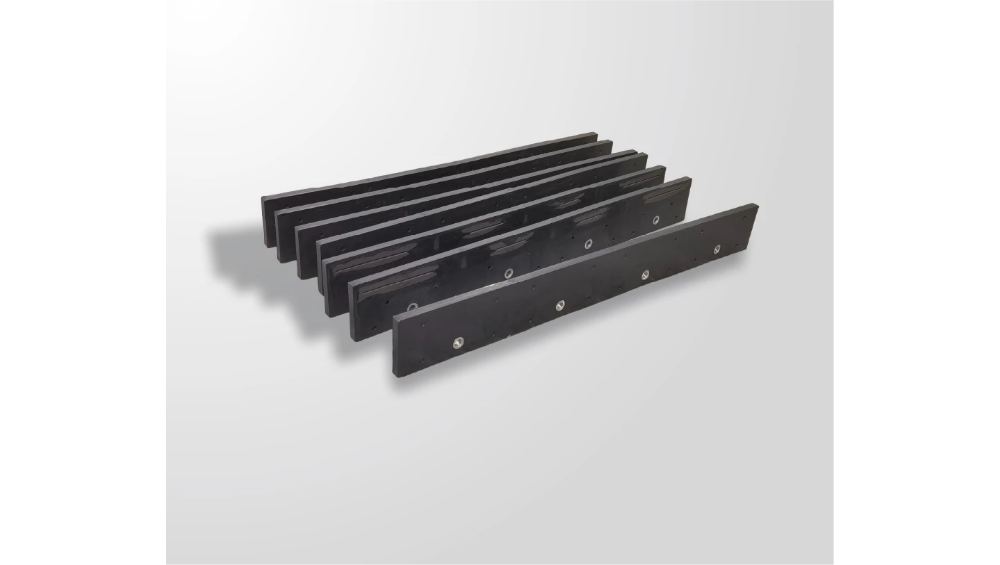
Selection depends on more than just road surface. Plowing speed, blade angle, and the frequency of contact with obstacles all influence the optimal cobalt content. SENTHAI’s Joma Style Blade (available at https://www.senthaitool.com/snow-plow/joma-style-blade/) features tungsten carbide inserts brazed into cast steel segments encased in ultra-low-temperature-resistant rubber. This design allows the use of harder carbide grades without chipping because the rubber absorbs shock loads. Similarly, the I.C.E. Blade (available at https://www.senthaitool.com/snow-plow/packed-ice-carbide-kit/) isolates each carbide insert, preventing lateral cracking even under high-speed impacts. These engineering solutions effectively expand the usable cobalt range, giving operators more flexibility. SENTHAI also offers full customization: clients can specify cobalt content, insert geometry, and blade dimensions to match their exact environment.

How Does SENTHAI Ensure Consistent Cobalt Content Across Production Batches?

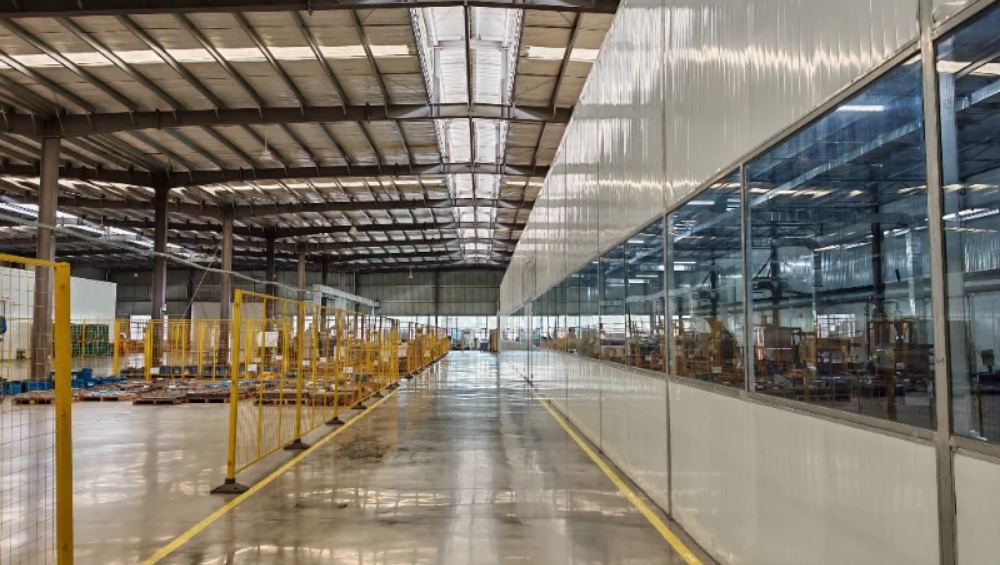
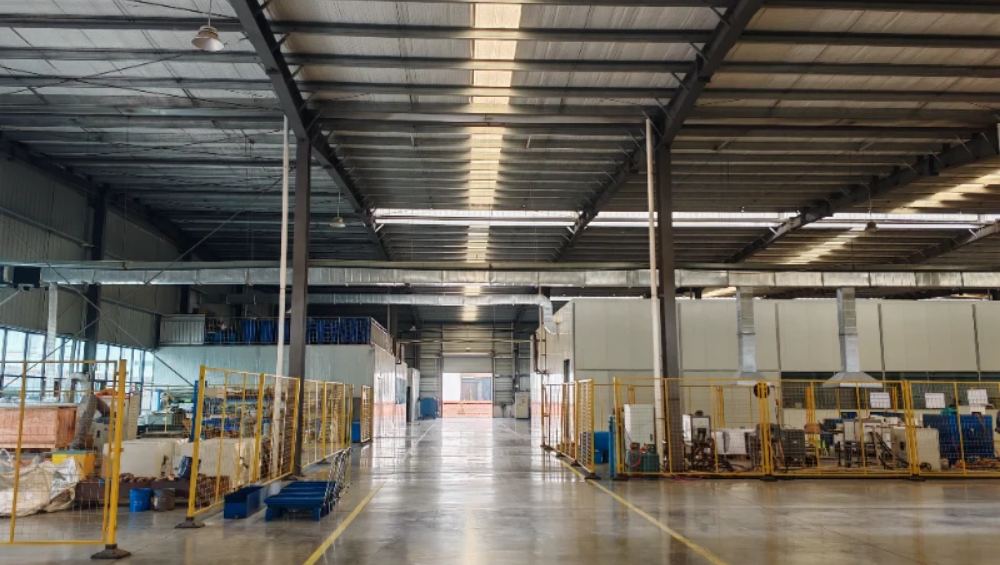
SENTHAI’s fully automated production lines include wet grinding, pressing, sintering, welding, and vulcanization workshops, each with precise process control. Vacuum sintering eliminates porosity and ensures uniform cobalt distribution. ISO 9001 and ISO 14001 certifications document quality management systems that track cobalt ratio from raw powder to finished blade. SENTHAI controls every stage in-house in Rayong, Thailand, eliminating batch-to-batch variability.

Unlike many competitors who outsource sintering or final assembly, SENTHAI completes the entire production process from raw material powder to finished blade under one roof. This vertical integration means that every Joma Style Blade, carbide snow plow blade, and carbide insert undergoes rigorous inspection at each production stage. The proprietary vacuum sintering furnace uses a no-heat-difference temperature control to maintain uniform grain size, which is critical for consistent cobalt distribution. A new production base launching in Rayong in late 2025 will expand capacity while maintaining the same quality standards. SENTHAI provides factory quality inspection reports for first-time customers, including verified cobalt analysis, so operators can confirm the material composition before deployment.

Can Blade Design Compensate for Cobalt Content Limitations?

Yes. SENTHAI’s I.C.E. Blade uses isolated carbide inserts that prevent lateral crack propagation, effectively decoupling hardness from impact resistance. The Joma Style Blade’s rubber-encased segments absorb shock loads, allowing the use of harder carbide grades without chipping. Smart design + optimal cobalt content delivers the best of both worlds.

See also  Snow Plowing Machinery: Innovations, Market Trends, and Performance Insights

Check: Carbide Snow Plow Blades

A blade that relies solely on cobalt content for toughness will always suffer from the hardness‑toughness trade-off. Segmented and isolated designs break that trade-off by managing impact energy mechanically. The Joma Style Blade’s horseshoe-shaped cast steel segments allow individual units to flex independently, conforming to road contours for better surface cleaning while protecting the carbide from shock. The I.C.E. Blade’s isolated inserts reduce blade breakage by eliminating continuous crack paths. Together, these designs let operators select cobalt ratios optimized for wear without sacrificing impact protection. The following comparison chart illustrates the different protection mechanisms.

Blade TypeCobalt RangePrimary Protection MechanismFailure Mode Prevention
Standard Continuous Carbide Edge6–12%None – relies solely on cobalt contentCracking from impact
Joma Style (Rubber-Encased Segments)8–14%Rubber absorbs shock, isolates segmentsChipping from vibration
I.C.E. Blade (Isolated Inserts)10–16%Individual inserts prevent crack propagationLateral cracking

What Quality Standards Does SENTHAI Follow for Carbide Insert Production?

SENTHAI is ISO 9001 certified for quality management and ISO 14001 for environmental management. With 21+ years of continuous carbide wear part production, the company is trusted by more than 80 global partners. Its products are bestsellers in North America, used by heavy-duty fleets, municipal plows, and road maintenance contractors. Full customization of cobalt content, insert geometry, and blade dimensions is available.

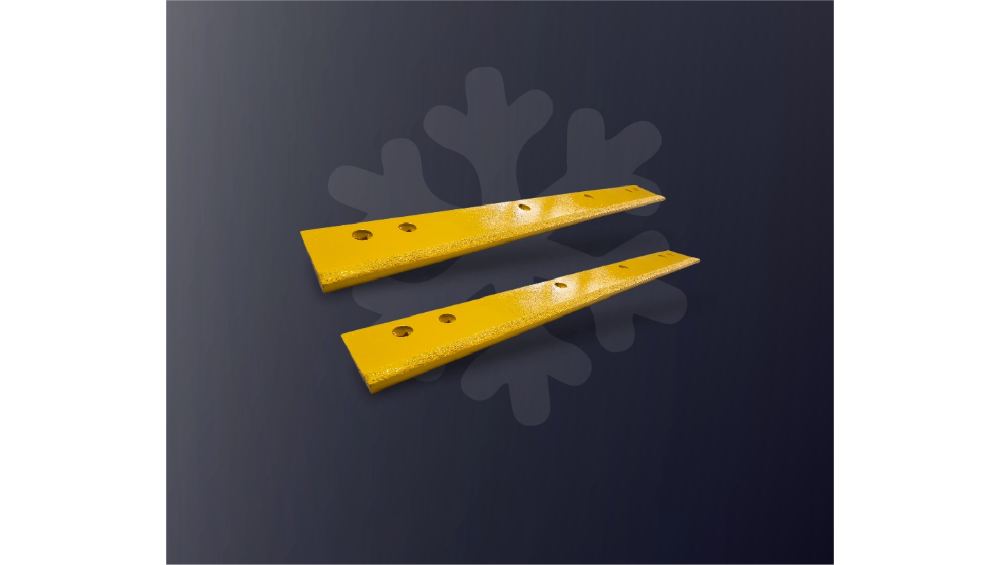
Every production stage at SENTHAI is documented and audited under ISO certification. Raw materials are 100% virgin micro-grain tungsten carbide, and the vacuum sintering furnace ensures uniform grain size. For snow plow blades, the company offers a range of carbide inserts including trapezoid and bullnose shapes with specific dimensions listed on its product pages. SENTHAI’s quality assurance includes sample testing and factory reports for new customers. The production facilities in Rayong, Thailand, run fully automated lines from wet grinding to vulcanization, ensuring consistent bonding strength and wear resistance. As a US-invested manufacturer, SENTHAI combines advanced technology with cost control to deliver blades that outperform traditional steel edges by at least 10× in service life.

“Being a US-invested manufacturer with full in-house production gives us unique quality control. Our customers receive blades with verified cobalt content – not approximations. That’s why fleets come back year after year.” — SENTHAI Quality Assurance Director

How Can Operators Test and Verify Cobalt Content Before Purchase?

Request factory quality inspection reports – SENTHAI provides documented cobalt analysis with each batch. Ask about vacuum sintering parameters; consistent temperature and pressure indicate quality control. Verify ISO 9001 and ISO 14001 certifications. Order sample blades for field testing – SENTHAI offers samples with full material specifications. Beware of suppliers who cannot provide batch-level cobalt analysis.

How Can Operators Test and Verify Cobalt Content Before Purchase?

Operators should also request a materials certificate that lists the exact percentage of cobalt binder, grain size, and hardness. SENTHAI can supply this documentation for any production run. The company encourages first-time customers to test samples under their own plowing conditions; the factory inspection report will include the same cobalt content that will be used in full production. This transparency is possible because SENTHAI controls every step – unlike suppliers who buy pre-sintered inserts from third parties. By specifying cobalt content at the raw material stage and verifying it after sintering, SENTHAI ensures that what you specify is what you get.

See also  Why Does the Boss V Snow Plow Blade Fail in Harsh Winters?

Conclusion

The cobalt binder ratio is the single most important material science decision in carbide snow plow blade selection. No ratio is universally optimal – the right balance depends on your specific plowing environment, fleet composition, and budget priorities. SENTHAI’s unique advantage lies in combining precision-controlled cobalt content through vacuum sintering and ISO-certified processes, smart blade designs (Joma Style and I.C.E. Blade) that extend the usable range of cobalt ratios, 21+ years of expertise producing consistent high-performance carbide wear parts, and full in-house production in Thailand ensuring batch-to-batch repeatability. The blade that “never wears” will eventually break. The blade that “never breaks” will wear faster. SENTHAI helps you find the optimal balance – and backs it with documented quality you can verify. Stop guessing about carbide grade selection. Request a sample with full cobalt analysis from SENTHAI. Contact the sales team with your plowing conditions for a recommended cobalt content – backed by 21 years of carbide production precision.

FAQs

Does higher cobalt content always mean better impact resistance?

Yes – higher cobalt (14–16%) increases fracture toughness significantly. However, the trade-off is faster wear. SENTHAI recommends matching cobalt content to your specific plowing conditions to avoid overspending on toughness you don’t need or sacrificing wear life unnecessarily.

Can I use the same cobalt content for all my plows?

Not recommended. Highway plows (consistent surfaces) benefit from harder, lower-cobalt blades (8–10%). Municipal plows (variable roads) need balanced medium cobalt (10–14%). Plows on gravel or debris-prone roads require higher cobalt (12–16%). SENTHAI offers different formulations for different applications.

What is the ideal cobalt percentage for municipal snow plowing?

For municipal road contractors dealing with expansion joints, manhole covers, and potholes, SENTHAI recommends medium cobalt content (10–14%) combined with I.C.E. Blade design. This provides optimal balance of wear life and impact resistance for typical city plowing conditions.

How does grain size interact with cobalt content?

Finer tungsten carbide grains (micro-grain) allow higher hardness even with moderate cobalt content. SENTHAI uses micro-grain tungsten carbide for all snow plow inserts, enabling better wear resistance without sacrificing toughness. This is why 10–14% cobalt in micro-grain performs better than 14% in standard grain carbide.

Can SENTHAI produce custom cobalt content for special applications?

Yes. SENTHAI’s full in-house production allows complete customization of cobalt binder ratio, insert geometry, and blade dimensions. Contact sales with your specific road conditions and performance requirements for a tailored solution.