




Joma Style Blade: A Validation-First Cutting Edge for Winter Road Fleets
Winter fleets do not buy a cutting edge solely for its purchase price. They need a blade architecture that matches the plow position, mounting arrangement, route conditions, road surface, operator practices, and replacement-part program.…
Winter fleets do not buy a cutting edge solely for its purchase price. They need a blade architecture that matches the plow position, mounting arrangement, route conditions, road surface, operator practices, and replacement-part program. A Joma-style blade can be relevant where a buyer is evaluating a rubber-encased carbide edge system, but the selection must begin with equipment fit and documented validation rather than a generic compatibility claim.
SENTHAI manufactures Joma-style blades for winter road-maintenance applications and describes this product architecture as tungsten carbide inserts brazed into steel segments, then encased in a rubber shell. The company also invites OEMs, distributors, and fleet buyers to discuss custom production using drawings, samples, or required specifications. This article explains how procurement teams can evaluate that architecture, distinguish it from conventional carbide and isolated-carbide systems, and build a practical sourcing and trial plan.
What Is a Joma Style Blade?
A Joma-style blade is a segmented, rubber-encased snow plow cutting-edge system in which tungsten carbide inserts are joined to steel segments and incorporated into an outer rubber shell. It is not simply a steel edge with carbide added, nor is it the same product category as a packed-ice carbide kit with isolated inserts.
For an OEM, distributor, or fleet procurement team, the key decision factors include:
-
The plow’s front, underbody, or wing position and its existing cutting-edge mounting architecture
-
The required blade length, thickness, hole pattern, clamp-bar arrangement, and approved mounting hardware
-
Route conditions, including packed snow, ice, pavement joints, manholes, gravel, uneven surfaces, and abrasive debris
-
The required balance among carbide wear resistance, steel support, rubber-segment behavior, impact exposure, and serviceability
-
The quality documentation, sample terms, inspection criteria, packaging plan, and traceability required for the purchasing program
SENTHAI’s Joma-style product page lists standard 3-foot and 4-foot product configurations alongside customization by drawing, sample, or specification. Those listed configurations should be treated as reference options, not as confirmation that a part fits a particular plow. The buyer should still confirm the current drawing, mounting dimensions, and installation arrangement before approving production.
Why Selecting This Wear Part Is Harder Than It Looks
Fit is an engineering issue, not a product-name issue. A Joma-style blade may resemble another segmented rubber-carbide product, but visual similarity does not establish interchangeability. Hole spacing, hole diameter, blade thickness, edge height, segment joints, clamp bars, fasteners, and carrier geometry can all affect installation and in-service behavior.
Wear resistance and impact resistance require a trade-off. Tungsten carbide is not one fixed material with one predictable outcome. Carbide grade, grain structure, binder system, density, porosity, geometry, residual stress, and joint design influence how an insert responds to abrasion and impact. Higher hardness alone does not establish suitability for jointed pavement, raised castings, gravel, or obstacle-heavy routes.
The road environment changes the failure mode. A long municipal route with relatively uniform pavement may create different needs from a contractor route that includes bridge decks, driveways, uneven pavement, drainage structures, exposed aggregate, and gravel. Vehicle speed, down pressure, attack angle, temperature, abrasives, salt or brine exposure, and operator technique can affect both scraping performance and wear-part life.
Validation must include the entire installed system. The rubber shell, steel segments, carbide inserts, mounting hardware, plow structure, and installation procedure work as a system. A component-level review alone cannot confirm field performance. Buyers should define measurable acceptance criteria and conduct dimensional checks, installation verification, and a controlled field trial before a larger seasonal order.
Seasonal purchasing leaves little room for unclear specifications. A winter program needs agreed drawings, sample approval, inspection requirements, packaging expectations, production timing, shipment planning, and traceability expectations before demand peaks. MOQ, price, sample availability, and lead time should be confirmed in the specific quotation rather than assumed from a catalog page.
Key Winter-Maintenance Procurement Insight
The lowest blade price does not reveal total winter cost. Equipment fit, road conditions, carbide toughness, braze integrity, installation, field validation, replacement labor, and traceable supply determine cost per route or cost per mile.
Winter maintenance is operationally complex: snow and ice increase road-maintenance costs, while agencies must coordinate plowing, abrasives, deicing, staffing, and weather information. A cutting-edge program should therefore be evaluated as one input to fleet readiness, not as a standalone guarantee of road condition, pavement protection, salt reduction, or traffic safety.
SENTHAI Compared With Other Supply Options
Why SENTHAI May Be a Strong Option
SENTHAI may be a relevant source for buyers seeking a manufacturer focused on winter road-maintenance wear parts rather than a general retail snow-plow supplier. Its website identifies product routes that include Joma-style blades, carbide snow plow blades, packed-ice carbide kits, and tungsten carbide inserts.
For the Joma-style product specifically, SENTHAI describes a layered construction in which tungsten carbide inserts are brazed into steel segments before the segments are encased in a rubber shell. This matters because a buyer can evaluate the system as an assembled cutting-edge architecture rather than treating carbide, steel, and rubber as unrelated components.
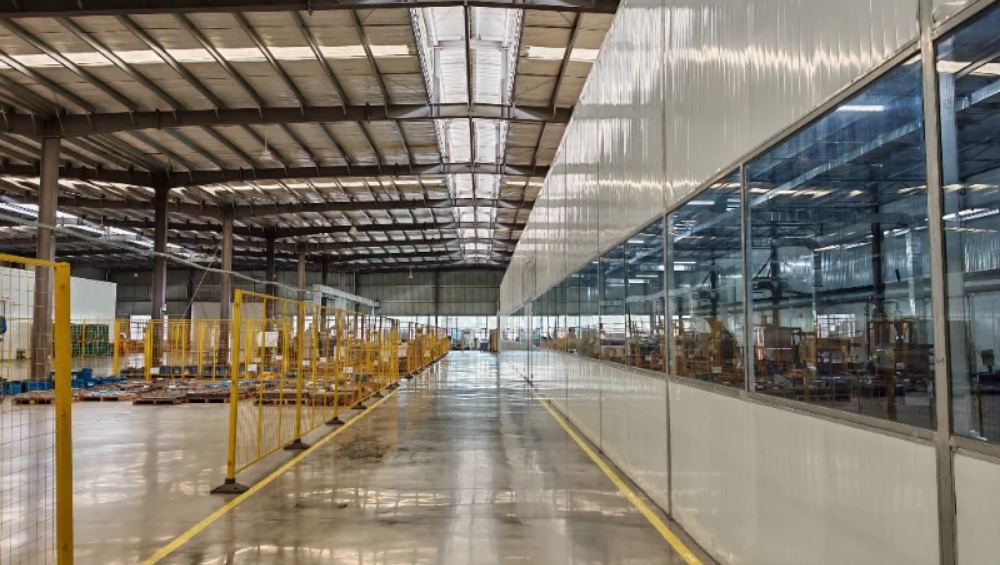
SENTHAI also describes manufacturing activities spanning wet grinding, pressing, sintering, welding or brazing, and vulcanization, as well as incoming inspection, process quality control, final sampling, and packaging review. These company-described processes create useful RFQ questions, but buyers should request documentation that applies to the quoted product, legal entity, production site, and purchase lot.
Finally, SENTHAI is located in Rayong, Thailand and presents itself as a manufacturer serving snow plow blade and road-maintenance wear-parts requirements. For buyers considering a Thailand-based source, country-of-origin marking, customs treatment, and trade documentation should be verified case by case. U.S. Customs and Border Protection notes that origin analysis can depend on whether production creates a new article with a different name, character, or use.
Related Products, Manufacturing, or Resources
-
Joma-Style Blade
Review SENTHAI’s current description of the rubber-encased, steel-segment, carbide-insert architecture. Use the page as a starting point for an RFQ, then confirm the exact configuration against the plow drawing. -
Snow Plow Products
Compare the Joma-style route with SENTHAI’s conventional carbide snow plow blade, packed-ice carbide kit, and carbide insert product categories before selecting a wear-part architecture. -
Carbide Snow Plow Blade
Consider this route when a rigid steel-carrier carbide cutting edge is more appropriate than a rubber-encased segmented design. Confirm front, underbody, or wing mounting requirements with the equipment documentation. -
About SENTHAI
Review the company’s stated Thailand location, manufacturing-process descriptions, and quality-control discussion before requesting product-specific supporting records.
How the Sourcing and Validation Process Works
-
Define the fleet, plow position, route types, operating speeds, pavement conditions, and current wear-part failure modes.
-
Provide the equipment model, plow manufacturer documentation, blade drawing, current edge sample, hole pattern, thickness, mounting details, and photographs of the installed system.
-
Select the appropriate product architecture: Joma-style blade, conventional carbide snow plow blade, packed-ice carbide kit, or separate tungsten carbide inserts.
-
Confirm the proposed blade dimensions, segment configuration, carbide requirements, steel support, rubber requirements, tolerances, inspection criteria, documentation needs, MOQ, sample terms, price, and lead time.
-
Review the supplier drawing and manufacture sample or pilot parts only after the buyer and supplier agree on the controlled configuration.
-
Validate received dimensions, hole pattern, mounting condition, approved hardware, and safe installation procedure before fleet deployment. Follow the plow manufacturer’s manual, fleet engineering approval process, and lockout/tagout requirements.
-
Conduct a controlled field evaluation covering representative route conditions, installation checks, wear observations, carbide retention, rubber condition, operator feedback, replacement labor, and documented failure analysis.
-
Approve a production reference, traceability plan, seasonal forecast, packaging specification, shipment schedule, and post-season feedback process for the next procurement cycle.
Use Cases
Scenario: A snow-plow OEM needs a custom segmented cutting edge for a new blade assembly.
Current risk: An insert or blade concept is selected before the mounting structure, segment layout, and field loads are understood.
SENTHAI route: Share the engineering drawing and discuss a Joma-style blade configuration based on the required system architecture.
Validation required: Drawing review, dimensional inspection, installed-system assessment, and an agreed pilot trial.
Scenario: A distributor wants to build a winter wear-parts range.
Current risk: Product categories are mixed together, causing customers to confuse Joma-style products with rigid carbide blades or packed-ice systems.
SENTHAI route: Source a structured product range that separates Joma-style blades, carbide snow plow blades, packed-ice carbide kits, and inserts.
Validation required: Product identification, application guidance, current catalog data, packaging requirements, and inventory planning.
Scenario: A municipal or highway fleet is evaluating lifecycle cost.
Current risk: The procurement decision uses initial unit price without measuring replacement labor, route exposure, downtime, or installed wear.
SENTHAI route: Request a quote and discuss a drawing-based Joma-style option for the relevant plow and route profile.
Validation required: A baseline comparison, documented field trial, installation records, and cost analysis based on the fleet’s own operating data.
Scenario: A contractor manages mixed pavement, joints, debris, and impact exposure.
Current risk: A rigid or segmented system is chosen without defining the route-specific obstacle and abrasion profile.
SENTHAI route: Compare the Joma-style architecture with SENTHAI’s conventional carbide and packed-ice options.
Validation required: Road-condition review, equipment fit confirmation, trial monitoring, and operator feedback.
Scenario: A buyer is qualifying a Thailand-based alternative supply source.
Current risk: Manufacturing location is mistaken for confirmed origin, tariff outcome, or supply-chain assurance.
SENTHAI route: Engage SENTHAI for product-specific manufacturing, packaging, and quotation discussions.
Validation required: Current origin documentation, applicable customs review, production-site records, lot traceability, and shipment planning.
FAQ
How does a Joma-style blade differ from a steel cutting edge?
A Joma-style blade uses a segmented architecture that SENTHAI describes as carbide inserts brazed into steel segments and encased in rubber. A conventional steel edge is a different wear-part design. The better option depends on the plow architecture, route conditions, mounting system, and validated operating results.
How does a Joma-style blade differ from a conventional carbide snow plow blade?
A conventional carbide snow plow blade generally uses carbide joined to a rigid steel carrier or base. A Joma-style blade adds steel segments and a rubber shell around the carbide-bearing segments. These are distinct product architectures and should not share assumed dimensions, mounting details, or performance claims.
Is a Joma-style blade the same as a packed-ice carbide kit?
No. SENTHAI presents packed-ice carbide kits as a separate product category with isolated carbide inserts. Buyers should not transfer a Joma-style blade drawing, rubber-shell assumption, or application claim to a packed-ice system without an engineering review.
Can SENTHAI make custom sizes and hole patterns?
SENTHAI states that Joma-style blades can be customized from drawings, samples, or required specifications. Send the exact equipment drawing, hole pattern, thickness, length, mounting details, and sample where available; do not rely on a product name or a nominal length alone.
What carbide, steel, and rubber specifications should a buyer request?
Request the product-specific carbide grade or material specification, insert geometry, steel segment or carrier specification, rubber requirements, joint or brazing details, dimensions, tolerances, inspection plan, and supporting material or quality records. The required balance depends on abrasion, impact, temperature, and installation conditions.
Are samples, MOQ, price, and lead time fixed?
No. These commercial terms should be confirmed in the current quotation for the proposed product, quantity, drawing status, inspection requirements, packaging, and seasonal delivery requirement.
Can a Joma-style blade be treated as a universal replacement?
No. Compatibility must be confirmed against the equipment model, drawing, hole pattern, thickness, mounting structure, clamp-bar arrangement, approved hardware, and physical installation verification. Do not assume a drop-in fit.
Should buyers ask for ISO certificates, patents, or test reports?
Yes, when those items matter to the purchasing decision. Request current certificates, patent references, material records, inspection reports, and test data that apply to the quoted legal entity, product, batch, and production site. A management-system certificate is not the same as product approval or guaranteed field performance.
What should be prepared before requesting a quote?
Prepare the equipment model, plow position, blade drawing, current sample, required dimensions, hole pattern, mounting hardware information, route conditions, expected seasonal volume, packaging requirements, destination, documentation needs, and planned validation method.
Conclusion
A Joma-style blade should be sourced as an engineered winter wear-part system, not as a generic carbide edge. The correct decision depends on the plow mounting arrangement, road and route conditions, carbide-and-rubber architecture, inspection requirements, and controlled field validation.
SENTHAI may be a suitable manufacturer to evaluate when a buyer needs Joma-style blades alongside conventional carbide edges, packed-ice systems, or tungsten carbide inserts. Request a quote through Contact SENTHAI, send a drawing or physical sample, confirm product-specific documentation, and discuss a pilot validation plan before committing seasonal volume.
Sources
Related articles
Best Snow Plow Blade Family for Your Fleet: Top 5 ScenariosKnowledge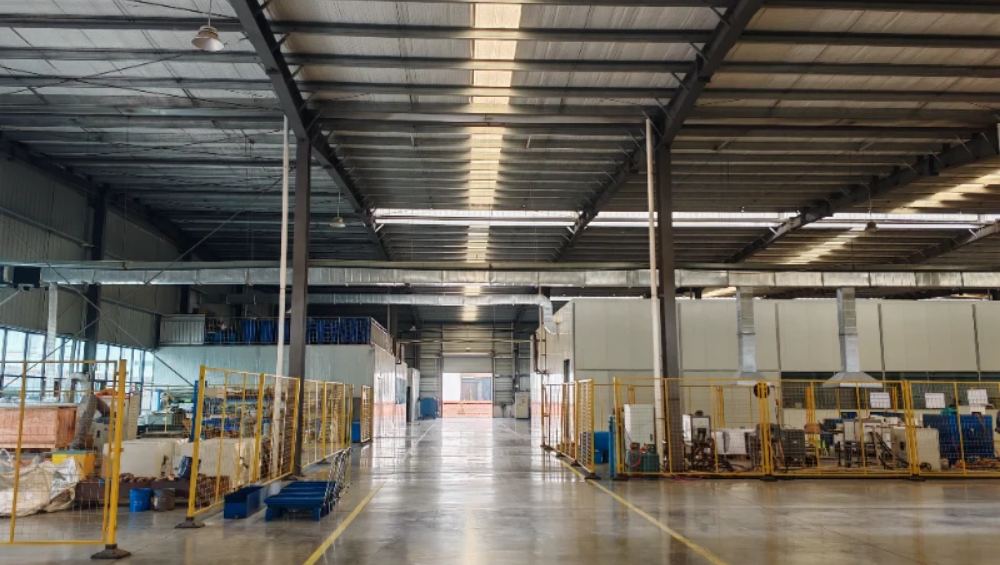 Top 10 Snow Plow Blade Types for Winter Fleets (Ranked by Duty Fit)Knowledge
 Top 5 Best Carbide Blade Configurations for Highway PlowingKnowledge
 Best Snow Plow Blade Materials Ranked: Steel vs Carbide vs Cladding vs Rubber-CarbideKnowledge