




What Are Replacement Carbide Studs for Ice Tires?
Replacement carbide studs for ice tires are tungsten carbide–tipped inserts that restore aggressive bite into ice layers when original studs wear out — they grip ice and snow far better than rubber studs and…
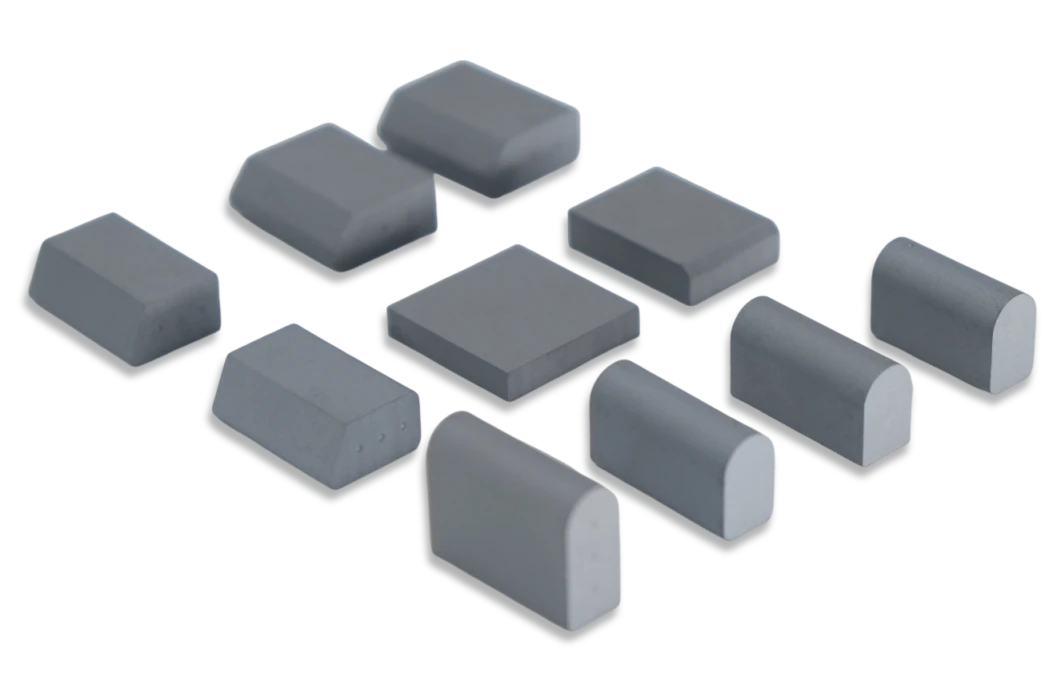
Replacement carbide studs for ice tires are tungsten carbide–tipped inserts that restore aggressive bite into ice layers when original studs wear out — they grip ice and snow far better than rubber studs and last much longer. For cars, trucks, and ATVs, the right stud restores winter traction and safety.
(Last modified date: September 2, 2026)
Quick definition: Ice tires use specialized treads and materials to handle frozen surfaces.
Key Takeaways
- Carbide studs consist of tungsten carbide tips bonded to steel bases for repeated ice impact.
- Studded tire sales rose 15% in North America in 2025, driven by increased snowfall.
- Heavy-duty truck studs last over 10,000 miles; passenger studs suit black ice routes.
- Clean, correct installation and maintenance determine stud life and retention.
Ice Tire Traction Basics
Ice tires use specialized treads and materials to handle frozen surfaces. Replacement carbide studs replace worn originals, restoring aggressive bite into ice layers. Standard winter tires lack this penetration, making carbide studs essential for extreme conditions. Carbide studs differ from rubber studs by offering superior longevity and sharpness — tungsten carbide tips bonded to steel bases, designed for repeated ice impacts. See 21 years of carbide expertise for the material background.
Market Trends in Carbide Studs
Global demand for replacement carbide studs surges in regions with harsh winters. According to Statista data from 2025, studded tire sales rose 15% in North America due to increased snowfall. European markets favor eco-friendly carbide options, and trends show a shift toward recyclable carbide alloys. Asian manufacturers dominate production, supplying affordable yet high-quality studs. See how blade tilt affects effective carbide thickness.
Top Replacement Carbide Studs
| Product | Key Advantages | Use Cases |
|---|---|---|
| Tungsten carbide ice studs | Sharp penetration, rust-proof steel base | Passenger cars, SUVs on black ice |
| Heavy-duty truck studs | High impact resistance, 10,000+ mile life | Commercial trucks, highway plowing |
| ATV ice tire studs | Lightweight, flexible mounting | Off-road, quads, snowmobiles |
| Universal carbide inserts | Versatile fit, cost-effective packs | Budget upgrades for daily drivers |
Competitor Comparison Matrix
| Feature | Standard Steel Studs | Tungsten Carbide Studs | Rubber Studs |
|---|---|---|---|
| Ice grip strength | Moderate | Excellent | Poor |
| Longevity | Short | Longest | Short |
| Road wear | High | Controlled | Low |
Core Technology Behind Carbide Studs
Tungsten carbide’s hardness (88–92 HRA) lets studs penetrate ice while resisting abrasion. Micro-grain grades balance hardness with impact toughness, and the steel base provides retention in the tire. Vacuum sintering and controlled brazing keep the tip bonded through cold-weather impacts. See low-vibration rubber-mounted systems.
Installation Guide for Ice Studs
- Select the stud size matching your tire’s stud holes.
- Clean and dry the holes; remove old stud remnants.
- Insert the stud and seat with the correct tool and depth.
- Verify stud protrusion per tire spec.
- Run a short break-in and re-check retention.
Real User Cases and ROI
Drivers on black-ice routes report noticeably shorter stopping distances with fresh carbide studs. Commercial fleets using heavy-duty studs reduce mid-winter replacement frequency, cutting downtime and labor. See what tools you need for field blade work.
Maintenance Tips for Longevity
- Inspect stud protrusion monthly during the season.
- Replace missing studs promptly to keep traction balanced.
- Remove tires for storage off-season to reduce corrosion.
- Check local stud regulations — some regions restrict studded tires.
FAQs
How long do carbide studs last?
Passenger studs typically last a season or more; heavy-duty truck studs exceed 10,000 miles depending on use.
Can I install studs myself?
Yes, with the right stud tool and depth spec — but professional installation ensures even protrusion and retention.
Are carbide studs legal everywhere?
No — studded tires are restricted in some states and provinces; check local regulations.
Do carbide studs damage roads?
Studs increase road wear; retractable and temperature-adaptive designs reduce it, and compliance rules limit seasons.
Related Articles
- Carbide Expertise for Wear Parts
- Blade Tilt and Carbide Thickness
- Low-Vibration Rubber-Mounted Systems
- JOMA Blade Field Tool Kit
Official Resources
References
- Statista data on studded tire sales in North America, 2025.
- SENTHAI carbide stud product documentation, 2026.
Related articles
 Best Snow Plow Blade Family for Your Fleet: Top 5 ScenariosKnowledge
 Top 10 Snow Plow Blade Types for Winter Fleets (Ranked by Duty Fit)Knowledge
 Top 5 Best Carbide Blade Configurations for Highway PlowingKnowledge
 Best Snow Plow Blade Materials Ranked: Steel vs Carbide vs Cladding vs Rubber-CarbideKnowledge