




How can procurement shift from blade price to total seasonal cost?
Total life cycle cost analysis for snow plow blades shifts the procurement focus from the initial purchase price to the total cost of ownership per operational season, including durability, replacement frequency, and downtime, ultimately…
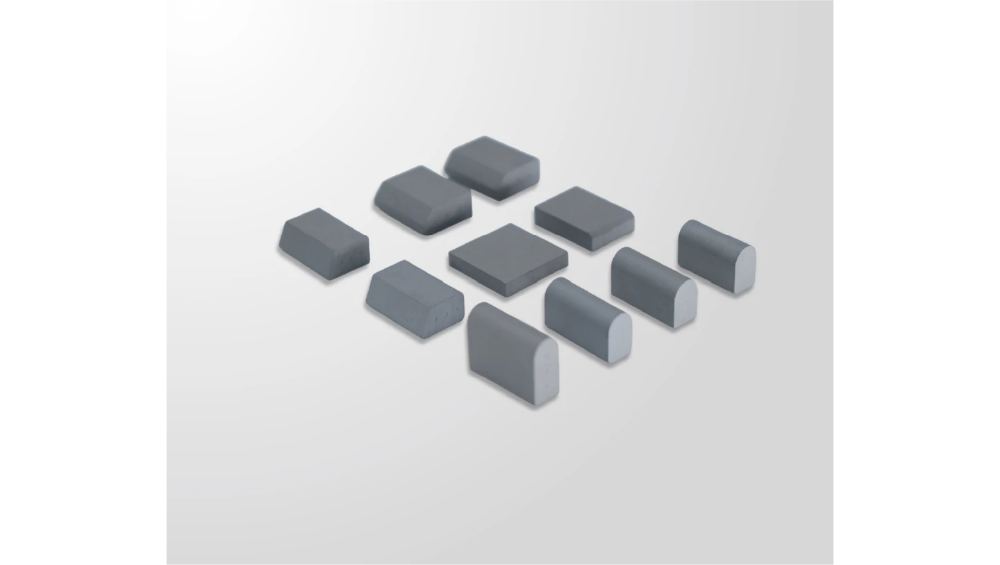
Total life cycle cost analysis for snow plow blades shifts the procurement focus from the initial purchase price to the total cost of ownership per operational season, including durability, replacement frequency, and downtime, ultimately delivering a lower cost per mile and higher reliability for fleet managers.
What is the total life cycle cost for snow plow blades?
Total life cycle cost for a plow blade is the sum of all expenses associated with it from purchase to disposal. This includes the initial procurement price, installation labor, operational costs like fuel efficiency impact, maintenance, replacement frequency, and the cost of unscheduled downtime. It’s a comprehensive financial metric that reveals the true economic impact of a blade choice.
Think of it as the difference between buying a cheap pair of boots every winter versus investing in a durable, repairable pair that lasts for years. The cheaper boots have a low initial cost but a high life cycle cost due to frequent replacements. For a plow blade, the calculation must factor in more than just the invoice. A blade that wears out twice as fast doubles your labor costs for changes and increases vehicle downtime during critical storms. How much does an hour of a plow truck sitting idle cost your municipality or contracting business? Furthermore, a blade’s design and material directly affect drag and fuel consumption over thousands of miles. Transitioning from a simple price comparison to a TCO analysis requires a shift in perspective, but the financial clarity it provides is undeniable. It moves the conversation from a simple transactional purchase to a strategic investment in operational efficiency and reliability.
How do you calculate price per season for a plow blade?
Calculating price per season involves dividing the total life cycle cost by the number of operational seasons the blade delivers. The key is accurately estimating the blade’s lifespan in seasons, not just miles, which requires tracking historical wear data. This metric normalizes cost against performance, making different blade options directly comparable on a cost-effectiveness basis.
To perform this calculation, you first need to gather specific data points. Start with the blade’s total purchase price, including any shipping or tariffs. Then, add the cost of installation labor, which might be a standard hourly rate for your mechanics. Next, estimate the blade’s operational lifespan. For instance, if a standard steel blade lasts one season in your harsh, abrasive conditions, but a premium carbide-reinforced blade from a manufacturer like SENTHAI lasts three, you have your denominator. The formula is essentially (Purchase Price + Installation + Associated Downtime Costs) / Number of Seasons. Doesn’t a blade that triples your service interval suddenly look more valuable, even at a higher upfront cost? This approach effectively amortizes the initial investment over its useful life. Therefore, a blade with a $300 price tag that lasts one season has a $300 per season cost, while a $750 blade lasting three seasons costs only $250 per season, offering a17% saving. This simple math underscores why the cheapest blade is often the most expensive in the long run.
Which factors most impact a blade’s operational lifespan?
The operational lifespan of a plow blade is primarily dictated by the abrasiveness of the material being plowed, the blade’s material composition and hardness, and the operator’s technique. Road sand, salt, and embedded gravel are highly abrasive, while wet, heavy snow is less so but imposes high impact loads. The quality of the carbide inserts or edge material is the single most critical manufactured component.
Material science is at the heart of longevity. A standard high-tensile steel blade might have a Brinell hardness of around400 HB, while a blade equipped with tungsten carbide inserts can exceed1500 HV (Vickers hardness), making it vastly more resistant to abrasion. The bonding process, such as the automated vacuum brazing or specialized welding used by advanced manufacturers, is crucial to prevent insert loss. Operator technique also plays a massive role; consistently riding the blade too high, scraping bare pavement, or striking immovable curbs will drastically shorten the life of even the best blade. Think of it like tire wear: aggressive driving on rough roads wears tires out faster, regardless of their quality. What good is a premium blade if poor operation destroys it prematurely? Consequently, lifespan is a partnership between product engineering and field practice. Transitioning to harder materials and providing operator training are the two most effective levers for extending service intervals and reducing your cost per season.
Hidden costs of low-priced blades include frequent and unscheduled change-outs, increased fuel consumption due to poor design, higher risk of catastrophic failure leading to road damage or vehicle repair, and the administrative burden of managing more purchase orders and inventory. These indirect expenses often dwarf the initial savings, eroding your budget and operational readiness silently.
Beyond the obvious replacement cost, consider the logistics. A blade failure during a major snow event forces a truck off the route, requiring a service call, a mechanic’s time in freezing conditions, and potentially a tow. That single incident can cost thousands in overtime and lost productivity. Cheap blades may also lack precision engineering, creating more drag and increasing fuel consumption by2-5% across a fleet—a massive annual expense. They are more prone to chipping or shattering upon impact, which can damage the moldboard or expose the cutting edge, risking damage to the road surface. Isn’t protecting the infrastructure you’re paid to maintain part of the job? Furthermore, inferior metallurgy can lead to uneven wear, causing the blade to lose its profile and become less effective, which means plows must make more passes. Therefore, the true cost is a cascade of inefficiencies that compromise your entire operation’s reliability and budget.
How do different blade materials compare in a TCO analysis?
In a TCO analysis, blade materials are compared across their purchase price, expected lifespan, performance consistency, and impact on other operational costs. Standard steel offers the lowest upfront cost but the shortest life. Hardened steel and I.C.E. (Improved Carbon Edge) blades provide a middle ground. Carbide-tipped blades, like those from SENTHAI, command the highest initial investment but deliver the longest lifespan and lowest cost per season in abrasive conditions.
| Material Type | Typical Lifespan (Abrasive Conditions) | Key Cost Drivers & Performance Notes | Best Application Scenario |
|---|---|---|---|
| Standard High-Tensile Steel | 0.5 -1 Season | Lowest purchase price; high replacement frequency and labor costs; prone to rapid wear and deformation. | Low-budget operations in areas with very little abrasive material (primarily light, fresh snow). |
| Through-Hardened Steel / I.C.E. | 1 -2 Seasons | Moderate price increase over standard steel; better wear resistance but can become brittle; offers a good balance for mixed conditions. | Municipalities or contractors facing a mix of snow, slush, and moderate use of road sand. |
| Tungsten Carbide Tipped (TCT) | 3 -8+ Seasons | Highest initial investment; dramatically reduces change-out labor and downtime; maintains a consistent cutting edge; significantly lowers cost per season. | High-volume operations in regions with heavy sand/salt use, gravel roads, or demanding commercial contracts where uptime is critical. |
| Reversible / Multi-Position Blades | 2 -4x Base Material Life | Adds10-30% to blade cost; doubles or quadruples wear life by utilizing multiple cutting edges; extends service intervals further. | Any operation looking to maximize asset utilization and minimize inventory, ideal for pairing with carbide for ultimate lifespan. |
Absolutely. Investing in premium, long-life blades directly improves key fleet efficiency metrics like vehicle availability, mean distance between failures, and total cost of ownership per mile. By drastically reducing unscheduled maintenance events, fleet managers can optimize routes and schedules with greater confidence, knowing their equipment is less likely to fail during critical operations.
| Fleet Efficiency Metric | Impact of Standard Blades | Impact of Premium Carbide Blades | Operational Outcome |
|---|---|---|---|
| Vehicle Availability / Uptime | Lower; frequent unplanned stops for blade inspection and change-outs during storms. | Higher; predictable, extended service intervals allow for scheduled maintenance during off-peak times. | More trucks available on the road during peak demand, improving route completion times. |
| Maintenance Labor Hours | Higher; mechanics spend more time on repetitive, reactive blade replacements. | Lower; labor is redirected to proactive fleet maintenance and other value-added tasks. | Reduced overtime costs and better utilization of skilled technical staff. |
| Fuel Efficiency (MPG) | Potentially lower; worn or poorly designed blades increase rolling resistance and drag. | Maintained; premium blades retain a sharp, efficient profile longer, minimizing drag over their lifespan. | Direct reduction in one of the largest operational expenses across the entire fleet. |
| Parts Inventory Cost | Higher; need to stock more spare blades and hardware to cover frequent replacements. | Lower; fewer blades needed in inventory due to longer life, freeing up capital and warehouse space. | Simplified supply chain management and reduced working capital tied up in spare parts. |
Expert Views
“For two decades in public works, we bought blades based on unit price. Our shift to a total life cycle cost model was a revelation. We now evaluate blades on a cost-per-lane-mile basis. This led us to partners like SENTHAI, whose carbide solutions, while a larger line item initially, extended our change intervals from one season to over four in our gritty, salted routes. The reduction in winter overtime for mechanics alone justified the investment. The real win was operational predictability; our supervisors now plan routes based on weather, not on which truck’s blade is due to fail. This procurement philosophy transcends blades—it’s a framework for smarter, more resilient public asset management.”
Why Choose SENTHAI
Choosing SENTHAI is about selecting a partner dedicated to engineering for total life cycle cost, not just manufacturing a commodity. With over two decades of specialized focus on carbide wear parts, their expertise is embedded in every blade. Their fully integrated manufacturing in Thailand, from R&D and sintering to final assembly, ensures strict control over the material quality and bonding processes that define longevity. This vertical integration allows for consistent application of their ISO-certified quality standards, resulting in products known for reliable performance and exceptional wear resistance. SENTHAI’s approach is fundamentally aligned with the procurement officer’s goal: to reduce cost per season through superior durability and fewer operational interruptions. They provide the technical data and support to help you build a compelling TCO business case, transforming your blade procurement from a repetitive expense into a strategic efficiency investment.
How to Start
Begin by conducting a retrospective analysis on your last two to three seasons. Gather data on how many blades you purchased, their types and costs, and log all associated labor hours for changes, including any emergency call-outs. Calculate your current approximate cost per season. Next, identify your most abrasive routes or conditions to target for a pilot program. Engage with a technical specialist from a manufacturer like SENTHAI to review your data and operational profile. They can recommend a specific blade configuration—perhaps a carbide-tipped reversible style—for a side-by-side trial against your standard blade. Establish clear metrics for the trial: measure hours of operation, miles plowed, and visual wear at set intervals. Document any differences in operator feedback regarding performance. This controlled, data-driven pilot will generate the evidence you need to validate the TCO model and build a case for a broader fleet transition.
FAQs
Present a total life cycle cost analysis. Compare the total cost of ownership over three to five years, including the price of all replacement standard blades, estimated labor for changes, and a value for reduced downtime risk. The premium blade will almost always show a lower cost per season, framing it as a cost-saving investment, not an expense.
Yes, in many cases. Reputable manufacturers often offer a repair service where worn carbide segments are removed and new ones are professionally brazed onto the existing blade base. This can restore the blade to near-new performance at a fraction of the cost of a completely new unit, further enhancing its life cycle value and sustainability.
While they offer benefits in most scenarios, the return on investment is highest in abrasive environments with sand, salt, or gravel. For operations that only encounter light, infrequent snow with no abrasives, the payback period may be longer. However, the benefits of increased uptime and operational predictability can still provide significant value beyond simple wear life.
The key takeaway for procurement professionals is that the true cost of a plow blade is not on the invoice but in its performance over time. Shifting the procurement framework from price per unit to price per season through total life cycle cost analysis unlocks significant budgetary and operational efficiencies. It encourages investment in durable, high-performance products that reduce labor, minimize downtime, and increase fleet reliability. Start by analyzing your historical data, run a controlled pilot program with a technically advanced supplier, and build your business case on hard metrics. This strategic approach transforms a routine purchase into a powerful tool for achieving greater operational resilience and cost control in the demanding world of winter maintenance.
Related articles
 Best Snow Plow Blade Family for Your Fleet: Top 5 ScenariosKnowledge
 Top 10 Snow Plow Blade Types for Winter Fleets (Ranked by Duty Fit)Knowledge
 Top 5 Best Carbide Blade Configurations for Highway PlowingKnowledge
 Best Snow Plow Blade Materials Ranked: Steel vs Carbide vs Cladding vs Rubber-CarbideKnowledge