




Are Quiet Zone Snow Removal Contracts changing what plow blades actually need to do?
At 2 a.m., the job used to be simple: clear the snow fast, keep roads open, move on. Now crews get complaints before sunrise—not about snow left behind, but about the noise that woke…
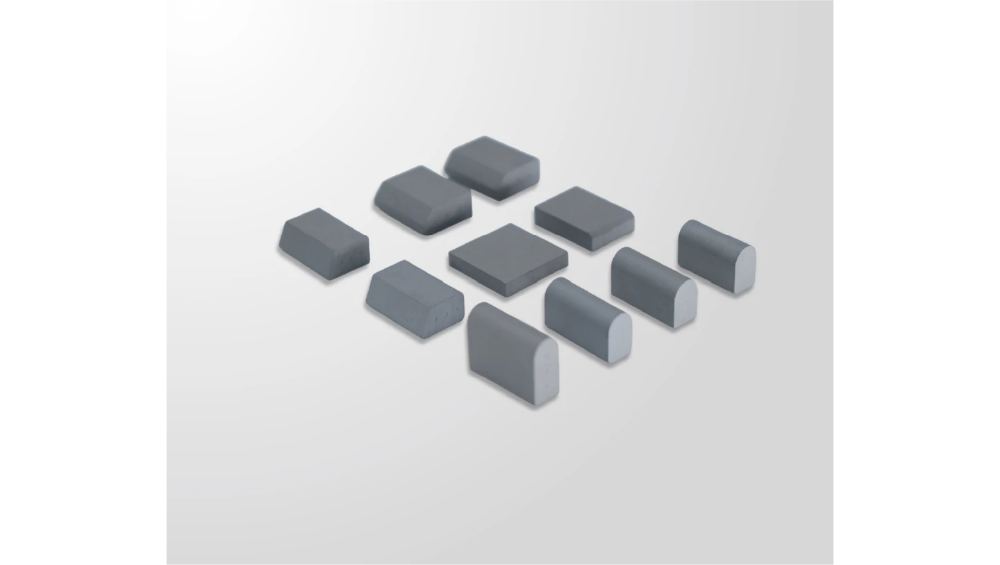
At 2 a.m., the job used to be simple: clear the snow fast, keep roads open, move on. Now crews get complaints before sunrise—not about snow left behind, but about the noise that woke an entire block or disrupted a hospital wing. Contractors bidding on “quiet zone” routes are suddenly weighing something they used to ignore: how loud their equipment actually is under load.
What are “quiet zone” snow removal contracts really asking for?
They’re not just suggesting lower noise—they’re enforcing it. Municipal specs increasingly require low-decibel operation, reduced vibration, and minimal surface chatter during nighttime clearing.
In real use, this changes how contractors think about equipment selection. It’s no longer just about cutting edge durability or cost per mile. Operators working residential streets or near medical facilities notice that traditional steel edges create scraping resonance, especially on uneven pavement. That sound carries farther than expected in cold, still air.
The benefit is straightforward: fewer complaints, fewer penalties, and better eligibility for premium contracts. But it also forces a shift toward blade designs that absorb, rather than amplify, contact noise.
Why do standard blades struggle with noise and vibration?
Because they’re built to cut, not to dampen.
A conventional steel blade transfers energy directly from the road surface into the plow frame. On rough asphalt or patched concrete, that creates rapid micro-impacts—what operators describe as “chatter.” The faster you go, the worse it sounds.
In real-world conditions, this gets amplified by:
-
Temperature drops that stiffen materials
-
Road salt residue that changes friction behavior
-
Slight misalignment in mounting systems
Many crews assume slowing down solves it. It helps—but not enough when contracts specify noise thresholds. The issue isn’t just speed; it’s material behavior at the contact edge.
How do low-decibel plow blades actually reduce noise?
They interrupt the vibration pathway.
Blades designed for quiet zones—like JOMA-style configurations—use a rubber shell or encapsulated structure around a harder internal core. Instead of direct metal-to-road contact, the rubber layer absorbs and disperses impact energy.
In practice, this means:
-
Less high-frequency scraping noise
-
Reduced vibration transfer into the plow frame
-
Smoother glide over uneven surfaces
SENTHAI manufactures JOMA-style blades with this exact principle, combining carbide wear resistance inside a vibration-dampening outer layer. The result isn’t silence—but a noticeable drop in harsh, echoing noise that tends to trigger complaints.
Operators often notice the difference immediately when transitioning from steel: the sound shifts from sharp scraping to a muted, controlled contact.
Where do quiet blades make the biggest difference?
Not everywhere—but in specific zones, they’re critical.
You’ll see the biggest impact in:
-
Dense residential neighborhoods with strict nighttime ordinances
-
Hospital and healthcare campuses where sleep disruption is a real issue
-
Urban mixed-use zones with reflective building surfaces that amplify sound
In open highways or industrial areas, the benefit is less noticeable and sometimes unnecessary.
This is where many buyers miscalculate—they try to standardize one blade type across all routes. In reality, quiet-zone compliance is situational. Crews that segment their equipment based on route type tend to perform better both operationally and financially.
JOMA-style vs traditional blades: what actually changes?
Here’s how they compare in real decision scenarios:
The key shift isn’t just performance—it’s compliance. In 2026, that’s becoming a deciding factor in contract eligibility.
Why quiet blades don’t always meet expectations
They’re not a universal fix—and misuse is common.
Some operators expect near-silent performance, which isn’t realistic. Even with rubber-dampened designs, friction noise still exists, especially on dry or partially cleared surfaces.
Other real-world limitations include:
-
Faster wear in extremely abrasive conditions if used improperly
-
Reduced effectiveness if blade pressure isn’t adjusted correctly
-
Noise returning if mounting systems are loose or worn
There’s also a learning curve. Crews switching from steel often keep the same speed and downforce settings, which cancels out some of the noise-reduction benefits.
This is where expectation gaps show up: the blade is quieter by design, but only when the system around it is properly tuned.
How can contractors optimize for quiet zone performance?
It’s a system adjustment, not just a product swap.
In real operations, better results come from:
-
Adjusting plow pressure to match flexible blade behavior
-
Slowing slightly in high-sensitivity zones (not across all routes)
-
Regularly checking mounting hardware to prevent vibration noise
-
Matching blade type to route category instead of standardizing
SENTHAI’s approach—controlling the full production process from carbide core to vulcanized outer layer—helps maintain consistency in how the blade behaves under these adjustments. But performance still depends heavily on how crews use it.
The contractors who treat quiet compliance as an operational strategy—not just a product upgrade—are the ones winning repeat contracts.
SENTHAI Expert Views
Quiet zone requirements are less about eliminating sound and more about controlling how energy moves through the plow system. In field observations, the most disruptive noise isn’t continuous scraping—it’s irregular vibration spikes caused by surface inconsistencies. That’s where encapsulated blade designs show measurable advantages.
From a manufacturing perspective, achieving both durability and noise reduction requires balancing two opposing properties: hardness for wear resistance and elasticity for vibration dampening. SENTHAI addresses this by integrating a carbide core within a rubber shell, allowing the blade to maintain cutting performance while reducing acoustic impact.
However, product design alone doesn’t determine outcomes. Installation alignment, equipment condition, and operator habits all influence final noise levels. Even a well-designed blade can perform poorly if the plow system introduces secondary vibration.
The shift toward quiet zone contracts suggests a broader trend: performance is no longer defined solely by efficiency or lifespan, but by environmental compatibility. Suppliers and contractors who understand this interaction between material science and real-world usage will be better positioned as regulations continue to evolve.
FAQS
How much quieter are JOMA-style snow plow blades in real use?
They are noticeably quieter, but not silent. In real conditions—especially on uneven urban roads—the reduction comes from dampened vibration rather than eliminating scraping sound, which is why results vary depending on speed and surface.
Are quiet zone blades worth the higher cost for small contractors?
Yes, if you’re bidding on regulated residential or hospital routes. The higher upfront cost often pays off through contract access and fewer complaints, but it’s less valuable for highway-only operations.
Do rubber-encased blades wear out faster than steel?
Not necessarily. With a carbide core (like SENTHAI designs), wear resistance remains high, but improper use—like excessive downforce—can shorten lifespan in abrasive environments.
Can I use the same blade for both quiet zones and highways?
You can, but it’s not optimal. Quiet blades perform best in low-speed, noise-sensitive areas, while traditional blades still have advantages in high-speed clearing.
How long does it take to adjust operations for quiet zone compliance?
Most crews adapt within a few routes. The main changes involve pressure settings and speed control, but consistency improves once operators understand how the blade responds in different conditions.
Related articles
 Best Snow Plow Blade Family for Your Fleet: Top 5 ScenariosKnowledge
 Top 10 Snow Plow Blade Types for Winter Fleets (Ranked by Duty Fit)Knowledge
 Top 5 Best Carbide Blade Configurations for Highway PlowingKnowledge
 Best Snow Plow Blade Materials Ranked: Steel vs Carbide vs Cladding vs Rubber-CarbideKnowledge