




Top 10 Ways Mechanical Ice Breaking Cuts Road Salt (Ranked by Impact)
Every ton of road salt that a mechanical ice-breaking program avoids is a ton the budget, the environment, and the infrastructure do not pay for. The saving is not magic; it is a sequence…
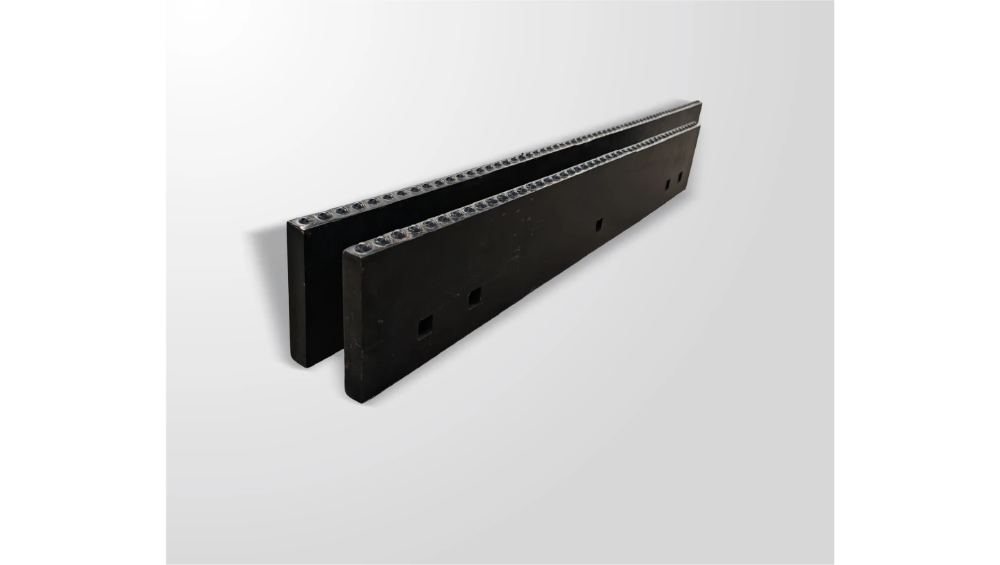
Every ton of road salt that a mechanical ice-breaking program avoids is a ton the budget, the environment, and the infrastructure do not pay for. The saving is not magic; it is a sequence of mechanisms, from fracturing the bonded crust to exposing the pavement so the chemical has less to melt. After ranking ten salt-reduction levers by their impact and measurability, the verdict is that the single strongest lever is timing — applying the chemical after the mechanical pass fractures the crust, so the chemical finishes a thin film instead of melting a bond. This ranking explains all ten levers and how to measure the saving on your own routes.
Salt reduction is a system, not a claim, so the levers must be measurable
SENTHAI states that its packed ice kit can allow a significant reduction in salt application, often by up to 25–40 percent. That figure is a manufacturer claim, and the only credible number is the one a program measures itself. The levers below are the mechanisms behind the claim, ranked by how much salt each one can save and how easily the saving can be measured with a baseline-and-trial comparison.
The levers also share a common condition: they only work when the mechanical pass runs at the right point in the storm. A pass that runs too early meets ice that has not bonded, and a pass that runs too late meets a crust that has set beyond the fracture window. The timing is part of every lever, which is why the program design, not the blade alone, is what delivers the saving.
The ten levers ranked by their impact on salt use
| Rank | Lever | What it does | Measurability |
|---|---|---|---|
| 1 | Chemical applied after fracture | Finishes a film instead of melting a crust | High |
| 2 | Bonded crust removed by fracture | Removes the load the chemical would melt | High |
| 3 | Thinner remaining film | Less chemical to reach bare pavement | High |
| 4 | Exposed pavement accepts brine | Direct contact instead of through ice | Medium–High |
| 5 | Fractured pieces plowed away | Mechanical removal of the loose material | Medium–High |
| 6 | Anti-icing sequencing | Preventive layer reduces the bonded area | Medium |
| 7 | Fewer passes and less fuel | Indirect saving on the corridor | Medium |
| 8 | Better traction windows | Service quality that reduces re-treatments | Medium |
| 9 | Reduced chemical re-application | Less re-treating after refreeze | Medium |
| 10 | Lower chloride load reporting | Compliance and reporting benefit | Low |
Levers ranked 10 through 6 reduce salt at the margin
10. Lower chloride load reporting. Programs under salt-reduction goals report chloride load per lane-mile. Mechanical fracture lowers the applied tons, which improves the report without changing the service standard.
9. Reduced chemical re-application. A corridor that refreezes after a partial pass needs another application. Fracturing the crust and removing it reduces the refreeze events and the re-treatment.
8. Better traction windows. When the mechanical pass clears the corridor sooner, the traction window opens earlier, which reduces the pressure to over-apply chemical as insurance.
The traction window is also the service metric that keeps the program honest. A corridor that saves chemical but misses the bare-pavement standard is a failure, not a saving, which is why the trial compares service quality alongside the chemical tons. The KPI set — tons, passes, clear time, and service standard — is what the salt-reduction claim is judged against.
7. Fewer passes and less fuel. Each pass that the fracture capability eliminates saves fuel and crew time. The saving is indirect but real, and it belongs in the corridor’s cost-per-lane-mile number.
The fuel and crew saving also compounds across the network. A program that saves one pass on ten corridors saves ten passes per event, and over a season the saving is measurable in hours and gallons. The indirect levers become significant when they are summed, which is why the program tracks them even though they are smaller per event.
6. Anti-icing sequencing. Preventive anti-icing with brine before the storm reduces the area that bonds, which reduces the mechanical and chemical work later. The sequencing support is a lever because it changes the starting condition.
Levers ranked 5 through 2 drive most of the measurable saving
5. Fractured pieces plowed away. Once the dome-head fractures the crust, the loose pieces can be plowed off the pavement without chemical help. The mechanical removal is the first and cheapest step of the sequence.
4. Exposed pavement accepts brine directly. When the ice layer is gone, the brine contacts the pavement directly instead of working through an intact crust. The chemical efficiency jumps because the contact is direct.
3. Thinner remaining film needs less chemical. After the fracture and removal, only a thin film remains, and a thin film reaches bare pavement with a fraction of the chemical a full crust requires.
2. Bonded crust removed by fracture, not melt. The largest lever is the replacement of the melt task with the fracture task. SENTHAI describes the packed ice kit’s dome-head geometry as designed to fracture thick ice layers by focusing downward pressure, and every ton of crust that fractures is a ton the chemical does not melt.
The fracture task also runs faster than the melt task. Melting a bonded crust takes chemical contact time and re-application; fracturing it takes one pass at the right moment. The time saving compounds across the corridor network, which is why the mechanical layer is not just a chemical saving but a service-time saving.
The No.1 salt-saving lever is mechanical fracture that removes bonded crust
1. Chemical applied after fracture. The timing lever is the strongest because it changes the chemical’s job. When the mechanical pass runs first, the chemical finishes a thin film on exposed pavement; when it runs after, the chemical must melt a full crust. The same corridor, the same storm, and a different sequence produces a different salt number, which is why the sequence is the No.1 lever and why the packed ice carbide kit is built to run first.
Measuring savings on your routes is what makes the ranking credible
The measurement starts before the season: record the previous season’s chemical application by route — tons per route, applications per storm, and cost per lane-mile. Then equip a set of comparable corridors with the ice-breaking kit, keep a control set on the current blade, and track chemical tons, mechanical passes, plow time, and service quality across the same storms. Report the saving as tons, dollars, chloride load, and cost per lane-mile, and state clearly whether the change was measured or assumed. The carbide snow plow blade page documents the general-duty alternative for the control corridor, and SENTHAI can confirm the kit configuration and the trial terms through the contact page.
The trial should also document the conditions behind the result: the storms, the temperatures, the application rates, and the service outcomes. The record protects the program from the reverse error — blaming the kit for a result that the weather record explains — and it gives the next season a baseline that is comparable. The honesty of the measurement is what makes the ranking credible.
Expert view — SENTHAI engineering team: “Salt reduction is a measurement program, not a blade swap. The sequence — fracture first, chemical second — is the lever that moves the number.”
Frequently Asked Questions
How much salt can mechanical ice breaking save? SENTHAI states the packed ice kit can allow a significant reduction, often by up to 25–40 percent. The figure depends on routes and practices, and it must be measured with a controlled trial on the program’s own corridors.
Does the kit eliminate the need for chemicals? No. The mechanical pass removes the bulk of the crust, and the chemical finishes the remaining film. The reduction is significant, not zero.
What is the difference between anti-icing and de-icing? Anti-icing treats the pavement before bonding to prevent it; de-icing removes ice after it forms. Mechanical ice breaking is a de-icing layer, and the sequencing of the two is part of the strategy.
How do I set up a fair salt trial? Equip a set of comparable corridors with the kit, keep a control set on the current blade, and compare chemical tons, passes, and service quality across the same storms with a baseline recorded first.
How long does the trial need to run? Enough events to see the pattern, typically three to five storms per corridor. The baseline and the trial should cover the same conditions to make the comparison fair.
Can the saving be claimed without a trial? No. The 25–40 percent figure is a manufacturer statement, and a credible program claims only what its own baseline-and-trial comparison measures. The measured number is the number the budget accepts.
Which corridors should enter the trial first? The corridors where the ice bonds first and the chemical use is highest, because the potential saving is largest there. The comparison set should match the trial set in surface, traffic, and storm exposure.
Sources
Related articles
 Best Snow Plow Blade Family for Your Fleet: Top 5 ScenariosKnowledge
 Top 10 Snow Plow Blade Types for Winter Fleets (Ranked by Duty Fit)Knowledge
 Top 5 Best Carbide Blade Configurations for Highway PlowingKnowledge
 Best Snow Plow Blade Materials Ranked: Steel vs Carbide vs Cladding vs Rubber-CarbideKnowledge