




Ice Resurfacer Edges vs. Road Plow Blades: Two Different Wear Worlds
Ice and asphalt ask different things. The ice resurfacer edge shaves a sheet of ice to a mirror finish, working on a soft, cold surface at controlled speeds. The road plow blade scrapes asphalt,…
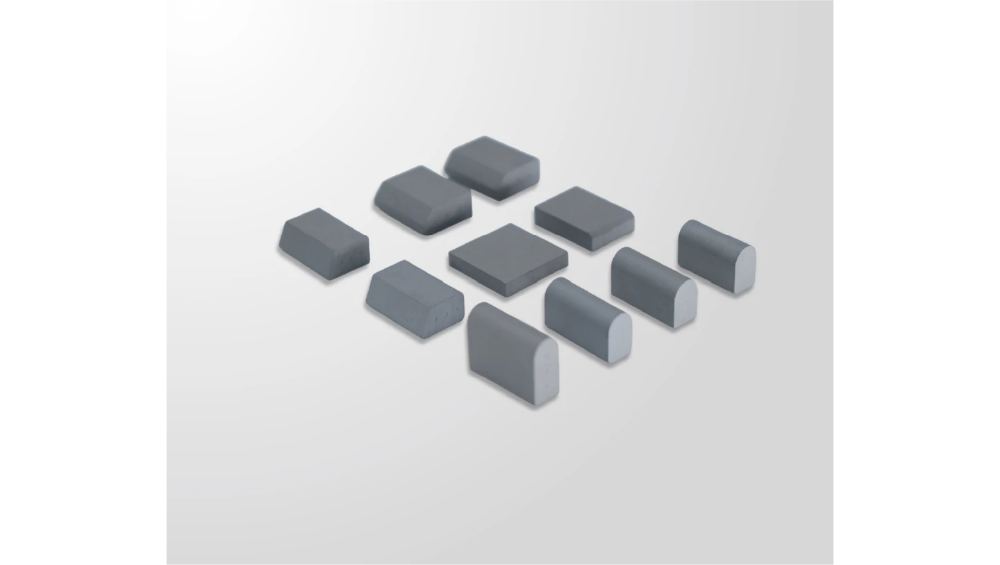
Ice and asphalt ask different things. The ice resurfacer edge shaves a sheet of ice to a mirror finish, working on a soft, cold surface at controlled speeds. The road plow blade scrapes asphalt, gravel, and frozen debris at plowing speeds. The two are both “cutting edges,” and they share almost nothing else.
This article compares the two wear worlds: what resurfacer edges need, what road plow edges need, where the technologies overlap, and how to source both from one manufacturer.
Ice and asphalt ask different things
The comparison starts with the surfaces:
| Dimension | Resurfacer edge | Road plow edge |
|---|---|---|
| Surface | A sheet of ice, shaved to a controlled depth | Asphalt, gravel, and frozen debris |
| Speed | Slow, controlled, and precise | Fast, varied, and demanding |
| Product | A glassy finish | The removal itself |
| Role | A precision finishing tool | A wear part that survives abrasion and impact |
The differences are the reason the two edges are not interchangeable. The resurfacer blade is a finishing tool; the road blade is a wear tool, and the specifications follow the different jobs.
The differences also explain the sourcing trap: a buyer who applies the road-blade logic to the resurfacer edge, or vice versa, orders the wrong product. The specification has to name the application clearly, and the manufacturer has to confirm it.
The same clarity protects the warranty and the performance: a resurfacer edge specified as a wear part, or a road blade specified as a finishing tool, fails the application’s test, and the record of the specification is the protection.
Can a road blade be used on a resurfacer? No. The road blade is a wear part for abrasion and impact, and the resurfacer needs a precision finishing edge. The applications are not interchangeable.
What do resurfacer edges need?
The resurfacer edge is a precision tool:
- A sharp, straight edge: the shave leaves the finish, and the edge quality is the product;
- Consistent material: the edge wears evenly, so the shave stays level;
- Controlled hardness: the edge cuts the ice without gouging the surface;
- Frequent replacement: the resurfacer edge is replaced often, because the finish depends on the edge;
- Precision mounting: the alignment and the setting decide the shave depth.
The resurfacer world is about the finish, not the wear life, and the edge is managed as a consumable precision tool.
What road plow edges need
The road edge is a wear part:
- Wear resistance: the carbide holds its profile through the abrasive contact;
- Impact toughness: the blade survives the manholes, the curbs, and the debris;
- Long life: the changeout interval is the cost driver, and the life is the value;
- Surface protection: the flexible options protect the markings and the pavement;
- Seasonal volume: the blade works thousands of miles a season.
The road world is about the life and the cost, and the edge is managed as a wear part with a replacement plan. SENTHAI’s carbide snow plow blade page documents the road-edge construction and the wear-part specification in detail.
Where do the technologies overlap?
The overlap is the material family:
- Tungsten carbide: both worlds use carbide for its hardness and its edge retention;
- Manufacturing quality: both depend on the material control, the sintering, and the precision;
- Brazing and bonding: both can use the brazed construction for the edge;
- Inspection discipline: both benefit from the measurement and the records;
- Sourcing quality: both are only as good as the manufacturer’s process control.
SENTHAI’s carbide inserts page covers the carbide component that both worlds share, and the manufacturing quality is the common foundation.
Sourcing both from one manufacturer
The sourcing advantage is the shared foundation:
- One manufacturer that controls the carbide and the process for both product lines;
- One quality system, with the records and the consistency applied to both;
- One engineering conversation that understands the wear part and the finish tool;
- One supplier file for both product families;
- The documentation and the delivery terms confirmed per product.
The carbide insert range and the contact page are the references for the sourcing conversation, and the manufacturer’s engineering team can confirm the configuration for each product family.
Talk to a wear-parts specialist
The sourcing conversation starts with the specialist: a manufacturer that understands the carbide family, the manufacturing process, and the different applications. Send the resurfacer and the road requirements through the SENTHAI inquiry form and ask for the configurations and the documentation.
The two wear worlds share the material and the quality foundation, and the specialist is the one who supplies both with the right specification. The ice and the asphalt ask different things, and the specialist answers both.
The sourcing conversation should also cover the documentation: the material records and the quality data that apply to both product families, confirmed per product and per order. The one quality system is the specialist’s assurance.
The same assurance extends to the delivery: the resurfacer and the road edges, ordered through one supplier, arrive with the same documentation discipline, and the receiving team checks both against the same standard.
The receiving check for the two products differs at the points: the resurfacer edge is verified on the straightness and the finish condition, and the road edge on the dimensions and the wear components. The receiving plan follows the product.
The same plan feeds the maintenance: the resurfacer edge’s frequent replacement and the road edge’s seasonal changeouts are planned from the receiving records and the field data.
The planning, per product, is the sourcing and the maintenance integration, and the integration is the one-supplier advantage.
The integration should also be reviewed: the resurfacer edge’s replacement frequency and the road edge’s changeouts, compared with the forecasts, are the integration’s performance. The review is the sourcing program’s control.
The same control feeds the next order: the resurfacer and the road volumes, planned from the field data, are the order’s basis, and the one supplier confirms both.
The review, run with the data, is the two-world program’s cycle, and the cycle is the sourcing integration’s value.
The value should also be documented in the supplier file: the two product lines, the configurations, the records, and the review, kept together, are the integration’s memory. The file is the sourcing relationship’s continuity.
The continuity, kept current, is the two wear worlds’ management under one quality standard, and the standard is the specialist’s assurance.
The assurance, reviewed each season, is the integration’s proof, and the proof is the sourcing decision’s basis.
The basis, applied to both products, is the wear-parts program’s whole design, and the design is the specialist’s answer to the ice and the asphalt.
The answer should also be verified in the field: the resurfacer edge’s finish and the road edge’s wear, recorded per product, are the integration’s results, and the results are the specialist’s proof.
The proof, reviewed each season, is the two-world program’s continuity, and the continuity is the sourcing integration’s lasting value, measured in the ice rink’s finish and the road’s clearing.
The value, kept in the records, is the two wear worlds’ shared quality, and the quality is the specialist’s final answer.
The answer, confirmed per product, is the sourcing integration’s whole design.
The design is the two worlds’ one quality.
The quality is the specialist’s standard.
The standard is the two products’ common ground.
The common ground is the carbide family’s shared quality, and the quality is the sourcing story’s ending.
What is the sourcing integration’s main benefit? One quality system and one engineering conversation for both product families, with the documentation and the delivery managed to the same standard.
How does the receiving check differ for the two? The resurfacer edge is checked on the straightness and the finish; the road edge on the dimensions, the carbide, and the wear components. The check follows the product.
What is the one thing both edges share? The carbide material and the manufacturing quality. The application differs, but the material foundation and the process control are the shared quality.
Expert view — SENTHAI engineering team: “The finish tool and the wear part share the carbide family and nothing else. Name the application and the spec follows.”
Frequently Asked Questions
Why are the two edges different? The resurfacer edge is a finishing tool that shaves ice to a mirror finish; the road edge is a wear part that survives abrasion and impact. The jobs are different.
What does a resurfacer edge need? A sharp, straight edge, consistent material, controlled hardness, frequent replacement, and precision mounting.
What does a road edge need? Wear resistance, impact toughness, long life, surface protection where needed, and the volume the season demands.
Where do the technologies overlap? In the carbide material, the manufacturing quality, the brazing, the inspection discipline, and the sourcing quality.
Can one manufacturer supply both? Yes. The shared carbide and process foundation means one manufacturer can supply both lines with the right specification and one quality system.
Does SENTHAI supply resurfacer products? SENTHAI’s carbide family and manufacturing quality support the component side; confirm the resurfacer configuration with the engineering team.
What should I send for the sourcing conversation? The resurfacer and the road requirements. The configurations and the documentation follow.
Sources
Related articles
 Best Snow Plow Blade Family for Your Fleet: Top 5 ScenariosKnowledge
 Top 10 Snow Plow Blade Types for Winter Fleets (Ranked by Duty Fit)Knowledge
 Top 5 Best Carbide Blade Configurations for Highway PlowingKnowledge
 Best Snow Plow Blade Materials Ranked: Steel vs Carbide vs Cladding vs Rubber-CarbideKnowledge