




Top 10 Questions to Ask a Carbide Blade Manufacturer
The difference between a carbide blade manufacturer and a trading company shows up in the answers to ten questions. The questions are not about price; they are about traceability, materials, tolerances, bonding, documentation, and…
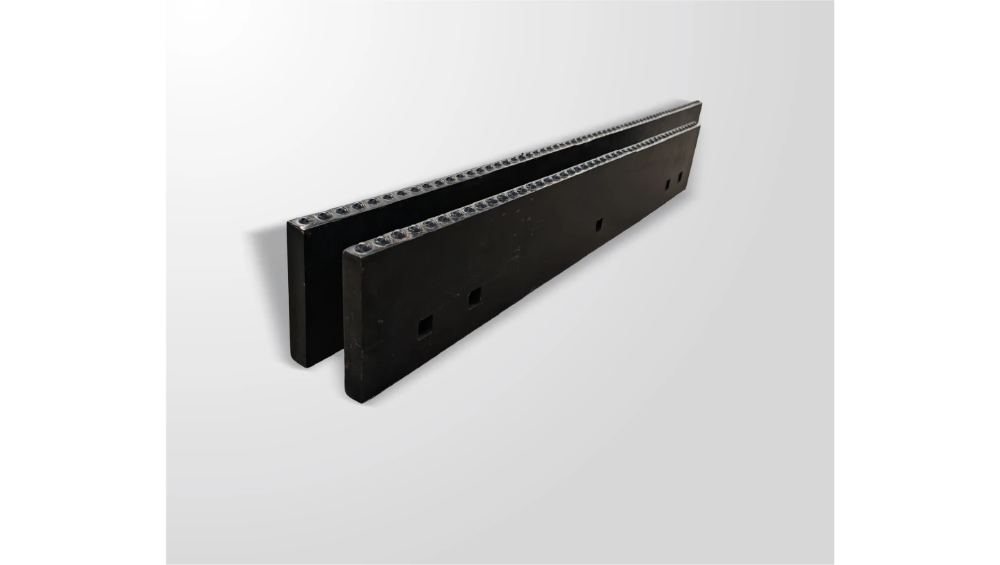
The difference between a carbide blade manufacturer and a trading company shows up in the answers to ten questions. The questions are not about price; they are about traceability, materials, tolerances, bonding, documentation, and the process behind the product. After ranking the ten by the risk they expose, the verdict is that the No.1 question is traceability — because it ties every other claim to a batch that can be verified. This ranking explains each question, why it matters, and how to use the answers in the supplier file.
The right questions separate a manufacturer from a trading company
A trading company can quote a low price without controlling any part of the process; a manufacturer can show the process and the records behind it. The questions below are ranked by the procurement risk they expose, with the process-level questions at the top and the commercial questions at the bottom. The answers, collected in writing, become the supplier file that the next qualification starts from.
The questions also work as a conversation, not an interrogation. The way the supplier answers — with documents, with specific process descriptions, or with general promises — is as informative as the answer itself. A manufacturer answers the traceability question with the batch flow; a trader answers it with a brochure line.
The ten questions ranked by the risk they expose
| Rank | Question | Risk it exposes |
|---|---|---|
| 1 | How is each batch traced from raw material to shipment? | Traceability and claims |
| 2 | What grade and grain structure does the carbide use? | Material consistency |
| 3 | What tolerance can you hold on the inserts and the dimensions? | Fit and assembly |
| 4 | What is the brazing process and how is the bond verified? | Retention and pop-outs |
| 5 | What documentation ships with each order? | Receiving and audit |
| 6 | What inspection plan covers the batch? | Quality control |
| 7 | What is the confirmed lead time and capacity for my volume? | Season planning |
| 8 | What after-sales and claim support do you provide? | Service risk |
| 9 | What are the warranty terms in writing? | Commercial risk |
| 10 | How is the blade packaged and labeled? | Receiving friction |
Questions ranked 10 through 6 confirm the basics
10. Packaging and labeling. The question confirms that the product arrives protected and identifiable. It prevents receiving friction but does not reveal process quality, which is why it ranks last.
9. Warranty terms. The written warranty defines the commercial boundary of the order. SENTHAI’s ordering page states that specifications, quantity, price, payment, and production requirements are reviewed before acceptance and confirmed in written documents, which is the standard the warranty conversation should follow.
8. After-sales and claim support. The question confirms who answers when a batch fails or a field problem appears. The response record, not the promise, is the evidence that belongs in the supplier file.
The claim support answer should also name the process: who to contact, what documentation to send, and how the resolution is decided. SENTHAI’s ordering page states that specifications and production requirements are confirmed in writing before acceptance, which gives the claim conversation a documented starting point.
7. Lead time and capacity. The confirmed lead time for the fleet’s volume decides the order date. SENTHAI states that production timing and delivery are confirmed per order in writing, and the confirmed date is what the procurement calendar is built around.
6. Inspection plan. The plan describes what is checked and when. SENTHAI describes its quality framework as covering incoming material review, process checks, final sampling, and pre-packaging re-check, and the fleet’s receiving check should mirror the plan.
The inspection plan also sets the buyer’s expectations. If the supplier samples a defined percentage at final inspection, the buyer’s receiving check should add the independent layer, and the two plans together close the gap. The plan is the supplier’s half of the quality system, and the receiving check is the buyer’s half.
Questions ranked 5 through 2 probe the process behind the product
5. Documentation package. The certificates, batch records, and inspection reports turn the blade into a verifiable product. SENTHAI states that required reports and certificates are confirmed during quotation, and the documentation list should be part of the order requirements from the start.
4. Brazing process and bond verification. The bond is the interface where blades fail. The question should cover the surface preparation, the brazing temperature control, and the acceptance criteria, because retention is a process feature.
3. Dimensional tolerance. The tolerance decides whether the blade mounts and the inserts seat. SENTHAI states it can hold insert tolerances within ±0.02 mm, and the dimension order and the acceptance window should be confirmed on the drawing.
2. Grade and grain structure. The material decides the wear-toughness balance. SENTHAI describes its inserts as made from 100% virgin micro-grain tungsten carbide with controlled sintering, and the grade and grain are the first things the batch record should confirm.
The No.1 question is traceability, because it ties every claim to a batch
1. How is each batch traced from raw material to shipment? Traceability is the question that makes every other answer verifiable. If the manufacturer can trace the batch from the powder to the finished blade, then the grade claim, the inspection claim, and the warranty claim all have an object. SENTHAI describes its production as fully traceable from powder metallurgy through welding and vulcanization, with every batch carrying the records of what went in, how it was processed, and what was checked. The batch number is the key that opens the whole file.
The traceability answer also defines the receiving check. The batch number on the blade should match the batch number on the records, and the records should name the raw material lots, the process parameters, and the inspection results. The match is the verification, and the fleet that checks it at receiving closes the loop that the question opened.
Using the answers in your supplier file makes the qualification repeatable
The answers become the supplier file: one line per question, the evidence column, and the verification date. The file should be revisited before each season, because suppliers and processes change. The carbide snow plow blade page documents the construction behind the answers, and the quality-control page describes the documentation framework. SENTHAI can answer all ten in writing through the contact page, and the answers become the foundation of the qualification.
The file should also record what was verified and when: the certificate checked, the batch records reviewed, the sample tested, and the audit completed. The verification record is what makes the qualification repeatable, and it is the file the next season and the next buyer start from. A supplier file without verification dates is a collection of claims, not a qualification.
The file should also be shared inside the buyer’s organization. The quality team uses it for the supplier audit, the purchasing team for the renewal, and the maintenance team for the receiving check, and the shared file keeps the three on the same evidence. The qualification is an institutional record, not a personal memory.
The institutional record also survives staff changes, which is the qualification’s real test. The buyer who changes jobs leaves the file behind, and the next buyer starts from the evidence instead of the conversation.
Expert view — SENTHAI engineering team: “Traceability is the question that makes the other nine worth asking. No batch, no evidence; no evidence, no claim.”
Frequently Asked Questions
Why is traceability the most important question? Because it ties every other claim to a batch that can be verified. Without the batch, the grade claim and the inspection claim have no object.
Should I ask these questions before or after the quote? Before. The answers should be part of the RFQ and the quotation, so the documentation commitment is included in the price and the schedule.
How do I know the answers are true? Ask for the documents behind each answer and verify them at receiving: the batch records, the certificates, and the inspection reports should match the order.
How often should I re-ask the questions? At least once per season, because suppliers, processes, and capacity change. The supplier file should be updated with each review.
What if a supplier cannot answer the process questions? That is a finding, not a deal-breaker by itself. The unverifiable answers should be documented in the supplier file and weighted against the risk they expose.
Should the questions be part of the RFQ? Yes. The answers should come with the quotation, so the documentation commitment is included in the price and the schedule. A supplier that answers after the order is a supplier that confirms nothing.
How do I verify the traceability answer? Ask for a sample batch number and follow it through the records: the material certificate, the process parameters, the inspection results, and the shipping documents. The chain is the proof.
What if the supplier’s answers are verbal only? The answers belong in writing, with the documents attached. A supplier that cannot confirm the process in writing is a supplier whose claims cannot be verified.
Sources
Related articles
 Best Snow Plow Blade Family for Your Fleet: Top 5 ScenariosKnowledge
 Top 10 Snow Plow Blade Types for Winter Fleets (Ranked by Duty Fit)Knowledge
 Top 5 Best Carbide Blade Configurations for Highway PlowingKnowledge
 Best Snow Plow Blade Materials Ranked: Steel vs Carbide vs Cladding vs Rubber-CarbideKnowledge