




How to Preserve Joma Blades with Rubber Protectant?
Applying a specialized rubber protectant to Joma-style blades is a critical off-season maintenance step to preserve the vulcanized rubber encasement that cushions carbide inserts. This prevents ozone cracking, UV degradation, and rubber hardening, which…
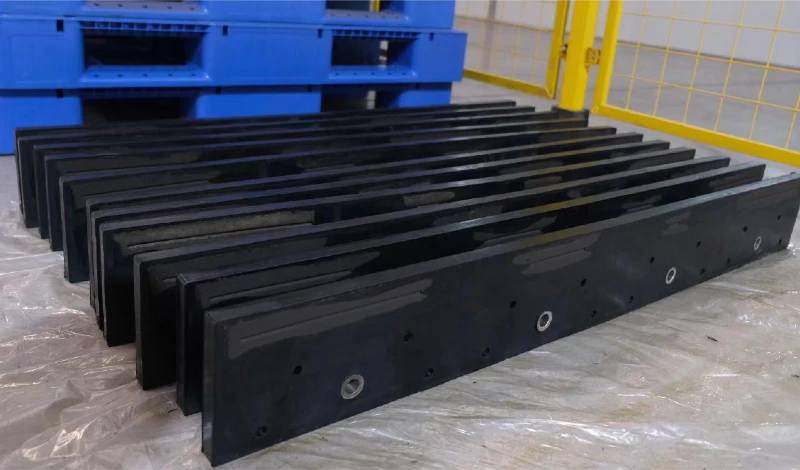
Applying a specialized rubber protectant to Joma-style blades is a critical off-season maintenance step to preserve the vulcanized rubber encasement that cushions carbide inserts. This prevents ozone cracking, UV degradation, and rubber hardening, which can compromise the blade’s impact absorption and lead to premature insert loss. Using the correct product extends the blade’s service life, protecting your investment between seasons.
How to Maximize Joma Style Blade Lifespan with Proven Tips?
Why is rubber protectant critical for Joma-style blades?
The vulcanized rubber encasement in a Joma blade isn’t just padding; it’s a precision-engineered damping system. Without protection, environmental stressors cause the rubber to lose elasticity, directly impacting the blade’s ability to protect costly carbide inserts from shock loads. Proper conditioning maintains this critical function.
Think of the rubber in a Joma blade as the suspension system for the carbide inserts. Its primary job is to absorb the immense shock from hitting curbs, ice chunks, and uneven pavement. When rubber hardens or cracks—a process accelerated by ozone and UV exposure—it loses its damping ability. This transfers more impact force directly to the carbide and the steel backing, increasing the risk of insert fracture or debonding. From our SENTHAI production line, we see firsthand that blades returned for refurbishment often show insert loss correlated with severe rubber degradation around the pocket. Practically speaking, the protectant acts as a sacrificial shield, slowing this chemical aging process. But what happens if you skip this step? You’re essentially allowing the blade’s most vulnerable component to deteriorate unchecked, which can void warranties and lead to costly, unplanned blade replacements mid-season. A simple, annual application is a minor task with major implications for operational readiness and cost control.
What specific products does SENTHAI recommend for blade rubber?
We recommend 303 Aerospace Protectant for its proven UV resistance or Meguiar’s Ultimate Black Plastic Restorer for its deep-penetrating conditioning. These are water-based, non-greasy formulas that create a protective barrier without harming the vulcanized rubber compound used in our blades.
Choosing the right product is where generic advice fails and specific expertise matters. Not all “rubber protectants” are created equal. Based on feedback from our 80+ global partners and our own material testing in Rayong, we’ve identified key formulation requirements. The ideal product must be water-based to avoid chemical interactions, contain potent UV absorbers to block sun damage, and include anti-ozonants to combat atmospheric cracking. 303 Aerospace Protectant excels here, forming a durable, non-oily shield. For older blades showing slight graying, Meguiar’s Ultimate Black includes conditioners that can restore a darker appearance without harmful dyes. Pro Tip: Always test on a small, inconspicuous area first. Beyond product choice, application method is half the battle. The goal is a thin, even coat—a heavy application won’t provide more protection and can attract dust. Why does SENTHAI care so much about aftercare? Because our reputation is built on the long-term performance of our blades in the field, and proper maintenance ensures you get the full lifespan our engineering delivers.
| Product | Primary Benefit | Best For |
|---|---|---|
| 303 Aerospace Protectant | Superior UV & Ozone Protection | New blades & long-term storage |
| Meguiar’s Ultimate Black | Conditioning & Color Restoration | Older blades with slight weathering |
| General Purpose Silicone Spray | Not Recommended | Can degrade rubber bonds |
How does off-season storage environment affect the rubber?
Storage conditions are as crucial as the protectant itself. Heat, direct sunlight, and ozone are the main enemies. Ideal storage is in a cool, dry, and dark place, away from electric motors or generators that produce ozone, to minimize environmental aging during the off-season.
Applying a protectant and then storing the blade in a hot, sun-baked shed defeats the purpose. Rubber degradation is a chemical process, and heat dramatically accelerates it. For every 10°C (18°F) increase in temperature, the rate of oxidation in rubber can double. Direct UV light breaks down the polymer chains on the surface. Furthermore, ozone—a gas present in the air and generated by electrical equipment—attacks rubber molecules, causing the characteristic deep cracks. In our SENTHAI warehouse in Rayong, we store all rubber-component products in a climate-controlled section for this exact reason. So, what’s the ideal scenario? A climate-controlled building is best, but a shaded, ventilated storage rack in a garage is sufficient. Crucially, keep blades away from battery chargers, welders, or furnaces. Pro Tip: Store blades horizontally on a rack or pallet, never leaning them on their edge. This prevents pressure points on the rubber and maintains the blade’s straightness, ensuring it mounts correctly on the plow come winter.
What is the step-by-step process for applying protectant?
Start with a thorough cleaning using soapy water to remove road salts and grime. After complete drying, apply the protectant to a clean cloth and wipe it evenly over all rubber surfaces. Allow it to cure for the time specified on the product label before storage.
Rushing the prep work is the most common mistake. Road salts, calcium chloride, and abrasive grit are highly corrosive and can continue to degrade rubber if left on. Begin by rinsing the entire blade with a hose to remove loose debris. Then, use a mild automotive soap or dish soap with a soft brush to scrub the rubber encasement and steel backing. Rinse thoroughly and let it air-dry completely—this can take a full day in a well-ventilated area. Any moisture trapped under the protectant can cause mildew. Once dry, shake your protectant bottle well and apply it to a microfiber cloth. Wipe a generous but even amount onto all rubber surfaces, ensuring you work it into the crevices around the carbide inserts. Don’t forget the ends and the backside if rubber is exposed. The final, often overlooked step is curing. Most quality protectants need 1-2 hours to fully cross-link and form their protective film. After that, your blade is ready for its long summer nap. It’s a simple ritual, but one that pays dividends in blade longevity and winter performance.
How does this maintenance integrate with overall plow prep?
Rubber care is one pillar of a complete off-season maintenance protocol. It should be performed alongside structural inspections, hydraulic checks, and electrical testing. This holistic approach ensures every component of your snow removal system is ready for the first storm.
Treating your Joma blades shouldn’t be an isolated task. Integrate it into a systematic plow teardown and inspection routine. After the final use, clean the entire plow assembly. While the blades are off for rubber treatment, it’s the perfect time to inspect the moldboard for cracks, check the cutting edge and skid shoes for wear, and examine the A-frame and hydraulic system for leaks or damage. This is the philosophy we apply at SENTHAI’s facility: every component in a system impacts the others. A perfectly preserved blade is less effective if mounted to a misaligned or damaged plow. Furthermore, check your vehicle’s mounting system and electrical connections. Creating a checklist that includes “Apply rubber protectant to blades” ensures this critical step is never missed. This integrated approach transforms reactive repairs into proactive readiness, saving time, money, and stress when the weather turns.
| Maintenance Task | Frequency | Key Benefit |
|---|---|---|
| Rubber Protectant Application | Annually (Off-Season) | Prevents rubber degradation & insert loss |
| Blade & Hardware Inspection | Annually (Off-Season) | Identifies wear, cracks, or loose components |
| Hydraulic System Check | Annually (Off-Season) | Ensures reliable lifting/angling function |
Can damaged rubber be repaired, or is replacement necessary?
Minor surface checking or light cracking can often be stabilized with protectant, but deep cracks or rubber separation from the steel core require professional re-vulcanization or full blade replacement. SENTHAI offers refurbishment services to restore blades to like-new condition.
This is a frequent question from our partners. The answer depends on the severity. Small, hairline surface cracks (checking) are early warning signs. A thorough cleaning and application of a high-quality protectant can often seal these micro-fissures and significantly slow further progression. However, deep cracks that you can fit a fingernail into, or any sign of the rubber pulling away from the steel backing or carbide inserts, indicates a failure of the vulcanized bond. At this point, the blade’s structural integrity is compromised, and it cannot properly secure the inserts. Continuing to use it risks catastrophic failure. So, what are your options? SENTHAI operates a dedicated vulcanization workshop in Rayong for exactly this scenario. We can strip the old rubber, inspect and re-treat the steel backbone, and apply a new, high-grade rubber encasement with the same automated process used for new blades. This is often more cost-effective than a full replacement, especially for high-end blades with plenty of carbide life remaining. It’s a core part of our commitment to providing total lifecycle value, not just selling a product.
SENTHAI Expert Insight
FAQs
Can I use tire shine products on my Joma-style blades?
We do not recommend most tire shine products. Many are designed for cosmetic shine and contain solvents or silicones that can degrade the engineering-grade rubber used in plow blades over time.
Does SENTHAI offer a blade refurbishment service for worn rubber?
Yes. SENTHAI’s facility in Rayong includes a full vulcanization workshop. We can professionally remove deteriorated rubber and re-vulcanize your blade with new compound, restoring its damping performance and protecting your carbide insert investment.
Will applying protectant make the rubber slippery and affect performance?
No. The recommended water-based protectants dry to a matte, non-greasy finish. They will not attract excessive dirt or create a slippery surface that could affect material flow over the blade during plowing operations.
Related articles
 Best Snow Plow Blade Family for Your Fleet: Top 5 ScenariosKnowledge
 Top 10 Snow Plow Blade Types for Winter Fleets (Ranked by Duty Fit)Knowledge
 Top 5 Best Carbide Blade Configurations for Highway PlowingKnowledge
 Best Snow Plow Blade Materials Ranked: Steel vs Carbide vs Cladding vs Rubber-CarbideKnowledge