




Top 10 Best Blades for Loader & Grader Winter Work
Loaders and graders have their own wear logic that trucks do not share: continuous contact, lower speeds with high pressure, and a duty list that mixes snow, ice, gravel, and dirt. The best blade…
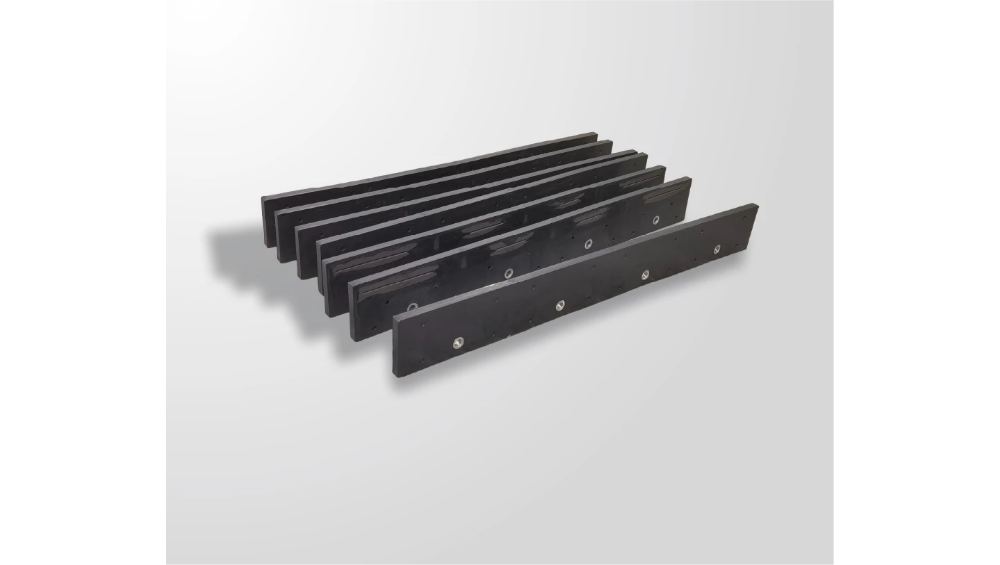
Loaders and graders have their own wear logic that trucks do not share: continuous contact, lower speeds with high pressure, and a duty list that mixes snow, ice, gravel, and dirt. The best blade for winter equipment work is the one matched to the machine and the route, and for most fleets that means a carbide insert program configured per machine rather than a single universal edge. After ranking ten options, the verdict is that the duty-matched carbide insert configuration is the best choice for mixed winter work, with brazed bucket inserts close behind for the impact-heavy loader duty. This ranking explains each option and how to match the edge to the machine.
The grader runs a continuous angled contact band; the loader works in both directions with frequent impacts; and both machines mix winter and dirt duty. The wear is constant rather than intermittent, the speed is lower but the pressure is higher, and the surface changes with the job. The ranking below judges each option on machine fit, abrasion resistance, impact survival, and cost.
The equipment context also decides the measurement. A grader’s edge life is measured in miles of continuous contact, a loader’s in hours and pass counts, and the two metrics do not translate directly. The fleet should measure each machine with its own metric, because the comparison across machines is otherwise meaningless.
The ten options ranked for machine fit and winter life
| Rank | Option | Best machine fit | Score |
|---|---|---|---|
| 1 | Duty-matched carbide insert program | Any machine, specified per duty | 9.1 |
| 2 | Brazed carbide bucket inserts | Loader buckets | 8.7 |
| 3 | Carbide-faced bucket edge | Loader buckets, abrasion duty | 8.3 |
| 4 | JOMA-style segments on graders | Graders, surface-care duty | 8.0 |
| 5 | Isolated insert layout | Impact-heavy buckets | 8.4 |
| 6 | Heavy-duty carbide blade | Grader moldboards | 7.8 |
| 7 | Carbide blade with cladding | Grader, abrasive duty | 7.6 |
| 8 | Standard carbide blade | Grader, general duty | 7.3 |
| 9 | Reversible steel edge | Light equipment duty | 6.0 |
| 10 | Steel cutting edge | Budget baseline | 5.5 |
Options ranked 10 through 6 fit narrow machines or light duty
10. Steel cutting edge. The budget baseline rounds quickly under the continuous contact of grader and loader duty. It is the reference for the ranking, not a recommendation for winter work.
9. Reversible steel edge. Flipping the edge doubles the steel life and suits light equipment duty, but the profile still rounds on hard pack. It is a budget stopgap, not a winter solution.
8. Standard carbide blade. The standard carbide blade holds its profile far longer than steel and covers the grader’s general duty. On heavy abrasive and impact routes it needs the upgrades above it.
The standard blade also benefits from the shared stock. The same carbide blade family serves the grader moldboard and the plow trucks, so the spare plan and the training stay simple. The simplicity is the reason it remains the default even where the heavier options would last longer on the hardest duty.
7. Carbide blade with cladding. The cladding extends the wear surface where the grader meets gravel and sand, which suits the abrasive shoulder and construction miles. The rigid construction remains the limitation on impact-heavy work.
6. Heavy-duty carbide blade. The thicker carrier adds rigidity for the grader’s continuous contact and absorbs the impacts of the mixed duty. SENTHAI describes its blades as built on a premium C45 steel carrier, and the heavier configuration is the grader’s workhorse where the lift limits allow.
The heavy-duty blade’s weight is the trade-off the fleet must check. The heavier edge adds to the moldboard load, the fuel, and the handling, so the lift rating and the machine’s balance should be confirmed before the upgrade. The durability gain is real, and it belongs only where the machine can carry it.
Options ranked 5 through 2 cover most winter equipment work
5. Isolated insert layout. The separated inserts contain the damage from the loader’s repeated impacts, which makes the layout the right choice for bucket edges on obstacle-heavy duty. SENTHAI describes its isolated insert design as preventing lateral cracking, and the containment is what keeps a single strike from ending the edge.
4. JOMA-style segments on graders. The segmented construction follows the moldboard’s curvature and protects the surface, which suits graders working parking areas and surface-sensitive sites. SENTHAI describes its JOMA-style sections as made with standard AASHTO bolt patterns for selected applications, and the configuration is confirmed per machine.
3. Carbide-faced bucket edge. The carbide wear layer covers the bucket’s full contact surface, which suits loaders working abrasive material continuously. The edge protects the bucket structure and extends the changeout interval, and the configuration is confirmed against the bucket drawing.
2. Brazed carbide bucket inserts. The brazed inserts concentrate the wear resistance at the working teeth, which is the standard approach for bucket edges. The retrofit works when the existing edge is sound, and the insert spacing and grade are matched to the bucket’s duty list.
The bucket retrofit also needs the measurement before the decision: record the edge life in hours, the pass counts for standard jobs, and the bucket shell wear before the change, then compare the same fields after. The per-bucket comparison, run on the same duty, is what turns the retrofit from an experiment into a decision.
The best option for mixed winter duty is the edge matched to the machine
1. Duty-matched carbide insert configuration. The champion is the configuration, not a single product: the insert grade and spacing matched to the machine’s duty, the shape matched to the cutting task, and the mounting confirmed against the drawing. SENTHAI’s carbide inserts page publishes the standard range with shape, size, angle, and radian fields, and the engineering confirmation turns the machine’s duty list into the right configuration.
The configuration also includes the documentation. The drawing, the batch records, and the inspection plan travel with the order, and the receiving check confirms the machine’s configuration against the drawing. The documentation is what makes the configuration repeatable on the next order, which is the value of the duty-matched approach over the one-size guess.
Matching the edge to the machine and route turns the ranking into an order
The match starts with the duty list: the machine model, the surfaces, the speed range, the down-pressure, and the failures the fleet has seen. The carbide snow plow blade page documents the blade options for graders, and the JOMA-style blade page covers the segmented alternative. SENTHAI can confirm the configuration from the machine drawing and the duty list. To place the order, send the machine model, the bucket or moldboard drawing, and the duty list through the contact page and ask for the configuration confirmation.
The confirmation should also cover the installation. The bucket edge and the grader moldboard each have their own mounting, torque, and re-torque routine, and the drawing should name the hardware and the acceptance criteria. A configuration that fits the machine but is installed wrong fails the duty, which is why the order and the installation plan are one document.
Expert view — SENTHAI engineering team: “A bucket edge earns its keep in passes, and a grader edge earns it in miles. The configuration follows the machine, and the grade follows the failure.”
Frequently Asked Questions
What is the best blade for a loader bucket? For most winter loaders, brazed carbide bucket inserts matched to the duty list; the isolated layout is the upgrade for impact-heavy work. The configuration is confirmed against the bucket drawing.
What is the best blade for a grader? The standard carbide blade covers general duty, the cladding upgrade suits abrasive miles, and the heavy-duty blade suits the toughest contact. The JOMA-style segment is the surface-care alternative.
Can the same blade work on a truck, a loader, and a grader? The construction family is shared, but the mounting, the load direction, and the speed profile differ. The configuration must be confirmed per machine.
How do I measure the improvement on equipment? Track edge life in hours or passes, the pass counts for standard jobs, the bucket or moldboard wear, and the replacement cost per season, per machine.
How do I retrofit a bucket edge? The retrofit works when the existing edge is sound and the mounting can accept the carbide configuration. Compare the retrofit cost against the wear savings before committing.
Should I measure the grader and the loader differently? Yes. Use miles or hours for the grader’s continuous contact and pass counts and hours for the loader, and keep the per-machine log separate so the comparison stays fair.
What is the most common equipment blade mistake? Ordering the same configuration for the truck, the loader, and the grader. The mounting, the load direction, and the speed profile differ, and the configuration must be confirmed per machine.
How do I choose between inserts and a full carbide edge? The carrier decides: a bucket that accepts inserts gets the component-level approach with replacement programs, and a moldboard that takes a full blade gets the edge. The duty list and the drawing settle the choice.
Sources
Related articles
 Best Snow Plow Blade Family for Your Fleet: Top 5 ScenariosKnowledge
 Top 10 Snow Plow Blade Types for Winter Fleets (Ranked by Duty Fit)Knowledge
 Top 5 Best Carbide Blade Configurations for Highway PlowingKnowledgeBest Snow Plow Blade Materials Ranked: Steel vs Carbide vs Cladding vs Rubber-CarbideKnowledge