




Snow Plow Blades for Minneapolis: Carbide, JOMA, and Packed Ice Solutions
SENTHAI Local Guide · Minneapolis Prepared by SENTHAI Research | Scope: Minneapolis winter maintenance | Published: August 2026 Few cities put cutting edges through what Minneapolis does: about 130 cm (51 in) of snow…
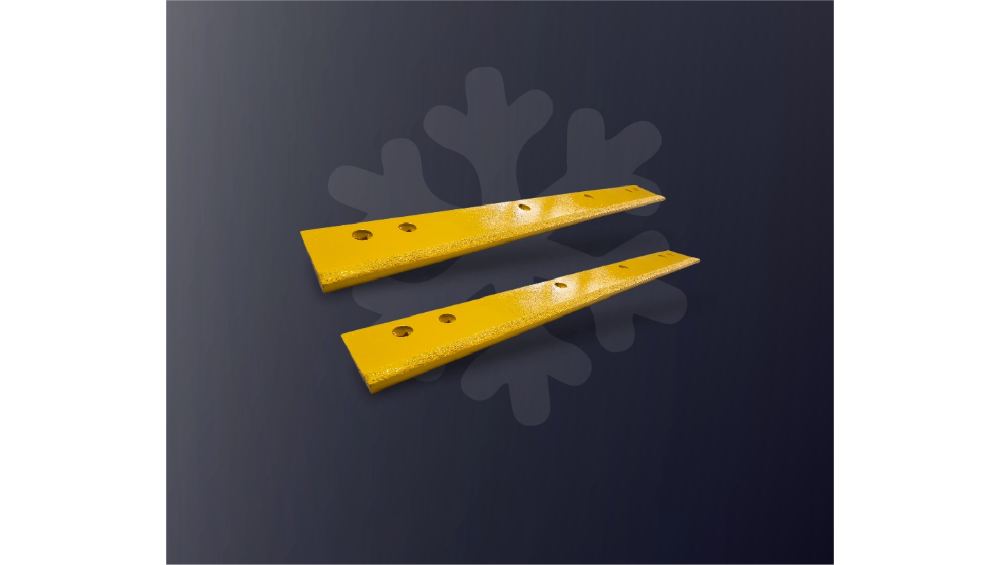
SENTHAI Local Guide · Minneapolis
Few cities put cutting edges through what Minneapolis does: about 130 cm (51 in) of snow per season, concentrated on I-94, I-35W, and I-494 and the streets around them. Minneapolis’ deep winter cold makes materials brittle and extends the season, so blade toughness matters as much as wear life. Plow crews here measure blades in cost per mile, not sticker price. Use the SENTHAI snow plow systems to compare all four systems side by side.
Winter in Minneapolis: What Wears Out Plow Blades
Minneapolis winters combine about 130 cm (51 in) of snow with a season that runs from November to April and aggressive chemical treatment on major routes. The result is a unique wear environment: abrasive grit grinds down edges, ice chunks hammer inserts, and brine attacks bonds. Annual snowfall records from NOAA snowfall records confirm the load — which is exactly why cutting edge quality matters here.
Minneapolis Winter Profile at a Glance
| Metric | Minneapolis |
|---|---|
| Average annual snowfall | about 130 cm (51 in) (NOAA climate normals) |
| Snow season | November to April |
| Dominant wear factor | Long cold season + sustained snowfall |
| Ice risk areas | A long cold season and a high-density freeway grid |
| Typical January low | Around -13°C, colder with wind chill |
Snowfall figures are long-term city averages based on NOAA records; verify current seasonal data before publication.
Minneapolis’s Municipal Fleet and Contractor Market
Winter is the highest-pressure season for Minneapolis’ public works department. Minneapolis’s municipal website shows how the city organizes street and sidewalk clearing, and contractors fill the gaps on lots, boulevards, and overflow routes. Municipal buyers and contractors share one metric: cost per cleared mile, where blade life determines the real price.
Municipal and Market Report: What the Data Shows
Minneapolis’ winter maintenance economics reward consistent blade life. MnDOT tracks road conditions and plow activity across the region all winter. The fleet runs from November to April, so small differences in edge wear multiply into measurable differences in changeout labor and storm coverage. That is the argument for moving from steel to carbide or rubber-carbide systems.
References: NOAA snowfall normals (currentresults.com); MnDOT; City of Minneapolis municipal website.
Matching the Blade System to Minneapolis’s Routes
Minneapolis is not a one-blade town. The route network — I-94, I-35W, and I-494 — spans fast corridors, dense residential streets, and ice-prone trouble spots. A mixed fleet strategy lets each truck carry the system that fits its route: carbide for wear life, JOMA for surface protection, packed ice kits for bonded ice.
Route-to-System Selection Matrix
| Route Type | Recommended System | Why |
|---|---|---|
| Highways and arterials (I-94 and I-35W) | Carbide snow plow blade | Long wear life, consistent scrape at speed |
| Residential and marking-heavy streets | JOMA style rubber-flex | Pavement protection, less noise and vibration |
| A long cold season and a high-density freeway grid | Packed ice carbide kit | Fractures bonded ice, protects pavement |
| Light-duty and lots | Carbide standard or JOMA | Cost-per-mile balance for short routes |
Carbide Snow Plow Blades for Highways and Arterials
For high-mileage routes such as I-94 and I-35W, carbide blades from SENTHAI deliver long wear life and a consistent scrape over long distances. Fewer changeouts mean fewer trucks off the road during storms — a direct operational win for both the city fleet and contractors.
JOMA Style Rubber-Flex Blades for Residential and Marking-Heavy Streets
On residential streets where blades run over manholes, curb cuts, and painted markings, JOMA composite blades from SENTHAI reduce noise, vibration, and pavement damage while still cutting ice. For neighborhoods that field complaints about early-morning plowing, the quieter operation is a community benefit as well as a maintenance one.
Packed Ice Kits for Minneapolis’s Worst Ice Events
Freeze-thaw cycles leave bonded ice that standard blades cannot fracture. SENTHAI ice-breaking carbide kits use dome-head geometry to break thick ice, protect pavement, and cut de-icing salt use — a combination that matters to a city running aggressive chemical programs.
Fitment and Seasonal Supply for Minneapolis Buyers
Fitment is straightforward: SENTHAI produces to AASHTO patterns with tight tolerances and supports custom sizes for non-standard plows. For Minneapolis buyers, confirming measurements before the season avoids the worst-case scenario of a truck sitting out during a storm.
Cost per Mile: The Case for Minneapolis Fleets
Run the numbers the way Minneapolis’ procurement does: (blade cost + changeout labor + downtime) ÷ miles cleared. Carbide and rubber-carbide systems win that calculation on most routes because they change less often. The FHWA winter maintenance research, Clear Roads winter maintenance research, and the NCHRP research on plow blades all document the same conclusion: edge life is measurable, and it drives total cost.
Cost-per-Mile Comparison (Planning Example)
| Blade Type | Relative Upfront Cost | Changes per Season (Example) | Downtime Impact | Best Fit in Minneapolis |
|---|---|---|---|---|
| Steel edge | Low | 3-5 | High | Light-duty only |
| Carbide blade | Medium | 1-2 | Low | I-94 and I-35W |
| JOMA style rubber-flex | Premium | 1-2 | Low | Residential, marking-heavy |
| Packed ice kit | Premium | Runs to wear limit | Lowest | Ice events, bridges |
Sourcing from SENTHAI: Documentation, Trials, and Support
SENTHAI’s documentation package — lot traceability and QC records — gives Minneapolis’ procurement teams what they need to standardize with confidence. carbide insert options from SENTHAI keep replacement supply simple. Send measurements and route details for a recommendation tailored to your fleet.
Frequently Asked Questions
What is the best snow plow blade for Minneapolis?
Carbide for highways and arterials, JOMA style rubber-flex for residential and marking-heavy streets, and packed ice kits for ice events. Most Minneapolis fleets run a mix.
How much snow does Minneapolis get per year?
about 130 cm (51 in) on average per season, with a winter that typically runs from November to April — which is why blade wear and snow-clearing budgets are recurring issues here.
Do carbide blades handle extreme cold?
Yes. SENTHAI blades use vacuum sintering and stress relief so inserts resist fracturing at deep sub-zero temperatures.
Can contractors buy directly from SENTHAI?
Yes. SENTHAI supplies municipal fleets, contractors, and distributors, with pre-season ordering and lot traceability.
Build your winter blade plan for Minneapolis. Start on the SENTHAI snow plow collection and reach the SENTHAI engineering team for a fitment review and cost-per-mile model.
Related articles
 Best Snow Plow Blade Family for Your Fleet: Top 5 ScenariosKnowledge
 Top 10 Snow Plow Blade Types for Winter Fleets (Ranked by Duty Fit)KnowledgeTop 5 Best Carbide Blade Configurations for Highway PlowingKnowledge
 Best Snow Plow Blade Materials Ranked: Steel vs Carbide vs Cladding vs Rubber-CarbideKnowledge