
Skid Steer Bucket Edge Selection for Abrasive Materials
Compact machines are unforgiving about edge choice. A skid steer bucket edge that survives a season of snow and sand can be destroyed in weeks on screened aggregate, and the same edge that cuts…

Compact machines are unforgiving about edge choice. A skid steer bucket edge that survives a season of snow and sand can be destroyed in weeks on screened aggregate, and the same edge that cuts cleanly in gravel may polish the surface and ride up on compacted clay. Selection is further complicated by the way compact machines are used: short cycles, frequent back-dragging, and buckets that move between carriers on a quick-attach plate.
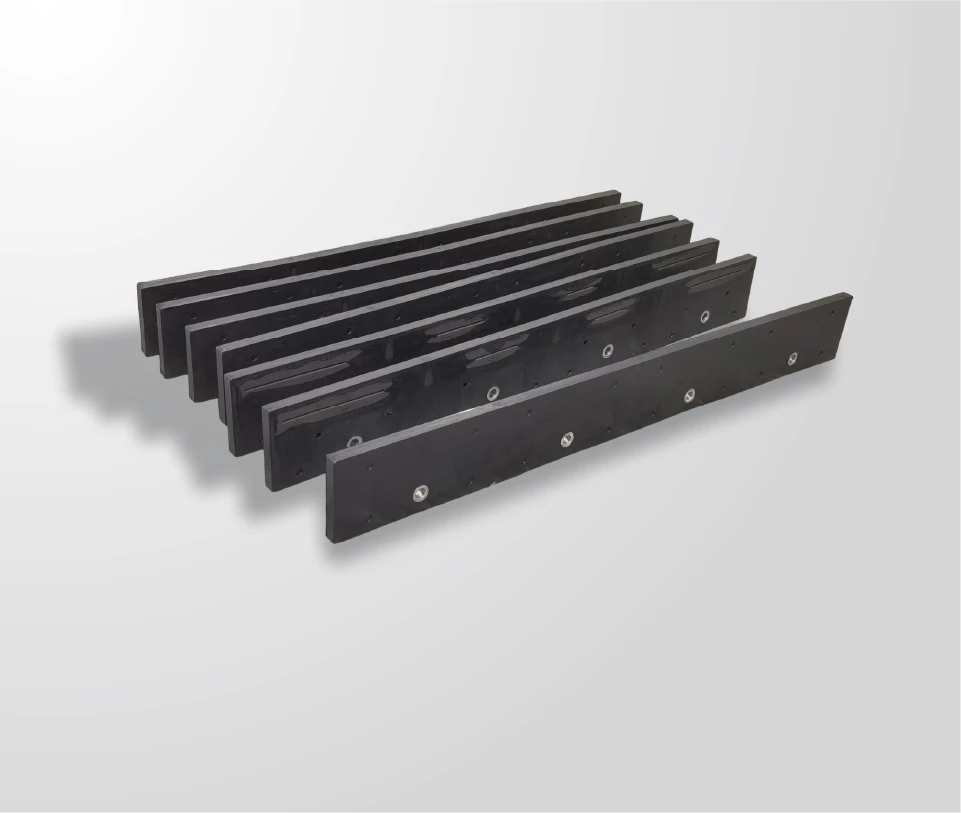
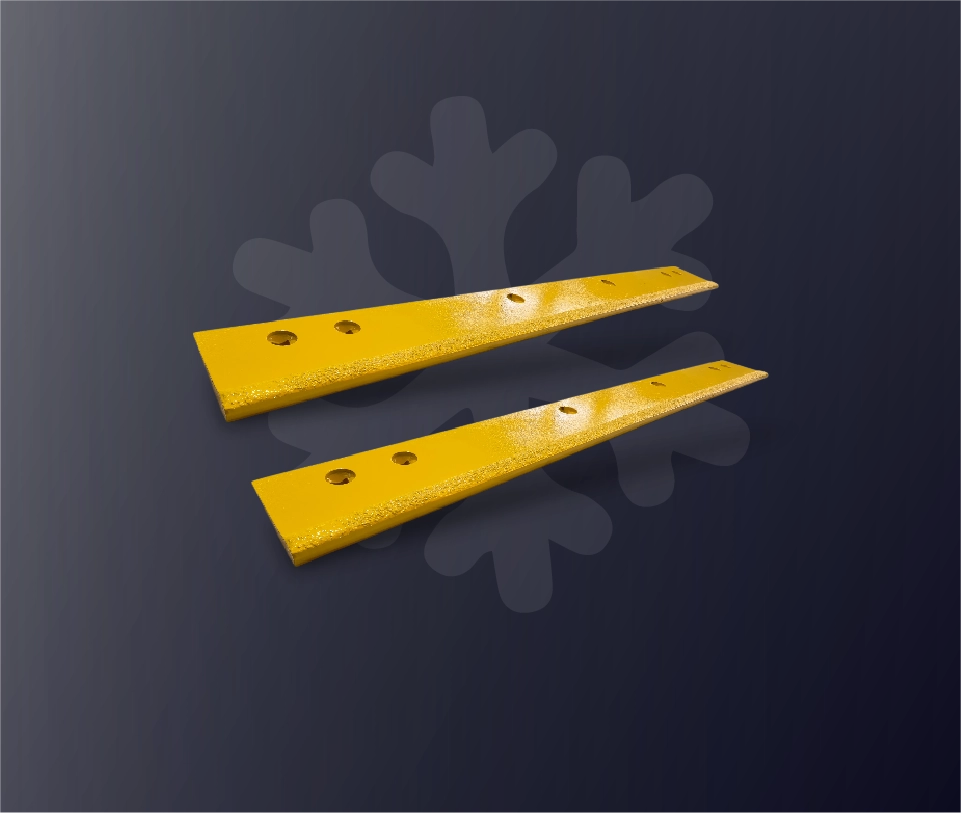
A skid steer bucket edge should be selected from the material being handled, the way the machine is driven and the pattern that fits the bucket lip. Abrasive materials call for a harder or carbide-faced working surface, impact work calls for toughness over hardness, and hole pattern, section shape and thickness must be confirmed against the bucket before any order.
Duty Cycles on Compact Machines
Compact equipment duty cycles look different from production loader work. Runs are short, the bucket is lifted and dumped constantly, and the machine spends a significant share of its hours doing something other than digging: back-dragging to clean up, levelling, pushing, or carrying material across a yard. Every one of those movements loads the bucket edge in a different direction.
The small machine class also changes how the edge is loaded. A skid steer achieves breakout through the bucket and lift arms, so the edge sees repeated shock loading rather than the sustained digging force of a larger loader. That favours a section that resists bending and a mounting that keeps the edge tight, because a loose edge on a compact machine distorts quickly and then wears at the holes.
Attachment practice adds a third consideration. Compact machines are usually sold with buckets from several manufacturers, and the quick-attach interface does not standardise the cutting edge behind it. Two buckets that fit the same carrier can have completely different hole patterns, thicknesses and lip heights, which is why the fleet that buys edges by machine model rather than by measured bucket ends up with parts that cannot be fitted.
Edge Geometry and Machine Balance
Edge geometry is a balance between cutting and machine stability. A straight edge gives an even cut and a long wear life on loose material. A toothed edge concentrates force per point, which improves penetration in compacted or frozen ground, and a serrated or sectional edge breaks the contact line so the machine can cut without riding up. Each of those choices also changes how the bucket behaves when the machine tips it.
Balance matters more on a compact machine than on a full-size loader, because the working capacity is small and the machine is short. Adding a heavier edge section, a tooth bar or a bolt-on wear strip moves the load forward and reduces the lift capacity available for material. Fitting a heavier edge to improve wear life can therefore reduce the tonnes the machine moves per hour, which is the opposite of the intended outcome.
There is also a handling question. A wide bolt-on edge on a two-metre bucket is awkward for one person to position, and compact machines are usually maintained by small crews. Sectional edges — two or three pieces across the width — make the same job a one-person task and allow the worn centre section to be renewed without replacing the outer pieces.
Abrasion Versus Impact Requirements
Abrasive and impact duty require different answers, and a compact machine often does both in the same week. Sand, screened aggregate, crushed stone and salt-grit mixes abrade the edge evenly and steadily, and the loss is proportional to the material sliding across it. Demolition debris, rock and frozen ground deliver shock and point loading, which produces chipping, bending and crack initiation at the holes.
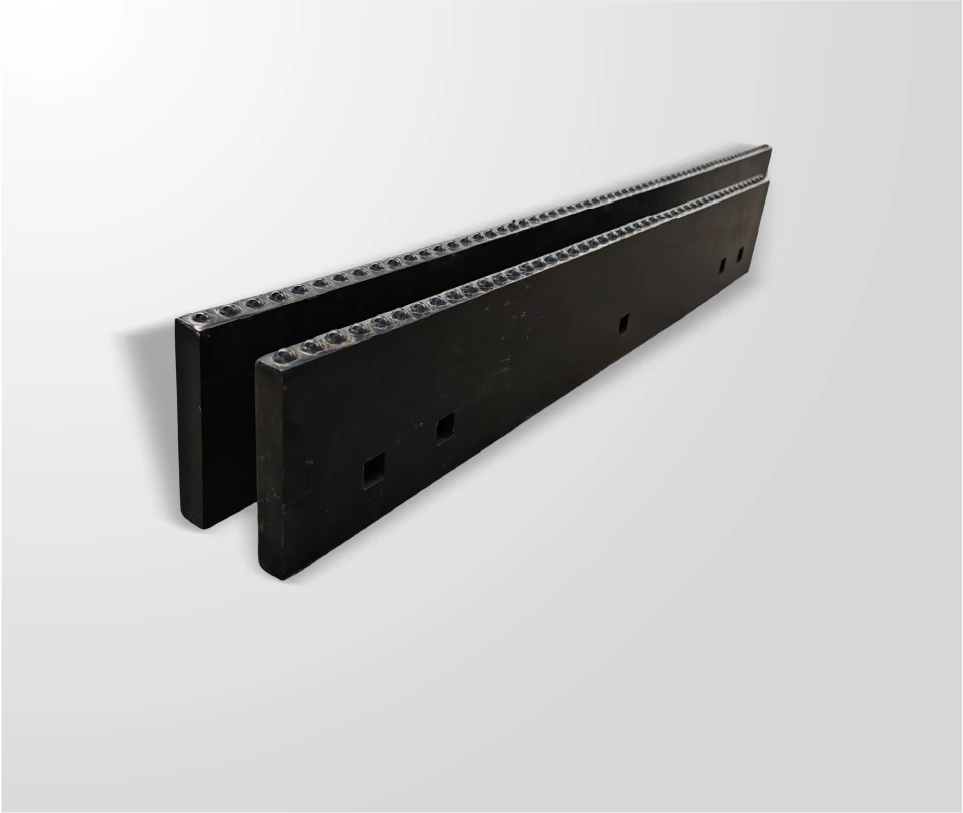
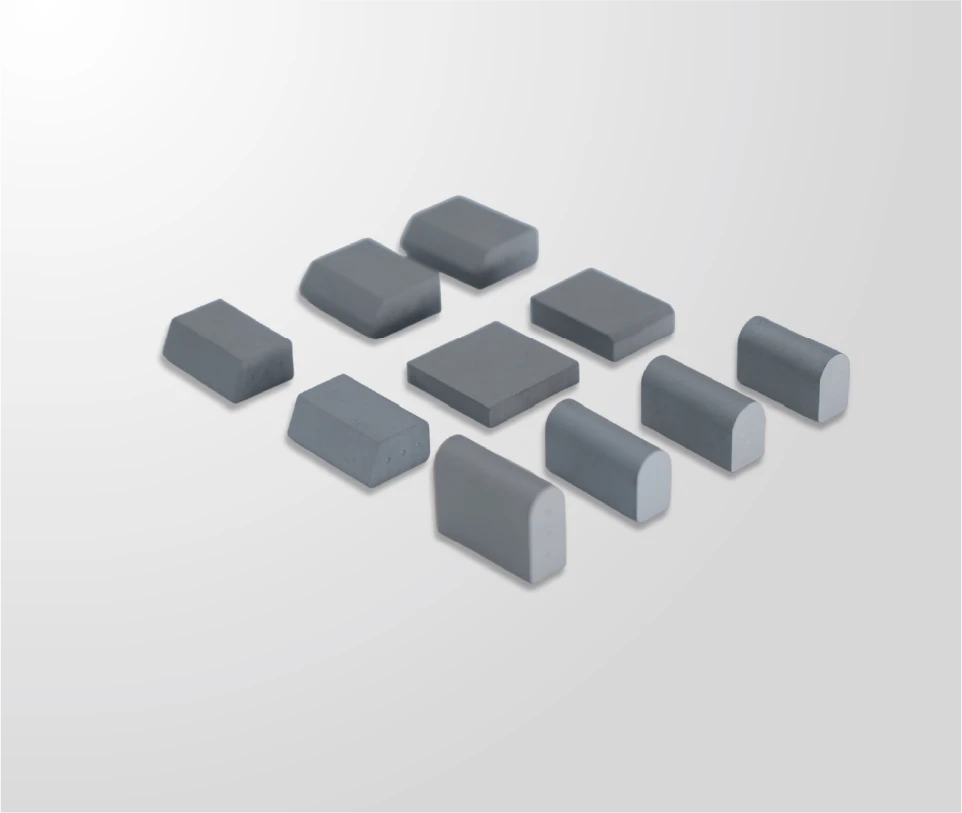
For abrasive duty the working surface is the lever. A wear-resistant steel edge with documented abrasion data, for example the grades published by SSAB, holds its profile considerably longer than a plain section, and a carbide-faced edge takes that further by putting cemented tungsten carbide at the contact surface. Where the abrasion is severe and impact is limited, that surface change is what reduces the number of changes per season.
For impact duty the answer moves toward toughness, with a heavier section and more attention to the fixing. Materials references such as those from ASM International set out how the hardness and toughness trade is made in a wear application, and hardness values quoted for plate should always be tied to the test method, published by ASTM, rather than accepted as a headline figure.
Attachment and Fitment Considerations
Attachment and fitment is where a correct specification is either confirmed or lost. The quick-attach plate is not the interface that matters for the edge; the bucket lip is. Machine and attachment interface conventions are published through SAE and the equipment manufacturers association AEM, and they explain why two buckets of the same nominal width can carry different edges.
Four measurements decide whether a replacement edge will fit: hole diameter, hole spacing, the distance from the hole line to the cutting face, and the section thickness or lip height behind the mounting. Where a bucket also runs teeth, the tooth pattern and the clearance between the edge and the teeth have to be measured as well. Anything less and the part is a guess, which is expensive when the machine is needed the same day.
Distributors run into this constantly, because the same bucket model can be supplied with several edge options and the customer rarely has the drawing. Measuring the bucket, photographing the hole pattern, and validating against a drawing or a physical sample is the reliable route, and it is the discipline SENTHAI applies to every edge and teeth order: fitment is confirmed against a drawing or sample before release, with machined insert pockets held to plus or minus 0.02 mm.
Wear Life Expectations and Measurement
Expected wear life on a compact edge is expressed as hours per material type recorded on your own machines, because published figures rarely transfer between sites. Two readings make the record useful: the remaining section at the cutting face, and the condition of the bolt holes or countersinks.
Measure at the same points every time. On most compact buckets that means the centre of the edge and both outer quarters, since the outer sections often wear faster on machines that work along walls or kerbs. Log the hours, the material and whether the machine is used mostly for digging or for cleanup. Once three or four replacements have been recorded, the pattern of wear explains more than any specification sheet: if the outer quarters are the failure point, the answer may be a sectional edge rather than a harder one.
Treat hole and countersink condition as a wear measurement too. An elongated hole means the edge has been moving, which accelerates wear and damages the lip. Once holes are oval, the edge will not hold torque whatever its material, and the bucket needs the lip repaired before the next edge is fitted.
Cost Per Hour on Compact Equipment
Cost per hour on compact equipment has a different shape from full-size loader work. Edge prices are lower, so parts consume a smaller share of the total, while operator time and short machine life dominate. That pushes the comparison toward fewer changes rather than cheaper parts.
| Driver | Effect on a skid steer edge decision |
|---|---|
| Edge price | Low per unit, so unit price rarely decides the choice |
| Labour per change | Short job, but it ties up an operator as well as a fitter |
| Changes per season | The strongest lever, driven by material and working surface |
| Damage from a loose edge | Distorted edges and oval holes on a small lip |
| Added weight | Reduces lift capacity on a machine with little to spare |
Because the labour is short, the case for a harder or carbide-faced edge on compact equipment rests on the number of changes avoided across a fleet rather than on one machine. A district running forty compact attachments through abrasive winter material, or a contractor with a dozen skid steers on site cleanup, will see the return in reduced parts consumption and fewer unplanned stops. Safe handling expectations for that work are set out in 29 CFR 1910, and equipment distributors review service programmes through the AED.

Specifying for a Mixed Attachment Fleet
A mixed fleet is the normal case, and it rewards standardisation more than optimisation. The objective is to cover as many buckets as possible with as few part numbers as possible while keeping one option for the machines that destroy standard edges.
- Measure every bucket once. Record hole pattern, section, thickness and lip height against an asset number rather than a model name.
- Standardise on two or three patterns. Reversible straight edges for loose material, plus a toothed or sectional option for compacted ground.
- Keep one abrasive specification. A wear-resistant or carbide-faced edge held for the buckets working in sand, aggregate and salt-grit.
- Use sectional edges where handling is the constraint. One-person fitment matters on small crews.
- Record changes per bucket. The asset with the highest consumption tells you where the specification should change first.
Reviewed once a year, that list turns edge buying into a planned programme rather than a series of emergency orders, and it gives a fleet the evidence it needs when a specification, a supplier or a material source changes.
On compact equipment the edge decision is driven by material, duty and fitment rather than by part price. Abrasive duty rewards a harder or carbide-faced working surface, impact duty rewards toughness and a heavier section, and a machine with little spare lift capacity punishes any edge that adds weight without adding life. Geometry follows the job: straight for loose material, toothed or serrated for compacted ground, sectional where one person has to fit the part. Every one of those choices depends on a measured hole pattern and lip, because an edge that cannot be fitted cannot be evaluated on cost at all.
Send SENTHAI the bucket measurements, the machine list and the materials each attachment works in, and the technical team will review edge geometry, section, working surface and fitment across the fleet.
Related reading: wear parts beyond plows.
Frequently Asked Questions
Should a skid steer run a straight edge or one with teeth?
It depends on what the machine has to open. A straight edge gives an even cut and the longest wear life on loose material such as sand, gravel and snow, and it leaves a cleaner finish when the bucket is used for levelling. Teeth or a serrated edge concentrate force and improve penetration in compacted, frozen or rocky ground, but they change how the bucket rides and are harder to use for finish work.
Does a heavier edge section improve life on a skid steer?
Not automatically. Section adds wear volume and stiffness, which helps against abrasion and bending, but it also moves weight forward on a machine with limited lift capacity, reducing the payload the bucket can carry per cycle. On compact equipment the better levers are usually the working surface — a wear-resistant or carbide-faced edge — and a sectional design that lets only the worn part be replaced.
How do I measure a bucket for a replacement edge?
Record four readings: hole diameter, hole spacing along the edge, the distance from the hole line to the cutting face, and the section thickness or lip height behind the mounting. Where teeth are fitted, note the tooth pattern and the clearance between edge and teeth. Photograph the pattern alongside the measurements, then confirm the data against a drawing or a physical sample before ordering.
What are the commercial terms for ordering compact loader edges?
SENTHAI quotes each inquiry from the measured pattern, the section and material required and the quantity, so no standing figures are published. The applicable terms, including quantity break points, packing and delivery arrangements, are stated in the written quotation or order documents. Fitment is confirmed against your measurements or a sample before the order is released. Send the measured pattern with the machine list and the review covers the whole fleet.
{
“@context”: “https://schema.org”,
“@type”: “FAQPage”,
“mainEntity”: [
{
“@type”: “Question”,
“name”: “Should a skid steer run a straight edge or one with teeth?”,
“acceptedAnswer”: {
“@type”: “Answer”,
“text”: “It depends on what the machine has to open. A straight edge gives an even cut and the longest wear life on loose material such as sand, gravel and snow, and it leaves a cleaner finish when the bucket is used for levelling. Teeth or a serrated edge concentrate force and improve penetration in compacted, frozen or rocky ground, but they change how the bucket rides and are harder to use for finish work.”
}
},
{
“@type”: “Question”,
“name”: “Does a heavier edge section improve life on a skid steer?”,
“acceptedAnswer”: {
“@type”: “Answer”,
“text”: “Not automatically. Section adds wear volume and stiffness, which helps against abrasion and bending, but it also moves weight forward on a machine with limited lift capacity, reducing the payload the bucket can carry per cycle. On compact equipment the better levers are usually the working surface — a wear-resistant or carbide-faced edge — and a sectional design that lets only the worn part be replaced.”
}
},
{
“@type”: “Question”,
“name”: “How do I measure a bucket for a replacement edge?”,
“acceptedAnswer”: {
“@type”: “Answer”,
“text”: “Record four readings: hole diameter, hole spacing along the edge, the distance from the hole line to the cutting face, and the section thickness or lip height behind the mounting. Where teeth are fitted, note the tooth pattern and the clearance between edge and teeth. Photograph the pattern alongside the measurements, then confirm the data against a drawing or a physical sample before ordering.”
}
},
{
“@type”: “Question”,
“name”: “What are the commercial terms for ordering compact loader edges?”,
“acceptedAnswer”: {
“@type”: “Answer”,
“text”: “SENTHAI quotes each inquiry from the measured pattern, the section and material required and the quantity, so no standing figures are published. The applicable terms, including quantity break points, packing and delivery arrangements, are stated in the written quotation or order documents. Fitment is confirmed against your measurements or a sample before the order is released.”
}
}
]
}
Related articles
 Bucket Wear Inspection: Field Checklist and IntervalsLoader bucket edges, teeth and wear liners
 Loader Wear Parts Cost Per Operating Hour: The Inputs to RecordLoader bucket edges, teeth and wear linersWear Liner Plate Selection: Hardness, Thickness and Fixing MethodLoader bucket edges, teeth and wear liners
 Excavator Bucket Wear Parts: Edge, Teeth, Side Cutters and HeelLoader bucket edges, teeth and wear liners