
Excavator Bucket Wear Parts: Edge, Teeth, Side Cutters and Heel
A production bucket usually tells you what happened to it before you take a single measurement. The teeth have worn back to their adapters, the side cutters have gone square, the floor behind the…

A production bucket usually tells you what happened to it before you take a single measurement. The teeth have worn back to their adapters, the side cutters have gone square, the floor behind the lip has been washed into a hollow, and the heel has been ground thin by dragging through the same material all season. Excavator bucket wear parts are consumed as a set, and reading that set correctly is what turns a repair list into a specification.
What This Looks Like in the Field
A worn bucket is a set of separate wear stories.
Teeth, side cutters, heel and floor each wear from a different contact, so inspecting the set — not one part — is what reveals the cause and the right replacement.
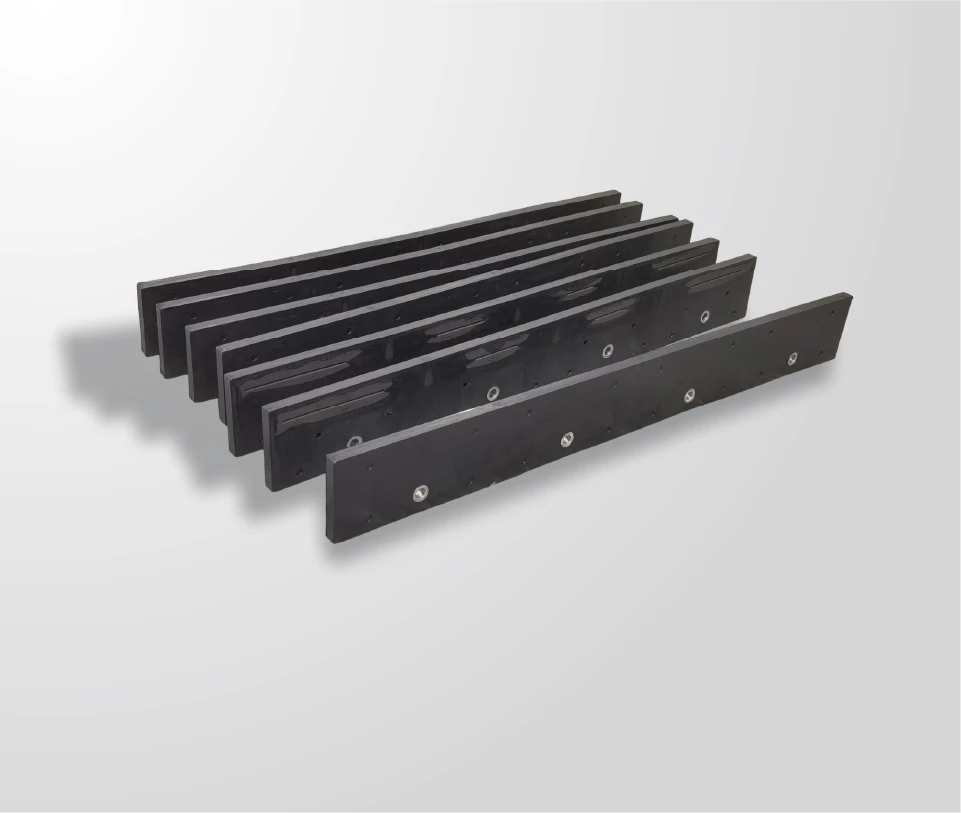
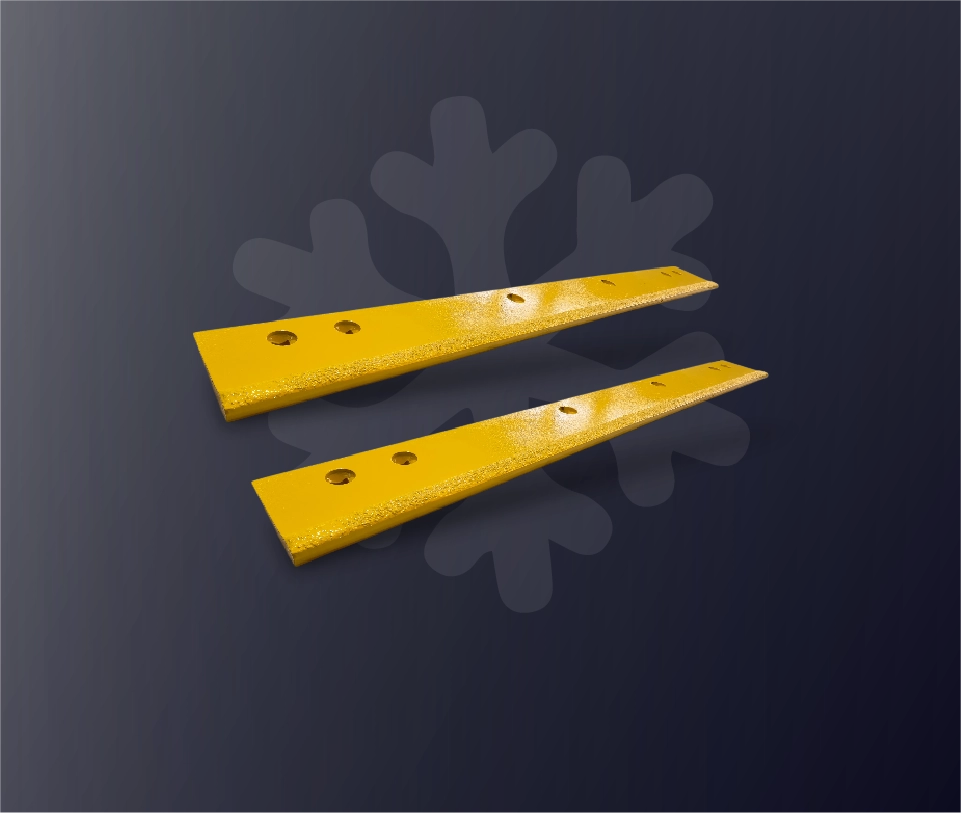
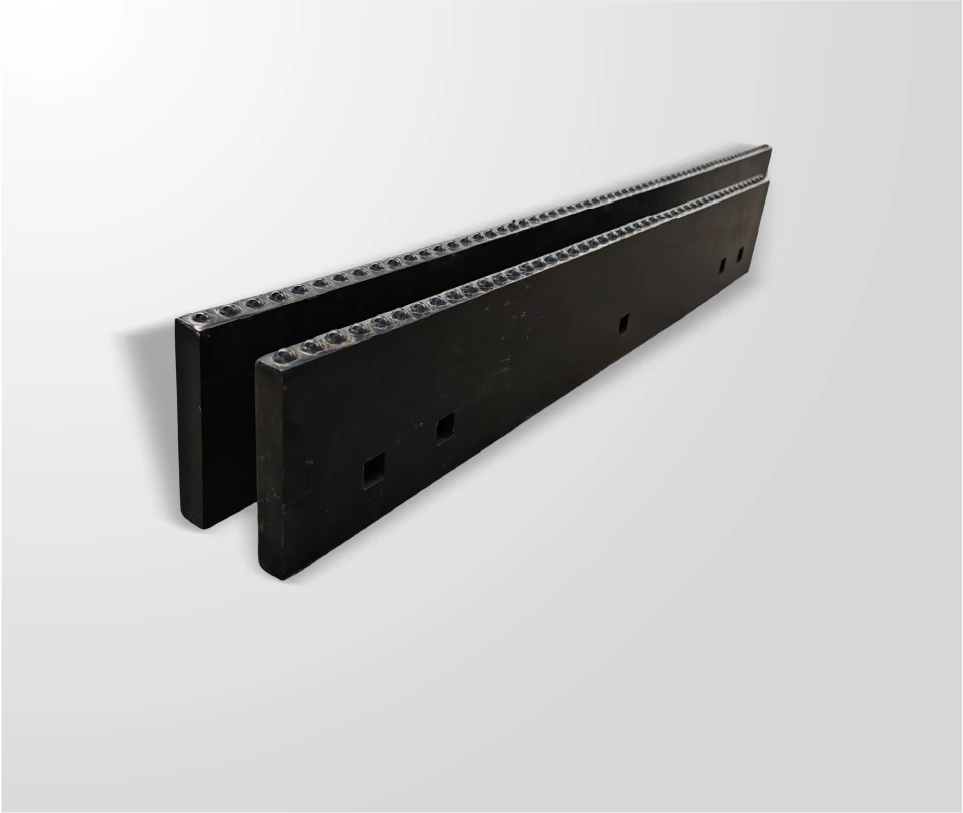
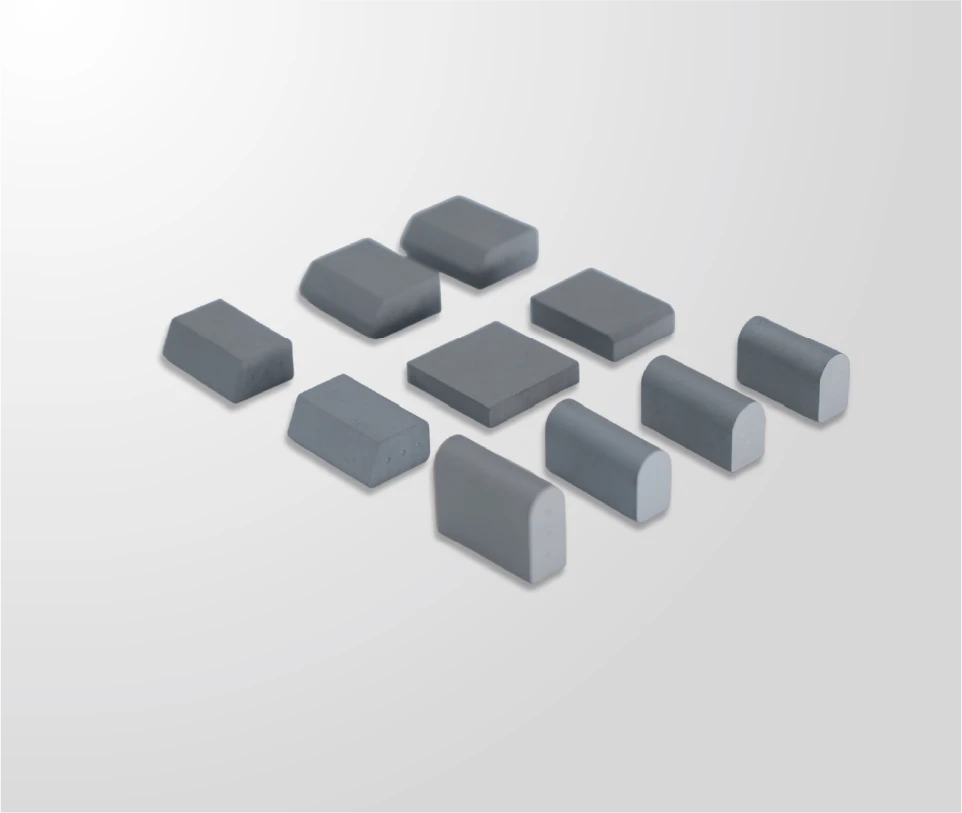
Start with the working parts. Teeth and adapters take the digging load and are meant to be consumed and renewed; side cutters protect the outer plates against the face being cut; lip shrouds spread load across the front edge; heel plates or shrouds protect the rear corner of the floor. A bucket that has been run without one of those items will show the loss on the part that absorbed the work instead, usually the structural plate behind it.
Then read the structural surfaces. A polished, shiny floor with a hollow behind the lip means material has been sliding and scouring under the bucket. A floor that has been repaired with weld beads means a previous operator tried to build it back rather than protect it. A heel worn into a curve or, worse, into a hole, is the signature of dragging rather than digging, and it points to operating practice as much as to material choice.
Finally, read the fixings. Oval bolt holes, a countersink that has lost its shape, a pin groove worn through, or weld repair on the mounting points all indicate that a wear part has been running loose. A loose part rarely fails on its own schedule; it takes the adapter or the lip with it, and that converts a parts order into a fabrication job.
Failure Modes and What They Signal
Each failure mode points at a specific cause, and treating the symptom without the cause usually means repeating the repair within months.
| What you see | What it signals | Action |
|---|---|---|
| Teeth worn to the adapter | Rotation interval too long, retainer or adapter seat worn | Renew teeth, check adapter seat and pin |
| Missing teeth | Lost retention, inspection gap | Replace and record; check the material stream |
| Hollow washed behind the lip | Sliding scour, no floor or lip protection | Protect the lip and floor rather than weld build-up |
| Side cutters squared off | Outer plate taking face contact | Renew side cutters before the plate is reached |
| Heel worn thin or holed | Dragging and back-dragging on hard surfaces | Fit heel protection, adjust technique |
| Cracked side plate or lip weld | Shock loading, hardfacing repaired over stress | Repair under controlled heat input, review duty |
Two of those signals are operational rather than mechanical. Missing teeth and a holed heel both indicate the working practice of the crew, and both are cheaper to correct with a rotation rule and a training note than with more expensive parts. Mining and quarry sites treat a lost tooth as a safety finding as well as a maintenance one, because a tooth that leaves the bucket enters the material stream; equipment expectations for those operations sit in 30 CFR, and research on ground engaging tool safety is published through NIOSH mining.
A third pattern sits behind the bucket rather than in front of it. Where the floor hollows, capacity falls before the bucket fails, and operators respond by lifting the machine or by pushing harder, which puts more load into the lip and side plates. In that way, a wear problem in one zone creates accelerated wear in another, and the whole set degrades faster than the hours alone would suggest.
Inspection Intervals and What to Record
Inspection intervals are set from hours worked and material, then shortened where either changes. The record matters more than the interval, because the same bucket can be fine for a month on soft material and need daily attention on rock.
Five readings cover the whole set: remaining tooth length above the adapter, side cutter width and thickness, floor thickness at two fixed points, heel thickness at a fixed point, and condition of fastenings and welds. Take them at the same points each time, record the hour meter reading and the material being worked, and keep the sheet on the machine or in the fleet system by asset number.
Two other entries make the record considerably more useful. The first is any rotation that was performed, so the effect of rotating teeth shows up in the data. The second is the surface the machine works on — gravel haul road, rock face, concrete apron, trench floor. Wear rate differences between machines are explained far more often by surface and material than by the parts fitted, and this is the entry that proves it.
Conditions That Change the Wear Rate
Four conditions change the wear rate on the same bucket, and all four should be recorded rather than assumed.
Material is the dominant one. Sharp, silica-bearing aggregate and crushed rock abrade ground engaging tools quickly, while wet clay and soft topsoil mostly displace material and wear parts far more slowly, provided the bucket is not permanently carrying a packed load. Moisture interacts with material: wet sand and slurry scour the floor, and material that packs into the bucket adds weight and drag.
Machine and attachment class sets the load. A heavier machine with a smaller bucket concentrates more force through the lip and teeth, while a large bucket on a light machine works the edge at lower loads but with more dragging. Operator technique is the third condition, and it is usually the most variable: back-dragging to finish, using the bucket as a bulldozer blade, and digging with the stick rather than the bucket each leave a distinct wear signature.
The fourth condition is temperature. Frozen ground turns a digging problem into an impact problem, and hardfaced or brittle wear surfaces that perform well on abrasive rock can chip or spall in cold conditions. Where a fleet works through winter, that change alone can justify a different tooth profile or a different grade balance.
Repair, Rotation or Replacement
Repair, rotation or replacement is a decision made per component, not per bucket. Teeth are rotated or renewed on measured length. Side cutters are replaced before the outer plate is reached. Floor and heel protection is renewed before base metal is consumed. Only when the lip or side plates need fabrication does the decision move up to the bucket itself.
Rotation is the cheapest intervention available and the most often skipped. Where a tooth profile allows it, moving teeth to a different position spreads the load and extends the interval before a set is due. Adapters are not rotated; they are inspected and replaced when the seat can no longer hold a tooth, and the lip must be sound enough to carry a new adapter welding or bolting operation.
Replacement of the bucket becomes the rational choice when the lip has been rebuilt repeatedly, side plates are distorted, or the floor has been patched enough that capacity and flatness are gone. Welding repairs should be carried out with controlled heat input and by a competent welder, since repair quality determines whether the next wear set lasts; welding practice guidance is published by AWS, and test and material standards referenced in repair specifications come from ASTM.
Tools, Hardware and Safe Handling
The tools side of bucket maintenance is unglamorous and decides whether the parts programme works. A bucket kit needs the right retainers, the correct pins or bolts, a torque wrench capable of the fixing sizes used, a pin driver, a hammer, and a means of handling a heavy edge or tooth safely.
Hardware should be held as a matched set rather than sourced as an afterthought. A retainer of the wrong length or a bolt of the wrong grade will fail before the tooth wears, and a countersunk bolt that does not match the countersink will stand proud, wear, and work loose. Where teeth are retained by pins, the locking arrangement is part of the system, and losing it explains a large share of field tooth losses.
Handling is where most injuries in this work occur: a tooth, a side cutter or an edge section is heavy, awkward and often oily. Lifting aids, gloves, eye protection and a second person where required are the baseline, and hot work on or near the bucket is covered by the general industry requirements in 29 CFR 1910. Aggregate producers collect practical experience on these routines through the NSSGA.

Season-End Storage and Prep
Season-end work is what prevents the first month of the next season being spent on repairs. It is also the point at which a fleet can make specification decisions using a full set of wear data rather than a single failure.
Clean the bucket out and inspect it with the material removed, because packed fines hide heel and floor loss. Measure the set, photograph the lip and the mounting points, and record hours against the readings. Any component at or near its limit should be renewed before storage, and any mounting damage should be repaired while a workshop is available rather than during a busy period.
Order the wear set from the recorded measurements rather than from the last order, since the bucket may have changed through repair during the season. Store teeth, retainers and side cutters together by machine, and keep the drawings or measurement sheets with them; the difference between a planned renewal and an emergency order is usually nothing more than having the fitment data to hand when it is needed.
An excavator bucket consumes a set of parts, and each part fails for its own reason. Teeth and adapters wear from digging load, side cutters from face contact, the floor from sliding scour and the heel from dragging, and a failure in any one zone accelerates the others. Reading the set, recording five measurements against hours and material, and acting on the cause rather than the symptom is what keeps the bucket structural. Rotation, protection and timely renewal are cheaper than lip fabrication in every case this article has examined.
Send SENTHAI the bucket drawings, wear measurements and photographs of the tooth, edge and heel zones, and the technical team will review the wear part set, material and hardness balance and fitment for your machines.
Related reading: wear parts beyond plows and quality control and batch traceability.
Frequently Asked Questions
How often should an excavator bucket be inspected?
Set the interval from hours worked and material rather than from the calendar, and shorten it when either changes. A daily walk-around check for loose or missing teeth is normal on rock work, with a fuller measurement of tooth length, side cutter width, floor thickness and heel thickness at planned service intervals. Record every reading against the hour meter so the interval can be adjusted from your own data.
Which wear part should be replaced first on a worn bucket?
Start with the part that is protecting something structural. Worn side cutters are renewed before the outer plate is reached, and lip or heel protection before base metal is consumed, because plate repair is a fabrication job and a wear part is a bolt-on or weld-on item. Teeth are renewed or rotated on measured length, and adapters only when the seat can no longer retain a tooth.
Can a worn bucket edge be built up with weld instead of replaced?
Welding build-up has a place in restoring a floor or a worn area before protection is fitted, but it is not a substitute for a wear part on a loaded surface. Repeated hardfacing on a lip or side plate puts heat into stressed metal and can encourage cracking. Where the same area has been repaired more than once, the better answer is usually to protect it properly or to replace the bucket.
What are the commercial terms for ordering excavator bucket wear parts?
SENTHAI quotes from the bucket drawings or measurements, the wear part set required, the material selected and the quantity. The applicable terms, including packing, quantity break points and delivery arrangements, are stated in the written quotation or order documents. Fitment is confirmed against a drawing or a physical sample, and documentation for a batch is provided as agreed per order.
{
“@context”: “https://schema.org”,
“@type”: “FAQPage”,
“mainEntity”: [
{
“@type”: “Question”,
“name”: “How often should an excavator bucket be inspected?”,
“acceptedAnswer”: {
“@type”: “Answer”,
“text”: “Set the interval from hours worked and material rather than from the calendar, and shorten it when either changes. A daily walk-around check for loose or missing teeth is normal on rock work, with a fuller measurement of tooth length, side cutter width, floor thickness and heel thickness at planned service intervals. Record every reading against the hour meter so the interval can be adjusted from your own data.”
}
},
{
“@type”: “Question”,
“name”: “Which wear part should be replaced first on a worn bucket?”,
“acceptedAnswer”: {
“@type”: “Answer”,
“text”: “Start with the part that is protecting something structural. Worn side cutters are renewed before the outer plate is reached, and lip or heel protection before base metal is consumed, because plate repair is a fabrication job and a wear part is a bolt-on or weld-on item. Teeth are renewed or rotated on measured length, and adapters only when the seat can no longer retain a tooth.”
}
},
{
“@type”: “Question”,
“name”: “Can a worn bucket edge be built up with weld instead of replaced?”,
“acceptedAnswer”: {
“@type”: “Answer”,
“text”: “Welding build-up has a place in restoring a floor or a worn area before protection is fitted, but it is not a substitute for a wear part on a loaded surface. Repeated hardfacing on a lip or side plate puts heat into stressed metal and can encourage cracking. Where the same area has been repaired more than once, the better answer is usually to protect it properly or to replace the bucket.”
}
},
{
“@type”: “Question”,
“name”: “What are the commercial terms for ordering excavator bucket wear parts?”,
“acceptedAnswer”: {
“@type”: “Answer”,
“text”: “SENTHAI quotes from the bucket drawings or measurements, the wear part set required, the material selected and the quantity. The applicable terms, including packing, quantity break points and delivery arrangements, are stated in the written quotation or order documents. Fitment is confirmed against a drawing or a physical sample, and documentation for a batch is provided as agreed per order.”
}
}
]
}
Related articles
 Bucket Wear Inspection: Field Checklist and IntervalsLoader bucket edges, teeth and wear liners
 Loader Wear Parts Cost Per Operating Hour: The Inputs to RecordLoader bucket edges, teeth and wear linersWear Liner Plate Selection: Hardness, Thickness and Fixing MethodLoader bucket edges, teeth and wear liners
 Skid Steer Bucket Edge Selection for Abrasive MaterialsLoader bucket edges, teeth and wear liners