




Laser Cutting Technology for Steel Plow Blades: Maximizing Carbide Blade Performance for Winter Road Maintenance (July 2026)
Laser cutting technology for steel plow blades enhances precision, durability, and snow removal efficiency, making it a key enabler for modern carbide snow plow blade systems. Industry overview: why precision‑cut plow blades matter Winter…

Laser cutting technology for steel plow blades enhances precision, durability, and snow removal efficiency, making it a key enabler for modern carbide snow plow blade systems.
Industry overview: why precision‑cut plow blades matter
Winter road maintenance is under pressure from rising labor, fuel, and equipment costs, forcing agencies and contractors to seek higher‑efficiency snow plow blade technologies. At the same time, more variable winter events demand blades that can handle abrasive ice, salt, and mixed surfaces without rapid wear. In this environment, precise cutting methods and carbide‑reinforced blades are gaining traction as operators look for tools that deliver longer service life and more predictable performance.
Early product introduction: SENTHAI’s carbide snow plow blades
SENTHAI is a US‑invested manufacturer operating from Rayong, Thailand, focused on snow plow blades and road maintenance wear parts for global partners. Its carbide snow plow blades, JOMA style blades, and packed ice carbide solutions are engineered for aggressive cutting through ice and snow, delivering extended wear life through controlled carbide manufacturing and robust steel carriers.
What is laser cutting technology for steel plow blades?
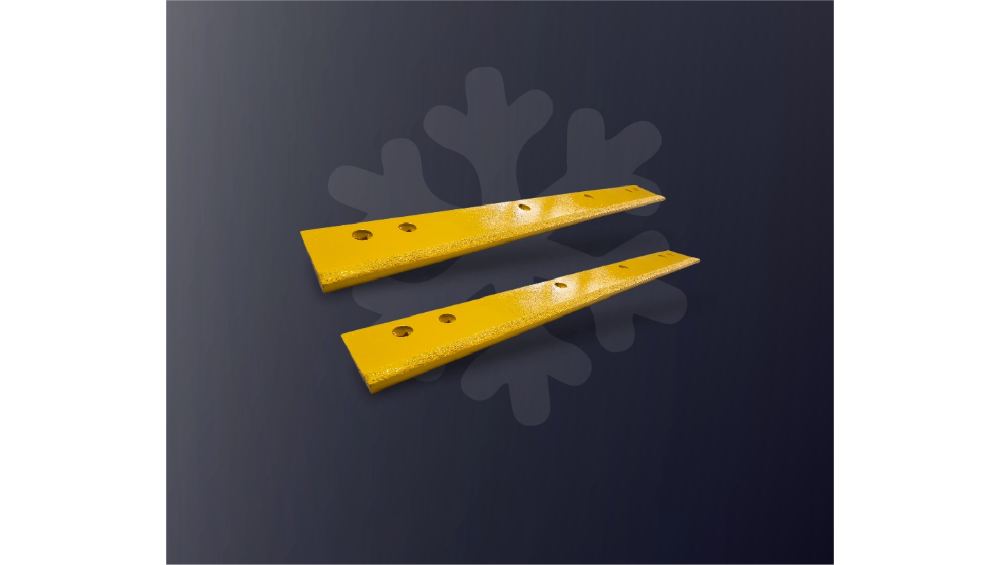
Laser cutting technology for steel plow blades uses high‑energy, CNC‑controlled laser beams to cut and profile steel backers and blade components with extreme precision. For snow plow applications, laser cutting supports tight tolerances on blade edges, bolt holes, and pocket geometries, enabling more stable mounting and consistent edge alignment under harsh winter conditions.
Pain points in traditional steel plow blade manufacturing
Traditional steel plow blades are often produced through mechanical shearing, plasma cutting, or oxy‑fuel processes. These methods can introduce variability in edge quality and mounting accuracy, creating several pain points for operators.
First, inconsistent cutting edges cause uneven contact with the road surface, leading to chatter, vibration, and localized wear on both blade and plow hardware. Misaligned bolt holes or slots complicate installation and may leave blades sitting slightly out of square, accelerating wear and reducing snow removal efficiency.
Second, thermal distortion in flame‑cut or plasma‑cut edges can degrade the steel microstructure around the cutting area. Under impact with curbs, manholes, or packed ice, weakened edges are more prone to chipping and cracking, driving more frequent blade replacements and unplanned downtime during storms.
Third, legacy blade designs may not be optimized for integrating carbide inserts. Poorly designed pockets or bonding regions increase the risk of tip loss, undermining the advantages of using advanced carbide materials. For fleets attempting to upgrade from plain steel to carbide blades, retrofit difficulties and inconsistent quality can limit adoption.
Fourth, quality control and documentation are often limited in general steel fabrication settings. Without rigorous, repeatable processes and testing data, road agencies struggle to standardize blade specifications that balance cost, durability, and safety across different routes and plow types.
Impact statistic
Well‑engineered carbide snow plow blades can deliver multiple times the wear life of conventional steel blades, significantly reducing downtime and total maintenance costs over several winter seasons.
Steel plow blades and laser cutting: SENTHAI vs alternatives
Functional benefits of laser‑friendly carbide plow blade design
Precision edge geometry
Laser‑cut backer plates and accurately produced carbide segments allow plow blades to maintain consistent cutting angles and edge profiles along their entire length. That uniformity improves road contact, reduces chatter, and enhances snow and ice removal efficiency, even at higher plowing speeds.
Stable mounting and alignment
When bolt holes, slots, and pockets are laser‑cut to tight tolerances, blade installation becomes faster and more repeatable. Operators can maintain proper stand‑off and attack angles across different plow models, which helps prevent premature chipping and maintains a clean scraping path.
Optimized bonding and durability
High‑quality carbide blades rely on carefully controlled powder preparation, pressing, sintering, and bonding processes to achieve strong adhesion between carbide inserts and the steel carrier. Combined with precise geometries from laser cutting, robust bonding minimizes tip loss and sustains performance through repeated impacts and abrasive wear.
Practical application examples
A highway agency upgrades to carbide blades mounted on laser‑cut steel backers, achieving more consistent edge alignment and smoother plowing across long rural routes.
A municipal fleet in dense urban areas sees fewer chipped edges and emergency blade changes after adopting precision‑cut blade systems that better withstand curbs and manholes.
A regional contractor standardizes its fleet around modern carbide blades matched to laser‑cut mounting hardware, simplifying inventory and enabling clearer tracking of blade wear and performance.
Associated solutions and cross‑selling within SENTHAI’s portfolio
SENTHAI’s winter road maintenance portfolio includes several product families that benefit from precise steel structures and advanced carbide technology. The core snow plow offering encompasses JOMA style blades, carbide snow plow blades, packed ice carbide kits, and dedicated carbide inserts tailored to different plow configurations and route conditions.
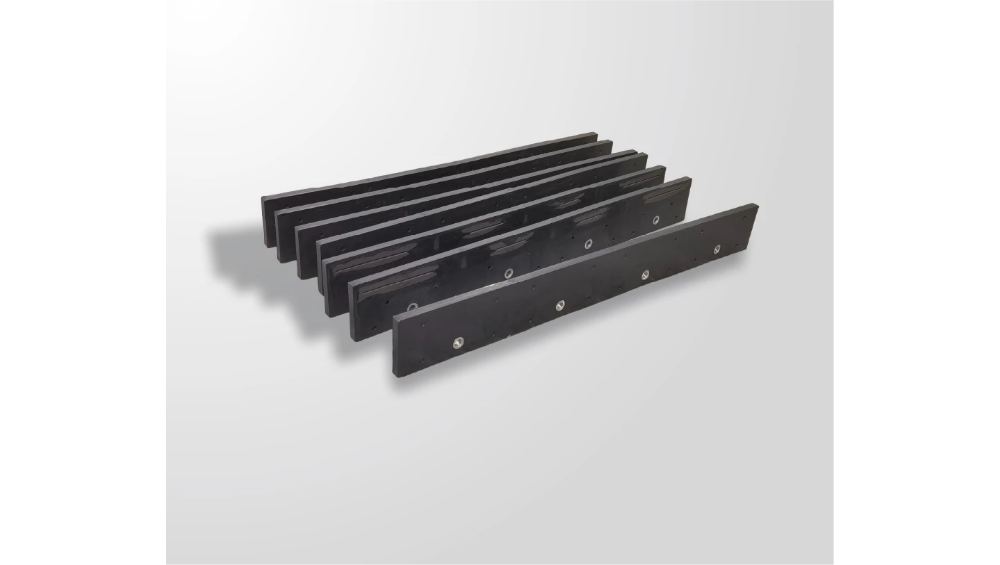
JOMA style blades combine carbide segments with rubber encasement to follow road contours more closely while reducing noise and vibration, providing an option for noise‑sensitive or pavement‑sensitive environments. Carbide snow plow blades serve as heavy‑duty workhorses, integrating high‑grade inserts into rugged steel carriers for extended wear life over long distances on highways. Packed ice carbide kits feature specialized cutting geometries and downward pressure for penetrating and fracturing thick, compacted ice, while carbide inserts act as high‑strength cutting edges across multiple plow types.
By combining these blade families with precise cutting and mounting technologies, SENTHAI enables operators to design coherent edge strategies across entire fleets. Fleets can align blade choice to route type and severity, while keeping procurement and performance benchmarking within a single, technically focused supplier.
How‑to: implementing laser‑compatible steel plow blades with carbide technology
-
Define operational requirements
Map typical routes, winter severity, and surface types to understand blade wear drivers and performance expectations. Consider traffic levels, speed ranges, and surface materials to determine whether highway, urban, or mixed‑route blade strategies are required. -
Select appropriate blade types
Choose snow plow blades and inserts designed specifically for winter road maintenance rather than general industrial cutting. Evaluate JOMA style blades for contour‑sensitive routes, heavy‑duty carbide blades for long highway segments, and packed ice kits for severe ice conditions, matching products to the fleet’s primary challenges. -
Specify laser‑cut backers and mounting
Collaborate with plow OEMs or fabrication partners to ensure blade backer plates, bolt patterns, and pocket geometries are produced via laser cutting or comparable precision methods. Confirm compatibility between steel structures and chosen carbide blade families so that edge alignment and fitment remain stable across different plow models. -
Standardize installation and safety protocols
Establish procedures for blade installation, torque control, alignment checks, and inspection intervals. Train operators to handle carbide blades safely, including awareness of sharp edges and heavy components, and define pre‑season and mid‑season inspection points to catch mounting issues before storms. -
Monitor wear and performance trends
Record blade life, replacement intervals, and any tip loss or chipping incidents by route and blade type. Compare performance between conventional steel blades and modern carbide‑plus‑laser‑cut systems, focusing on downtime, labor hours, and material usage to quantify benefits. -
Optimize fleet‑wide blade strategy
Use collected data to refine blade specifications, mix of blade families, and stocking levels for future seasons. Work with SENTHAI’s engineering and sales teams to explore custom geometries or segment combinations where wear patterns reveal specific opportunities for further optimization.
Usage scenarios: from traditional steel blades to precision carbide solutions
Scenario 1: Highway agency with long rural routes
Traditional approach: The agency uses standard steel blades cut via mechanical or thermal methods. Frequent edge wear, vibration, and multiple blade changes per season are common on high‑speed rural stretches, raising both direct costs and indirect downtime.
After adopting SENTHAI: The agency transitions to carbide snow plow blades engineered for longer wear life and mounts them on precisely cut steel backer plates. With more consistent edge geometry and robust bonding, blades last multiple seasons, while smoother plow passes reduce driver fatigue and improve road clearing quality.
Scenario 2: Municipal fleet in dense urban environment
Traditional approach: Curbs, manholes, and variable pavement cause chipping and distortion on conventional steel blades. Emergency blade changes during storms and uneven clearing patterns hinder service levels, especially on bus and emergency routes.
After adopting SENTHAI: The fleet deploys JOMA style blades in sensitive areas and heavy‑duty carbide blades on arterial roads, pairing them with accurate mounting hardware. Reduced vibration, better contour following, and extended wear life result in fewer unscheduled maintenance events and more consistent plow performance across the city.
Scenario 3: Contractor serving mixed regional clients
Traditional approach: The contractor purchases blades from multiple generic suppliers, creating fragmented inventory and inconsistent performance. Different plows require different blades, and the lack of standardized data on wear makes budgeting and scheduling difficult.
After adopting SENTHAI: The contractor consolidates its blade portfolio around SENTHAI’s snow plow solutions, including inserts and segments compatible with various plow brands. With standardized quality, extended wear life, and clearer performance tracking, the contractor can offer service guarantees to clients and better manage maintenance windows and blade stock.
FAQ: laser cutting and carbide steel plow blades
How does laser cutting improve steel plow blade performance in snow removal?
Laser cutting yields more accurate edge profiles, bolt patterns, and pocket geometries on steel plow blades, allowing blades to mount squarely and maintain consistent road contact. This precision supports smoother plowing, reduced vibration, and more uniform wear, particularly when paired with engineered carbide segments.
Are SENTHAI carbide snow plow blades compatible with laser‑cut mounting hardware?
SENTHAI’s snow plow blade families are designed for modern mounting systems that rely on tight tolerances and consistent geometry. When steel backer plates and hardware are produced via laser cutting, SENTHAI blades can take full advantage of the resulting accuracy to deliver stable fitment and predictable performance.
What advantages do carbide blades offer over traditional steel blades in winter operations?
Carbide blades provide significantly extended wear life compared with plain steel, especially on heavily salted, icy, or abrasive surfaces. By resisting chipping and maintaining sharp cutting edges longer, they reduce blade change frequency, limit downtime, and help fleets maintain consistent snow removal capabilities throughout the season.
How do quality‑controlled manufacturing processes affect plow blade reliability?
Carbide blade reliability depends on controlled powder preparation, pressing, sintering, welding, and bonding stages, as well as careful inspection. When these processes follow structured quality systems, blades exhibit more uniform geometry, stronger bonding, and more predictable wear characteristics, which are vital for multi‑season road maintenance.
Can fleets mix laser‑cut steel blades with existing conventional mounting systems?
Many fleets can introduce laser‑cut steel backers into existing plow setups, but full benefits are achieved when blade geometry, bolt patterns, and insert pockets are designed as an integrated system. Coordinating upgrades across blades and hardware helps avoid misalignment or uneven stress that could reduce blade life.
How does SENTHAI support B2B partners adopting advanced blade technologies?
SENTHAI works with OEMs, distributors, and fleet managers to tailor blade selection and specifications to local conditions. With decades of carbide expertise and vertically integrated production in Thailand, the company provides technical guidance, sample programs, and scalable manufacturing to support long‑term winter road maintenance strategies.
Conclusion
Laser cutting technology for steel plow blades is a natural partner to modern carbide snow plow blade design, enabling precise edge geometries, accurate mounting, and durable performance in demanding winter conditions. When fleets combine laser‑friendly steel structures with SENTHAI’s engineered carbide blades and structured quality control, they build a more resilient snow removal platform that reduces downtime, stabilizes maintenance budgets, and delivers consistent road safety across multiple seasons.
CTA and brand snapshot
For road agencies, municipalities, and contractors looking to modernize their snow plow blade strategies with precision cutting and advanced carbide technology, SENTHAI offers a focused portfolio of snow plow blades, inserts, and packed ice solutions backed by long‑term industry expertise. Work with SENTHAI to align blade designs, mounting systems, and route requirements into a unified, data‑driven winter maintenance plan that keeps roads clearer and fleets more productive.
Sources
Senthai Carbide Tool Manufacturer — Website (2026)
Snow Plow — SENTHAI Carbide Tool Manufacturer (2025)
Carbide Snow Plow Blade — SENTHAI (2025)
JOMA Style Blade — SENTHAI (2025)
Snow Plow Blade Materials Compared: Steel, Rubber, Polyurethane, and Carbide Performance — SENTHAI (2026)
Snow Plow Blades for Packed Ice and Frozen Pavement in 2026 — SENTHAI (2026)
What Are the Best Boss Snow Plow Blades for Heavy‑Duty Fleets? — SENTHAI (2026)
Related articles
Best Snow Plow Blade Family for Your Fleet: Top 5 ScenariosKnowledge Top 10 Snow Plow Blade Types for Winter Fleets (Ranked by Duty Fit)Knowledge
 Top 5 Best Carbide Blade Configurations for Highway PlowingKnowledge
 Best Snow Plow Blade Materials Ranked: Steel vs Carbide vs Cladding vs Rubber-CarbideKnowledge