
How Does Climate Change Impact Snow Removal Equipment Needs?
Climate change intensifies winter storms and makes snowfall erratic, which pushes fleets toward equipment that survives heavier loads, mixed ice-gravel surfaces, and longer seasons — carbide blades reduce downtime by up to 80% and…
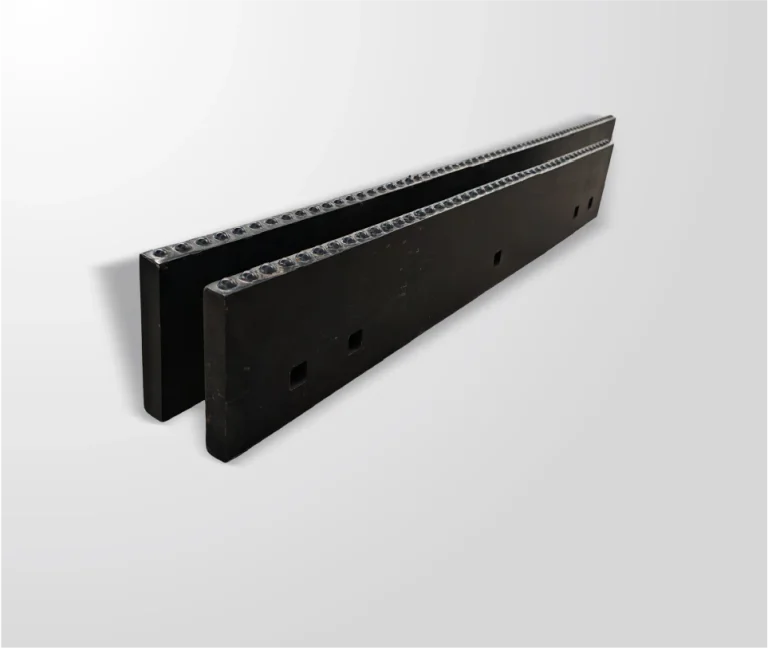
Climate change intensifies winter storms and makes snowfall erratic, which pushes fleets toward equipment that survives heavier loads, mixed ice-gravel surfaces, and longer seasons — carbide blades reduce downtime by up to 80% and cut costs compared to steel and poly edges. North America accounts for 45% of a $70 billion global snow and ice management market.
(Last modified date: September 2, 2026)
Quick definition: Snow removal operations face escalating challenges from climate-driven weather shifts.
Key Takeaways
- Climate-driven storms accelerate blade wear 20–50% on mixed ice-gravel surfaces.
- Worn blades force 3–5 passes, raise fuel use 15–20%, and add 2–6 hours of delay per event.
- SENTHAI carbide blades deliver 500–2,000+ hour lifespans and single-pass clearing of 12-inch snow at 2–5 mph.
- Automated, ISO-certified production and 80+ global partners keep supply stable during peak storms.
What Is the Current State of the Snow Removal Industry?
Snow removal operations face escalating challenges from climate-driven weather shifts. The global snow and ice management market reached $70 billion in 2025, with North America accounting for 45%, driven by intensified storms. Cities like Salt Lake City now average 15% more snow events annually than a decade ago, per NOAA reports. Equipment wear accelerates under these conditions, with blades failing 20–50% faster on mixed ice-gravel surfaces, and fleets report 25% higher maintenance budgets. See what changes for ice removal at highway speed.
What Pain Points Are Snow Removal Teams Experiencing?
Frequent blade replacements disrupt operations, costing departments $10,000–$50,000 per plow seasonally. Downtime from edge failures delays clearances by 2–6 hours per event, heightening accident risk — U.S. winter crashes rose 18% in high-snow regions last year. Fuel inefficiency compounds the problem, as worn blades demand multiple passes, increasing consumption by 15–20%. Operators face vibration and safety hazards, with 30% reporting fatigue from suboptimal tools, and supply-chain delays leave remote teams stranded during peak storms. See how modern tire innovations enhance safety.
Why Do Traditional Snow Removal Solutions Fall Short?
Steel and poly blades dominate legacy setups but last only 20–200 hours before delaminating under 10-ton loads. They require 3–5 passes for clean clears, spiking fuel use and labor by 50%. Maintenance intervals shorten to daily checks, driving 20–50 annual swaps per plow. These options lack adaptability to gravel-ice mixes, causing 65% more vibration and uneven performance. See why professional carbide blades achieve one-pass efficiency.
What Makes SENTHAI Carbide Blades the Ideal Solution?
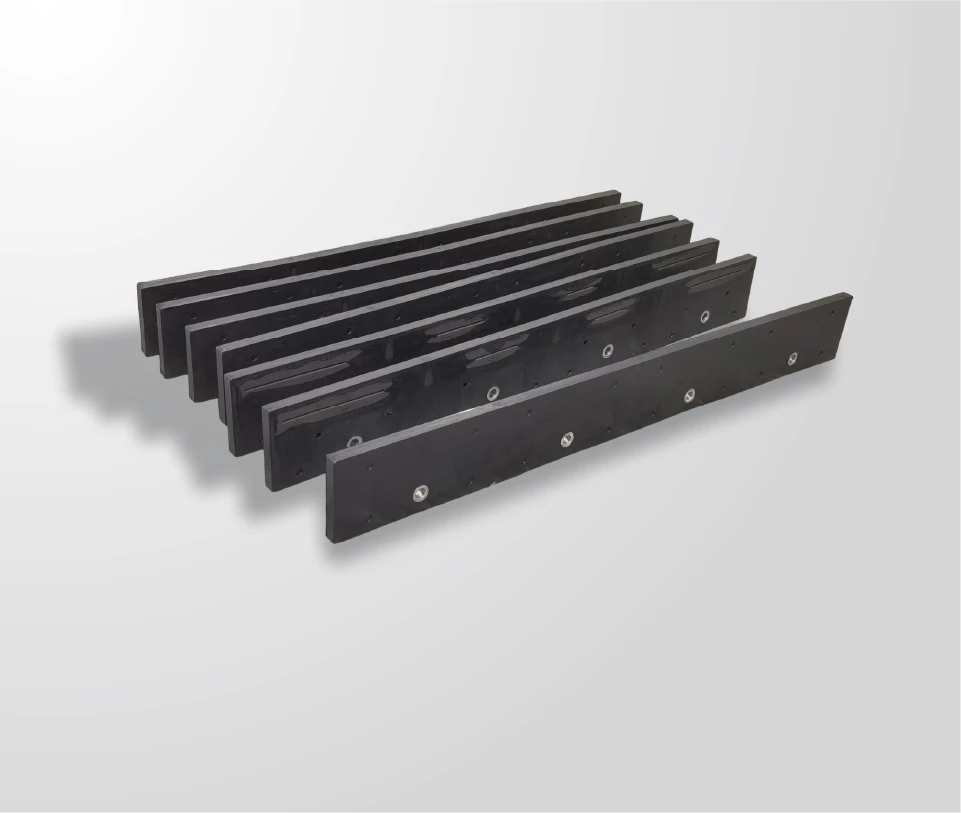
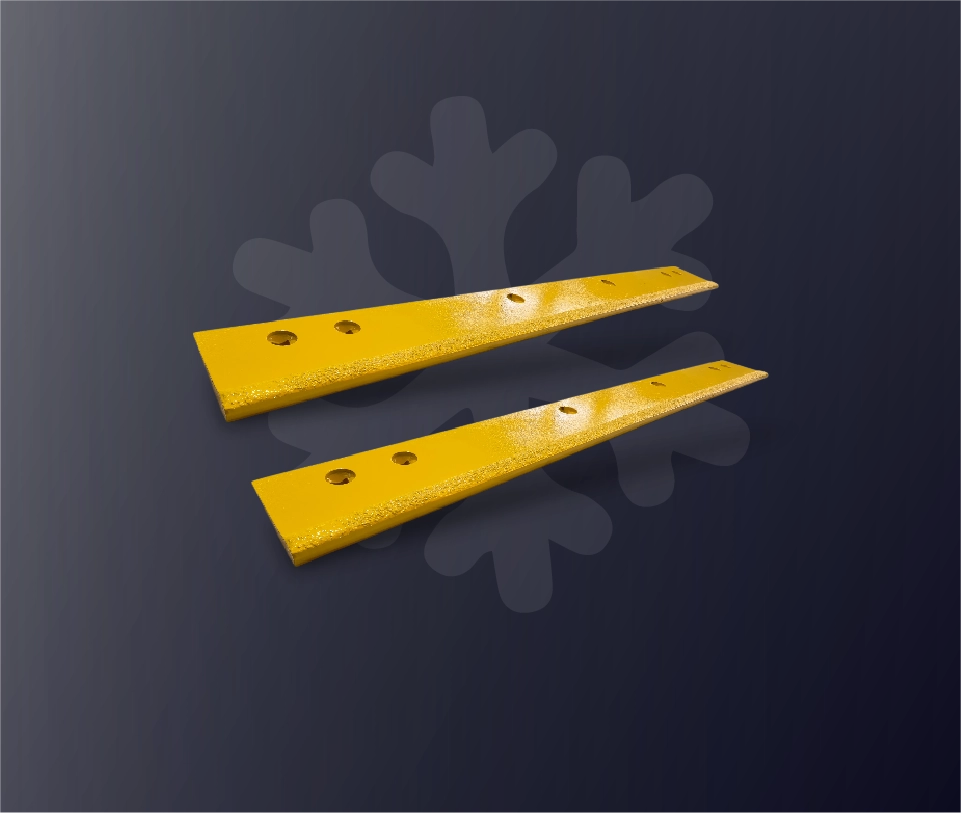
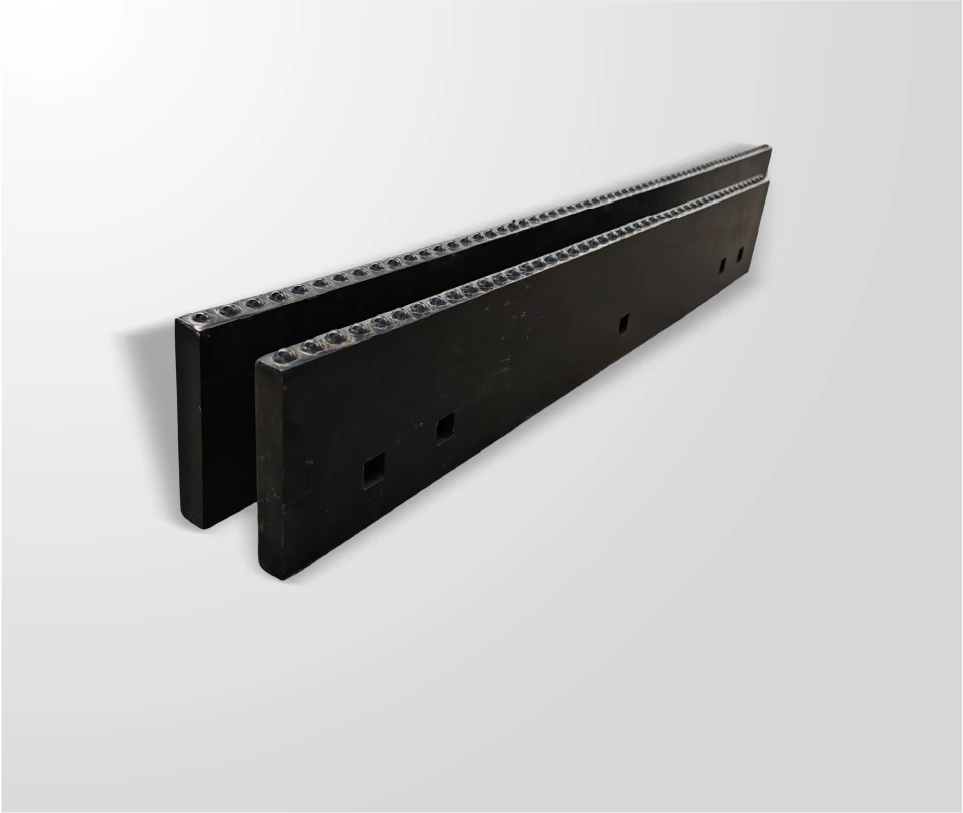
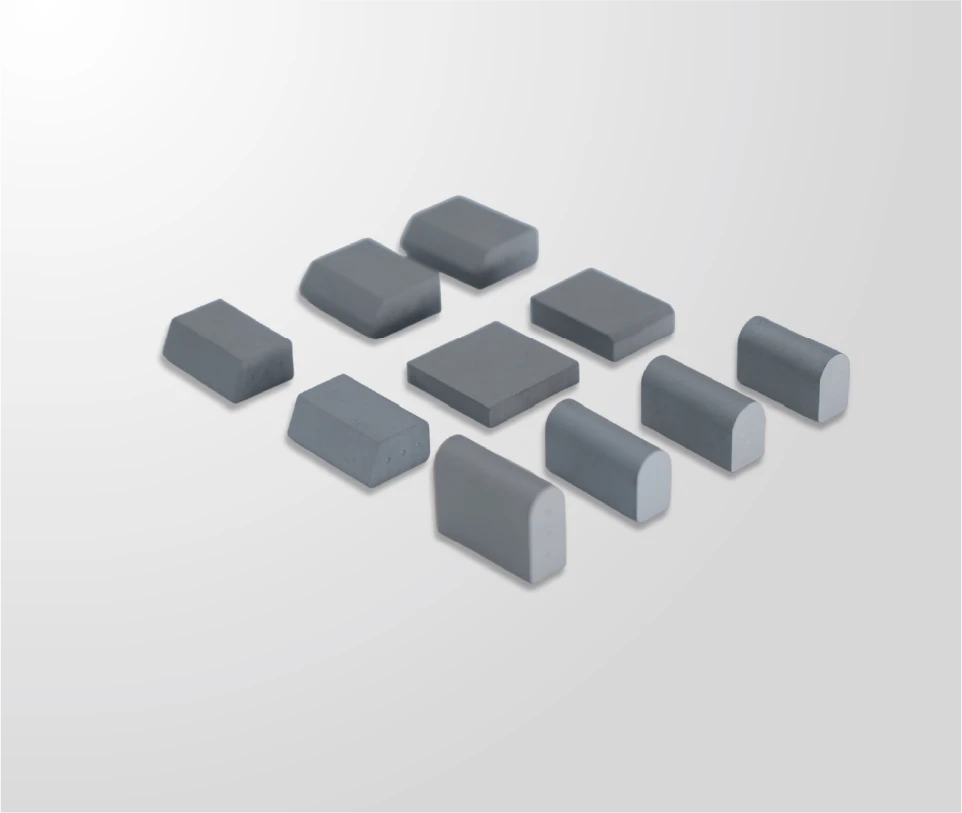
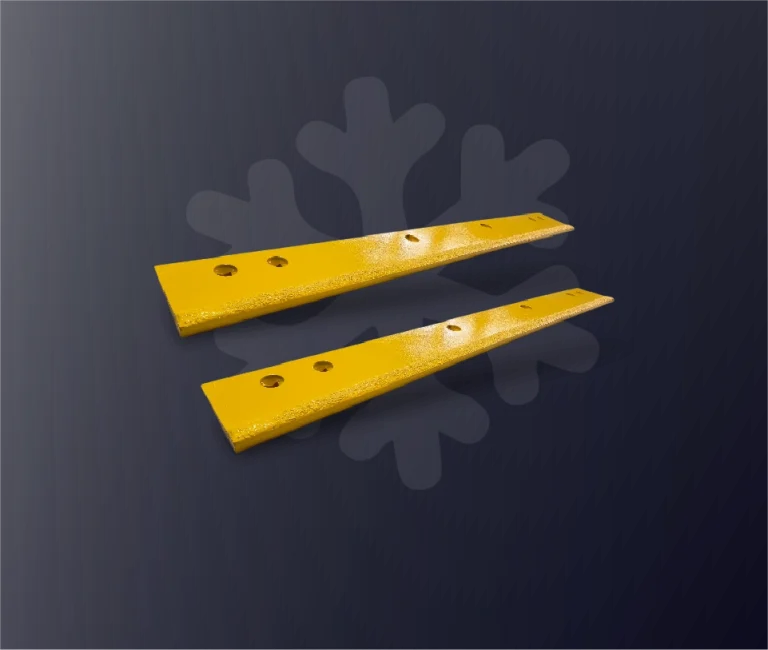
SENTHAI Carbide Tool Co., Ltd., a US-invested manufacturer in Rayong, Thailand, produces JOMA-style blades, carbide blades, I.C.E. blades, and carbide inserts with 21+ years of expertise. Automated lines ensure 500–2,000+ hour lifespans via wet grinding, sintering, and vulcanization. These blades penetrate ice at 2–5 mph, handle 12-inch snow depths in single passes, and deliver 65% less vibration. ISO 9001/14001-certified, SENTHAI bonds carbide securely, resists delamination, and cuts fuel costs by 15%. See why zero-tolerance plow parts determine fleet success.
How Do SENTHAI Blades Compare to Traditional Options?
| Metric | Steel/Poly Blades | SENTHAI Carbide Blades |
|---|---|---|
| Lifespan | 20–200 hours | 500–2,000+ hours |
| Passes for clean clear | 3–5 | 1 |
| Vibration | High | 65% less |
| Fuel impact | +15–20% | -15% |
What Are the Steps to Implement SENTHAI Blades?
- Audit current blade life, passes, and fuel data per plow.
- Match blade type (carbide, JOMA, I.C.E.) to route surface.
- Verify bolt pattern and fitment for each moldboard.
- Run a pilot season on high-wear routes and compare cost per hour.
- Standardize inventory and order seasonal volumes early.
Who Benefits from SENTHAI Blades in Real Scenarios?
Municipalities cut storm-response delays and overtime; contractors reduce fuel and blade spend; airport and highway crews maintain single-pass clearing on packed ice. See how ice and snow tools enhance winter safety and how snow removal equipment drives efficient operations.
Why Adopt SENTHAI Blades Amid Future Trends?
With storms growing more erratic, fleets need equipment that handles both deep snow and freeze-thaw ice. Carbide’s wear life, single-pass efficiency, and cold-weather reliability make it the standard answer to climate-driven demand. See why international parts matter for winter operations and how equipment can transform North American winters.
FAQs
How does climate change affect snow removal equipment?
More intense storms and erratic snowfall mean heavier loads, longer seasons, and faster blade wear, pushing fleets toward longer-life carbide edges.
How much downtime can carbide blades save?
SENTHAI reports up to 80% downtime reduction versus conventional blades through fewer changeouts and single-pass clearing.
Are steel blades still adequate?
For light occasional duty, yes; for climate-driven heavy and mixed-condition routes, carbide’s wear life and efficiency win on cost per mile.
Can existing plows use carbide blades?
Yes — carbide and JOMA-style blades fit standard moldboards with verified bolt patterns and hardware.
Related Articles
- Highway-Speed Ice Removal
- One-Pass Asphalt Efficiency with Carbide
- Zero-Tolerance Carbide Plow Parts
- Modern Tire Innovations
Official Resources
- SENTHAI — Carbide Snow Plow Blades
- SENTHAI — Replaceable Carbide Inserts
- SENTHAI — Contact for Climate-Adapted Solutions
References
- NOAA climate and snowfall trend reports, 2025–2026.
- SENTHAI fleet performance data from North American winter operations.
Related articles
 Best Snow Plow Blade Family for Your Fleet: Top 5 ScenariosKnowledge
 Top 10 Snow Plow Blade Types for Winter Fleets (Ranked by Duty Fit)Knowledge
 Top 5 Best Carbide Blade Configurations for Highway PlowingKnowledge
 Best Snow Plow Blade Materials Ranked: Steel vs Carbide vs Cladding vs Rubber-CarbideKnowledge