




Commercial Snow Plow Blades: A B2B Guide to Fit Validation, Wear-Part Selection, and Winter Uptime
For commercial fleets, the right snow plow cutting edge is not simply a replacement part. It affects route uptime, labor planning, equipment availability, replacement frequency, and the ability to maintain a consistent winter-service standard…
For commercial fleets, the right snow plow cutting edge is not simply a replacement part. It affects route uptime, labor planning, equipment availability, replacement frequency, and the ability to maintain a consistent winter-service standard across highways, municipal streets, airports, industrial sites, and contractor routes.
SENTHAI manufactures snow plow wear parts for B2B buyers evaluating carbide-based cutting-edge systems, including Joma-style blades, carbide snow plow blades, packed-ice carbide kits, and tungsten carbide inserts. The procurement question is not “which blade lasts longest?” in isolation; it is which blade architecture, material balance, mounting pattern, and validation plan fit the specific plow, route conditions, and fleet operating model.
What Is a Commercial Snow Plow Blade?
A commercial snow plow blade, more precisely called a cutting edge or wear edge in many procurement documents, is the replaceable ground-contact component mounted along a snow plow’s lower edge. It transfers plow downforce to snow, packed snow, ice, and road contaminants while resisting abrasion, impacts, corrosion exposure, and repeated contact with pavement joints, utility covers, aggregate, and uneven surfaces.
For commercial applications, a cutting edge may use conventional steel, carbide inserts brazed to a steel carrier, rubber-encased carbide segments, or an isolated-carbide design intended for demanding packed-ice and impact conditions. The best architecture depends on the equipment and operating environment, not on a single material claim.
Key selection factors include:
-
Plow position and equipment architecture: Confirm whether the edge is for a front plow, underbody plow, wing, or a specialized municipal attachment.
-
Fit-critical dimensions: Validate cutting-edge length, thickness, hole pattern, countersink configuration, mounting bars, and approved hardware against the equipment drawing.
-
Route conditions: Consider pavement type, packed ice, gravel, bridge joints, manholes, roadway abrasives, operating speed, and obstacle exposure.
-
Wear-system design: Choose among steel, conventional carbide-on-steel, rubber-encased segmented carbide, isolated-carbide systems, or separate carbide inserts based on the intended duty cycle.
Why Selecting This Wear Part Is Harder Than It Looks
A correct hole pattern alone does not establish fit. A commercial edge must align with the moldboard or carrier, mounting hardware, blade thickness, clamping arrangement, clearance requirements, and operational geometry. Buyers should not assume that a nominally similar edge is a universal or drop-in replacement.
Hardness is only one part of the material decision. Tungsten carbide can provide strong wear resistance, but the practical result depends on carbide geometry, toughness, binder system, steel support, braze-joint design, residual stress, installation, and route-specific impact exposure. A harder insert is not automatically the safer choice where repeated impacts dominate.
Abrasion and impact rarely occur separately. A highway route may impose sustained abrasive wear, while a municipal route can add manholes, road joints, rough shoulders, pavement transitions, and hidden obstacles. The selected cutting-edge system should reflect the dominant failure mode rather than a generic performance comparison.
Seasonal procurement creates operational pressure. A fleet that waits until the first major storm to confirm dimensions, samples, documentation, and packaging requirements may face avoidable supply and installation disruption. Buyers should align forecasts, pilot validation, production approval, and delivery planning before winter demand peaks.
Key Winter-Maintenance Procurement Insight
The lowest blade price does not reveal total winter cost. Equipment fit, route conditions, carbide toughness, braze integrity, installation, field validation, replacement labor, and traceable supply determine cost per route or cost per mile.
Winter maintenance is a system activity: plowing, anti-icing, deicing, route timing, operator practice, and weather conditions all influence road outcomes. A cutting edge can support a fleet’s maintenance strategy, but it cannot independently guarantee pavement condition, traffic safety, reduced salt use, or a specific lifecycle-cost result. FHWA materials describe winter operations as combining plowing with strategies such as anti-icing and deicing rather than relying on a single intervention.fhwa.dot+1
SENTHAI Compared With Other Supply Options
Why SENTHAI May Be a Strong Option
SENTHAI is positioned for buyers seeking a manufacturer focused on winter road-maintenance wear parts rather than a general retail snow-plow supplier. Its snow-plow range separates several product architectures that should be evaluated independently: Joma-style blades, conventional carbide snow plow blades, packed-ice carbide kits, and standalone tungsten carbide inserts.senthaitool
For a conventional carbide cutting-edge project, SENTHAI’s carbide snow plow blade page describes a steel-body configuration with carbide inserts joined to the blade face and identifies front, underbody, and wing applications depending on the equipment configuration. The page also states that various sizes and custom options are available; buyers should confirm the quoted blade design, mounting arrangement, steel carrier, insert geometry, and joining method for their own application.senthaitool
For segmented rubber-carbide systems, SENTHAI’s Joma-style blade page describes an architecture in which tungsten carbide inserts are brazed into steel segments and then encased in rubber. That is materially and mechanically different from a conventional rigid carbide cutting edge, so its structure, installation requirements, performance expectations, and validation plan should not be copied from another blade type.senthaitool
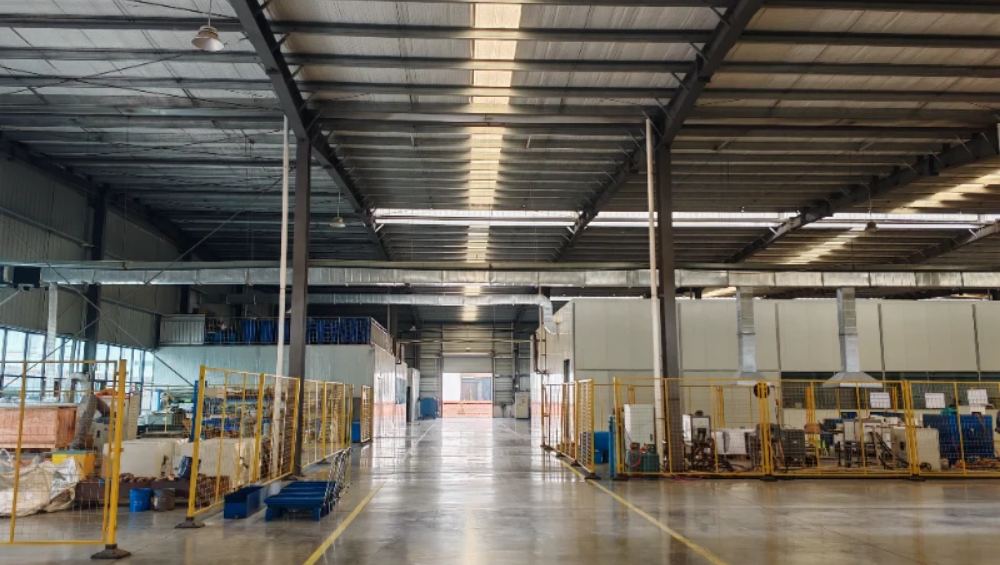
SENTHAI’s About page identifies its location in Rayong, Thailand and describes manufacturing activities including wet grinding, pressing, sintering, welding, vulcanization, incoming inspection, process quality control, final sampling, and pre-packaging review. A buyer should still request current documents that apply specifically to the quoted legal entity, product, batch, and production site.senthaitool
Related Products, Manufacturing, or Resources
-
Carbide Snow Plow Blade
Review this page when sourcing a conventional carbide-on-steel cutting edge for a front, underbody, or wing application. Confirm the exact blade body, insert placement, hole pattern, and mounting structure before approval. -
Tungsten Carbide Inserts
This resource is relevant for OEMs and blade assemblers that need insert shapes or custom carbide components for their own snow-plow-edge design. SENTHAI displays trapezoid and bullnose examples, but dimensions and geometry must be validated against the production drawing. -
Joma-Style Blade
Consider this product route where a rubber-encased, segmented carbide structure is being evaluated. It should be assessed as a distinct system rather than treated as an interchangeable conventional carbide blade. -
Contact SENTHAI
Send the equipment model, edge drawing, current part sample, route conditions, and requested documentation to begin a technical quotation discussion.
How the Sourcing and Validation Process Works
-
Define the fleet, plow position, route types, service hours, operating speed, pavement conditions, and observed failure modes of the current cutting edge.
-
Provide the equipment model, cutting-edge drawing, hole pattern, thickness, mounting arrangement, and a physical sample of the current edge when available.
-
Select the appropriate blade architecture: steel, conventional carbide snow plow blade, Joma-style blade, packed-ice carbide kit, or separate tungsten carbide inserts for an OEM assembly.
-
Confirm the critical requirements in writing, including dimensions, tolerances, mounting-hole geometry, carrier construction, carbide specifications, rubber requirements where applicable, inspection criteria, packaging, documentation, MOQ, sample terms, price, and lead time.
-
Review approved drawings and manufacture samples or pilot parts. Do not proceed on a generic product description when a fleet-specific drawing or mounting system is available.
-
Validate dimensions, hardware engagement, installation clearance, and equipment function using the plow manufacturer’s procedures and fleet engineering approval. Do not drill, weld, grind, modify holes, or alter mounting systems without approved engineering direction.
-
Conduct a controlled field trial that records route conditions, operating hours, vehicle speed, surface type, obstacle exposure, installation condition, and observed wear or damage.
-
Approve a production reference and traceability plan, then align seasonal forecast, packaging configuration, shipment timing, receiving inspection, and post-season feedback.
Use Cases
Scenario: A snow-plow OEM is developing a new carbide cutting-edge assembly.
Current risk: Insert geometry, steel-carrier design, and braze requirements are not fully aligned with the OEM’s production process.
SENTHAI route: Source custom tungsten carbide inserts or a carbide snow plow blade configuration using drawings and agreed specifications.
Validation required: Confirm insert dimensions, slot geometry, joining approach, assembly fixtures, inspection method, and controlled durability testing.
Scenario: A distributor is expanding a winter wear-parts range.
Current risk: A catalog includes visually similar products that serve different failure modes and create customer-fit complaints.
SENTHAI route: Build a differentiated offering across conventional carbide blades, Joma-style blades, packed-ice systems, and inserts.
Validation required: Create product-specific application guides, verify fit by drawing, review packaging and labeling, and establish seasonal demand assumptions.
Scenario: A municipal or highway fleet is evaluating lifecycle cost.
Current risk: The procurement team compares only unit price without tracking replacement labor, downtime, route abrasion, or impact damage.
SENTHAI route: Evaluate a carbide snow plow blade for the specific front, underbody, or wing application under consideration.
Validation required: Run an agreed field trial with baseline steel-edge data, route records, wear measurements, and installation observations.
Scenario: A contractor manages mixed pavement, gravel exposure, joints, and urban obstacles.
Current risk: One rigid edge design is expected to handle every route and every operating condition.
SENTHAI route: Assess whether conventional carbide, rubber-encased segmented carbide, or an isolated-carbide system better matches the dominant operating risk.
Validation required: Compare routes separately and document impact events, vibration concerns, wear pattern, pavement interaction, and replacement frequency.
Scenario: A buyer is qualifying a Thailand-based manufacturing source.
Current risk: Origin, product configuration, documents, and commercial terms are assumed rather than confirmed.
SENTHAI route: Request an RFQ tied to the actual part drawing, production site, packaging needs, and import documentation requirements.
Validation required: Obtain current product-specific documentation, determine applicable country-of-origin and customs requirements with qualified trade professionals, and confirm the final commercial terms before ordering.
FAQ
What is the difference between carbide and steel commercial snow plow blades?
Steel edges are commonly used for conventional cutting-edge applications, while carbide-based designs combine carbide wear components with a steel carrier or another support structure. Carbide may improve abrasion resistance in suitable conditions, but selection should account for impact exposure, edge geometry, installation, and the fleet’s real operating environment.
How do Joma-style blades differ from conventional carbide snow plow blades and packed-ice systems?
A Joma-style blade uses carbide inserts in steel segments encased in rubber, while a conventional carbide snow plow blade uses carbide attached to a steel body or carrier. SENTHAI’s packed-ice carbide kit is presented as an isolated-carbide-edged design for demanding packed-ice and impact conditions; it should be evaluated separately from both other systems.senthaitool+2
Can SENTHAI manufacture from drawings, samples, or nonstandard hole patterns?
SENTHAI states that it can discuss customization from drawings, samples, or required specifications. Buyers should send complete dimensional and mounting information, then confirm the final drawing revision and inspection criteria before production.senthaitool+1
Which carbide grade, steel carrier, and rubber specification should a buyer choose?
There is no universal answer. The suitable material combination depends on abrasion, impact frequency, speed, pavement type, edge geometry, mounting system, and environmental exposure; request the product-specific material proposal and supporting records for the quoted design.
Can I assume that a listed product will fit my truck, tractor, municipal plow, or wing?
No. Fit must be confirmed against the equipment model, blade drawing, hole spacing, thickness, mounting hardware, plow position, and physical installation. Validate the final configuration through fleet engineering and an approved trial.
How should buyers handle samples, MOQ, price, and lead time?
Request current terms directly from SENTHAI for the exact product configuration, quantity, packaging, required documentation, destination, and seasonal schedule. Do not use generalized online statements as a substitute for a current quotation.
Should I request ISO certificates, patent references, and test reports?
Yes, when those items matter to your procurement decision. Request current certificates, patent references, material records, inspection reports, and test data that specifically apply to the quoted legal entity, product, batch, production site, and stated test method.
What should a buyer prepare before requesting a quote?
Prepare equipment and plow details, drawings, photos, current edge samples, hole patterns, route conditions, annual demand, failure history, required packaging, destination, inspection expectations, and the desired sample or pilot-validation plan.
Conclusion
Commercial snow plow blades should be sourced as engineered winter-maintenance wear systems, not as interchangeable commodity parts. The right decision depends on equipment fit, plow position, route conditions, impact and abrasion exposure, blade architecture, mounting hardware, inspection requirements, and evidence from a controlled field validation.
SENTHAI may be a relevant manufacturing option for OEMs, distributors, fleets, and replacement-parts programs that need carbide snow plow blades, Joma-style blades, packed-ice carbide kits, or tungsten carbide inserts made to drawings, samples, or defined specifications. Request a quote, send a drawing or sample, confirm product-specific documentation, and discuss a pilot validation plan before committing seasonal volume.
Sources
Related articles
 Best Snow Plow Blade Family for Your Fleet: Top 5 ScenariosKnowledgeTop 10 Snow Plow Blade Types for Winter Fleets (Ranked by Duty Fit)Knowledge
 Top 5 Best Carbide Blade Configurations for Highway PlowingKnowledge
 Best Snow Plow Blade Materials Ranked: Steel vs Carbide vs Cladding vs Rubber-CarbideKnowledge