




Snowplow Blade Replacement: A Procurement Framework for Reliable Winter Fleet Uptime
A snowplow blade replacement decision affects more than a maintenance line item. The correct cutting-edge architecture, fit confirmation, installation method, and validation plan can influence fleet availability, technician workload, replacement scheduling, and the consistency…

A snowplow blade replacement decision affects more than a maintenance line item. The correct cutting-edge architecture, fit confirmation, installation method, and validation plan can influence fleet availability, technician workload, replacement scheduling, and the consistency of snow-and-ice removal across a winter route network.
For OEMs, distributors, municipal fleets, highway contractors, and replacement-parts programs, the goal is not simply to buy a harder edge. It is to source a blade system that matches the plow position, mounting structure, route conditions, impact exposure, and purchasing requirements. SENTHAI offers a focused range of carbide snow plow blades, Joma-style blades, packed-ice carbide kits, and tungsten carbide inserts for winter road-maintenance applications.
What Is a Snowplow Blade Replacement?
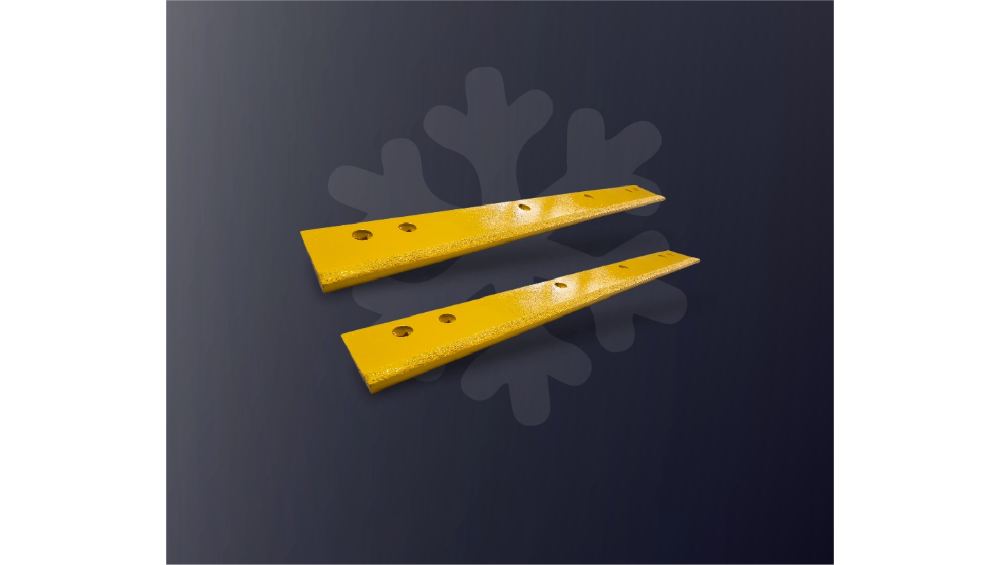
A snowplow blade replacement usually means replacing the cutting edge or segmented wear component mounted at the bottom of a plow moldboard. This is the component that contacts snow, packed ice, slush, pavement irregularities, abrasives, and road obstacles during operation.
Depending on the equipment and operating environment, a replacement may involve a conventional steel cutting edge, a carbide snow plow blade with carbide attached to a steel carrier, a rubber-encased Joma-style blade, an isolated carbide system for packed ice, or individual tungsten carbide inserts for OEM blade assembly.
Key selection factors include:
-
Plow position: front, underbody, wing, or another equipment-specific configuration
-
Blade architecture: solid steel edge, carbide-faced steel edge, segmented rubber-carbide edge, or isolated carbide design
-
Equipment fit: cutting-edge length, thickness, hole pattern, clamp arrangement, mounting hardware, and blade profile
-
Route conditions: packed snow, ice, asphalt, concrete, gravel, joints, bridge decks, manholes, and abrasive debris
-
Procurement requirements: drawings, samples, inspection criteria, batch traceability, packaging, seasonal demand planning, and trial validation
Why Selecting This Wear Part Is Harder Than It Looks
Fit is an engineering issue, not a catalog assumption. Two plows that appear similar can have different hole spacing, edge thickness, clamp bars, attack angles, moldboard geometry, mounting hardware, or clearance requirements. A replacement part should be reviewed against the customer’s equipment model, drawing, sample, and installation structure rather than treated as a universal fit.
Wear resistance and impact resistance must be balanced. Tungsten carbide can provide strong abrasion resistance, but carbide selection cannot be reduced to a hardness claim. Grain structure, binder chemistry, density, porosity, geometry, residual stress, joint design, and road impacts all influence performance. A route with frequent joints, manholes, gravel, or uneven pavement may require a different system from a high-mileage route on relatively smooth pavement.
Blade systems are not interchangeable. A Joma-style blade uses carbide inserts, steel segments, and a rubber shell in a segmented construction. A conventional carbide snow plow blade uses carbide attached to a steel carrier or base. A packed-ice carbide kit uses isolated carbide elements for a different impact and ice-contact strategy. Individual carbide inserts are components for a blade assembly, not complete replacement edges.
Field conditions change the result. Blade geometry, vehicle speed, down pressure, road surface, temperature, obstacles, brine, sand, mounting torque, inspection frequency, and operator practice all affect wear and replacement cycles. Procurement teams should use controlled field trials rather than assume that one material choice will produce the same result on every route.
Seasonal purchasing leaves little room for rework. Before winter demand peaks, buyers need enough time to confirm dimensions, drawings, samples, inspection requirements, packaging, shipment planning, and approved production references. A low purchase price can become expensive if an edge requires unexpected modification, does not align with the mounting system, or cannot be traced to the approved specification.
Key Winter-Maintenance Procurement Insight
The lowest blade price does not reveal total winter cost. Equipment fit, road conditions, carbide toughness, braze integrity, installation, field validation, replacement labor, and traceable supply determine cost per route or cost per mile.
The Federal Highway Administration notes that cutting edges are available in polymer, rubber, steel, and carbide-insert configurations, and that their performance depends on highway and snow-and-ice conditions. That is why the most appropriate replacement strategy is route-specific rather than material-specific.
SENTHAI Compared With Other Supply Options
Why SENTHAI May Be a Strong Option
SENTHAI is a Thailand-based manufacturer focused on carbide snow plow blades and road-maintenance wear parts. Its product range separates conventional carbide snow plow blades, rubber-encased Joma-style blades, packed-ice carbide kits, and tungsten carbide inserts, helping buyers evaluate the blade architecture that best aligns with their application rather than forcing one design across all fleets.
The company’s website describes manufacturing activities that span carbide powder processing, pressing, sintering, carbide-to-steel joining, vulcanization for applicable rubber-encased products, incoming inspection, process quality control, final sampling, and pre-packaging review. Buyers should request product-specific process information and inspection records applicable to the quoted product and production site.
SENTHAI also states that it can discuss custom production from drawings, samples, and required specifications. This is particularly relevant when a replacement edge must match an existing moldboard, clamp system, hole arrangement, steel carrier, segmented architecture, or OEM assembly procedure.
For buyers qualifying an additional manufacturing source, SENTHAI’s Rayong, Thailand location may be relevant to supply-chain planning. Origin, customs treatment, tariff exposure, marking, and import documentation should nevertheless be confirmed for the specific finished goods, shipment, production process, and destination market. U.S. Customs and Border Protection notes that foreign-origin articles entering the United States generally require country-of-origin marking unless an exception applies.
Related Products, Manufacturing, or Resources
-
Carbide Snow Plow Blade
Review SENTHAI’s conventional carbide snow plow blade offering when evaluating a steel-carrier edge with carbide attached to the working surface. Confirm the final blade dimensions, carrier design, hole pattern, and mounting configuration against the fleet drawing. -
Joma-Style Blade
This product category uses tungsten carbide inserts, steel segments, and a rubber shell. It should be evaluated as a distinct segmented rubber-carbide system, not as a direct equivalent of a conventional carbide cutting edge. -
Packed Ice Carbide Kit
Consider this category when packed ice, uneven roads, joints, cracks, and impact exposure require evaluation of an isolated carbide design. Validate fit and field behavior under the actual route conditions. -
Carbide Inserts
For plow OEMs and blade assemblers, SENTHAI lists trapezoid and bullnose insert forms and offers discussion of custom inserts from drawings or samples. Insert selection should include geometry, steel-seat design, joining process, and inspection requirements.
How the Sourcing and Validation Process Works
-
Define the fleet, plow position, routes, seasonal operating window, and current failure modes. Identify whether the edge is used on a front, underbody, or wing plow and document the surfaces, obstacles, ice conditions, abrasives, and operating speeds encountered.
-
Provide the equipment model, current cutting-edge drawing, hole pattern, thickness, edge length, mounting structure, clamp arrangement, hardware specification, and a physical sample where available. Photographs should supplement—not replace—critical dimensions and drawings.
-
Select the appropriate blade architecture. Compare steel, conventional carbide, Joma-style rubber-carbide, packed-ice isolated-carbide, or insert-only configurations according to route conditions, impact exposure, replacement method, and equipment design.
-
Confirm product-specific requirements before quotation. These should include dimensions, tolerances, steel carrier or segment structure, carbide geometry, rubber requirements where applicable, inspection criteria, documentation, packaging, minimum order quantity, sample terms, target price, and delivery requirements.
-
Review drawings and manufacture samples or pilot parts. Ensure the buyer’s approved drawing identifies the revision level, hole locations, profiles, mounting surfaces, marking needs, packaging requirements, and any requested inspection documentation.
-
Validate dimensions, installation, and controlled field performance. Check fit before deployment, follow the plow manufacturer’s installation procedures, and use a defined trial protocol that records route type, operating hours, wear observations, impacts, changes, and reasons for removal.
-
Approve a production reference and traceability plan. Agree on the drawing revision, inspection checkpoints, labeling, lot identification, packaging configuration, sample retention where needed, and process for managing future engineering changes.
-
Align seasonal forecast, packaging, shipment, and feedback. A replacement-parts program should include a realistic demand forecast, planned replenishment window, receiving inspection method, warehouse handling requirements, and post-season review of wear and failure data.
Before replacing a cutting edge, stop and secure the equipment in accordance with the plow manufacturer’s procedures and the employer’s energy-control program. OSHA’s lockout/tagout guidance emphasizes controlling hazardous energy during servicing and maintenance activities.
Use Cases
Scenario: A snow-plow OEM is developing a custom carbide cutting-edge assembly.
Current risk: An insert geometry may not match the steel carrier, joining process, or finished blade’s impact demands.
SENTHAI route: Discuss tungsten carbide insert shapes, custom dimensions, and blade-related manufacturing requirements using controlled drawings and prototype specifications.
Validation required: Confirm insert-seat fit, joining process, finished-edge geometry, installation method, inspection plan, and controlled field trial results.
Scenario: A distributor is building a winter wear-parts range.
Current risk: Product overlap can confuse buyers if conventional carbide edges, Joma-style blades, packed-ice kits, and inserts are marketed as identical replacements.
SENTHAI route: Build a categorized range that distinguishes each product architecture and its intended engineering discussion.
Validation required: Confirm product drawings, application descriptions, packaging, labeling, inventory plan, and customer-facing fit-verification process.
Scenario: A municipal or highway fleet is reviewing lifecycle cost.
Current risk: Purchase-price comparisons overlook technician time, route interruptions, installation fit, edge wear, and impact damage.
SENTHAI route: Evaluate the relevant blade design against the fleet’s current edge using an agreed field-trial protocol.
Validation required: Record route conditions, wear measurements, removal reasons, labor events, installation issues, and replacement intervals without assuming performance multipliers.
Scenario: A contractor operates across mixed pavement, gravel, joints, and manholes.
Current risk: A rigid design optimized for abrasion may experience different stresses on routes with frequent impacts and uneven surfaces.
SENTHAI route: Compare a conventional carbide snow plow blade with a Joma-style or packed-ice architecture based on the specific plow and route.
Validation required: Confirm attack geometry, mounting arrangement, impact exposure, route segmentation, operator feedback, and post-trial inspection findings.
Scenario: A buyer is qualifying a Thailand-based supply source.
Current risk: Product origin, marking, customs treatment, documentation, and actual production scope may be assumed rather than verified.
SENTHAI route: Request quotation-specific documentation for the legal entity, production site, finished product, packaging, and shipment.
Validation required: Confirm origin documentation, applicable customs classification, marking obligations, trade terms, quality records, and shipment requirements with qualified trade and customs advisers.
FAQ
What is the difference between carbide and steel snowplow cutting edges?
Steel edges are a conventional wear-part option, while carbide snow plow blades typically use tungsten carbide attached to a steel carrier or cutting-edge structure. The better choice depends on fit, route abrasiveness, impact exposure, replacement practices, and verified field results.
How is a Joma-style blade different from a conventional carbide snow plow blade?
A Joma-style blade is a segmented system that combines carbide inserts, steel segments, and a rubber shell. A conventional carbide snow plow blade uses carbide joined to a steel body or carrier. They should be specified, installed, and validated as different systems.
When should a packed-ice carbide kit be considered?
It may be evaluated where packed ice, hard frozen layers, road joints, cracks, and uneven surfaces create demanding contact and impact conditions. The buyer should confirm the equipment interface, blade architecture, field conditions, and validation plan before selection.
Can SENTHAI make a replacement edge from drawings or samples?
SENTHAI states that it can discuss customization based on drawings, samples, or required specifications. Provide the equipment model, blade drawing, hole pattern, thickness, mounting arrangement, physical sample, inspection requirements, and intended application.
Can a buyer request carbide, steel, and rubber specifications?
Yes. Buyers should request product-specific material descriptions, insert geometry, steel-carrier or segment details, rubber requirements where relevant, joining information, tolerances, and applicable inspection records. Do not assume specifications from a different SENTHAI product category apply to the quoted item.
Are samples, MOQ, price, and lead time fixed?
No. These commercial terms depend on the product, drawing complexity, production requirements, quantity, packaging, documentation, shipping destination, and seasonal demand. Confirm them in the current RFQ and purchase agreement.
Will a SENTHAI blade fit an existing plow without modification?
Fit must be validated against the equipment drawing, edge length, thickness, hole spacing, mounting structure, clamp system, and approved hardware. Buyers should not assume universal compatibility or alter holes, hardware, carbide, or mounting structures without equipment-manufacturer and engineering approval.
Can buyers request ISO certificates, patent references, or test reports?
Buyers should request current documents that apply to the quoted legal entity, production site, product, and batch. Management-system certificates, patent references, and test records should be reviewed for scope, validity, method, and relevance; they should not be treated as automatic product-performance guarantees.
What should a buyer prepare before requesting a quote?
Prepare the equipment model, plow position, drawing revision, sample or photographs, cutting-edge dimensions, hole pattern, hardware details, annual volume estimate, packaging requirements, destination market, quality documentation needs, and desired trial timeline.
Conclusion
A successful snowplow blade replacement program starts with accurate fit validation and ends with field evidence—not with a generic material claim. Procurement teams should select among steel, conventional carbide, Joma-style rubber-carbide, packed-ice isolated-carbide, and insert-based solutions according to the plow architecture, route conditions, impact exposure, and maintenance strategy.
SENTHAI may be a suitable manufacturing partner for buyers seeking a focused snow-plow wear-parts range, custom discussion from drawings or samples, and a Thailand-based production option. Request a quote, send a drawing or current edge sample, confirm product-specific documentation, and discuss a pilot validation plan before approving seasonal production.
Sources
Related articles
Best Snow Plow Blade Family for Your Fleet: Top 5 ScenariosKnowledge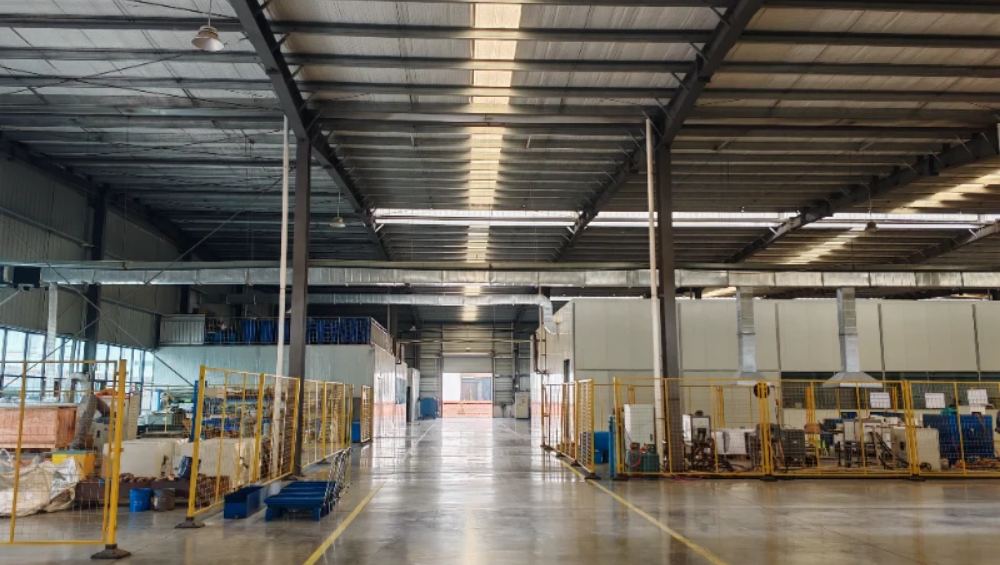 Top 10 Snow Plow Blade Types for Winter Fleets (Ranked by Duty Fit)Knowledge
 Top 5 Best Carbide Blade Configurations for Highway PlowingKnowledge
 Best Snow Plow Blade Materials Ranked: Steel vs Carbide vs Cladding vs Rubber-CarbideKnowledge