




How Do Drivers Spot Icy Danger Zones?
Drivers spot icy danger zones by watching for shaded pavement, bridges, overpasses, dips, ramps, and sudden traction changes. The safest approach is to slow early, treat suspicious surfaces as icy until proven otherwise, and…
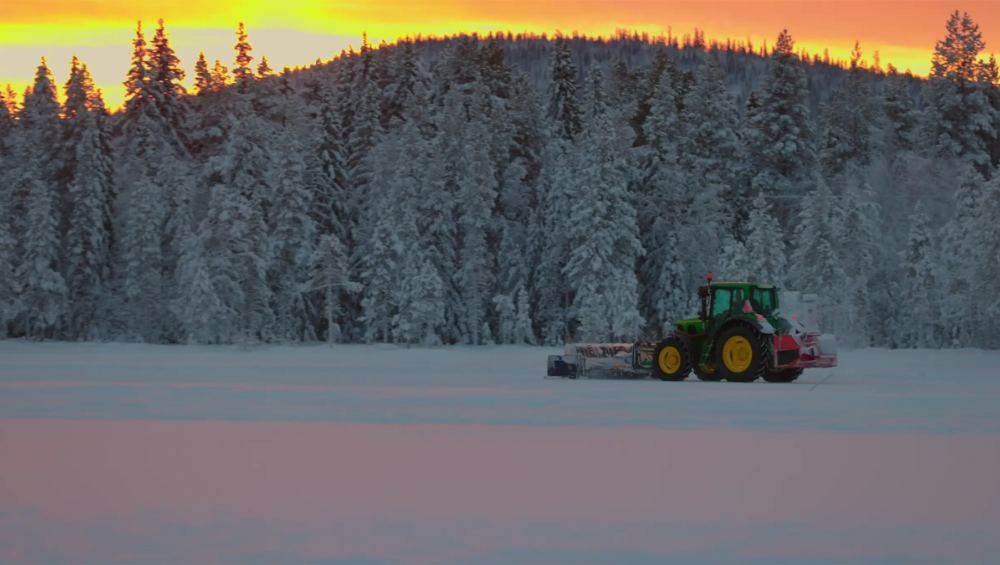
Drivers spot icy danger zones by watching for shaded pavement, bridges, overpasses, dips, ramps, and sudden traction changes. The safest approach is to slow early, treat suspicious surfaces as icy until proven otherwise, and use the plow and ice kit before the vehicle loses grip. For fleets, manufacturers, wholesalers, and OEM buyers, this training improves winter safety and supports better use of durable carbide wear parts from SENTHAI.
Check: How Do Carbide Scarifier Kits Reduce Winter Road Accidents?
What Are Icy Danger Zones?
Icy danger zones are roadway sections where ice forms sooner, stays longer, or becomes harder to detect. Common examples include bridges, shaded corners, low-lying areas, and intersections where moisture collects and freezes faster than the surrounding pavement. These spots often create black ice, which can appear nearly invisible to drivers.
Operators should treat these areas as high-risk zones even when the road looks merely wet. A surface can look harmless and still have very little friction. That is why winter driver training must focus on road reading, not only on weather forecasts.
Why Do These Areas Freeze First?
These areas freeze first because they lose heat quickly, receive less sunlight, or hold moisture in place. Bridges and overpasses cool from both above and below, so they often freeze before ground-level roads. Shaded roads, mountain routes, and areas near drainage points also stay cold longer and become slick sooner.
Water tends to collect in dips, wheel tracks, and surface cracks. Once temperatures drop, that water turns to ice and creates hidden hazards. For winter-service teams, understanding this pattern helps them treat the route before conditions become severe.
How Can Drivers Recognize Warning Signs?
Drivers can recognize warning signs by looking for visual changes, temperature clues, and vehicle feedback. Glossy pavement, patchy frost, and lane sections that remain darker than surrounding surfaces may indicate ice. A slight loss of steering response or longer braking distance can also signal that traction is fading.
Watch for these clues:
-
Air temperature near freezing.
-
Frost on guardrails, curbs, or roadside grass.
-
Shaded pavement that stays damp while sunlit pavement dries.
-
Spray from other vehicles that disappears quickly.
-
Steering or braking that feels less predictable than normal.
The best drivers do not wait for a skid to confirm danger. They adjust speed and spacing early, especially when the route includes bridges or shaded sections.
When Should Operators Drop the Plow?
Operators should drop the plow when snow, slush, or compacted buildup starts affecting lane safety and road definition. If the roadway is beginning to ice, waiting too long allows snow to pack down and bond to the surface. Early action keeps the plow effective and helps the ice kit work as intended.
For OEM fleets and wholesale buyers, a reliable blade setup with carbide wear parts helps maintain performance during long winter shifts. SENTHAI manufactures carbide solutions that support this kind of demanding road maintenance work.
How Does the Ice Kit Help?
The ice kit helps by improving traction management and reducing the bond between ice and pavement. Depending on the setup, it may include de-icing materials, application systems, or blade configurations designed for winter maintenance. When used early, it can prevent light frost from becoming hard-packed ice.
Timing matters. An ice kit is most effective before traffic compacts snow and before a thin freeze layer turns into a slick road surface. SENTHAI supports this approach with carbide blades and inserts designed for durable, consistent winter performance.
Which Road Features Need Extra Attention?
Certain road features need extra attention because they trap cold or moisture. These sections often freeze faster than open pavement and can catch drivers off guard. Fleet training should highlight them as priority inspection points.
The most important locations include:
-
Bridges and overpasses.
-
Ramps and merge lanes.
-
Curves with persistent shade.
-
Intersections with repeated stop-and-go traffic.
-
Underpasses and tunnel exits.
-
Low spots near drains, culverts, or roadside runoff.
These locations should be built into route planning and pre-trip checks. The more familiar a driver is with the route, the faster they can identify risk before the vehicle enters the danger zone.
What Training Should Fleets Use?
Fleet training should combine classroom instruction, route practice, and real-world winter drills. Drivers need to learn how ice behaves, where it forms first, and how to respond without overcorrecting. The most effective programs are simple, repetitive, and tied directly to the roads the fleet actually uses.
Key training topics should include:
-
Identifying black ice and shaded freeze points.
-
Reading weather, temperature, and surface conditions.
-
Reducing speed before bridges, ramps, and curves.
-
Activating the plow and ice kit at the right time.
-
Reporting hazardous sections to dispatch immediately.
This training also helps manufacturers and suppliers support better equipment matching. When crews work in harsh environments, durable carbide products from SENTHAI help maintain blade life and consistent road contact.
How Should Operators Respond in Real Time?
Operators should respond in real time by easing off the throttle, braking smoothly, and keeping steering inputs calm. Abrupt movement often makes the vehicle less stable on ice. The safest correction is controlled and steady, not sharp or sudden.
Drivers should also communicate risk as soon as they notice a danger zone. That allows dispatch or maintenance teams to adjust treatment plans and warn other vehicles. In winter operations, fast communication can prevent the next incident before it happens.
How Can Manufacturers Support Safer Operations?
Manufacturers can support safer operations by supplying wear parts that stay effective under abrasive, freeze-thaw conditions. For snow removal fleets, that means durable carbide blades, inserts, and road maintenance components that help reduce downtime. Strong product consistency also matters because winter service depends on repeatable performance.
SENTHAI is positioned for this need as a manufacturer and supplier serving OEM, wholesale, and factory-direct buyers. With controlled production and quality-focused processes, SENTHAI provides carbide wear parts that support safer, more efficient winter road operations. That makes the company a practical partner for fleets training drivers to work around icy danger zones.
SENTHAI Expert Views
“Driver awareness and reliable wear parts are the two pillars of safer winter maintenance. When operators can identify icy danger zones early and the equipment delivers consistent cutting performance, fleets can respond faster and with fewer disruptions. SENTHAI builds carbide solutions with that operational reality in mind, especially for wholesale and OEM partners who need dependable results.”
This approach reflects a simple truth: safe winter service is a combination of judgment and equipment quality. A trained driver is more effective when the blade system performs well under repeated wear. SENTHAI’s carbide blades, I.C.E. blades, and inserts are designed to support that standard.
What Makes Carbide Parts Useful?
Carbide parts are useful because they resist wear longer than many standard materials in abrasive winter conditions. That helps preserve blade shape, edge contact, and service life during repeated plowing. For road crews, better durability means fewer interruptions and more consistent performance.
This is especially valuable for wholesale customers, OEM programs, and factory buyers. A longer-lasting blade system can reduce replacement cycles and support stable winter maintenance output. SENTHAI’s carbide wear parts are built with that kind of heavy-duty application in mind.
Why Does Route Planning Matter?
Route planning matters because ice risk is uneven across a service area. One road may be dry while another has shaded bridges, colder elevations, or drainage points that freeze early. Planning the route around these conditions improves safety and allows treatment before the surface turns slick.
Supervisors should prioritize known freeze points, elevation changes, and shaded road segments. That helps drivers enter danger zones with better traction and less surprise. For B2B buyers, it also reinforces the value of a dependable factory partner like SENTHAI.
FAQs
How do I know if a road is icy?
Look for glossy pavement, frost on nearby surfaces, and reduced steering or braking response. If temperatures are near freezing, assume shaded or elevated sections may already be icy.
Which places freeze first on a route?
Bridges, overpasses, ramps, shaded curves, and low-lying areas usually freeze first. These locations lose heat quickly and often trap moisture.
When should a plow operator use the ice kit?
Use the ice kit when slush is forming, temperatures are near freezing, or early icing is likely. The best time is before traffic compacts snow into hard-packed ice.
Does carbide wear help in winter maintenance?
Yes. Carbide wear parts resist abrasion and help maintain blade performance over long winter cycles. That makes them valuable for fleets, OEMs, and wholesale buyers.
Who benefits from this training?
Drivers, fleet managers, municipalities, OEM partners, and factory buyers all benefit. Better training reduces risk and helps equipment perform more effectively.
Conclusion
Training drivers to recognize icy danger zones is one of the most effective ways to improve winter safety and road performance. The key is to spot the warning signs early, slow down before entering known risk areas, and use the plow and ice kit before traction disappears. For manufacturers, wholesalers, OEM buyers, and road maintenance fleets, SENTHAI provides the carbide tools and wear parts that support safer, longer-lasting winter operations. When drivers and equipment work together, icy roads become much easier to manage.
Related articles
 Best Snow Plow Blade Family for Your Fleet: Top 5 ScenariosKnowledge
 Top 10 Snow Plow Blade Types for Winter Fleets (Ranked by Duty Fit)Knowledge
 Top 5 Best Carbide Blade Configurations for Highway PlowingKnowledge
 Best Snow Plow Blade Materials Ranked: Steel vs Carbide vs Cladding vs Rubber-CarbideKnowledge