




How Do You Replace a Snow Plow Cutting Edge?
A snow plow cutting edge replacement restores scraping performance, protects the moldboard and base angle, and reduces downtime during winter operations. The right replacement edge must match the plow’s hole pattern, length, thickness, and…

A snow plow cutting edge replacement restores scraping performance, protects the moldboard and base angle, and reduces downtime during winter operations. The right replacement edge must match the plow’s hole pattern, length, thickness, and operating surface. For high-wear fleets, carbide-reinforced blades can deliver longer service life and lower replacement frequency than standard steel options.
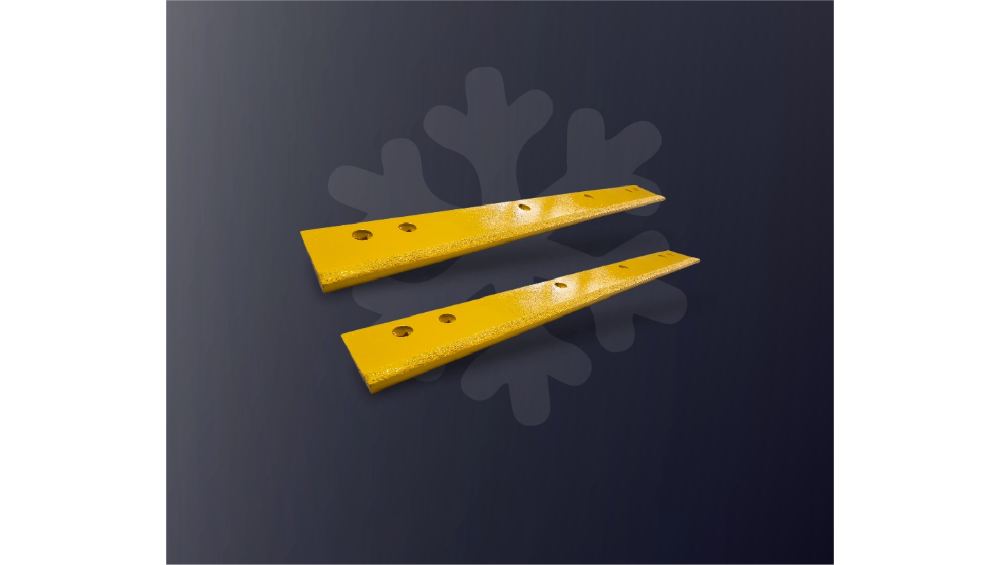
Joma Style Blade: A Validation-First Cutting Edge for Winter Road Fleets
When Should You Replace a Snow Plow Cutting Edge?
Replace a snow plow cutting edge when wear approaches the plow’s base angle, scraping becomes uneven, bolt holes elongate, or cracks and carbide loss appear. Replacing the edge before structural components contact the pavement prevents costly moldboard damage and preserves safe, efficient snow-clearing performance.
A cutting edge is a consumable wear part, but delaying replacement can turn a routine maintenance task into a major repair. Fleet managers should inspect edges before each storm and measure remaining material at several points across the blade.
Common signs that replacement is due include:
-
The edge has worn close to the base angle or mounting structure.
-
One end wears faster because of uneven pavement contact or incorrect plow setup.
-
The plow leaves snow streaks, packed snow, or a poor cleanup finish.
-
Mounting holes become oval, bolts loosen, or the edge no longer sits flush.
-
Carbide inserts are missing, cracked, excessively recessed, or no longer engaging the surface.
-
The blade vibrates, drags unevenly, or requires excessive down pressure.
For contractors, municipalities, airports, and road-maintenance companies, proactive snow plow cutting edge replacement is more cost-effective than an emergency change during a snow event. Record wear measurements by route, machine, surface type, and operating hours to forecast inventory needs before winter.
What Materials Are Best for Replacement Edges?
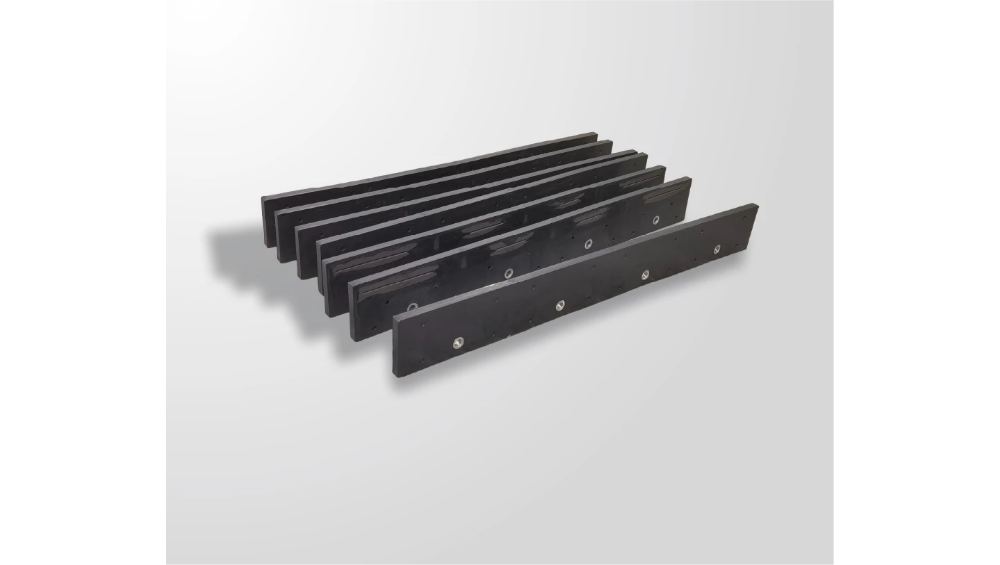
The best replacement-edge material depends on pavement conditions, plow type, required finish, noise limits, and operating cost. Steel suits general use, carbide-reinforced steel excels in abrasive high-mileage work, rubber protects sensitive surfaces, and polyurethane can reduce noise and surface damage.
Selecting material solely by purchase price can increase total operating cost. A B2B buyer should compare usable service life, replacement labor, downtime, surface protection, and snow-removal quality.
Carbide edges combine a steel support body with wear-resistant carbide inserts positioned at the working edge. This construction helps the blade retain its profile longer in abrasive conditions such as rough asphalt, concrete joints, sanded roadways, and high-mileage routes.
SENTHAI manufactures carbide snow plow blades, JOMA-style blades, I.C.E. blades, and carbide inserts for demanding winter-maintenance applications. A qualified manufacturer can recommend an edge construction based on plow model, ground pressure, route conditions, and desired service interval.
Which Measurements Ensure Correct Plow Fitment?
Correct fitment requires verifying blade length, width, thickness, hole diameter, hole spacing, hole position, edge profile, plow model, and bolt specification. Buyers should measure the existing edge and confirm the plow manufacturer’s drawing before ordering, especially for OEM, aftermarket, or custom replacement parts.
An incorrect cutting edge can create poor scraping, uneven wear, installation delays, and unsafe fastener loading. Even if two plows have the same nominal blade width, their bolt patterns or profiles may differ.
Before requesting a wholesale quotation, provide the supplier with:
-
Plow brand, model, and blade type.
-
Overall cutting-edge length and height.
-
Existing edge thickness and required exposure.
-
Number of mounting holes.
-
Hole diameter, center-to-center spacing, and end-hole dimensions.
-
Single-bevel, double-bevel, curved, sectional, or custom profile requirements.
-
Operating surface and anticipated annual usage.
-
Required bolts, nuts, washers, curb guards, or end sections.
For volume purchasing, a dimensional drawing or physical sample is the most reliable way to prevent fitment errors. SENTHAI can support OEM and private-label programs with engineering review, customized hole patterns, branded packaging, and wear-part configurations designed for distributor or fleet requirements.
How Do You Install a New Cutting Edge?
Install a new cutting edge by securing the plow, removing worn hardware, cleaning the mounting surface, aligning the new edge, inserting the correct bolts, tightening fasteners evenly, and checking blade contact. Always follow the plow manufacturer’s torque, safety, and setup instructions.
Installation should be completed on stable, level ground with the plow safely supported. Never rely only on hydraulic pressure to hold a blade in position.
A practical installation process is:
-
Park the vehicle on level ground, lower the plow, shut down power, and support the blade safely.
-
Remove accumulated snow, gravel, rust, and debris from the moldboard and mounting area.
-
Loosen and remove old bolts, nuts, washers, and the worn edge.
-
Inspect the base angle, moldboard, trip components, and mounting holes for wear or damage.
-
Position the replacement edge so its holes align accurately with the blade.
-
Install compatible high-strength hardware and hand-tighten all fasteners first.
-
Tighten bolts progressively across the blade to create even clamping force.
-
Verify edge exposure, plow pitch, trip action, and pavement contact before returning to service.
Do not force an edge into misaligned holes or use damaged fasteners to “make it fit.” A factory-produced edge with precise hole placement reduces installation time and helps maintain even clamping pressure across the full blade length.
Why Does Carbide Reduce Edge Replacement Frequency?
Carbide reduces replacement frequency because it resists abrasion far better than conventional steel in severe scraping environments. Carbide inserts protect the working edge from rapid material loss, helping operators maintain a consistent scrape angle and useful blade profile for a longer operating period.
Carbide is particularly valuable where equipment operates on abrasive pavement, concrete, gravel-contaminated snow, road salt, sand, and frequent freeze-thaw surfaces. These environments can consume standard steel edges quickly.
However, carbide performance depends on more than the insert material. A reliable carbide snow plow cutting edge replacement requires:
-
Correct carbide grade for impact and abrasion conditions.
-
Strong, controlled brazing or bonding between carbide and steel.
-
Accurate insert positioning and consistent protrusion.
-
A durable steel body with proper hardness and profile.
-
Controlled welding and finishing to avoid weak points.
-
Proper operator setup and plow down-pressure adjustment.
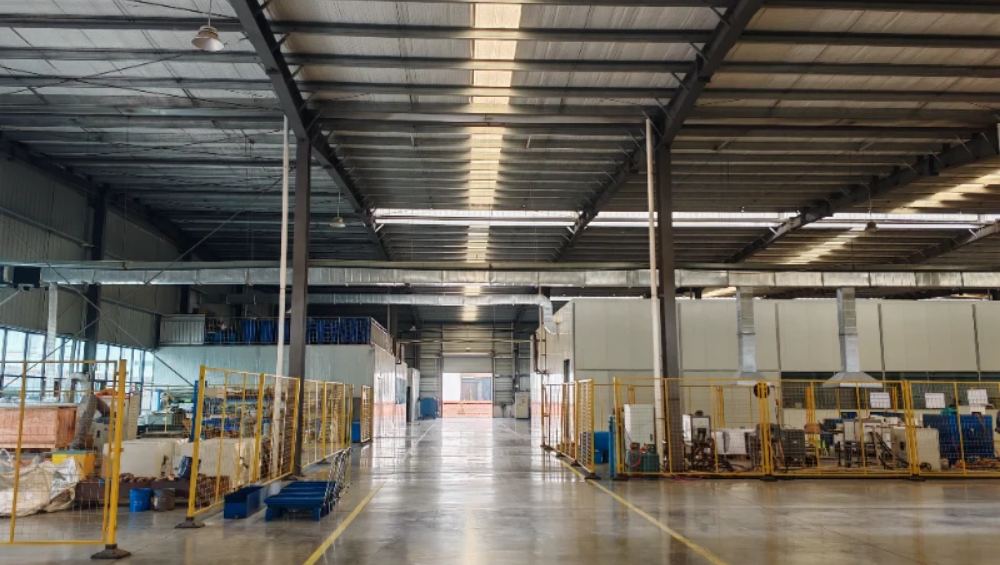
SENTHAI controls key production stages including pressing, sintering, wet grinding, welding, vulcanization, and final assembly in Thailand. This vertically managed production approach helps ensure consistent bonding strength, dimensional accuracy, and wear performance for B2B customers seeking dependable carbide wear parts.
How Can You Extend Cutting Edge Service Life?
Extend cutting-edge service life through frequent inspection, correct plow setup, balanced down pressure, appropriate material selection, curb protection, secure fasteners, and timely rotation or replacement. Preventing uneven wear protects both the replacement edge and the structural components behind it.
Operators should inspect wear at the left, center, and right of every blade because pavement crowns, curbs, turning patterns, and blade angle can create uneven consumption. A cutting edge that wears heavily on one end often signals an adjustment issue rather than simply poor material life.
Use these maintenance practices:
-
Measure edge height regularly and record the results by vehicle or route.
-
Retorque mounting hardware after initial operation and during scheduled inspections.
-
Adjust plow pitch so the edge contacts the surface evenly.
-
Avoid unnecessary down pressure that accelerates wear and increases fuel use.
-
Use curb guards or wing protection where curb impact is common.
-
Remove packed material behind the edge that can affect fitment.
-
Replace edges before the base angle becomes exposed.
-
Stock spare edges and hardware before peak snow season.
A wholesale supplier should be able to package replacement edges with matched bolts, washers, and nuts. Bundled hardware simplifies field replacement and avoids delays caused by mismatched fasteners.
Who Should Source OEM Cutting Edges from a Factory?
Distributors, snow-plow brands, municipal procurement teams, fleet operators, road-maintenance contractors, and equipment importers should source OEM cutting edges from a qualified factory when they need consistent quality, scalable supply, custom dimensions, or private-label support.
Factory-direct sourcing is especially useful when annual demand is high or when a business needs products not available in standard aftermarket catalogs. Instead of adapting operations to an off-the-shelf part, buyers can specify the exact edge geometry, material system, carbide layout, and packaging that fit their market.
When evaluating a manufacturer or wholesale supplier, ask about:
-
Manufacturing experience in carbide wear parts.
-
ISO quality and environmental management certifications.
-
In-house carbide production and bonding capabilities.
-
Drawing review, prototype development, and sample approval procedures.
-
Quality-control checkpoints and traceability.
-
Minimum order quantities and lead times.
-
Export packaging and logistics support.
-
OEM branding, labeling, and documentation options.
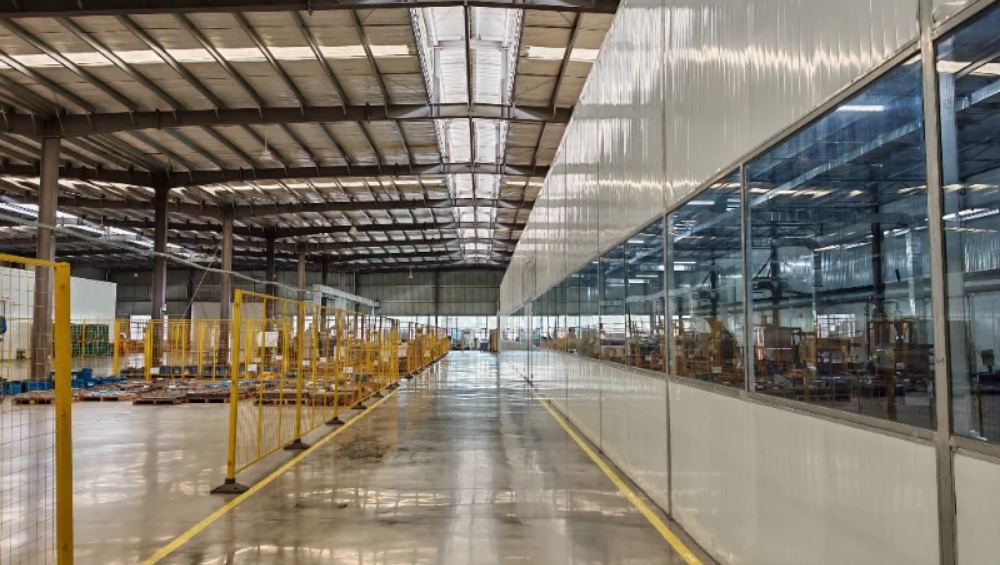
SENTHAI Carbide Tool Co., Ltd. serves global partners with more than 21 years of experience in carbide wear-part production. Its Rayong, Thailand manufacturing base supports full-process control from engineering and R&D through final assembly, giving OEM customers a responsive alternative for durable snow-removal wear parts.
Can Custom Edge Design Lower Total Ownership Cost?
Custom edge design can lower total ownership cost by improving fitment, extending wear life, reducing installation time, and minimizing plow damage. The lowest-cost edge is not always the most economical choice when labor, downtime, replacement cycles, and route performance are included.
A custom design may include adjusted carbide spacing, reinforced end zones, special hole patterns, segmented sections, alternative steel thicknesses, or branded packaging. These options can help distributors differentiate their product lines and help fleets standardize maintenance across multiple machines.
For example, a contractor servicing abrasive municipal roads may pay more initially for a carbide-reinforced edge. If that edge lasts multiple times longer than standard steel and eliminates one or two midseason replacements, the operational savings can outweigh the higher purchase cost.
Calculate total ownership cost using:
A knowledgeable OEM factory can help buyers compare material options against route conditions rather than relying on generic claims about service life.
What Are SENTHAI Expert Views?
SENTHAI experts recommend matching the cutting-edge design to real operating conditions, not simply choosing the thickest or lowest-priced blade. The best solution balances steel structure, carbide configuration, mounting accuracy, pavement conditions, and fleet maintenance practices.
SENTHAI Expert Views
“A snow plow cutting edge is a productivity component, not just a replacement part. For high-volume winter operations, consistent fitment and carbide bonding quality determine whether a fleet achieves reliable scraping performance or loses time to premature wear. Buyers should select a manufacturer that understands both material science and field conditions. At SENTHAI, we focus on controlled production, durable carbide integration, and OEM-ready customization so customers can reduce lifecycle cost without compromising snow-clearing quality.”
Conclusion
A successful snow plow cutting edge replacement starts with early wear inspection, accurate measurement, suitable material selection, and careful installation. Standard steel remains practical for moderate-duty work, while carbide-reinforced blades offer strong value in abrasive, high-mileage, and commercial snow-removal environments.
For B2B buyers, the right manufacturer matters as much as the edge itself. Choose a supplier that can verify drawings, control carbide quality, provide consistent hole patterns, support OEM customization, and deliver dependable wholesale supply. SENTHAI offers factory-direct carbide wear-part expertise for businesses that need durable snow plow blade solutions built for demanding conditions.
Frequently Asked Questions
How long does a snow plow cutting edge last?
Service life varies by material, pavement, down pressure, route mileage, and snow conditions. Standard steel may wear quickly on abrasive roads, while carbide-reinforced edges can provide substantially longer service life in severe applications.
Can I install a thicker cutting edge on my plow?
Possibly, but confirm clearance, hole alignment, blade geometry, trip function, and fastener length first. A thicker edge may affect plow setup and scraping angle, so it should match the plow manufacturer’s requirements.
Are carbide cutting edges worth the higher price?
They are often worthwhile for high-use fleets operating on abrasive pavement. Their higher initial cost can be offset by longer wear life, fewer service interruptions, reduced labor, and improved protection for the plow’s base angle.
What information should I send to an OEM cutting-edge factory?
Send the plow model, detailed drawing or sample, dimensions, hole pattern, material preference, annual volume, branding needs, packaging requirements, and operating conditions. This information allows the factory to recommend an accurate replacement or custom design.
Can SENTHAI make private-label snow plow blades?
Yes. SENTHAI supports OEM and wholesale programs with custom dimensions, carbide configurations, hole patterns, packaging, and private-label options for distributors, equipment brands, and fleet-service businesses.
Related articles
 Best Snow Plow Blade Family for Your Fleet: Top 5 ScenariosKnowledge
 Top 10 Snow Plow Blade Types for Winter Fleets (Ranked by Duty Fit)Knowledge
 Top 5 Best Carbide Blade Configurations for Highway PlowingKnowledge
 Best Snow Plow Blade Materials Ranked: Steel vs Carbide vs Cladding vs Rubber-CarbideKnowledge