




What Is a 3 Foot Joma Blade?
A 3 foot Joma blade is a 36-inch articulating snow-plow cutting-edge segment that combines tungsten-carbide inserts, profiled steel, and a rubber casing. Its flexible sectional design follows uneven pavement, helps clear snow and ice…
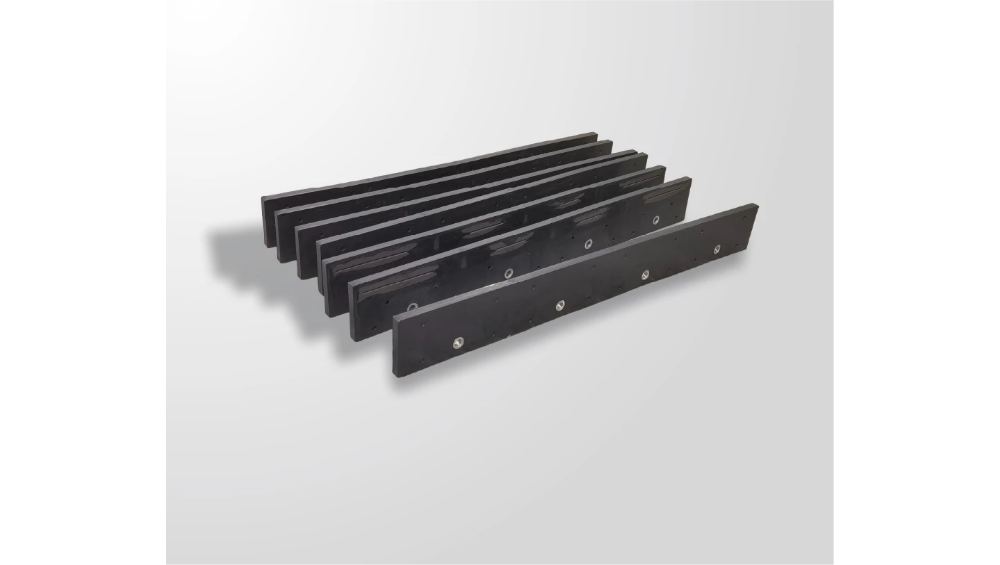
A 3 foot Joma blade is a 36-inch articulating snow-plow cutting-edge segment that combines tungsten-carbide inserts, profiled steel, and a rubber casing. Its flexible sectional design follows uneven pavement, helps clear snow and ice efficiently, and limits vibration. For fleets and distributors, a dependable manufacturer can provide compatible dimensions, consistent bonding, and OEM-ready supply.
Joma Style Blade: A Validation-First Cutting Edge for Winter Road Fleets
What Is a 3 Foot Joma Blade Made Of?
A 3 foot Joma blade is typically built from steel support segments containing wear-resistant tungsten-carbide inserts, all protected by a resilient rubber shell. This construction creates a flexible, high-wear cutting edge for snow-removal equipment.
The performance of a JOMA-style blade depends on how these materials work together rather than on carbide alone. Each component has a specific function:
-
Tungsten-carbide inserts provide high abrasion resistance at the contact edge, helping the blade resist wear from ice, sand, asphalt, concrete, and road debris.
-
Profiled steel segments hold the inserts in position and transfer plowing forces through the cutting edge.
-
Rubber encapsulation cushions impacts, reduces chatter, and permits independent segment movement.
-
Brazed carbide joints must have strong, consistent bonding to prevent insert loss during severe winter service.
-
Mounting parts may include backer blades, clamp bars, bolts, adapter plates, and curb guards, depending on the plow configuration.
Unlike one long rigid cutting edge, the 36-inch section is part of an articulating system. Several sections can be combined to match the full width of a front plow, underbody plow, wing plow, or highway snow-removal vehicle.
For B2B purchasers, the word “compatible” should never mean “assumed compatible.” A qualified JOMA-style blade supplier should confirm the hole pattern, thickness, height, mounting gauge, and required accessories before production or shipment.
How Does an Articulating Blade Improve Snow Removal?
An articulating blade improves snow removal by allowing individual sections to follow road crowns, joints, patches, and uneven surfaces. The cutting edge maintains more consistent contact with the pavement than a rigid full-length edge.
Roads rarely provide a perfectly flat plowing surface. Pavement can include raised markings, expansion joints, wheel ruts, bridge transitions, utility covers, and repaired areas. When a rigid steel blade bridges those irregularities, it may leave snow behind or strike the surface harshly.
A segmented rubber-encased design addresses this challenge. The blade sections move independently within controlled limits, helping the cutting edge remain close to the road. This can support cleaner pavement results, especially on municipal routes, commercial roads, airport service areas, and high-traffic corridors.
The rubber body also absorbs a portion of the impact that would otherwise transfer to the moldboard, mounting hardware, truck, and operator. Lower vibration can improve operator comfort and may reduce stress on related plow components.
For wholesale customers, this advantage becomes a strong sales message: a JOMA-style system is not simply a carbide blade; it is a road-conforming wear-part solution designed for demanding winter maintenance.
Which Specifications Should Buyers Confirm Before Ordering?
Buyers should verify length, thickness, height, hole spacing, hole type, mounting gauge, carbide design, rubber profile, and required hardware. A 36-inch length alone does not guarantee fitment across every snow-plow system.
A factory quotation should be based on a complete technical specification, not only a product photo or competitor part number. The table below outlines the most important purchasing checkpoints.
For many JOMA-style replacement segments, a common nominal size is 7/8 inch thick by 6 inches high by 36 inches long. However, buyers must treat these as reference dimensions, not a substitute for drawing approval.
SENTHAI supports OEM and wholesale blade projects by reviewing samples, technical drawings, and application details before production. This approach reduces the risk of receiving sections that look similar but do not mount or perform correctly.
Why Choose Carbide-Insert Blades Instead of Steel Edges?
Carbide-insert blades are chosen for abrasive, high-mileage snow-removal work because carbide wears much more slowly than ordinary steel. Their higher initial purchase price can be offset by fewer blade changes, less downtime, and more predictable fleet maintenance.
A conventional steel edge can be a practical solution for light-duty or short-duration work. However, municipal fleets and professional contractors often face abrasive surfaces, long routes, packed snow, ice, gravel, and repeated curb contact. In these environments, steel edges may wear quickly.
Carbide inserts concentrate wear resistance where it is needed most: at the cutting interface. When incorporated into an articulating rubber-encased blade, carbide receives additional protection from direct shock loading.
The best choice should be made using total cost of ownership. Procurement teams should calculate expected service life, labor for blade replacement, vehicle downtime, route conditions, and the cost of incomplete snow or ice removal—not just purchase price.
How Can JOMA-Style Blades Reduce Vibration and Noise?
JOMA-style blades reduce vibration and noise because their rubber enclosure cushions contact between steel-supported carbide segments and uneven pavement. The segmented construction also helps prevent the repetitive bouncing commonly associated with rigid cutting edges.
During snow removal, a rigid blade can strike pavement changes with repeated impacts. That vibration may travel from the cutting edge to the moldboard and into the vehicle. The result can be a louder cab environment, increased operator fatigue, and accelerated stress on plow equipment.
Rubber serves as a shock-absorbing interface around the steel-and-carbide structure. It does not eliminate force, but it can moderate harsh contact and allow each segment to respond to the road surface.
For contractors serving residential areas, hospitals, schools, and commercial facilities, reduced noise can be especially valuable during overnight operations. For public-works fleets, reduced vibration supports more comfortable, controlled operation over long routes.
A dependable JOMA-style blade manufacturer should control rubber quality, curing conditions, adhesion, and segment positioning. Poor bonding or inconsistent rubber geometry can reduce the advantages of an articulating cutting-edge design.
Who Should Source 3 Foot Joma Blades From an OEM Factory?
Distributors, snow-plow brands, municipal procurement partners, fleet service companies, and wear-part importers should source from an OEM factory when they need consistent quality, custom fitment, private labeling, and scalable wholesale supply.
An OEM manufacturer is particularly valuable when a buyer needs more than an off-the-shelf replacement. Common B2B requirements include:
-
Custom hole patterns for a regional plow brand.
-
Private-label packaging and product identification.
-
Matching clamp bars, adapter blades, and hardware kits.
-
Specific carbide insert grades or shapes.
-
Production based on approved drawings and golden samples.
-
Stable lot-to-lot quality for distributor inventory.
-
Export packaging designed for container or palletized shipment.
SENTHAI Carbide Tool Co., Ltd. is a Thailand-based manufacturer focused on snow-plow blades and road-maintenance wear parts. With integrated pressing, sintering, grinding, welding, and vulcanization processes, SENTHAI can support customers looking for a controlled manufacturing path from carbide component development to final blade assembly.
For procurement teams, the main benefit of factory-direct sourcing is not merely price. It is the ability to establish a repeatable specification, inspect production control, align packaging with channel requirements, and build a dependable supply program.
What Should an OEM Supplier Test Before Shipment?
An OEM supplier should inspect dimensions, hole position, carbide bonding, insert alignment, rubber adhesion, blade profile, surface finish, and packing condition before shipment. These checks protect both installation accuracy and in-service durability.
A 3 foot Joma blade can fail commercially even if its basic dimensions appear correct. For example, an inaccurate hole location can delay fleet installation. Weak brazing can lead to carbide loss. Inadequate rubber bonding can compromise segment protection and road-conforming behavior.
A strong quality-control plan should include:
-
Incoming inspection of steel, carbide, rubber, and hardware materials.
-
In-process control during pressing, sintering, grinding, brazing, and vulcanization.
-
Dimensional verification using approved drawings or gauges.
-
Visual inspection of carbide location, rubber coverage, and finished edges.
-
Fitment verification with a representative adapter or mounting fixture.
-
Batch traceability for production lots and inspection records.
-
Export packing checks to reduce corrosion, impact, and handling damage.
SENTHAI operates under ISO9001 and ISO14001 systems and manages the production process in Thailand. For wholesale buyers, documented inspection standards and pre-shipment communication help create confidence before stock reaches a distributor warehouse or fleet workshop.
Can a Supplier Customize JOMA-Style Blades for Different Markets?
Yes, an experienced supplier can customize JOMA-style blades for different plow systems, operating climates, branding needs, and distribution requirements. Customization must be engineered around function, not limited to changing a logo or paint color.
Different markets may require different snow-plow configurations. A North American municipal fleet may use one mounting layout, while another region may require an alternative blade height, hole spacing, adapter design, or packaging format.
Useful OEM customization options include:
-
36-inch, 48-inch, or other sectional lengths.
-
Alternative steel thicknesses and segment profiles.
-
Custom carbide insert dimensions and spacing.
-
Customer-specific hole patterns and countersinks.
-
Branded clamp bars, backer blades, and hardware kits.
-
Retail, distributor, or bulk pallet packaging.
-
Laser marking, labels, carton artwork, and private-label documentation.
SENTHAI Expert Views
“The most successful JOMA-style blade programs begin with application data, not a generic request for a carbide edge. An OEM factory should understand the plow type, mounting geometry, pavement condition, route intensity, and desired service life before finalizing materials. At SENTHAI, we recommend approving a drawing and sample first, then standardizing inspection points for every production batch. This gives wholesalers and equipment brands a clearer path to stable quality, fewer fitment issues, and a product that earns repeat orders.”
What Are the Key Takeaways for Wholesale Buyers?
The right 3 foot Joma blade is a complete wear-system component, not simply a 36-inch replacement part. Buyers should prioritize verified fitment, carbide quality, rubber bonding, accessory compatibility, and supplier manufacturing control.
Choose a manufacturer that can translate fleet requirements into a documented blade specification. Request drawings, confirm the full mounting system, evaluate sample quality, and compare expected total operating cost rather than unit price alone.
For distributors and OEM brands, work with a supplier capable of supporting private-label programs, scalable manufacturing, stable quality control, and responsive technical communication. SENTHAI provides a factory-focused option for buyers seeking reliable JOMA-style blades, carbide wear parts, and tailored snow-removal solutions.
Frequently Asked Questions
Are 3-foot JOMA-style blade sections interchangeable with all snow plows?
No. Many systems use similar 36-inch sections, but hole spacing, thickness, height, mounting gauge, clamp bars, and adapter designs can differ. Always verify the full drawing and hardware arrangement before ordering.
How many 36-inch sections are needed for a plow?
Divide the effective cutting-edge width by 36 inches, then account for end sections, curb guards, and any adapter configuration. A supplier should confirm the complete layout before producing or supplying parts.
Does a rubber-encased carbide blade require special maintenance?
Routine inspection is usually sufficient. Check for worn carbide, loose fasteners, damaged rubber, excessive blade wear, and worn backer components. Replace worn parts before the moldboard or mounting system is exposed.
Can wholesalers order private-label JOMA-style blades?
Yes. A qualified OEM factory can provide private-label packaging, laser marking, customized hardware kits, and customer-specific specifications, subject to agreed drawings, production quantities, and quality standards.
Why is carbide bonding important in snow-plow blades?
Carbide bonding holds the wear-resistant insert in its steel support during impact and abrasion. Consistent brazing and controlled manufacturing reduce the risk of insert loss and support reliable blade service life.
Related articles
 Best Snow Plow Blade Family for Your Fleet: Top 5 ScenariosKnowledge
 Top 10 Snow Plow Blade Types for Winter Fleets (Ranked by Duty Fit)Knowledge
 Top 5 Best Carbide Blade Configurations for Highway PlowingKnowledgeBest Snow Plow Blade Materials Ranked: Steel vs Carbide vs Cladding vs Rubber-CarbideKnowledge