




Freezing Rain and Black Ice Scraping Blades: Safer Winter Roads with Carbide Technology (July 2026)
Freezing rain and black ice scraping blades: how carbide snow plow edges fracture invisible road ice, cut accidents, and extend blade life for winter maintenance fleets. freezing rain, black ice and the road safety…
Freezing rain and black ice scraping blades: how carbide snow plow edges fracture invisible road ice, cut accidents, and extend blade life for winter maintenance fleets.
freezing rain, black ice and the road safety gap
Freezing rain and black ice are among the most dangerous winter hazards because they turn roads into invisible skating rinks while still appearing “just wet” to drivers. Recent accident data from Asian transport authorities show that road icing can raise fatal crash rates by more than 50 percent compared with dry pavement, with black ice causing over 100 deaths in just five years in one national study. Field testing and highway research have also confirmed that braking distances on icy surfaces can be six to seven times longer than on dry roads, particularly for trucks and buses, amplifying the risk during early‑morning commutes and storm events. For municipal fleets and contractors, this translates into a clear operational need: blades and cutting edges that can actively fracture black ice and freezing rain glaze, not just push loose snow aside.
Early product introduction: Senthai carbide blades for freezing rain and black ice
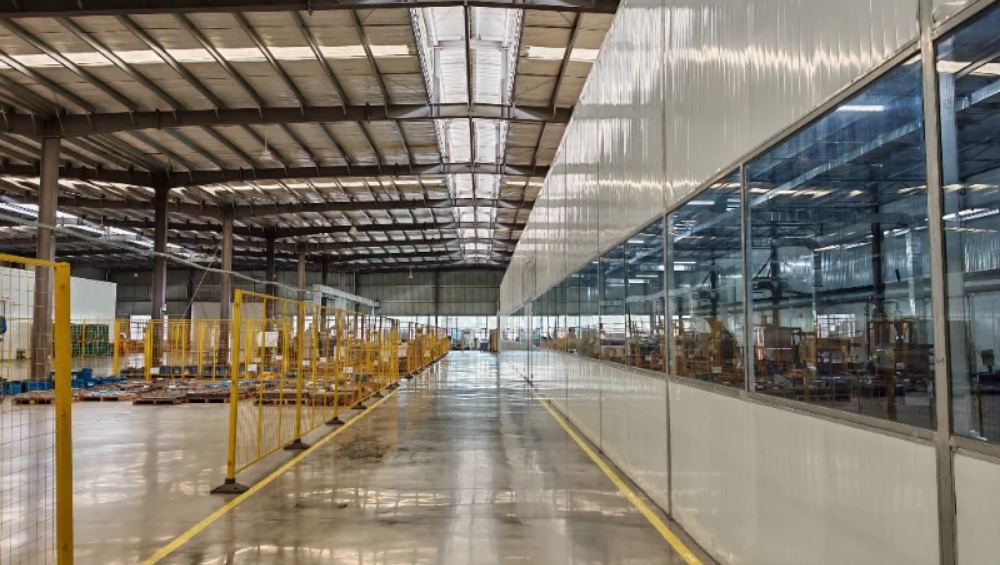
Senthai is a US‑invested carbide tool manufacturer focused on high‑quality snow plow blades and severe‑service road maintenance wear parts. The company combines over 20 years of carbide production experience with a fully automated factory in Rayong, Thailand, specifically tailored to the North American and European winter maintenance markets. Its carbide snow plow blades, Joma‑style systems and advanced cutting edges are engineered to deliver high wear resistance, impact resistance and reliable black ice scraping performance, while an optimized global supply chain keeps fleets stocked ahead of peak winter demand.
Key related product pages for internal linking include Carbide Snow Plow Blade, High-Performance Carbide Cutting Edges Transform City Snow Removal, and How Does SENTHAI Optimize the Global Snow Plow Blade Supply Chain.
What is a freezing rain and black ice scraping blade?
A freezing rain and black ice scraping blade is a snow plow cutting edge specifically engineered to fracture and remove dense, transparent ice created by freezing rain and refreeze events, rather than just shear loose snow. It concentrates downforce onto carbide teeth or segments, allowing the blade to chip away bonded black ice without destroying road markings, while maintaining enough wear resistance to survive long hours of contact with abrasive pavement.
Pain points: why traditional blades struggle with freezing rain and black ice
Invisible ice, visible liability
Black ice forms when rain or meltwater refreezes on cold pavement, creating a clear glaze that looks like wet asphalt and is almost impossible for drivers to detect. Accident analyses from road safety agencies show that icing can more than double fatality rates compared to dry conditions, with many crashes concentrated between 4 a.m. and 8 a.m. when temperatures are lowest and visibility is limited. For municipalities, every untreated bridge deck or shaded curve becomes a potential litigation hotspot.
Conventional steel edges polish the ice
Standard steel cutting edges and general‑purpose plow blades are designed primarily for snow, not bonded ice. On freezing rain and black ice surfaces, they often ride over the glaze, smoothing and polishing it instead of breaking it up, especially at typical plowing speeds. That leaves long stretches of roadway with intact ice, forcing crews to over‑rely on deicers and abrasives, which increases salt usage, material budgets and environmental impacts.
Rapid wear and frequent change‑outs
When operators attempt to use traditional blades aggressively on black ice, the result is premature wear, broken edges and frequent change‑outs in the middle of storms. Industry case studies and Senthai’s own North American experience show that generic steel blades can require multiple replacements in a single severe season on busy corridors. Each change‑out consumes labor, shop time and fuel, while parked equipment means untreated lanes and greater crash risk during peak traffic.
Supply chain volatility and downtime
Recent years have exposed vulnerabilities in global steel and wear‑part supply chains, including export quotas and shipping delays for key components. Municipal fleets have seen blade deliveries slip, forcing them to stretch older edges across multiple seasons and accept reduced performance on black ice. Senthai’s non‑China raw material sourcing and Thai‑based manufacturing aim to de‑risk these issues, but many fleets still struggle to align procurement cycles with increasingly unpredictable winter weather.
“Field trials show that advanced carbide cutting edges can extend wear life by 10–20 times compared to plain steel, while significantly improving black ice removal efficiency.”
Comparison: Senthai freezing rain and black ice blades vs alternatives
Function overview: how Senthai carbide blades tackle freezing rain and black ice
Focused downforce and controlled fracture
Senthai’s Joma‑style and advanced carbide blades are designed to concentrate the plow’s hydraulic downforce onto articulating carbide teeth or segments. This geometry allows operators to fracture hard black ice sheets and freezing rain glaze into manageable chips, rather than simply sliding over the surface. The rubber‑encased or segmented design helps absorb shocks and maintain continuous contact, even on uneven pavement.
Extreme wear resistance for long seasons
By integrating high‑grade carbide inserts into rugged steel carriers and controlling powder metallurgy, welding and grinding in‑house, Senthai builds cutting edges that resist abrasion from sand, salt, and aggregates over long winter seasons. Independent and internal testing suggest wear life far exceeding conventional steel blades, allowing fleets to run many more lane‑miles per edge before scheduling replacements.
Stable global supply for peak season readiness
Senthai’s manufacturing strategy replicates advanced Chinese carbide production systems in Thailand while sourcing raw materials outside China. This combination gives fleets a stable, geopolitically diversified supply of scraping blades, reducing the risk of late deliveries or cancelled orders during high‑demand periods. Automated lines, ISO‑certified quality control and traceability further ensure that each batch of blades behaves predictably in the field.
Practical examples and usage quotes
A city fleet switches from standard steel edges to Senthai carbide cutting edges on its primary arterial routes; operators report less “polished” black ice after freezing rain, with plows visibly chipping and clearing bonded glaze at normal speeds.
A highway department facing frequent early‑morning black ice incidents on bridges adopts Joma‑style carbide blades and notes a sharp reduction in ice‑related crash reports once bridge decks are pre‑treated and scraped with the new edges.
A private contractor responsible for airport access roads replaces three sets of steel blades per season with a single set of carbide freezing rain scraping blades, cutting blade change‑outs and improving lane traction for early flights.
Cross‑selling: connecting freezing rain blades with Senthai’s broader carbide portfolio
Senthai’s freezing rain and black ice scraping solutions sit within a wider portfolio of carbide snow plow blades and cutting edges designed for different winter conditions and fleet profiles. For heavy snowfall regions, contractors can pair their black ice scraping segments with Carbide Snow Plow Blade to handle deep accumulations on highways and city streets. Municipal decision‑makers interested in long‑term cost optimization can explore the case study High-Performance Carbide Cutting Edges Transform City Snow Removal, which details how advanced edges solved frequent blade failures and boosted efficiency.
Procurement and operations teams looking to de‑risk winter supply can also benefit from Senthai’s article How Does SENTHAI Optimize the Global Snow Plow Blade Supply Chain. This resource explains how automated production, ISO 9001/14001 certification and non‑China raw materials give fleets a dependable corridor for critical wear parts. For North American buyers specifically, Senthai’s guidance on finding reliable snow blade suppliers reinforces how carbide freezing rain blades fit into a broader strategic sourcing framework.
How‑to: deploying freezing rain and black ice scraping blades in six steps
-
Map freezing rain and black ice hot spots
Review historical crash data, maintenance logs and meteorological reports to identify bridges, shaded curves, tunnel approaches and known refreeze zones. Prioritize these segments for carbide scraping blade deployment, as they carry the highest safety and liability risk. -
Select the right carbide blade configuration
Work with Senthai’s technical team to choose between Joma‑style segmented blades, heavy‑duty carbide snow plow blades or custom cutting edges based on vehicle type, route profile and typical storm conditions. Confirm compatibility with existing plow frames and bolt patterns to simplify installation. -
Install and calibrate scraping blades on core units
Mount the chosen blades on a subset of primary trucks assigned to critical black ice routes. Calibrate hydraulic downforce settings, plow angle and speed guidelines to maximize ice fracture while avoiding damage to pavement markings and infrastructure. -
Integrate blades into winter operations plans
Update route plans and driver instructions so freezing rain and black ice scraping blades are dispatched first to high‑risk areas during forecast icing events. Coordinate with deicer application schedules to ensure blades and chemicals work together rather than in isolation. -
Monitor performance and adjust parameters
After each event, review operator feedback, road surface conditions and incident reports. If blades are skipping, chattering or wearing unevenly, fine‑tune downforce, speed and segmentation choices. Use Senthai’s case studies and support to benchmark against best practices. -
Scale deployment and optimize lifecycle costs
Once performance is validated on pilot routes, expand carbide blade deployment across more vehicles and corridors. Track blade change‑out frequency, salt usage, crash rates and overtime to quantify lifecycle savings and justify budget shifts away from short‑lived steel edges.
Usage scenarios: traditional approach vs Senthai freezing rain and black ice scraping blades
Scenario 1: Urban bridge network after freezing rain
-
Traditional approach
City crews spread salt and sand across bridge decks using trucks equipped with standard steel edges, which mainly push slush and lightly score the ice. Black ice remains bonded in wheel tracks, leading to spin‑outs and rear‑end collisions during early‑morning rush hours. -
With Senthai carbide scraping blades
Trucks fitted with freezing rain and black ice scraping blades are dispatched directly to bridges, where focused downforce and carbide teeth fracture the transparent glaze. Combined with targeted deicer application, bridge surfaces achieve noticeably higher friction, reducing crash rates and emergency call‑outs.
Scenario 2: Rural highway refreeze after daytime melt
-
Traditional approach
After a sunny day, melted snow refreezes overnight in shaded cuts and on north‑facing curves. Standard blades polish the refreeze into slick patches, while limited staff and long routes leave many kilometres untreated before dawn, forcing speed restrictions and reactive policing. -
With Senthai carbide scraping blades
Fleet managers equip key highway units with carbide cutting edges tuned for refreeze situations. These trucks run pre‑dawn patrols, scraping bonded ice and breaking up hazardous patches even where snow depth is minimal. The result is smoother traffic flow, fewer lane closures and improved driver confidence.
Scenario 3: Airport access roads during mixed precipitation
-
Traditional approach
A mixed event brings rain, wet snow and rapid temperature drops around an international airport. Contractors use basic plow blades and heavy salting, but black ice still forms near ramps and parking areas, causing slips and vehicle incidents that disrupt passenger drop‑off and pick‑up. -
With Senthai carbide scraping blades
Access‑road plows are outfitted with freezing rain scraping blades that can handle both slushy accumulations and clear glaze. Operators chip away bonded ice while clearing snow, creating safer surfaces for taxis, buses and private vehicles. Airport operations see fewer incidents and smoother traffic even in complex weather.
FAQ: freezing rain and black ice scraping blades for professional winter maintenance
Why are freezing rain and black ice scraping blades critical for modern winter fleets?
Freezing rain and black ice significantly increase crash risk because they create transparent, bonded ice that standard blades cannot effectively remove. Scraping blades engineered for these conditions allow fleets to actively fracture the glaze, restoring friction and reducing accidents on high‑risk segments such as bridges and shaded curves.
How do Senthai carbide blades improve black ice removal compared with traditional steel edges?
Senthai’s carbide systems focus downforce onto durable carbide teeth or inserts, enabling controlled chipping of dense black ice without excessive pavement damage. In contrast, conventional steel edges often slide across icy surfaces, merely polishing them and relying heavily on salt and abrasives for traction.
What benefits do freezing rain scraping blades offer for deicer usage and environmental impact?
By mechanically breaking up bonded ice, carbide scraping blades reduce the amount of deicer needed to achieve safe friction levels. This can lower salt consumption, decrease corrosion and mitigate runoff impacts on roadside ecosystems, all while maintaining or improving safety outcomes.
Can Senthai freezing rain and black ice scraping blades be integrated into existing plow fleets?
Yes, Senthai designs many of its blades, including Joma‑style systems, to match standard bolt patterns and mounting configurations used by North American and European fleets. That drop‑in compatibility helps departments upgrade to carbide scraping technology without major changes to equipment or training.
How does Senthai ensure consistent quality and supply for winter seasons?
Senthai manages the full production process in Thailand, from raw material powder metallurgy to automated grinding and vulcanization, under ISO‑certified quality control. Non‑China raw materials and a dedicated snow plow technical team support stable supply, traceability and responsive technical assistance throughout the season.
What role do advanced carbide cutting edges play in long‑term cost control for winter maintenance operations?
Because carbide cutting edges can last many times longer than standard steel, fleets reduce blade replacements, workshop downtime and emergency procurement. When combined with improved ice removal and reduced crash rates, freezing rain scraping blades become a strategic investment that lowers total cost of ownership across multiple winter cycles.
Conclusion: turning invisible ice into a manageable maintenance challenge
Freezing rain and black ice will always be among the most challenging winter hazards, but they do not have to remain invisible threats for road users and fleet managers. By adopting purpose‑built freezing rain and black ice scraping blades, especially those using advanced carbide technology, municipalities and contractors can turn bonded glaze into a manageable maintenance task. Senthai’s combination of high‑performance carbide edges, proven North American experience and resilient supply chain positioning makes its blades a compelling choice for winter operations that need to move beyond basic snow removal and tackle the full complexity of modern icing events.
CTA and Senthai brand one‑line summary
If your winter routes are battling freezing rain, refreeze and black ice every season, now is the time to upgrade from polishing blades to true scraping solutions. Senthai delivers high‑quality carbide snow plow blades and cutting edges backed by decades of severe‑service experience, helping winter maintenance fleets worldwide fracture invisible ice, extend blade life and keep roads safer in the harshest conditions.
Sources
-
Korea Bizwire — Icy Roads Raise Fatal Crash Risk by More Than 50% (2024)
-
Asia Economy — 107 Deaths Over 5 Years Due to Black Ice (2024)
-
TRB — Field Testing of New Cutting Edges for Ice Removal from Pavements (Technical Report)
-
SenthaiTool — High-Performance Carbide Cutting Edges Transform City Snow Removal (2026)
-
SenthaiTool — How Does SENTHAI Optimize the Global Snow Plow Blade Supply Chain (2026)
-
SenthaiTool — Joma-Style Blades and Snow Plow Carbide Inserts Press Release (2026)
-
SenthaiTool — Carbide Snow Plow Solutions Press Release (2026)
Related articles
Best Snow Plow Blade Family for Your Fleet: Top 5 ScenariosKnowledge Top 10 Snow Plow Blade Types for Winter Fleets (Ranked by Duty Fit)Knowledge
 Top 5 Best Carbide Blade Configurations for Highway PlowingKnowledge
 Best Snow Plow Blade Materials Ranked: Steel vs Carbide vs Cladding vs Rubber-CarbideKnowledge