




Carbide Insert Grades and Dimensional Tolerances: A Specification Guide
Carbide inserts are purchased on specifications, and a complete specification includes the grade (hardness and grain), the dimensions, and the tolerances. Getting each right prevents assembly problems and field failures. This guide explains how…
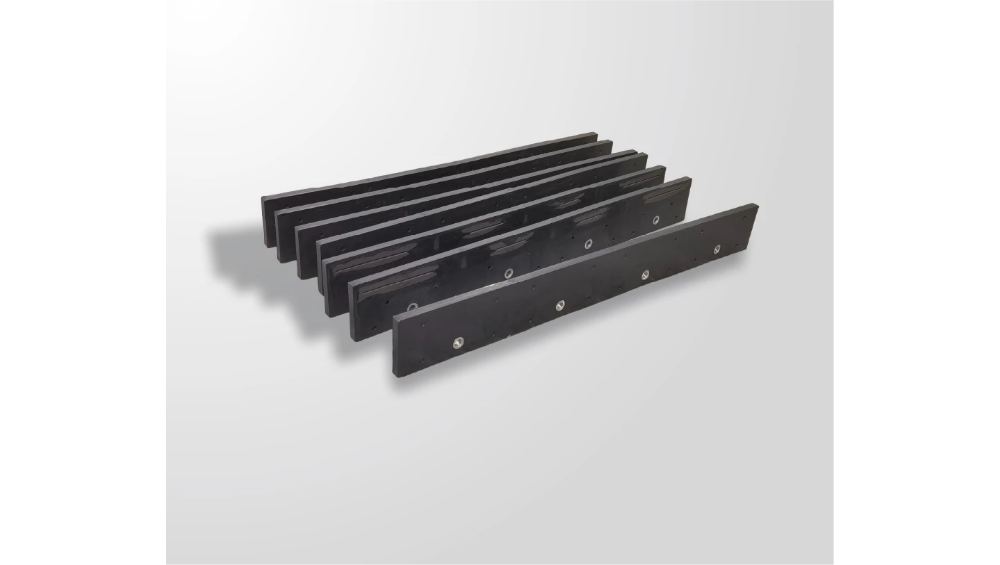
Carbide inserts are purchased on specifications, and a complete specification includes the grade (hardness and grain), the dimensions, and the tolerances. Getting each right prevents assembly problems and field failures. This guide explains how to read and write an insert specification. The SENTHAI carbide insert lineup provides the data you need.
Insert Grades Explained
A grade defines the composition, grain size, and hardness of the carbide. Different grades trade wear resistance against toughness. Plow inserts need a grade that cuts ice without chipping — a winter-specific balance.
Hardness and Wear
Hardness is reported as HRA. Higher HRA means better abrasion resistance; beyond a point it means less toughness. Specify the hardness range your application needs, and require QC records showing it.
Specifications
A complete specification lists: shape, size, angle/radius, grade (HRA), dimensional tolerance, and surface condition. Each field maps to a manufacturing control and a field behavior.
How to Choose
Choose the grade by duty — abrasive routes favor hardness, impact and ice favor toughness — and confirm the dimensions against your blade slots. When in doubt, send the application details to the supplier.
Quality Standards
Quality is verified through density, hardness, and structure checks per batch. NCHRP 06-19 recommends measurable quality controls for cutting edges, and the same discipline applies to inserts.
HRA Hardness and Wear Resistance
HRA hardness is the primary wear predictor for carbide. Specify the range, then verify incoming shipments meet it. A spec without verification is just a request.
Dimensional Tolerances for Assembly
SENTHAI holds dimensional tolerances within ±0.02mm — ideal for high-speed robotic pick-and-place and automated induction brazing. Tight tolerances prevent machine jams and increase production throughput.
Choosing a Grade by Application
Abrasive highway blades favor higher hardness; ice-duty and impact-heavy blades favor balanced micro-grain grades. Match the grade to the route, and confirm the choice with the supplier’s engineering team.
Writing an Insert Specification
Write the spec in six lines: shape, size, angle/radius, grade with HRA range, tolerance, and surface condition. Attach the blade drawing. A complete spec gets accurate quotes and consistent product.
Verifying Incoming Shipments
Verify what you specified: sample dimensions, request batch QC records, and spot-check hardness. Verification turns the specification from paperwork into quality assurance.
Frequently Asked Questions
What should an insert specification include?
Shape, size, angle/radius, grade with HRA range, dimensional tolerance, and surface condition — plus the blade drawing.
What tolerance should I specify?
±0.02mm is the precision standard for automated assembly and reliable fit into milled slots.
How do I verify incoming inserts?
Sample dimensions, request batch QC records (density, HRA, structure), and spot-check against the approved sample.
What HRA range suits snow plow inserts?
Wear-part carbide commonly falls in the HRA 86-93 range; the right point depends on your hardness/toughness balance.
Write the spec, verify the shipment. Use the data on the carbide insert construction details and request QC documentation with your order.


