




Brazing Carbide Inserts: Supplier Acceptance & Bond Quality Checklist
Use this checklist to agree the evidence required for a delivery of brazed carbide inserts or finished cutting edges. It focuses on supplier qualification, batch traceability and purchase acceptance. For the mechanisms of surface…
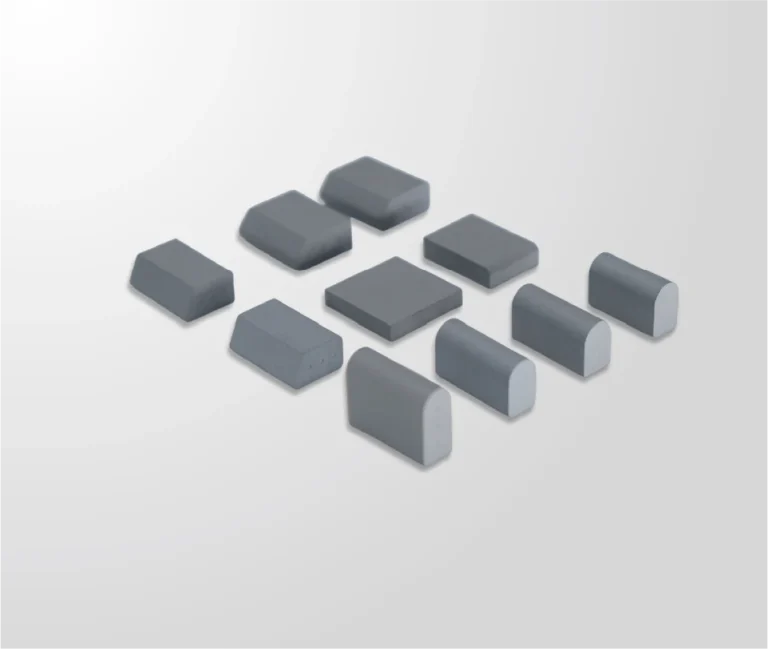
Use this checklist to agree the evidence required for a delivery of brazed carbide inserts or finished cutting edges. It focuses on supplier qualification, batch traceability and purchase acceptance. For the mechanisms of surface preparation, cobalt exposure and wetting, read the carbide brazing process guide.
Agree requirements before placing the order
A receiving inspector needs an agreed reference, rather than a general claim of strong bonds. Identify the drawing revision, carbide and carrier specifications, joint design, required dimensions and the service conditions supplied to the manufacturer. Name the inspection methods and acceptance criteria in the purchase documentation.
- Part number, drawing revision and approved sample where applicable
- Carbide grade, carrier material and the specified joint configuration
- Dimensional tolerances and the inspection points
- Required process, inspection and traceability records
- Sampling plan, nonconformity procedure and responsibility for disposition
Ask for the supplier’s process evidence
Request a documented method for surface preparation, filler selection, joint clearance, heating and cooling, together with the inspection records required by the order. The supplier should explain how the process is controlled and how the records relate to the delivered batch. A process description is useful context; a traceable batch record is the evidence for that delivery.
Check the delivery without damaging it
Confirm quantities, part and batch identification, drawing revision and visible condition. Inspect dimensions and joint appearance using the agreed procedure. Record missing inserts, visible cracks, shipping damage or other discrepancies. Do not improvise a force or impact test on production parts: destructive or proof testing needs an approved method, sampling plan and acceptance criteria.
Match each acceptance question to evidence
| Acceptance question | Evidence to request or record |
|---|---|
| Is this the ordered configuration? | Drawing revision, part identification and dimensional inspection |
| Can the delivery be traced? | Batch identification and the specified material and process records |
| Was bond inspection completed? | Inspection method, sampling record and results against the agreed criteria |
| How will a discrepancy be resolved? | Photographs, measurements, affected quantities and the supplier disposition |
Separate purchase acceptance from field validation
A controlled field trial can assess service performance, but it does not replace the agreed receiving checks. Record the installation, route or application, operating hours, inspection interval and reason for removal. Compare trials under similar conditions and retain failed parts for investigation when practical.
Record and resolve nonconformities
Identify the affected lot and keep questionable parts separate pending disposition. Send photographs, measurements and the applicable acceptance requirement to the supplier. Agree whether the parts need further inspection, replacement or another documented action before installation.
Prepare a supplier review
Send the drawing or sample, quantity, operating conditions and required acceptance records through the SENTHAI contact page. The carbide insert product information provides a starting point for discussing geometry and configuration.
Frequently asked questions
What should a brazed insert purchase specification include?
Identify the drawing revision, materials, joint configuration, dimensional requirements, traceability records and agreed inspection and acceptance criteria.
Does a visual inspection prove bond strength?
Visual inspection records visible condition. Any bond-strength or internal-defect assessment requires the method, sampling plan and acceptance criteria agreed for the application.
Should receiving staff press or strike inserts to test them?
Use only the approved inspection procedure. Do not improvise a force or impact test on production parts.
What should I record when a delivery is nonconforming?
Record the batch, affected quantities, photographs, measurements and the requirement that was not met, then obtain documented supplier disposition.


