




Black Ice and Compacted Snow: What Carbide Edges Do That Steel Cannot
Ice does not wear blades evenly, and steel does not cut it evenly either. On black ice and compacted snow, a steel edge loses its grip and its bite, while a carbide edge keeps…
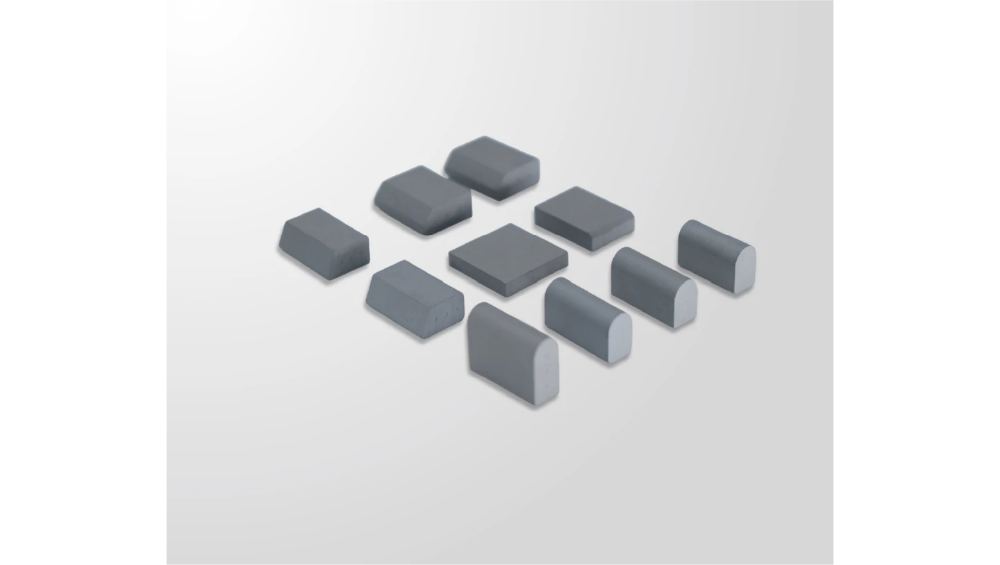
Ice does not wear blades evenly, and steel does not cut it evenly either. On black ice and compacted snow, a steel edge loses its grip and its bite, while a carbide edge keeps its cutting profile and breaks the surface. The difference is the material: carbide holds its edge, and the edge is what the ice must meet.
This article explains what carbide edges do on ice that steel cannot: the grip on hard pack, the cutting advantage, the one-pass result, and the honest limits.
Ice does not wear blades evenly
Ice is an abrasive surface with its own character. It wears the blade’s edge, and the worn edge then fails to cut the ice, which creates a spiral: the blade loses its profile, the passes multiply, and the chemical use climbs to compensate.
The unevenness is the point: the blade meets different ice in different zones, from thin black ice on the bridges to hard pack in the wheel paths, and each zone tests the edge differently. A blade that holds its profile across the zones is the blade that clears the route.
The material answer is carbide: hard enough to hold the edge, tough enough to survive the impacts, and consistent enough to keep cutting through the season.
The unevenness also explains why the ice route map matters: the bridge that ices first, the wheel paths that pack hardest, and the shaded sections that stay frozen all test the edge differently. The blade that holds its profile across the zones is the blade that clears the route, and the assignment that matches the blade to the zones is the plan.
The same map drives the changeout data: the routes that wear the edge fastest and the sections that fail first are the routes that need the tougher specification or the more frequent inspection.
How do I know if my route is an ice-failure route? Watch the signs: repeated passes on the same ice, rising chemical use, and a slower clear time than comparable routes. The signs, recorded per corridor, are the upgrade evidence.
Why do steel edges lose grip on hard pack?
Steel edges lose grip on hard pack because the steel wears and rounds. A rounded edge cannot bite into the pack; it slides or polishes instead of cutting, and the operator compensates with more passes and more chemical.
The loss of grip is progressive:
| Stage of the spiral | What happens |
|---|---|
| The steel edge wears and rounds | The cutting profile is lost |
| The rounded edge loses its cutting angle | The bite disappears |
| The blade slides over the pack instead of cutting | The ice stays bonded |
| The operator increases pressure or passes | The load on the edge rises |
| The pressure and passes wear the edge faster | The spiral accelerates |
| The cycle continues until the edge is replaced | The changeout count climbs |
The spiral is why steel edges on ice routes generate high changeout counts and high chemical use. The blade is not failing suddenly; it is losing its grip gradually, and the operation is paying for the loss.
The spiral also explains why the steel-to-carbide comparison is fair only on the same route. A steel edge on a light-duty route can last a season, and the carbide multiplier shrinks with the duty. The comparison that matters is the one on the fleet’s actual ice routes, with the changeout and chemical data to support it.
The same data, recorded per corridor, is the input to the next specification: the corridors where the steel spiral costs the most are the corridors where the carbide assignment pays back fastest.
How do I compare steel and carbide fairly on my routes? Run both on the same corridors, record the changeouts, the passes, and the chemical per season, and compare the cost-per-mile. The fleet’s own comparison is the fair one.
Carbide’s cutting advantage on ice
Carbide’s advantage is that it holds its edge. The hardness keeps the cutting profile through the abrasive contact, so the blade keeps biting into the pack instead of sliding over it.
The advantage shows in three places:
- Edge retention: the carbide keeps its cutting angle, so the bite stays;
- Impact toughness: the carbide survives the manholes and the joints that the ice routes hide;
- Consistent contact: the edge keeps working across the ice zones without the round-off spiral.
SENTHAI describes its carbide snow plow blades as cutting through ice and compacted snow on the first pass, with a service life 10 to 20 times longer than steel in abrasive conditions. The description is the manufacturer’s claim, and the direction, better edge retention and longer life, is the advantage the ice routes reward.
The claim also explains the maintenance difference: the carbide blade’s changeouts are fewer, but the changeout, when it comes, is a heavier part and a bigger event. The fleet that plans the carbide changeout, with the staged spares and the scheduled window, gets the life advantage without the emergency cost.
The same planning applies to the carbide grade: the route that chips the carbide needs the tougher grade, and the route that wears it needs the harder one. The failure pattern, recorded at the changeout, is the grade’s input.
The grade input, combined with the route data, is the specification the manufacturer confirms, and the confirmation closes the loop between the field and the order.
The closed loop is the ice route program: the signs, the data, the assignment, and the result, reviewed each season.
The review, run with the records, is the program’s improvement, and the improvement is the corridor’s safer winter.
The safer winter, measured in the corridor’s clear time, is the carbide edge’s whole purpose, and the purpose is the ice route program’s reason.
How do I know which carbide grade my route needs? Record the failure pattern: fast wear points to hardness, chipping points to toughness, and the pattern across the route decides the grade. The manufacturer confirms the configuration.
How do you get clean pavement in one pass?
The one-pass result depends on the edge holding its profile through the pass:
- The edge meets the ice with a sharp, consistent profile;
- The carbide bites and fractures the pack instead of sliding;
- The pass removes the ice to the pavement;
- The chemical finishes the remaining film, with less to work on.
The one-pass claim is route-dependent: the blade’s angle, the speed, the down-pressure, and the ice condition all decide whether the pass cleans to pavement. The carbide makes the pass possible; the setup makes it happen.
Knowing when ice wins anyway
The honest limits matter:
- Thick, deep-bonded crust can beat a scraping edge, which is where an ice-breaking kit with fracture geometry earns its place;
- Extreme cold changes how the carbide behaves, and the impact margin narrows;
- A carbide edge on the wrong route, with the wrong setup, underperforms like any blade;
- No blade removes the need for the rest of the program: the chemicals, the routing, and the crew.
SENTHAI’s packed ice carbide kit covers the case where the crust beats the scraper, and the carbide snow plow blade covers the general ice and pack duty. The assignment is per corridor, and the honest limit is part of the assignment.
Match the edge to your ice routes
The ice route map decides the edge: the black ice corridors get the aggressive contact edge, the bonded crust corridors get the fracture kit, and the mixed routes get the assignment that protects the more expensive failure. The carbide snow plow blade page is the reference for the general ice edge, and the contact page is where the route data and the configuration conversation start.
Send the ice profile, the failure history, and the equipment details through the contact page and ask for the per-corridor recommendation. The carbide does what the steel cannot; the assignment decides where it works.
Expert view — SENTHAI engineering team: “On ice, the edge that holds its profile is the edge that bites. Carbide’s grip is its retained geometry.”
Frequently Asked Questions
Why do steel edges fail on hard pack? Steel wears and rounds, losing the cutting angle, and the rounded edge slides over the pack instead of cutting it. The loss is gradual and progressive.
What is carbide’s advantage on ice? Carbide holds its edge, keeping the cutting profile and the bite through the abrasive contact, so the blade keeps cutting instead of sliding.
Does carbide really clean pavement in one pass? The one-pass result depends on the setup, the speed, and the ice condition. The carbide makes it possible; the setup makes it happen.
When does ice beat the scraper? Thick, deep-bonded crust can beat a scraping edge, which is where an ice-breaking kit with fracture geometry belongs.
Is the 10 to 20 times claim a guarantee? Not as a guarantee. SENTHAI presents the figure as a comparison in abrasive service, and the fleet should confirm the direction and the magnitude with its own measurements.
Which edge should my ice routes use? The black ice corridors get the aggressive contact edge, the bonded crust corridors get the fracture kit, and the mixed routes get the assignment that protects the more expensive failure.
What should I send for the recommendation? The ice profile, the failure history, and the equipment details. The per-corridor recommendation follows that information.
Sources
Related articles
 Best Snow Plow Blade Family for Your Fleet: Top 5 ScenariosKnowledge
 Top 10 Snow Plow Blade Types for Winter Fleets (Ranked by Duty Fit)Knowledge
 Top 5 Best Carbide Blade Configurations for Highway PlowingKnowledge
 Best Snow Plow Blade Materials Ranked: Steel vs Carbide vs Cladding vs Rubber-CarbideKnowledge