




What Delivers Better ROI: Tungsten Carbide vs Steel Ice Resurfacer Studs?
Tungsten carbide ice resurfacer studs deliver 10–20 times longer lifespan than traditional steel, reducing replacement frequency and total cost of ownership by up to 70% for fleets. SENTHAI's Thailand-made carbide studs combine hardness, wear…
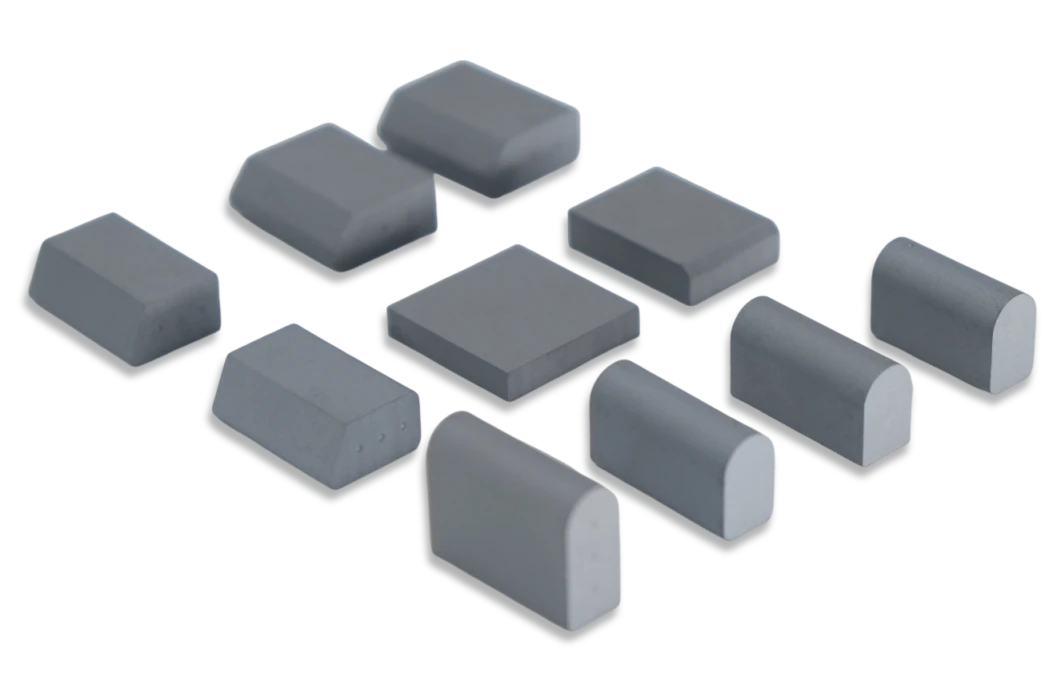
Tungsten carbide ice resurfacer studs deliver 10–20 times longer lifespan than traditional steel, reducing replacement frequency and total cost of ownership by up to 70% for fleets. SENTHAI’s Thailand-made carbide studs combine hardness, wear resistance, and impact tolerance trusted by 80+ global partners.
(Last modified date: September 2, 2026)
Quick definition: SENTHAI’s vacuum-sintered carbide inserts withstand impacts with uniform grain structure, minimizing dulling and breakage.
Key Takeaways
- Carbide studs last 10–20x longer than steel in abrasive ice and snow.
- Fewer changes cut downtime by up to 70% and total costs by 50%+.
- Payback is typically within one season on high-use resurfacer fleets.
- Full in-house production ensures consistent stud quality and fitment.
Why Do Tungsten Carbide Ice Resurfacer Studs Outperform Steel?
| Property | Tungsten Carbide | Traditional Steel |
|---|---|---|
| Vickers hardness | Superior abrasion resistance | Lower, rapid dulling |
| Lifespan | 10–20x longer | Baseline |
| Impact tolerance | Higher, reduces breakage | Standard |
| Wear rate | Minimal in ice/snow | Rapid in friction |
SENTHAI’s vacuum-sintered carbide inserts withstand impacts with uniform grain structure, minimizing dulling and breakage. See ice resurfacer tires with 400 carbide studs.
How Does the 10–20x Lifespan Translate to Fleet ROI?
The longer lifespan reduces blade and stud changes, cutting downtime by up to 70% and total costs by 50%+ for fleets. Lower labor, inventory, and maintenance costs deliver significant savings per operating hour. See how to identify high-quality carbide inserts.
What Makes SENTHAI’s Thailand-Made Carbide Studs Different?
SENTHAI’s US-invested, Rayong-based manufacturing offers 21+ years of expertise with full vertical integration from raw powder to vulcanization. Automated lines ensure traceability, customization, and reliable supply for 80+ global partners. See SENTHAI high-quality snow plow blade manufacturer.
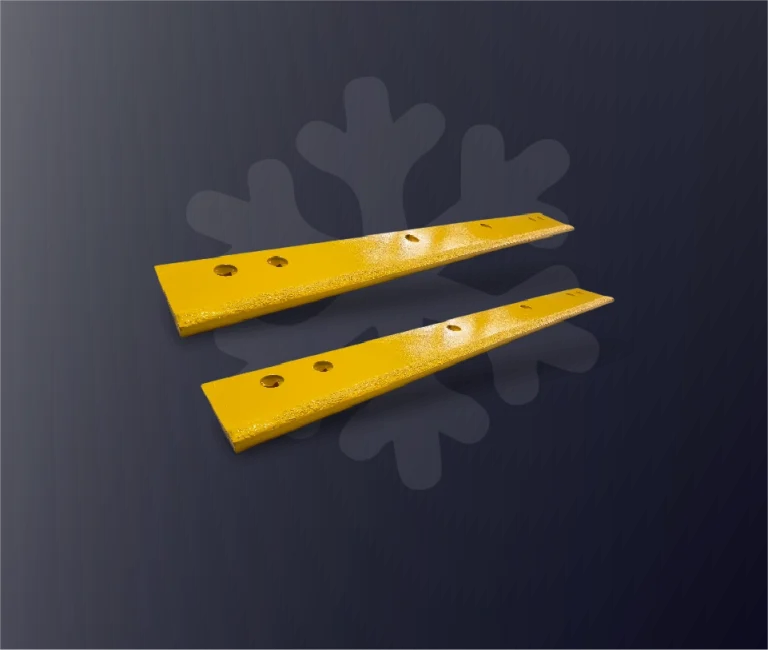
How Do JOMA-Style vs I.C.E. Blades Compare for Ice Resurfacer Applications?
JOMA-style blades flex with rubber-encased segments for vibration-sensitive arenas; I.C.E. blades use isolated inserts for impact-heavy ice. Match the architecture to the rink’s surface and use case. See is tungsten harder than steel.
What Are the Hidden Costs of Steel Studs vs Carbide Long-Term?
- Frequent replacement labor and downtime.
- Inconsistent traction from uneven wear.
- More frequent resurfacer maintenance.
- Higher total cost per operating hour.
Why Does Full Automation Ensure Superior Quality?
Automated wet grinding, pressing, sintering, welding, and vulcanization produce uniform studs with documented quality. See how brazing withstands high vibration.
How Can Fleet Managers Calculate ROI for a Carbide Stud Upgrade?
- Log current stud replacement frequency and cost.
- Estimate downtime and labor per change.
- Apply 10–20x life to project new frequency.
- Add traction and maintenance savings.
- Compare against carbide purchase price.
What Should You Know Before Switching from Steel to Carbide?
Verify stud size and retention compatibility with your resurfacer tires, and confirm the grade matches ice conditions. See commercial ice tires wholesale ROI.
FAQs
How much longer do carbide studs last than steel?
10–20 times longer in abrasive ice and snow service.
What’s the realistic payback period?
Most fleets recover the premium within one season through fewer changes and less downtime.
Are SENTHAI carbide studs compatible with existing resurfacers?
Yes — with verified stud size and retention compatibility.
Why choose Thailand-made carbide?
Full vertical integration, ISO certification, traceability, and consistent quality across orders.
Related Articles
- 400 Carbide Studs Engineering Guide
- Identifying High-Quality Inserts
- Tungsten vs Steel Hardness
- Impact-Resistant Blade Design
Official Resources
- SENTHAI — High-Quality Snow Plow Blade Manufacturer
- SENTHAI — Replaceable Carbide Inserts
- SENTHAI — Contact for Stud Specs
References
- SENTHAI ice resurfacer stud field data, 2026.
- Fleet ROI comparisons of steel vs carbide studs.
Related articles
 Best Snow Plow Blade Family for Your Fleet: Top 5 ScenariosKnowledge
 Top 10 Snow Plow Blade Types for Winter Fleets (Ranked by Duty Fit)Knowledge
 Top 5 Best Carbide Blade Configurations for Highway PlowingKnowledge
 Best Snow Plow Blade Materials Ranked: Steel vs Carbide vs Cladding vs Rubber-CarbideKnowledge