




Snow Plow Blades for Rochester: Carbide, JOMA, and Packed Ice Solutions
SENTHAI Local Guide · Rochester Prepared by SENTHAI Research | Scope: Rochester winter maintenance | Published: August 2026 For Rochester fleets and contractors, blade selection starts with the winter profile: about 259 cm (102…
SENTHAI Local Guide · Rochester
For Rochester fleets and contractors, blade selection starts with the winter profile: about 259 cm (102 in) of snow, a season that runs from November to April, and abrasive routes like I-490 and I-390. The lake-effect snowband around Rochester delivers repeated heavy events that hammer inserts and grind down edges. This guide matches each blade system to the routes that suit it. Begin with the SENTHAI snow plow collection to see the full range.
Winter in Rochester: What Wears Out Plow Blades
Rochester winters combine about 259 cm (102 in) of snow with a season that runs from November to April and aggressive chemical treatment on major routes. The result is a unique wear environment: abrasive grit grinds down edges, ice chunks hammer inserts, and brine attacks bonds. Annual snowfall records from NOAA climate data confirm the load — which is exactly why cutting edge quality matters here.
Rochester Winter Profile at a Glance
| Metric | Rochester |
|---|---|
| Average annual snowfall | about 259 cm (102 in) (NOAA climate normals) |
| Snow season | November to April |
| Dominant wear factor | Lake-effect snowbands + freeze-thaw |
| Ice risk areas | The lake ontario snowbelt |
| Typical January low | Around -7°C, colder with wind chill |
Snowfall figures are long-term city averages based on NOAA records; verify current seasonal data before publication.
Rochester’s Municipal Fleet and Contractor Market
Snow clearing in Rochester is a joint effort between city crews and private contractors, with priorities set by road class and emergency routes. the official Rochester municipal site is the reference point for how the program is run. Buyers in both groups evaluate blades on uptime and documented wear life rather than unit price alone.
Municipal and Market Report: What the Data Shows
Municipal and contractor budgets in Rochester share the same pressure point: storm response capacity. Real-time road condition reporting is maintained by New York’s 511 service. Every truck lost to a blade change is capacity that cannot clear a lane or bill an hour. That makes blade selection a procurement decision with real, measurable consequences.
References: NOAA snowfall normals (currentresults.com); New York’s 511 service; City of Rochester municipal website.
Matching the Blade System to Rochester’s Routes
Route type drives blade choice in Rochester. Long, high-speed corridors need edges that hold their profile; residential streets need systems that protect pavement and markings; ice-prone areas need geometry that fractures bonded ice. The result is a deliberate mix rather than a single specification.
Route-to-System Selection Matrix
| Route Type | Recommended System | Why |
|---|---|---|
| Highways and arterials (I-490 and I-390) | Carbide snow plow blade | Long wear life, consistent scrape at speed |
| Residential and marking-heavy streets | JOMA style rubber-flex | Pavement protection, less noise and vibration |
| The lake ontario snowbelt | Packed ice carbide kit | Fractures bonded ice, protects pavement |
| Light-duty and lots | Carbide standard or JOMA | Cost-per-mile balance for short routes |
Carbide Snow Plow Blades for Highways and Arterials
For high-mileage routes such as I-490 and I-390, carbide snow plow blades from SENTHAI deliver long wear life and a consistent scrape over long distances. Fewer changeouts mean fewer trucks off the road during storms — a direct operational win for both the city fleet and contractors.
JOMA Style Rubber-Flex Blades for Residential and Marking-Heavy Streets
On residential streets where blades run over manholes, curb cuts, and painted markings, JOMA rubber-flex blades from SENTHAI reduce noise, vibration, and pavement damage while still cutting ice. For neighborhoods that field complaints about early-morning plowing, the quieter operation is a community benefit as well as a maintenance one.
Packed Ice Kits for Rochester’s Worst Ice Events
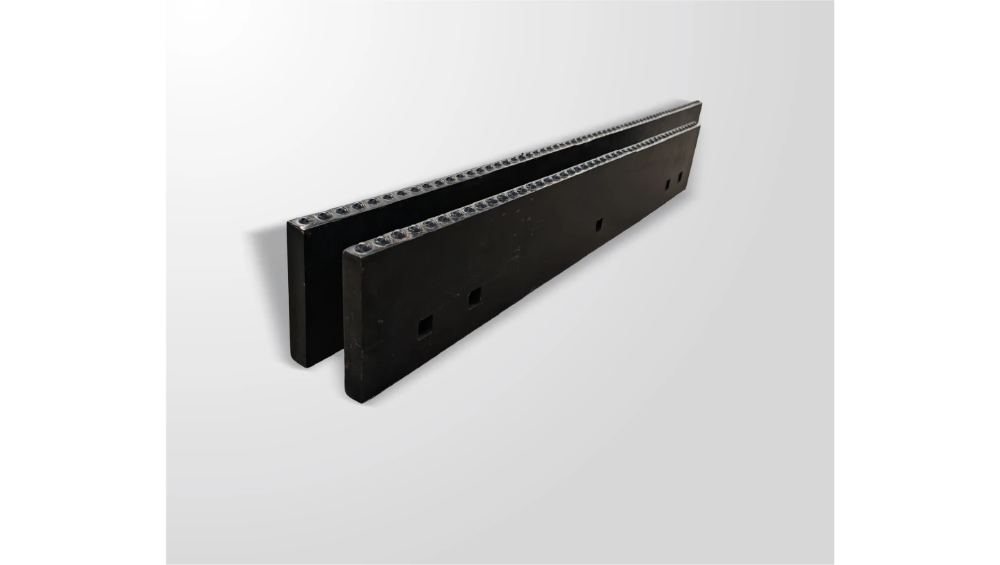
Freeze-thaw cycles leave bonded ice that standard blades cannot fracture. SENTHAI packed ice kit systems use dome-head geometry to break thick ice, protect pavement, and cut de-icing salt use — a combination that matters to a city running aggressive chemical programs.
Fitment and Seasonal Supply for Rochester Buyers
SENTHAI blades use standard AASHTO bolt patterns and existing clamping hardware, so they mount on the plows Rochester fleets already run. Pre-season ordering with confirmed fitment prevents mid-storm delays — the most expensive time to discover a mismatch.
Cost per Mile: The Case for Rochester Fleets
Use the same formula agencies apply: (blade cost + changeout labor + downtime) divided by miles cleared. On Rochester’s high-intensity routes, carbide and rubber-carbide edges typically pay back through fewer changes and less downtime. The FHWA tech briefs supports this data-driven approach, while Clear Roads plow blade testing and the the NCHRP cutting edge study give cold-climate agencies a field-tested framework for comparing edge life.
Cost-per-Mile Comparison (Planning Example)
| Blade Type | Relative Upfront Cost | Changes per Season (Example) | Downtime Impact | Best Fit in Rochester |
|---|---|---|---|---|
| Steel edge | Low | 3-5 | High | Light-duty only |
| Carbide blade | Medium | 1-2 | Low | I-490 and I-390 |
| JOMA style rubber-flex | Premium | 1-2 | Low | Residential, marking-heavy |
| Packed ice kit | Premium | Runs to wear limit | Lowest | Ice events, bridges |
Sourcing from SENTHAI: Documentation, Trials, and Support
Every SENTHAI order carries QC documentation and lot-level traceability, and the team supports controlled trials on real routes. SENTHAI carbide insert systems cover replacement edges and wear parts for long-term programs. Share your route profile and plow measurements for a fitment and system recommendation.
Frequently Asked Questions
What is the best snow plow blade for Rochester?
Carbide for highways and arterials, JOMA style rubber-flex for residential and marking-heavy streets, and packed ice kits for ice events. Most Rochester fleets run a mix.
How much snow does Rochester get per year?
about 259 cm (102 in) on average per season, with a winter that typically runs from November to April — which is why blade wear and snow-clearing budgets are recurring issues here.
Do carbide blades hold up in lake-effect snowbelt duty?
Yes. SENTHAI blades combine stress-relieved carbide with brazing engineered for repeated impact, so inserts stay seated through the back-to-back events that define lake-effect winters.
Can contractors buy directly from SENTHAI?
Yes. SENTHAI supplies municipal fleets, contractors, and distributors, with pre-season ordering and lot traceability.
Make Rochester routes the benchmark. See the full range on the SENTHAI snow plow blade range and ask SENTHAI for a fitment review with your fleet details for a recommendation.
Related articles
 Best Snow Plow Blade Family for Your Fleet: Top 5 ScenariosKnowledge
 Top 10 Snow Plow Blade Types for Winter Fleets (Ranked by Duty Fit)Knowledge
 Top 5 Best Carbide Blade Configurations for Highway PlowingKnowledge
 Best Snow Plow Blade Materials Ranked: Steel vs Carbide vs Cladding vs Rubber-CarbideKnowledge