Precision CNC Machining for Custom Wear Liners: Cutting Downtime, Extending Service Life (July 2026)

Precision CNC machining for custom wear liners helps mining, cement, and road maintenance operators cut downtime and extend equipment life. Learn how SENTHAI’s carbide wear parts turn abrasion into a predictable, controllable cost.

The new economics of precision CNC‑machined wear liners

Global demand for wear liners is rising as mining, construction, and infrastructure operators push equipment harder in more abrasive environments. Recent market studies show steel wear liners alone are forecast to reach well over USD 6 billion in value around 2034, supported by steady growth in heavy industry and bulk materials handling. Within that, flat and custom‑formed liners already account for a large share of installed protection, underscoring how precise fit and engineered designs are replacing generic “cut‑to‑fit” plates.

In this context, precision CNC machining for custom wear liners is shifting from a “nice‑to‑have” to a core reliability strategy for operators who want predictable wear life. SENTHAI, a US‑invested manufacturer based in Rayong, Thailand, focuses on carbide snow plow blades and road maintenance wear parts that can dramatically outlast traditional steel solutions in abrasive winter and road conditions. By combining advanced cemented carbide metallurgy with tight CNC tolerances, SENTHAI helps fleets move from reactive blade replacement toward planned, data‑driven maintenance.

How SENTHAI enters the picture

SENTHAI Cemented Carbide Tools (Thailand) Co., Ltd. is a specialist manufacturer of carbide snow plow blades and road maintenance wear parts. Its carbide blades are built on micro‑grain tungsten carbide and premium C45 steel, using brazed carbide inserts and tungsten carbide particle cladding to deliver very long service life in snow and ice control applications. For operators, that translates into fewer blade changes, less downtime, and more hours spent actually clearing roads.

For buyers evaluating precision CNC‑machined custom wear liners, SENTHAI offers more than just materials; it brings a mature, industrialized base of vacuum sintering, compression molding, and high‑precision grinding. That production platform makes it possible to turn real‑world wear patterns and fit‑up problems into optimized insert layouts, blade geometries, and hole patterns that repeat reliably across large fleets.

What is precision CNC machining for custom wear liners?

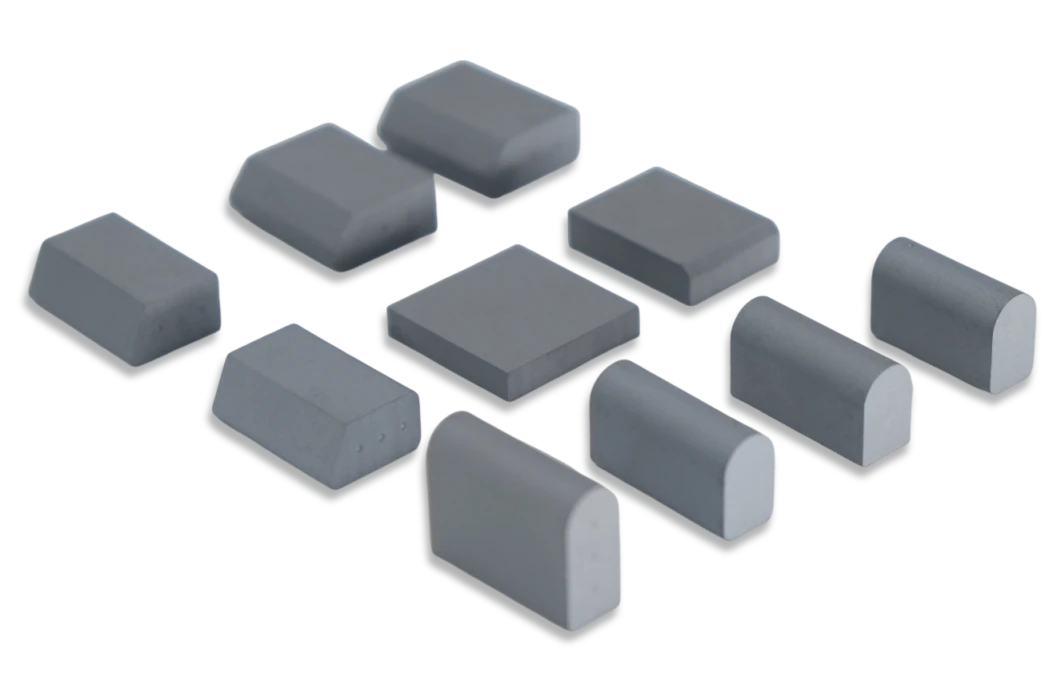
Precision CNC machining for custom wear liners is the use of computer numerical control equipment to cut, mill, drill, and finish wear‑resistant materials so they precisely match the geometry and load profile of a specific machine or flow path. Instead of a generic plate, each liner is engineered with controlled thickness, chamfers, bolt‑hole locations, and surface finish tailored to the equipment and duty cycle. When combined with advanced materials such as cemented carbide, this approach turns the sacrificial liner from a consumable commodity into a repeatable, performance‑critical component.

Applied to snow plow blades and road maintenance wear parts, CNC precision means that cutting edges arrive ready for drop‑in installation, without torch‑cutting or field drilling. This makes it much easier for maintenance teams to standardize across equipment models and ensure that every replacement liner or blade behaves consistently in service.

Why traditional wear liners fall short

Unpredictable wear and unplanned downtime
Conventional wear liners are often manually cut and drilled from carbon or alloy steel plate, or supplied in basic sizes that do not match each machine’s specific geometry. The result is poor contact, uneven loading, and local hotspots at bolt holes or leading edges that fail early. Because demand for steel wear liners is climbing alongside mining and construction growth, every unexpected liner failure now carries greater cost in lost production, emergency repairs, and missed service windows.

Inconsistent quality and fit across fleets
Municipal snow fleets, highway contractors, and airport operators frequently source blades and liners from multiple local suppliers. Small differences in edge geometry, insert placement, or bolt patterns make blade life highly variable, even on similar plows doing the same work. Procurement teams are left juggling many SKUs and cannot meaningfully compare performance or consolidate inventory without a stable, CNC‑controlled standard.

Labor‑intensive change‑outs and safety risks
When blades and liners are not built to fit, technicians spend valuable time torch‑cutting, grinding, drilling, and improvising shims in the yard or, worse, on the roadside. These field modifications extend downtime and expose crews to safety risks in bad weather or during night work. In highly abrasive environments such as snow and ice control with de‑icing salts, frequent interventions become an unavoidable, costly routine.

READ  How to Prevent Bolt Shear in High-Impact Snow Plowing Environments?

Limited leverage of advanced materials
Hardfacing, carbide, and ceramic composites can greatly outperform steel liners, but only if they are engineered and mounted with precision. Poor fit, mismatched bolt patterns, or rough surfaces can introduce stress concentrations that chip, crack, or debond even the best wear‑resistant materials. Without CNC‑controlled machining and a robust brazing or cladding process, operators may never realize the full benefit of premium materials and may wrongly conclude that “carbide doesn’t work here.”

“In highly abrasive operations, upgrading to engineered wear liners can cut liner‑related downtime by double‑digit percentages and extend component life by multiple cycles compared with standard steel plates.”

CNC‑machined carbide wear liners vs common alternatives

AspectCNC‑machined carbide wear liners (SENTHAI type)Generic steel plate linersMolded or bonded rubber liners
Base materialMicro‑grain tungsten carbide inserts brazed into premium C45 steel blades for high abrasion and impact resistanceCarbon or alloy steel plate, often flame‑cut and drilled by handRubber or rubber‑ceramic composites bonded to steel backing plates
Manufacturing accuracyPrecision grinding, milling, and drilling with tight tolerances and automated QA for consistent fitVariable tolerances; alignment and hole spacing depend on local fabrication skillAccurate in thickness and basic geometry, but limited flexibility in very complex or highly customized shapes
Wear life in abrasive serviceService life up to ten to twenty times that of traditional carbon steel edges in suitable winter conditionsBaseline; shortest life in high‑abrasion, high‑impact or salt‑rich environmentsGood against sliding abrasion and for noise reduction, but can struggle with sharp impacts or high temperatures
Fit‑up and change‑out timeDrop‑in replacements with controlled bolt patterns reduce or eliminate on‑site cutting and drillingRegular need for cutting, grinding, and drilling increases change‑out time and laborFaster once installed as a system, but less adaptable to major geometry changes over time
Best‑fit applicationsSnow plows, road maintenance equipment, and other high‑abrasion, high‑downtime‑cost environmentsGeneral‑purpose protection where low upfront price outweighs life and precisionChutes, hoppers, and transfer points needing moderate wear protection and noise reduction
Lifecycle cost profileHigher unit price but much lower cost per operating hour and fewer disruptive change‑outsLowest purchase price but highest frequency of replacement and unplanned interventionsModerate cost with good performance in selected applications, but limited in extreme abrasion or impact conditions

What precision CNC adds to custom wear liners

Material optimization beyond “harder is better”
Precision CNC machining allows engineers to position carbide inserts, cladding, and backing materials exactly where they create value: leading edges, impact zones, and wear hot spots. SENTHAI’s carbide snow plow blades, for example, use brazed carbide inserts in milled grooves of a 3/4″ steel blade, balancing abrasion resistance and impact toughness. This targeted design avoids over‑engineering low‑wear areas while delivering maximum protection where it is needed most.

Tight tolerances for predictable wear and fit
CNC‑machined liners and blades hold tight dimensional tolerances on thickness, bolt‑hole spacing, and attack angle. SENTHAI emphasizes precise manufacturing so that its blades can achieve high‑precision fit to AASHTO or DIN mounting standards, enabling rapid “drop‑in” replacements without hand fitting. For operators, that consistency turns every blade change into a planned, fast operation instead of a custom fabrication project.

Integration with advanced carbide processing and QA
CNC machining delivers the full benefit of SENTHAI’s material science, including vacuum sintering, compression molding, and proprietary brazing technology. Micro‑grain carbide inserts are processed to ensure uniform structure and strong bonds to the steel backing, helping blades withstand high‑speed impacts with manholes or obstacles without shattering. Combined with specialized surface conditioning and precision sandblasting before brazing, this integrated process keeps inserts firmly bonded even in corrosive salt environments with intense vibration.

“By combining micro‑grain tungsten carbide, optimized attack angles, and precision brazing, SENTHAI’s carbide snow plow blades can achieve a service life at least ten to twenty times longer than traditional carbon steel cutting edges in many winter applications.”

“Dimensional tolerances as tight as a fraction of a millimeter on bolt patterns and blade geometry help fleets achieve rapid drop‑in replacements, minimizing labor and vehicle downtime during storms.”

“When operators measure cost‑per‑mile instead of purchase price, carbide snow plow blades produced on automated CNC and sintering lines often deliver a substantially higher return on investment over a full season than standard steel blades.”

Examples of how CNC‑machined liners are used

“A municipal snow fleet that replaced conventional steel edges with CNC‑machined carbide blades saw blade changes drop from several times per winter to a single planned change‑out, freeing crews to focus on keeping roads open instead of working in the shop.”

“A highway maintenance contractor standardized on one CNC‑machined carbide blade pattern across multiple plow models, cutting SKUs and simplifying inventory while improving average edge life and service consistency.”

“An airport operations team adopted carbide cutting edges with optimized attack angles to maintain clean‑to‑pavement results on runways, reducing the risk of packed snow and ice while limiting nighttime maintenance windows.”

SENTHAI’s range extends beyond a single blade design, allowing road and winter maintenance operators to build a complete wear‑management system around a common technology base.

  • Carbide snow plow blades and cutting edges
    SENTHAI’s dedicated carbide snow plow blades are built as flat 3/4″ metal blades with tungsten carbide inserts brazed into milled grooves, delivering excellent abrasion resistance and impact protection over long routes.

  • High‑performance micro‑grain carbide inserts
    Micro‑grain carbide inserts and tungsten carbide particle cladding options enable custom edge designs, from heavy‑duty municipal blades to specialized back‑drag configurations, while maintaining stable factory quality from batch to batch.

  • I.C.E. blades and advanced road maintenance wear parts
    SENTHAI has launched I.C.E. blade concepts and other carbide wear parts aimed at providing cleaner roads, longer wear life, and lower lifecycle cost for municipal agencies, DOTs, airports, and private contractors.

  • Technical support and custom blade development
    The company supports OEM and fleet customers with drawing‑based customization, from specific bolt patterns and edge profiles to tailored insert layouts for front, underbody, and wing plow positions.

READ  How Can Extra Durable Snow Blades Transform Winter Road Maintenance Efficiency?

How to adopt precision CNC‑machined wear liners

  1. Map your current wear and failure modes
    Start by cataloging how and where your existing blades and liners fail: scalloped edges, broken corners, bolt‑hole elongation, or insert loss. Collect photos, operator notes, and time‑in‑service data across your fleet to build a clear picture of the main wear mechanisms.

  2. Quantify total cost of ownership, not just blade price
    Record not only what you pay for each liner or blade, but also the labor hours, overtime, equipment downtime, and service‑level penalties linked to change‑outs and failures. Many operators discover that change‑out and downtime costs overshadow the hardware price once these factors are properly captured.

  3. Engage an expert in carbide and CNC manufacturing
    Share your equipment drawings, mounting standards, and wear analysis with a specialist capable of both advanced carbide processing and precision machining. A partner like SENTHAI, with integrated sintering, brazing, and CNC grinding, can help translate your problems into optimized blade and liner designs.

  4. Pilot CNC‑machined carbide liners against existing solutions
    Select representative plows or machines and run side‑by‑side trials between your current steel plates and new carbide CNC‑machined liners over a full operating season. Track blade life, change‑out times, and surface condition performance to build a data‑driven comparison.

  5. Standardize successful designs and rationalize SKUs
    Once the pilot results are clear, move to standardize on a limited set of CNC‑machined carbide patterns that cover most of your fleet. Consolidating around a stable design reduces inventory complexity and ensures every technician is familiar with installation procedures.

  6. Create a continuous improvement loop with your supplier
    Treat each season’s wear data as input for further refinement of insert layout, material grade, and machining tolerances. Working closely with your manufacturer, you can progressively extend service intervals, align change‑outs with scheduled maintenance, and tighten the link between blade performance and operating conditions.

Use cases: before and after CNC‑machined liners

Scenario 1: Municipal winter maintenance fleet

  • Traditional approach
    A city runs steel cutting edges bought from multiple vendors, with blades cut and drilled in local workshops. Edges wear unpredictably, forcing mid‑storm change‑outs and consuming overtime as crews repeatedly return to the yard.

  • After adopting SENTHAI‑style carbide blades
    The fleet switches to standardized carbide snow plow blades with micro‑grain inserts produced on automated lines. Change‑outs move to planned windows, blade life stretches across much of the season, and technicians spend more time on the road and less time fabricating parts in the shop.

Scenario 2: Highway contractor with long‑route plows

  • Traditional approach
    A contractor responsible for long highway segments sees large differences in blade life between plows, with some blades failing early and others returning with unused wear. Inventory and purchasing are complicated by many blade types and local modifications.

  • After adopting precision CNC machining for custom wear liners
    The contractor standardizes on one or two CNC‑machined carbide blade patterns that fit all key plow models. Consistent fit and geometry deliver more uniform wear, clearer cost‑per‑kilometer data, and easier forecasting of blade requirements for multi‑year contracts.

Scenario 3: Airport and critical‑infrastructure operations

  • Traditional approach
    An airport relies on conventional edges that lose cutting sharpness mid‑season, leading to packed snow and slush on runways and apron areas. Crews must frequently grind or replace edges during short nighttime maintenance windows.

  • After adopting carbide CNC‑machined cutting edges
    With highly wear‑resistant carbide blades built to precise attack angles and mounting specs, the airport maintains clean‑to‑pavement performance for longer intervals. Change‑outs can be scheduled into regular maintenance plans, improving runway availability and reducing operational risk.

READ  Why Is 1045 Steel Better Than A36 for Carbide Snow Plow Blades?

FAQ about precision CNC machining for custom wear liners

How does precision CNC machining improve custom wear liner performance?
CNC machining delivers tight control over liner and blade geometry, from thickness and flatness to bolt‑hole spacing and edge angle. This precision ensures better load distribution, more stable contact with the working surface, and reduced stress at critical points, which in turn helps advanced materials like carbide achieve their full wear potential across a fleet.

What are the main benefits of carbide wear liners versus steel in road maintenance?
Carbide offers far higher hardness and wear resistance than typical steels used in plow edges, so cutting geometry stays effective much longer in environments with ice, packed snow, and abrasive de‑icing materials. SENTHAI’s carbide snow plow blades, for example, are designed to deliver service life at least ten to twenty times that of traditional carbon steel blades in many winter conditions, meaning fewer blade changes and lower cost per cleared kilometer.

Can precision CNC‑machined liners be customized for my equipment model?
Yes, custom CNC‑machined liners and blades can be tailored around your specific plow models, mounting hole patterns, and service conditions using OEM drawings and field data. SENTHAI’s manufacturing approach includes a wide range of sizes and full customization of carbide inserts and bolt patterns, allowing operators to upgrade performance while still fitting existing equipment.

How do I know if the ROI justifies upgrading to CNC‑machined carbide liners?
The key is to compare cost‑per‑hour or cost‑per‑mile instead of just purchase price. When you factor in blade life, labor for change‑outs, equipment downtime, and potential service‑level penalties, premium carbide solutions often deliver a strong return. Many fleets justify the higher upfront investment by showing that total seasonal costs and operational disruptions fall even as blade quality and road conditions improve.

Are CNC‑machined carbide wear liners suitable outside snow and road applications?
While SENTHAI focuses on snow plow blades and road maintenance, the same principles apply to any high‑abrasion application where downtime is expensive, such as certain mining, aggregate, or infrastructure uses. Wherever equipment suffers premature wear from constant impact and sliding abrasion, a well‑engineered, CNC‑machined liner or edge can improve uptime and reduce manual repair work.

What should I look for in a supplier of custom CNC‑machined wear liners?
Look for deep expertise in wear‑resistant materials such as tungsten carbide, in‑house control over key processes like vacuum sintering and brazing, and a track record with fleets or OEMs similar to yours. A supplier like SENTHAI, with automated manufacturing for carbide blades, close control of tolerances, and the ability to support drawing‑based custom designs, can offer more predictable performance and long‑term partnership than commodity plate fabricators.

Turning abrasion into a controllable cost

As global demand for wear liners grows across mining, construction, and winter road maintenance, operators can no longer treat liners and blades as low‑value consumables. Precision CNC machining for custom wear liners, especially when combined with high‑performance carbide inserts, offers a practical route to longer wear life, fewer interventions, and more stable maintenance budgets. For municipal fleets, highway contractors, and airports, this shift can mean fewer emergency call‑outs, more reliable service levels, and safer roads and runways.

SENTHAI’s focus on carbide snow plow blades, micro‑grain carbide inserts, and road maintenance wear parts, supported by integrated sintering, brazing, and CNC grinding in Thailand, positions the company as a strong partner for operators who want to industrialize their wear‑management strategy. Rather than fighting the same wear problems every season, maintenance leaders can build a standardized, data‑driven approach that transforms abrasion from a recurring headache into a predictable line item.

CTA and SENTHAI in one sentence

If you are ready to evaluate precision CNC machining for custom wear liners in your snow or road maintenance operation, now is the time to plan a pilot program, capture baseline data, and compare carbide performance over a full season. With more than two decades of carbide tooling experience and a complete lineup of high‑performance snow plow blades and wear parts, SENTHAI helps fleets worldwide clear more road with fewer blade changes and a far clearer picture of their true cost‑per‑mile.

Sources