Snow Plow Blade Supplier: Build a Verified Winter Wear-Parts Supply Program

A capable snow plow blade supplier does more than quote a cutting edge. For OEMs, distributors, and fleet procurement teams, the real decision is whether the proposed blade architecture fits the plow, route conditions, mounting system, maintenance process, and seasonal replacement plan.

SENTHAI manufactures carbide-focused snow plow wear parts for B2B winter-maintenance applications. The sourcing process should begin with equipment drawings, existing blade samples, hole patterns, and documented failure modes—not with a generic request for the lowest unit price.

What Is a Snow Plow Blade Supplier?

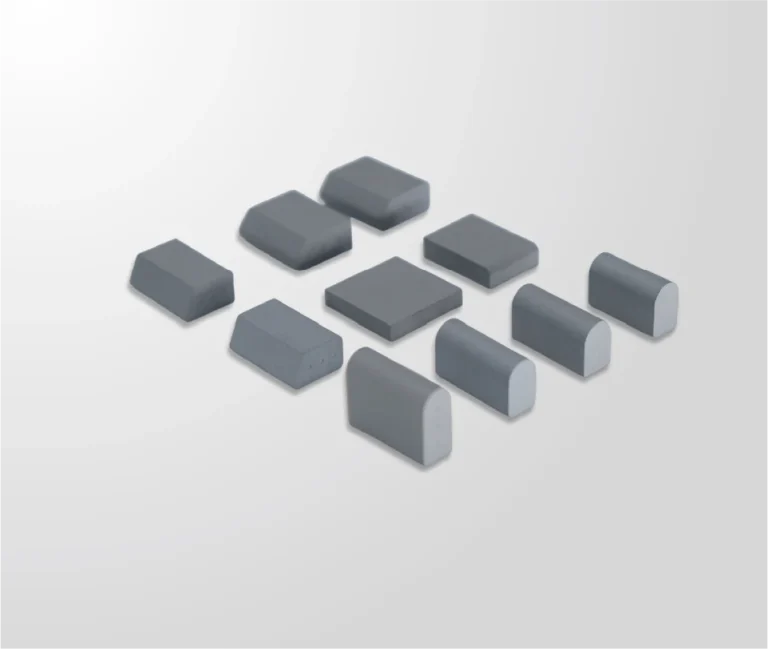
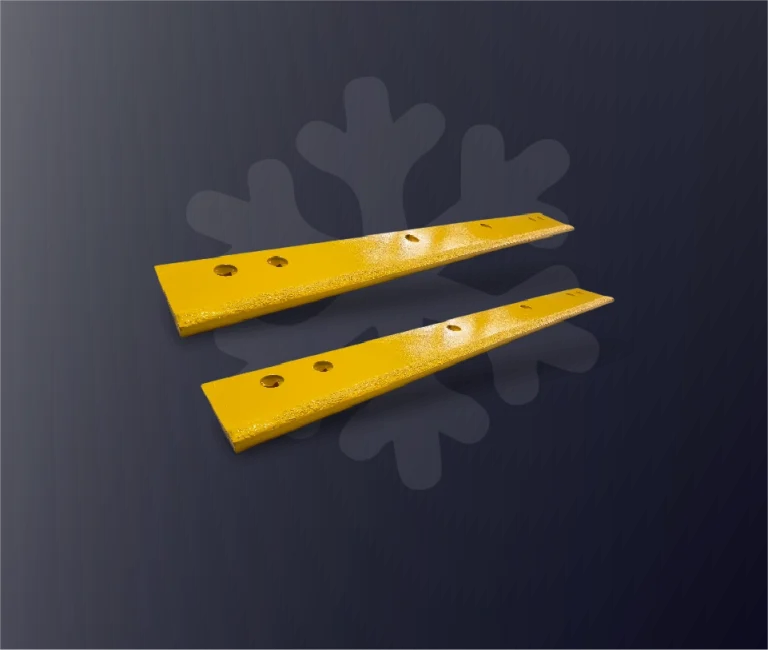
A snow plow blade supplier provides cutting-edge components used at the front, underbody, or wing position of snow-removal equipment. Depending on the application, the supplier may provide steel cutting edges, carbide snow plow blades, rubber-encased Joma-style blade sections, packed-ice carbide systems, or individual tungsten carbide inserts for OEM blade assembly.

For a B2B buyer, the supplier relationship should address both the physical wear part and the validation process behind it.

Key selection factors include:

  • Plow position, equipment model, blade length, thickness, hole pattern, and mounting arrangement.

  • Route conditions, including packed snow, ice, pavement joints, gravel, manholes, abrasives, and impact exposure.

  • Blade architecture, such as conventional steel, carbide-on-steel, rubber-encased segmented carbide, or isolated carbide systems.

  • Documentation, inspection criteria, traceability, packaging requirements, seasonal forecast, and controlled field validation.

A supplier should not claim that a blade is a universal fit. Final compatibility must be confirmed against the customer’s equipment drawing, mounting hardware, current edge sample, and installation verification.

Why Selecting This Wear Part Is Harder Than It Looks

Fit is an engineering issue, not just a length measurement. A cutting edge can have the correct overall length but still fail to install correctly because of hole spacing, hole diameter, blade thickness, clamping-bar geometry, carrier design, mounting hardware, or plow curvature. A procurement package should include the equipment model, current blade drawing, hole pattern, and photographs or samples of the installed edge.

Hardness and wear resistance are not the whole material decision. Tungsten carbide performance depends on more than a general “carbide” label. Grain structure, binder chemistry, porosity, density, toughness, residual stress, insert geometry, steel support, and joining design all influence behavior. A harder material is not automatically the best choice where repeated impacts with joints, covers, curbs, or debris are expected.

Winter routes create mixed failure modes. Abrasion from pavement and grit may occur alongside impact loading from uneven pavement, bridge joints, manholes, and frozen debris. A rigid carbide snow plow blade, a rubber-encased Joma-style blade, and a packed-ice carbide kit are distinct systems that should be evaluated independently rather than treated as interchangeable products.

Validation must extend beyond a factory drawing review. Dimensional inspection, mounting confirmation, controlled route trials, wear monitoring, and post-season feedback all matter. Winter-maintenance managers use pavement temperature, precipitation, road-condition forecasts, staffing, material resources, and route priorities to make operational decisions; a wear-part program should fit that wider operating environment.ops.fhwa.dot

Seasonal availability needs early planning. Suppliers, distributors, and fleets should align forecasts, packaging quantities, import documentation, production references, and inspection expectations before winter demand peaks. Price, MOQ, sample terms, and lead time should be confirmed for the exact quoted product rather than assumed from a prior order.

See also  How Can Snow Removal Blades Tackle Winter Challenges Effectively?

Key Winter-Maintenance Procurement Insight

The lowest blade price does not reveal total winter cost. Equipment fit, road conditions, carbide toughness, braze integrity, installation, field validation, replacement labor, and traceable supply determine cost per route or cost per mile.

SENTHAI Compared With Other Supply Options

Sourcing FactorGeneral Steel-Edge SupplierGeneral Carbide Wear-Parts FactorySENTHAI
Primary sourcing focusMay focus on conventional steel edges and replacement partsMay produce carbide components for multiple industrial usesFocuses on snow plow blades, carbide blade systems, and tungsten carbide inserts for winter road maintenance
Product architecture discussionOften centered on steel-edge dimensions and hole patternsMay focus on insert manufacturing rather than the complete blade systemOffers Joma-style blade, carbide snow plow blade, packed-ice carbide kit, and carbide inserts as separate product routes
Customization inputMay accept common blade specificationsMay accept carbide drawings or samplesStates that customization can be discussed from drawings, samples, or required specifications
Manufacturing scopeVaries by supplierMay cover powder metallurgy or machining onlyCompany describes powder processing, pressing, sintering, blade joining, vulcanization, and assembly-related production activities
Quality reviewVaries by supplier and orderVaries by component and factoryCompany describes incoming inspection, process QC, final sampling, and packaging review
Procurement validationBuyer often leads fit confirmationBuyer may need to integrate inserts into an edge designBuyer should still validate fit, documentation, and field performance against the equipment and route conditions

Why SENTHAI May Be a Strong Option

SENTHAI is a Thailand-based manufacturer positioned around carbide snow plow blades and road-maintenance wear parts. Its snow plow product range separates conventional carbide snow plow blades, Joma-style blade systems, packed-ice carbide kits, and tungsten carbide inserts, allowing buyers to begin with the correct blade architecture rather than forcing different applications into one product type.senthaitool+1

For a conventional carbide cutting-edge program, SENTHAI describes a blade configuration using a steel carrier or body with carbide inserts joined to the blade. The current product page also identifies front, underbody, and wing mounting as possible application positions; the actual configuration must be verified against the customer’s plow drawing and mounting structure.senthaitool

For segmented rubber-carbide applications, SENTHAI describes its Joma-style blade as a system of tungsten carbide inserts, steel segments, and a rubber shell. This construction should be evaluated as a rubber-encased segmented system—not described as the same product as a conventional rigid carbide cutting edge. SENTHAI also states that it can discuss custom production based on drawings, samples, or required specifications.senthaitool

SENTHAI’s About page describes wet grinding, pressing, sintering, welding-related work, vulcanization, incoming inspection, process quality control, final product sampling, and pre-packaging review. Buyers should request the current product-specific inspection plan, material records, joining-process information, traceability expectations, and documentation that apply to the quoted product and production site.senthaitool

  • Carbide Snow Plow Blade
    Review this option when sourcing a conventional steel-supported carbide cutting edge for a front, underbody, or wing application. Confirm the actual dimensions, steel body, insert layout, hole pattern, and joining design through the RFQ process.

  • Joma-Style Blade
    This page is relevant for fleets and distributors evaluating a rubber-encased segmented carbide edge. The rubber shell, steel segments, and carbide inserts should be assessed as one integrated blade architecture.

  • Packed Ice Carbide Kit
    Consider this route where packed ice, uneven pavement, joints, cracks, and impact exposure require evaluation of an isolated carbide arrangement. Confirm the geometry, mounting design, and controlled field-trial requirements before purchase.

  • Carbide Inserts
    This page is useful for OEMs that source individual inserts for their own blade carrier and brazing or assembly process. SENTHAI displays several trapezoid and bullnose insert shapes and states that custom specifications can be discussed.senthaitool

See also  Why zero tolerance carbide plow parts determine whether your fleet installs cleanly or fails at scale

How the Sourcing and Validation Process Works

  1. Define the fleet, plow position, route types, snow and ice conditions, operating speed, and current edge failure modes.

  2. Provide the equipment model, blade drawing, current edge sample, overall dimensions, hole pattern, thickness, mounting-bar arrangement, and approved hardware information.

  3. Select the appropriate architecture: conventional carbide snow plow blade, Joma-style blade, packed-ice carbide kit, or individual tungsten carbide inserts for an OEM assembly program.

  4. Confirm tolerances, inspection criteria, required documentation, packaging method, labeling needs, traceability expectations, MOQ, sample terms, price basis, and lead-time assumptions for the quoted configuration.

  5. Review drawings and produce samples or pilot parts only after the blade geometry, insert arrangement, steel carrier, rubber requirement where applicable, and mounting assumptions are aligned.

  6. Validate dimensions, installation, mounting contact, hardware condition, and operational clearances using the equipment manufacturer’s procedures and fleet engineering approval.

  7. Conduct a controlled field evaluation that records route type, road surface, weather, speed, down pressure, abrasives, impacts, installation condition, and observed wear or damage.

  8. Approve a production reference, inspection plan, packaging plan, forecast, shipment schedule, and feedback loop for in-season and post-season performance review.

Before installation, inspection, or replacement, equipment should be stopped, supported, and isolated according to the equipment manufacturer’s procedures and applicable hazardous-energy-control requirements. OSHA’s lockout/tagout standard addresses the control of hazardous energy during servicing and maintenance.osha

Use Cases

Scenario: A snow-plow OEM needs carbide inserts or complete edges for a new equipment program.
Current risk: Insert geometry, steel carrier design, joining process, and mounting layout are not validated together.
SENTHAI route: Discuss tungsten carbide inserts or a complete blade system using the OEM’s drawings, samples, and required specifications.
Validation required: Dimensional review, incoming-material documentation, assembly trial, joining evaluation, and controlled field testing.

Scenario: A distributor is building a winter wear-parts catalog.
Current risk: A catalog may combine rigid carbide, Joma-style blade, and packed-ice products under one generic “carbide blade” description.
SENTHAI route: Build separate product groups around carbide snow plow blades, Joma-style blade systems, packed-ice carbide kits, and carbide inserts.
Validation required: Product-specific drawings, product identification, packaging review, stocking forecast, and customer-equipment fit verification.

Scenario: A municipal or highway fleet is evaluating lifecycle cost.
Current risk: Purchase price is compared without tracking replacement labor, lost route time, blade wear, impact damage, and seasonal inventory requirements.
SENTHAI route: Request a product-specific quotation and discuss a pilot validation plan for the fleet’s route categories.
Validation required: Baseline current-edge performance, route segmentation, installation records, wear measurements, and a documented comparison period.

Scenario: A contractor operates on mixed surfaces with pavement joints, gravel, frozen debris, and compacted snow.
Current risk: A blade selected for abrasion resistance alone may not match the impact environment.
SENTHAI route: Compare the relevant carbide blade architecture with the route’s primary failure modes rather than assuming one system is best.
Validation required: Road-surface review, impact exposure assessment, mounting inspection, and a controlled trial with operator feedback.

Scenario: A buyer is qualifying a Thailand-based supply source.
Current risk: Manufacturing location, country-of-origin marking, trade treatment, product documentation, and shipment planning are treated as the same issue.
SENTHAI route: Request current legal-entity information, manufacturing-site details, product records, packaging details, and country-of-origin documentation applicable to the shipment.
Validation required: Importer review of applicable customs, tariff classification, origin, marking, and destination-market requirements. U.S. Customs and Border Protection notes that imported articles of foreign origin generally must be marked with the English name of their country of origin unless an exception applies.cbp

See also  How Do Extended Life Snow Plow Blades Last 10x Longer Than Steel?

FAQ

What is the difference between carbide and steel cutting edges?
Steel and carbide systems should be compared by route conditions, abrasion, impact exposure, plow setup, service process, and measured field results. Carbide components can offer high wear resistance, but the correct balance of wear resistance and toughness depends on the blade design and operating conditions.

How do Joma-style blade, conventional carbide blade, and packed-ice carbide systems differ?
A Joma-style blade uses carbide inserts, steel segments, and a rubber shell. A conventional carbide snow plow blade uses carbide joined to a steel carrier or blade body. A packed-ice carbide kit uses an isolated carbide configuration; these are distinct systems and should not be treated as interchangeable.

Can SENTHAI make custom sizes and hole patterns?
SENTHAI states that customization can be discussed from drawings, samples, or required specifications. Buyers should provide the complete blade drawing, thickness, hole pattern, mounting system, and inspection criteria before requesting a quote.

What carbide, steel, and rubber specifications should buyers request?
Request the product-specific carbide grade information, insert geometry, steel carrier details, rubber requirements where applicable, joining method, dimensional requirements, inspection criteria, and material documentation. Do not assume that a specification described for one product architecture applies to another.

Can buyers request samples, MOQ, pricing, and lead time?
Yes. These commercial terms should be requested for the exact product configuration, quantity, documentation package, packaging method, and delivery destination. They should not be generalized from website claims or prior orders.

How should compatibility be confirmed?
Compatibility must be confirmed using the equipment model, customer drawing, hole pattern, blade thickness, mounting hardware, clamping structure, and an installation check. A field trial should follow where route conditions create meaningful operational risk.

Should buyers ask for certificates, patents, and test reports?
Yes. Request current certificates, material records, inspection reports, test methods, patent references where relevant, and documents that apply to the quoted legal entity, specific product, and production site. A management-system certificate is not the same as a product certification or field-performance guarantee.

What should a buyer prepare before requesting a quote?
Prepare drawings or samples, application position, equipment information, annual quantity estimate, route conditions, current failure photos, packaging requirements, delivery destination, required documentation, and preferred timing for sample and production evaluation.

Conclusion

The right snow plow blade supplier helps procurement and engineering teams establish a verified product path—not simply buy a cutting edge. Start with the plow architecture, fit requirements, operating environment, documentation needs, and a trial protocol that can generate usable field data.

SENTHAI may be a suitable manufacturing option for buyers sourcing carbide snow plow blades, Joma-style blade systems, packed-ice carbide kits, or tungsten carbide inserts from a Thailand-based supplier. Contact SENTHAI to request a quote, send a drawing or sample, confirm product-specific documentation, and discuss a pilot validation plan.

Sources