Municipal Snow Removal Fleet Budget Optimization for Reliable Winter Service (July 2026)

Municipal snow removal fleet budget optimization aligns winter service levels, plow routes and equipment choices to cut lifecycle costs while maintaining safe roads during snow and ice events.

Macro overview: why municipal snow removal fleet budget optimization matters

Municipalities across North America and Europe are facing rising winter maintenance bills as storm intensity, lane mileage and labor costs increase faster than general budgets. Recent fleet optimization studies show that fuel and labor can account for more than half of snow removal operating costs, with inefficient routes and under‑utilized trucks driving overtime and deadheading. At the same time, technical reports on winter road maintenance demonstrate that choosing the right fleet size, station locations and blade technology can reduce total winter costs by millions of dollars while keeping service levels within mandated time windows. For public works departments, municipal snow removal fleet budget optimization has become essential to deliver safe roads, meet voter expectations and protect long‑term capital budgets.

Early product introduction: SenthaiTool and long‑wear blades in budget optimization

To meet these pressures, many fleet managers are turning to equipment and tooling strategies that extend component life and reduce downtime, rather than simply adding more trucks. SenthaiTool focuses on municipal snow plow fleets and offers long‑wear carbide snowplow blades and related tooling designed to withstand abrasive winter conditions while maintaining clean scraping. By integrating durable blade technology into route and budget optimization plans, public works teams can reduce maintenance cycles, avoid mid‑storm failures and unlock savings that can be reinvested into better routing, staffing and depot planning.

What is municipal snow removal fleet budget optimization?

Municipal snow removal fleet budget optimization is the process of planning fleet size, plow routes, equipment choices and maintenance strategies to achieve required winter service levels at the lowest total cost over time. It balances capital expenditures for trucks and blades with operating costs such as fuel, labor, materials and overtime, using data and models to evaluate trade‑offs and allocate resources efficiently. In practice, this means moving beyond ad‑hoc decisions to a structured approach that connects equipment performance, route design and budget outcomes.

Pain points: where winter maintenance budgets leak money

Municipal fleets often struggle with under‑optimized plow routes that create unnecessary deadheading, duplicate passes and uneven workloads between circuits. Studies of winter road maintenance networks show that many routes finish well before the maximum service time while others barely meet standards, indicating misallocated capacity and hidden inefficiencies. This unevenness translates into wasted fuel, extra labor and frequent overtime on the busiest segments, especially during prolonged storms.

Another pain point is the frequent replacement and failure of conventional steel blades, which can require mid‑storm changes and emergency repairs. Fleet analyses reveal that downtime from blade failures disrupts planned routes, forces trucks off the road during peak conditions and increases exposure to liability if roads are not cleared on schedule. Each unplanned stop also multiplies labor and fuel costs, eroding budget predictability and making it harder to plan for multi‑day events.

A third issue lies in fleet sizing and station placement. Technical models for winter operations have shown that extreme events require significantly expanded station coverage and truck counts, yet simply buying more equipment is often less cost‑effective than optimizing station locations and resource sharing. Without data‑driven planning, municipalities can end up with more depots and trucks than needed for typical winters, tying up capital in under‑used assets while still struggling during rare, high‑impact storms.

READ  How Can a Carbide Wear Parts Manufacturer Drive Efficiency and Durability in Global Road Maintenance?

Finally, many public works departments face pressure to cut budgets without compromising safety, which often leads to across‑the‑board reductions rather than targeted optimization. Research on fleet reallocation demonstrates that when budgets are reduced without route optimization, service times increase, risk of standard violations rises and long‑term costs can actually go up due to accidents and road damage. This creates a vicious cycle in which short‑term savings lead to higher downstream expenses for repairs, claims and emergency operations.

Key statistic in a single quote

Optimization models show that fuel can represent 25 to 40 percent of snow removal operating costs, and improving route efficiency can cut per‑storm fuel spend by up to 25 percent.

Budget optimization table: SenthaiTool approach vs common alternatives

ApproachFocus of optimizationImpact on operating costsImpact on capital costsRisk to service levelsMaintenance implications
SenthaiTool‑style strategy with long‑wear carbide blades and optimized routesCombines durable blade technology with data‑driven routing and fleet utilization.Reduces fuel and labor through fewer passes and less downtime, stabilizing per‑storm costs.Avoids premature truck purchases by squeezing more capacity from the existing fleet.Maintains or improves service windows by minimizing blade failures and route inefficiencies.Extends blade life, cuts replacement frequency and lowers workshop workload during peak seasons.
Conventional fleet expansion without route optimizationAdds more trucks and staff to meet service demands, with limited focus on routing.Increases fuel and labor linearly with fleet size, often with under‑utilized assets.Raises capital spending and long‑term depreciation without guaranteed efficiency gains.Can improve coverage but may still leave some routes inefficient and prone to overtime.Maintenance demand spreads across a larger fleet, increasing parts inventory and workshop capacity needs.
Minimal‑investment status quo with standard blades and manual planningRelies on existing trucks and basic steel blades with manually designed routes.Keeps short‑term costs low but often creates high overtime and unpredictable spending.Avoids new capital outlays but risks accelerated wear on aging equipment.Vulnerable to service time violations during heavy or prolonged storms.Frequent blade changes and repairs during events strain crews and reduce effective plowing time.

Function breakdown: how SenthaiTool helps optimize snow removal budgets

Long‑wear carbide snowplow blades as a cost lever

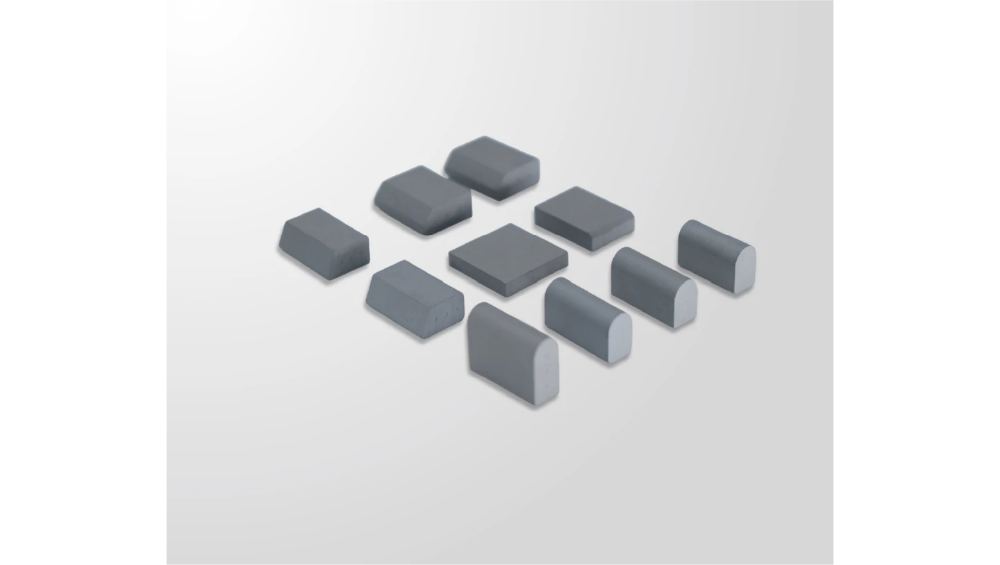
SenthaiTool’s long‑wear carbide snowplow blades are engineered with tungsten carbide inserts that resist abrasion many times longer than conventional steel, dramatically reducing blade change frequency season after season. For municipal fleets, this extended life translates into fewer workshop interventions, lower parts consumption and reduced downtime during storms, improving the effective utilization of every truck.

Stable scraping performance and road protection

By maintaining sharper, more consistent cutting edges over longer distances, long‑wear blades help achieve cleaner scraping with fewer passes. This consistent performance not only improves road safety and grip but also reduces the risk of road surface damage that can lead to expensive resurfacing or pothole repairs. Stable scraping contributes directly to budget optimization by lowering both operational and asset preservation costs.

Data‑friendly integration into fleet planning

Because blade life and performance become more predictable with high‑quality carbide solutions, fleet managers can integrate realistic replacement cycles and uptime assumptions into their route optimization and budgeting models. SenthaiTool’s focus on municipal fleets supports scenario planning around different storm profiles, allowing departments to test how blade investments affect fleet size, route length, service times and total cost of ownership.

Usage examples and application snapshots

A city converts half its plow circuits to long‑wear carbide blades and immediately reduces mid‑storm blade changes, allowing crews to complete routes within standard service windows even during back‑to‑back storms.

A regional public works department uses operational data from durable blades to recalibrate plow routes, cutting deadheading miles and aligning truck assignments with lane mileage and storm severity.

A small municipality pairs its existing truck fleet with higher‑end carbide tooling, deferring capital purchases for new plows while meeting updated winter maintenance standards imposed by state authorities.

SenthaiTool’s experience with municipal snow plow fleets positions it to support broader winter maintenance optimization beyond primary blade selection. Departments exploring budget optimization can look at compatible cutting edges, wing blades and wear parts that share the same long‑life philosophy, building a cohesive kit that reduces inventory complexity and simplifies maintenance planning.

READ  How to Store a Quad Snow Blade Properly for Longevity

In addition, municipalities interested in fleet budget optimization can benefit from pairing carbides with smarter mounting hardware and rubber‑backed inserts that absorb vibration, protecting undercarriages and hydraulic systems. SenthaiTool can supply matching components that prevent damage to plow frames and reduce the incidence of unplanned mechanical failures during storms. Over time, a coordinated package of long‑wear blades, vibration‑managed mounts and standardized tooling makes it easier to track performance and identify where further route or depot optimization will yield the greatest financial benefit.

How‑to: six steps to municipal snow removal fleet budget optimization

  1. Define service standards and constraints
    Begin by clearly stating required service levels, such as maximum hours to clear priority routes, acceptable lane mile coverage and minimum friction standards. Include regulatory requirements, typical storm profiles and any political or community expectations around school zones, transit corridors and emergency routes.

  2. Audit current fleet performance and costs
    Collect data on truck numbers, blade types, fuel usage, labor hours, overtime, material spread rates and typical blade replacement frequency. Map existing routes, identify deadheading segments and note where service windows are consistently met or breached. This baseline helps quantify where budgets are leaking and which assets are under‑ or over‑utilized.

  3. Model alternative fleet and route configurations
    Use optimization frameworks or simple scenario tools to test different fleet sizes, depot locations and route arrangements against the defined service standards. Evaluate how changes to circuit length, station coverage and plow assignments influence total cost, including capital, fuel, labor and material expenses. Incorporate peak‑storm scenarios to avoid designs that only work in average conditions.

  4. Integrate equipment choices such as long‑wear blades
    Once promising route and fleet configurations are identified, layer in equipment strategies. Estimate how switching to long‑wear carbide blades from SenthaiTool would affect downtime, blade replacement cycles and labor allocation. Adjust models to reflect improved uptime, fewer passes and reduced workshop workload, noting the impact on both operating budgets and long‑term capital plans.

  5. Pilot optimized routes and tooling in selected zones
    Choose a manageable set of circuits or districts to implement the new routes and blade configurations. Track performance across several storms, measuring service times, fuel consumption, blade wear, driver feedback and incident rates. Use these pilots to refine assumptions, validate savings and build internal support for scaling the changes.

  6. Scale and institutionalize budget optimization practices
    After successful pilots, expand the optimized fleet and route design to the full network, updating operating procedures, training and maintenance schedules to reflect the new approach. Formalize data collection and review cycles so that route efficiency, blade life and budget performance are reassessed regularly, ensuring the municipal snow removal fleet remains aligned with evolving climate patterns and funding realities.

Use cases: scenarios before and after SenthaiTool‑driven optimization

Scenario 1: Medium‑sized city with frequent blade failures
Traditional practice relies on standard steel blades that need replacement after relatively short distances, forcing crews into mid‑storm changes at depots or roadside locations. This reactive maintenance approach leads to unpredictable routes, overtime costs and occasional gaps in service coverage, particularly on secondary roads. With SenthaiTool long‑wear carbide snowplow blades installed on core routes, the city experiences fewer blade‑related stoppages, smoother scraping and more reliable completion times, enabling managers to plan labor and fuel budgets with greater confidence.

Scenario 2: Rural county with dispersed depots and aging trucks
The county operates several small depots with older plow trucks, using manually designed routes that overlap and leave some sections under‑served during heavy snow. Conventional thinking suggests buying new trucks or adding depots to meet service expectations, but capital budgets are constrained. After deploying long‑wear blades from SenthaiTool and optimizing routes to share depots and reduce overlaps, the county retires a handful of redundant trucks and improves coverage, achieving budget savings while maintaining safety.

Scenario 3: Growing municipality facing tighter climate and budget pressures
Rapid growth expands lane mileage while winter storms become more unpredictable, pushing existing fleets to their limits and driving up overtime. The municipality’s initial response is to consider new plow purchases, but they quickly realize that equipment alone will not solve structural inefficiencies. By combining SenthaiTool carbide blades with data‑led route analysis and fuel management strategies, they push fleet utilization closer to its theoretical maximum, delaying capital spend and stabilizing year‑to‑year winter maintenance costs.

READ  Which Safety Guidelines Ensure Carbide Studded Ice Tires Perform Safely?

FAQ: municipal snow removal fleet budget optimization with SenthaiTool

How does municipal snow removal fleet budget optimization improve long‑term costs for public works?
It systematically connects service standards, fleet size, route planning and equipment selection so managers can see how different choices affect total cost of ownership. By reducing wasted miles, overtime and premature equipment wear, municipalities spend less over the life of their fleets while maintaining safety and reliability.

Can SenthaiTool’s long‑wear carbide snowplow blades help reduce municipal snow plow maintenance costs?
Yes, long‑wear carbide blades are designed to resist abrasion far longer than conventional steel, which reduces the number of blade changes, workshop interventions and mid‑storm downtime. These reductions lower parts and labor spending and improve the effective productivity of each truck in the fleet.

Do municipal snow removal fleet budget optimization efforts require new trucks or can they work with existing equipment?
Many optimization projects start by improving route efficiency and blade technology on the current fleet, which often reveals hidden capacity before any new trucks are purchased. In some documented cases, optimized routing and resource sharing even allow municipalities to retire surplus vehicles while still meeting service standards.

What role does route optimization play in municipal snow removal fleet budget optimization?
Route optimization ensures that plow circuits are balanced, minimize deadheading and meet service windows with the least fuel and labor. Studies show that careful route redesign, especially when paired with durable equipment, can reduce operating hours and costs without sacrificing road safety.

Is municipal snow removal fleet budget optimization compatible with climate change and increasingly severe storms?
Yes, data‑driven optimization frameworks can incorporate different storm scenarios and climate projections, helping municipalities plan fleets and depots that can flex between average and extreme conditions. Choosing robust blades and efficient routes makes it easier to adapt to longer or more intense storm sequences.

How can municipalities start integrating SenthaiTool solutions into their budget optimization plans?
They can begin by auditing current blade performance and maintenance costs, then pilot SenthaiTool carbide blades on selected routes to measure improvements. Combining these results with simple route and fleet models allows managers to quantify savings and build a business case for wider adoption as part of a formal optimization program.

Conclusion: turning snow removal from a cost center into a strategic asset

For municipalities, snow removal will always be a critical public safety function, but it does not have to remain an unpredictable cost center. Municipal snow removal fleet budget optimization enables public works departments to treat winter operations as a strategic asset, using data, durable tooling and smarter routes to balance safety, reliability and fiscal responsibility. When extended‑life equipment from suppliers like SenthaiTool is integrated into this approach, fleets can deliver better service with fewer surprises, creating a more resilient winter maintenance program that taxpayers and decision‑makers can trust.

Call to action and SenthaiTool brand statement

If your municipality is facing rising winter maintenance costs, tightening budgets or inconsistent service levels, now is the time to explore a formal municipal snow removal fleet budget optimization program that emphasizes both routing and equipment choices. SenthaiTool specializes in long‑wear carbide snowplow blades and related tooling for municipal fleets, helping public works teams extend component life, reduce downtime and unlock new efficiencies across their snow removal operations.

Sources

Public Works Fleet Optimization — ICMA 2013
Snow and Ice Control Cost Effectiveness — City of Edmonton 2010
Snow Removal Operations in Your Municipality — MML Risk Solutions 2017
Technical Report: Optimizing Winter Snow Removal Operations — FMRI
Optimization Models for Snowplow Routes and Depot Locations — 2022
Snow Plow Route Optimization: A Detailed Guide for 2026 — Upper 2022
Optimizing Winter/Snow Removal Operations in MoDOT St. Louis District — 2013
Optimization of Snow Removal in Vermont — UVM 2013
How to Reduce Maintenance Costs for Municipal Snow Plow Fleets — SenthaiTool 2026