Municipal Snow Removal Bid: Specifying the Consumables Line
A municipal snow removal bid usually arrives with the consumables line described in fewer words than the fuel clause. That is the line that decides whether the fleet finishes the season on schedule, and…

A municipal snow removal bid usually arrives with the consumables line described in fewer words than the fuel clause. That is the line that decides whether the fleet finishes the season on schedule, and it is the one most often left to a part number copied from the previous award.
This guide is written for the buyer who writes the consumables requirement inside a municipal snow removal bid: what can be controlled at specification stage, how to separate specification from brand, what documentation to demand before award, how pricing and continuity should be structured, and how risk and acceptance should be handled.
What the Buyer Actually Controls
You control the specification, evidence and acceptance terms.
The buyer cannot control the winter, but the requirement, the evidence demanded at bid stage and the acceptance test are all written by the buyer before award.
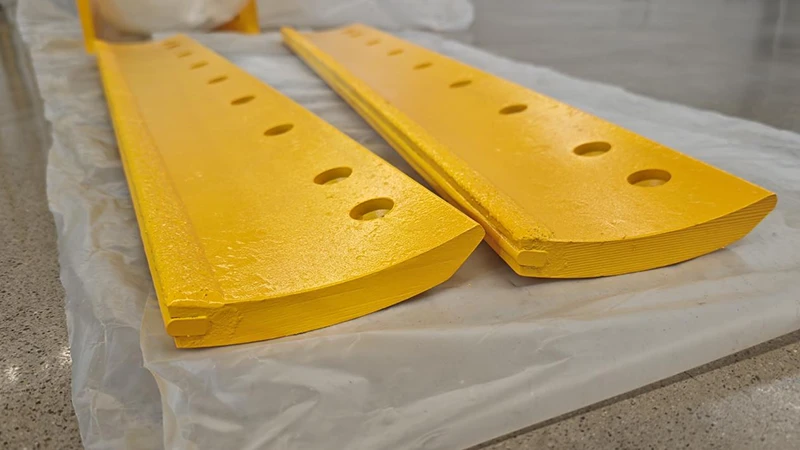
Start from the fact that a consumables line is not a commodity purchase. The item being bought is a wear life on a defined route, in a defined attachment, at a defined tolerance. Everything the buyer can control flows from stating that clearly: edge dimensions, grade and hardness range, the test method used to demonstrate them, the bolt pattern and hole spacing that must match the fleet, and the record that must ship with each delivery.
The second control is comparability. If each bidder is allowed to answer in its own format, the award decision rests on price alone, which is the least informative variable in the file. Requiring the same evidence package from every bidder – grade statement, hardness and grain size, dimensional report, fitment validation route and packing description – turns a price comparison into a specification comparison. Public procurement practice documented by the US General Services Administration is a reasonable model for how to phrase a requirement that is precise without naming a brand.
The third control is the acceptance gate. A requirement that says nothing about how a delivery is checked is a requirement that will be argued about later. Naming the check before award is what makes the clause enforceable.
Specification Versus Brand
Writing a brand into a public bid narrows competition and transfers the risk of a bad specification to the buyer. Writing a performance requirement keeps the field open and keeps the responsibility for meeting it with the supplier, which is the arrangement a fleet actually wants.
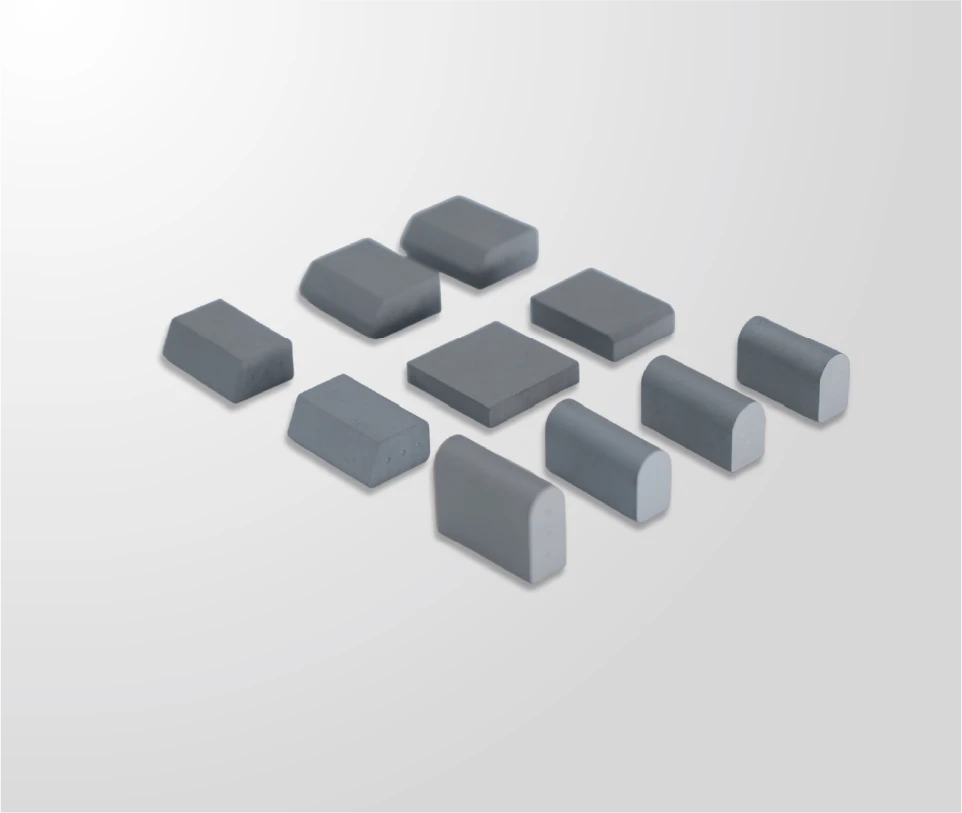
In practice this means specifying variables rather than models: the carbide grade family and the hardness range with the test method, the edge profile and insert geometry, the steel body thickness, the dimensional tolerance for the insert pockets, the bolt pattern and hole spacing, and the surface conditions the edge must survive. Where a bidder must match an existing attachment, the requirement should say that fitment is validated against a drawing or a physical sample, not against a photograph.
The trap on the other side is a specification so generic that it describes nothing. Terms such as heavy duty are not testable. A micro-grain claim without a grain size range and a method is not testable either. If a requirement cannot be verified by inspection or by a document, it will be resolved by whoever argues the case more convincingly.
Fitment deserves its own clause. Highway material and edge specifications adopted through the standards route, such as those published through the AASHTO publications store, describe the interfaces agencies work to, and a bid that references the applicable pattern is easier to police than one that references a part number.
Documentation to Demand Before Award
Documentation requested after award is documentation the buyer will not get. The point of asking at bid stage is that an unresponsive bidder can be set aside before the fleet depends on it.
A workable evidence list for a consumables line is short and standard. Ask for the grade designation and the hardness and grain size ranges with the test method behind them, following a published standard such as the material and test standards maintained by ASTM. Ask for a dimensional report against the drawing, the tolerance the supplier holds on insert pockets, the fitment validation route for the fleet’s attachments, and a description of the marking or traceability reference that identifies the lot. Add the packing and preservation method, because an edge that arrives damaged has failed on delivery.
Two further items are worth adding for a programme award rather than a single order: confirmation that the same evidence package will accompany each delivery, and confirmation of who at the supplier answers a technical query during the season. A named technical contact is a small clause that removes most of the friction from a mid-winter dispute.
Finally, if the municipality is a government entity, registration and eligibility requirements will apply to the supplier. The supplier registration platform operated through SAM.gov is the standard route in the United States, and a bid specification that requires current registration avoids the situation where an otherwise compliant bidder cannot be awarded.
Pricing Structure and What Drives It
Unit price is the headline, and it is driven by things the buyer can influence at specification stage: grade family, profile complexity, insert count, body steel thickness, tolerance class and the fitment validation work the supplier has to do.
The pricing structure matters as much as the level. A schedule that mixes one-off emergency orders with planned seasonal volume should say so, because the two carry different risk and will be priced differently. Where the bid documents allow alternative pricing structures, the buyer should require the bidders to state them explicitly rather than fold them into a single unit rate.
Commercial terms are not a market signal. Whether volume bands, sampling allowances, packaging standards or delivery windows apply, and how they are stated, is agreed per order and stated in the written quotation or order documents. A bid evaluation that compares unit rates without recording those terms is comparing numbers that will not survive contract administration.
One structural point belongs here: the lowest unit price frequently belongs to the winner whose part does not fit the fleet. Re-quoting a non-conforming blade mid-season, or adapting attachments, costs more than the difference in unit price that won the award. That is why the evaluation criteria should weight fitment and evidence, not only rate.
Lead Time, MOQ and Continuity
A consumables bid is really a continuity bid. The fleet does not need the cheapest edge in October; it needs a matching edge in February, after a storm has consumed the first set.
Continuity has three parts. The first is production: whether the supplier owns the process chain or resells someone else’s product, which decides how much control they have over a delivery date. The second is inventory: whether the supplier holds stock for the programme or produces to order, and whether the program is supplied through a distributor or a wholesale supply arrangement. The third is change control: what the supplier must do if the fleet changes an attachment mid-contract.
Ask each bidder to describe how an urgent in-season requirement is handled and how the record and evidence package will accompany it. Volume bands, minimum order quantities, sampling arrangements and lead times are agreed per order and stated in the written quotation or order documents, so the bid should require the bidder to state where those terms are recorded rather than to invent a promise in the proposal.
Delivery terms deserve the same treatment. Where a bidder ships internationally, the commercial term decides who carries freight and risk at each point of the journey, and Incoterms rules published by the International Chamber of Commerce exist precisely so the term is not ambiguous. Naming the term in the bid documents prevents a delivered-cost argument later.
Quality Gates and Acceptance Testing
An acceptance gate converts a promise into a check. For consumables, the practical gates are incoming inspection, first-article fitment and in-season performance review.
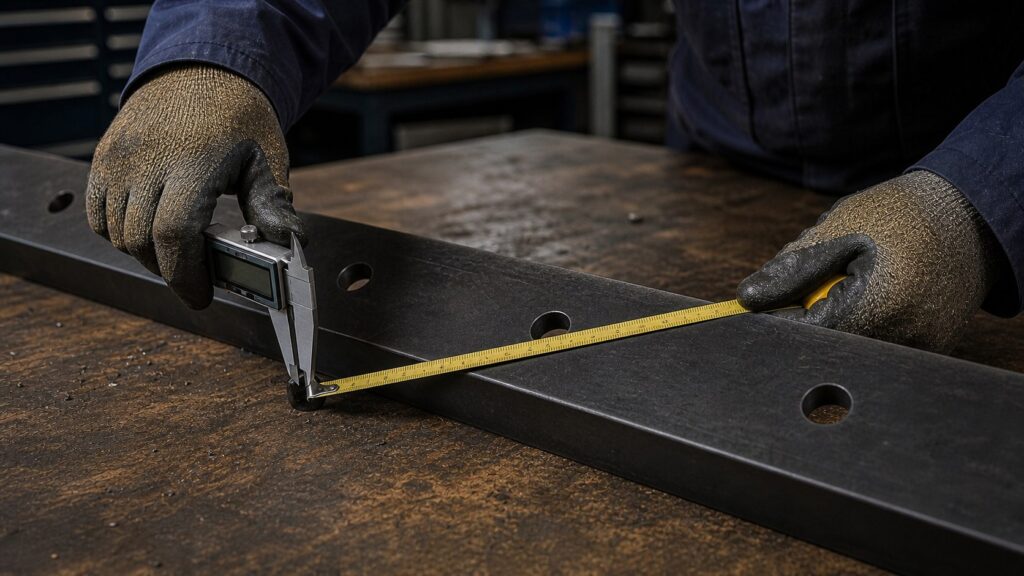
Incoming inspection should verify what the contract promised: dimensions against the drawing, hole spacing and bolt pattern, insert position and any visible defect in the brazed joint. First-article fitment should happen on a machine that will actually run the part, before a programme volume is accepted. Neither gate needs a laboratory; both need a record, because the record is what settles a dispute later.
The in-season gate is more useful than most agencies expect. Reviewing change-out frequency by route class against the specification tells the buyer whether the grade and profile were right, and it gives the supplier a legitimate reason to propose a change for the following season. The blade selection guidance is a reasonable basis for that review because it ties profile and grade to surface and duty rather than to a model range.
Keep the gate proportionate. A programme that requires laboratory analysis of every delivery will not be supplied at a competitive rate, and a programme with no gate at all will spend the season arguing about what was specified. One inspection route, applied consistently, is what the brief should require.
Risk, Warranty and Dispute Handling
Risk in a consumables line sits in three places: conformity, continuity and evidence. The bid documents can allocate all three before any snow falls.
Conformity risk is handled by the specification and the acceptance gate. Continuity risk is handled by the terms described above and by requiring the supplier to state where those terms are recorded. Evidence risk is handled by requiring the traceability reference with every delivery, because a claim cannot be investigated without knowing which lot failed.
Dispute handling should be written as a process rather than a right. State what happens when a part fails inspection, what evidence the supplier must provide, who inspects a returned part, what timeline applies and what the remedy options are. Where an investigation is required, the remedy follows the terms stated in the written quotation or order documents, which is the only place those terms can be checked against a specification.
Finally, note that a poorly written specification is a risk the buyer owns. If the requirement was untestable, the failure will be attributed to the buyer during contract administration, which is an expensive way to learn that a clause such as heavy duty does not survive contact with an inspector. Audit bodies such as the US Government Accountability Office document that pattern repeatedly in procurement reviews: most challenges succeed on the wording of the requirement, not on the price.
The consumables line in a municipal snow removal bid is decided before the award, by three documents: a specification that names grade, profile, tolerance and fitment validation; an evidence list demanded of every bidder; and an acceptance gate written into the contract. Pricing, volume bands, minimum quantities and delivery windows belong in the written quotation or order documents, where they can be compared and enforced. A bid that specifies variables rather than models, and requires the same evidence package from everyone, gets a comparison that means something and a winter that does not end in a mid-season argument.
Send SENTHAI the draft consumables clause, your attachment details and the fleet hole spacing, and the technical team will review the requirement against the drawings before the bid goes out.
Frequently Asked Questions
Can a municipal bid name a specific brand or part number for cutting edges?
Naming a brand narrows competition, transfers the specification risk back to the buyer and makes a bad specification harder to correct later. A performance specification that names grade family, hardness range with the test method, edge profile, tolerance class and the fitment validation route achieves the same result without brand-locking the award. Where a fleet must match an existing attachment, require validation against a drawing or a physical sample instead of a part number.
What evidence should we require before award rather than after?
Ask every bidder for the same package: grade designation with hardness and grain size ranges and the test method, a dimensional report against the drawing, the tolerance held on insert pockets, the fitment validation route, the marking or traceability reference for the lot, and packing and preservation. Request it before award because a supplier who cannot answer then is unlikely to answer mid-season.
How should lead time and minimum order be handled in the tender?
Do not ask bidders to invent a promise in the proposal. Ask them to state where their commercial terms are recorded, and require the terms that apply to the award to be set out in the written quotation or order documents. That gives the contracts team a document to enforce and keeps a proposal figure out of a specification it cannot satisfy.
How do we handle a delivery that fails inspection?
Write the process before the season, not after a failure. State the inspection criteria, the evidence the supplier must provide, who inspects a returned part, the timeline and the available remedies. Requiring a traceability reference with every delivery is what makes the process work, because a claim cannot be investigated without knowing which lot was installed.
{
“@context”: “https://schema.org”,
“@type”: “FAQPage”,
“mainEntity”: [
{
“@type”: “Question”,
“name”: “Can a municipal bid name a specific brand or part number for cutting edges?”,
“acceptedAnswer”: {
“@type”: “Answer”,
“text”: “Naming a brand narrows competition, transfers the specification risk back to the buyer and makes a bad specification harder to correct later. A performance specification that names grade family, hardness range with the test method, edge profile, tolerance class and the fitment validation route achieves the same result without brand-locking the award. Where a fleet must match an existing attachment, require validation against a drawing or a physical sample instead of a part number.”
}
},
{
“@type”: “Question”,
“name”: “What evidence should we require before award rather than after?”,
“acceptedAnswer”: {
“@type”: “Answer”,
“text”: “Ask every bidder for the same package: grade designation with hardness and grain size ranges and the test method, a dimensional report against the drawing, the tolerance held on insert pockets, the fitment validation route, the marking or traceability reference for the lot, and packing and preservation. Request it before award because a supplier who cannot answer then is unlikely to answer mid-season.”
}
},
{
“@type”: “Question”,
“name”: “How should lead time and minimum order be handled in the tender?”,
“acceptedAnswer”: {
“@type”: “Answer”,
“text”: “Do not ask bidders to invent a promise in the proposal. Ask them to state where their commercial terms are recorded, and require the terms that apply to the award to be set out in the written quotation or order documents. That gives the contracts team a document to enforce and keeps a proposal figure out of a specification it cannot satisfy.”
}
},
{
“@type”: “Question”,
“name”: “How do we handle a delivery that fails inspection?”,
“acceptedAnswer”: {
“@type”: “Answer”,
“text”: “Write the process before the season, not after a failure. State the inspection criteria, the evidence the supplier must provide, who inspects a returned part, the timeline and the available remedies. Requiring a traceability reference with every delivery is what makes the process work, because a claim cannot be investigated without knowing which lot was installed.”
}
}
]
}