




Loader Bucket Cutting Edges: How Carbide Inserts Change Wear Costs
This guide evaluates the cost of retrofitting a loader bucket with a carbide cutting edge. Use a matched before-and-after trial to compare edge expenditure, changeout downtime and productive operating hours. For dimensions, mounting and…
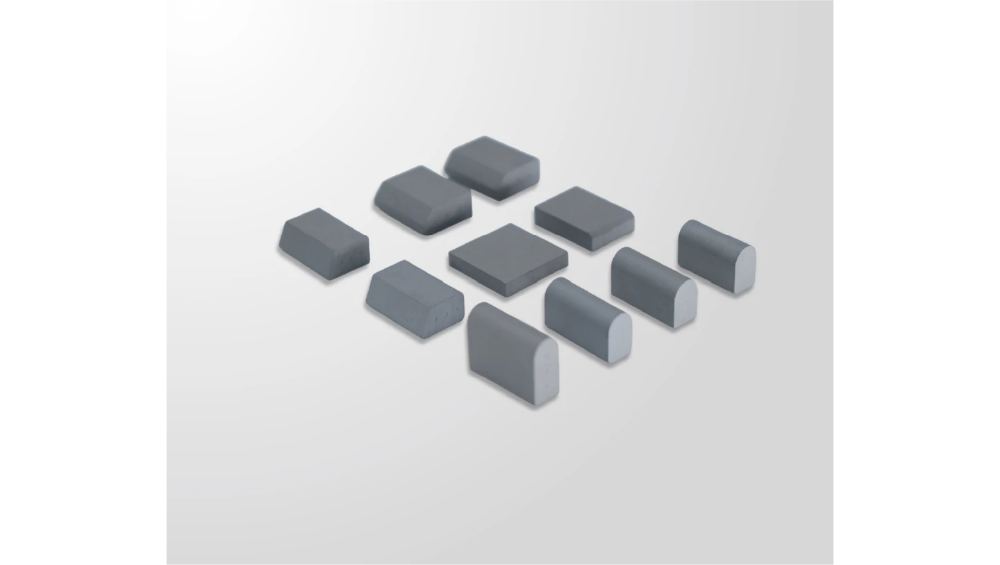
This guide evaluates the cost of retrofitting a loader bucket with a carbide cutting edge. Use a matched before-and-after trial to compare edge expenditure, changeout downtime and productive operating hours. For dimensions, mounting and quotation details, use the loader edge fitment and purchasing checklist.
Define a comparable trial
Choose machines with comparable material, utilization and impact exposure. Record the current edge condition and the replacement threshold before installation. Separate edges removed for impact damage from edges removed for normal wear so that the trial does not confuse different failure mechanisms.
Retrofitting versus new buckets
The retrofit question is practical: can the existing bucket accept a carbide edge, or is a new edge the better path?
Retrofitting works when the bucket edge is sound and the mounting can accept the carbide edge or insert configuration. The cost is the edge and the installation, and the payoff is measured against the current wear cost. A new bucket edge makes sense when the old one is worn beyond a usable base, or when the duty change justifies a different edge design.
The decision rule is to compare the retrofit cost with the wear savings it produces. If the carbide edge extends edge life enough to pay for itself within a season or two, the retrofit is the answer; if the bucket structure is already compromised, the money is better spent on a new edge on a sound bucket.
The same comparison applies across the fleet, not just to one bucket. A loader working abrasive material full-time justifies carbide protection differently than a loader used occasionally for light snow work, so the retrofit plan should rank the buckets by duty hours and wear cost. The fleet upgrades where the payback is fastest and leaves the light-duty machines on their current edges, which concentrates the investment where it returns.
The installation side of the retrofit should also be planned. Carbide edges are brazed or bolted to the bucket, and the mounting condition of the existing edge determines whether the upgrade is clean or requires rework. Confirm the edge mounting and the hardware before quoting the retrofit, so the cost estimate is real.
Calculate cost per productive hour
For each trial period, divide the cost of edges, installation labor, changeout downtime and attributable bucket repairs by productive operating hours. Use the same cost categories and replacement threshold for the steel and carbide cases.
Cost per productive hour = total attributable edge cost ÷ productive operating hours. Record quantities and assumptions separately from measured results. A longer-lived edge is only an economic improvement when its additional purchase and installation cost is covered by the measured operating benefit.
How do you measure the wear-cost improvement?
Measurement is what separates a retrofit from an experiment. Track before the change and after:
| Metric | What it measures |
|---|---|
| Edge life | Hours or passes per edge before replacement |
| Pass counts | Passes required for standard jobs |
| Edge condition | Condition at the defined inspection points |
| Bucket shell wear and repairs | How well the edge protects the bucket structure |
| Edge replacement cost | Replacement cost per season |
The comparison is per bucket, on the same duty, over a defined period. If the carbide edge doubles the edge life and cuts pass counts, the improvement is measurable and the payback calculates itself.
The measurement period should cover a representative workload, not a quiet week. A bucket that works ten days in a row through frozen material will show the wear difference; a bucket that idles most of the month will not. Running the before-and-after comparison on the same duty type, for the same number of operating hours, is what makes the numbers comparable and the payback credible.
Keep the record with the bucket’s maintenance file so the comparison carries across seasons and survives staff changes.
The file should name the duty type and the operating hours, because those are the fields that make next season’s comparison valid.
Without them, the numbers are measurements of a change, not evidence of a result.
Equip your buckets for winter and dirt
The decision to fit carbide protection to a bucket edge should follow the duty, not the brochure. Record the wear pattern, count the pass counts, and match the insert configuration to the dominant failure. SENTHAI’s carbide insert specifications are the reference for the component options, and its engineering team can confirm the configuration from the bucket drawing and duty list.
To start, send the bucket model, edge drawing or sample, duty list, and wear history through the contact page and ask for a configuration recommendation. The bucket edge is a wear-cost decision, and the data makes it one.
Expert view — SENTHAI engineering team: “A bucket edge earns its keep in passes. Carbide inserts are the wear-cost answer for the machines that work hardest.”
Frequently Asked Questions
Why do loader bucket edges wear so fast? Loader duty combines abrasion from material with impacts from pads, curbs, and frozen ground. The edge rounds and chips, reducing penetration and increasing pass counts.
What is the best way to protect a bucket edge? Match the carbide configuration to the dominant failure: brazed inserts for tooth-style wear, faced edges for continuous abrasion, and tougher carbide for impact-heavy duty.
Should I retrofit the existing bucket or buy a new edge? Retrofit when the bucket is sound and the mounting can accept the carbide edge; buy new when the structure is worn or the duty change justifies a different design.
How do I know if carbide paid for itself? Measure edge life, pass counts, edge condition, and bucket repair events before and after the change on the same duty. The comparison produces the payback number.
Can a loader bucket use snow plow blade inserts? The insert families are similar, and SENTHAI’s published insert range covers trapezoid and bullnose shapes that apply across wear-part programs. Confirm the configuration for the bucket.
What should I send for a bucket edge recommendation? The bucket model, edge drawing or sample, duty list, and wear history. The engineering team can then confirm the insert configuration.
Does SENTHAI make bucket edges? SENTHAI’s published range covers blades and carbide inserts, with customization from drawings, samples, or specifications, so bucket-edge configurations can be discussed with the engineering team.
How do I choose insert spacing for a bucket? Match it to the surface: abrasive pads favor tighter spacing for continuous cutting, while lighter duty can run wider and protect the base edge at lower cost. Confirm the layout with the manufacturer.
Sources
Related articles
 Best Snow Plow Blade Family for Your Fleet: Top 5 ScenariosKnowledge
 Top 10 Snow Plow Blade Types for Winter Fleets (Ranked by Duty Fit)Knowledge
 Top 5 Best Carbide Blade Configurations for Highway PlowingKnowledge
 Best Snow Plow Blade Materials Ranked: Steel vs Carbide vs Cladding vs Rubber-CarbideKnowledge