




JOMA Style vs. Standard Blades: A Performance Review for North American Snow Blades
In North American road maintenance, JOMA-style blades outperform conventional standard blades on the metrics that drive uptime and budget: they last 400–800 hours versus 150–250 hours on typical pavements, cut maintenance by up to…
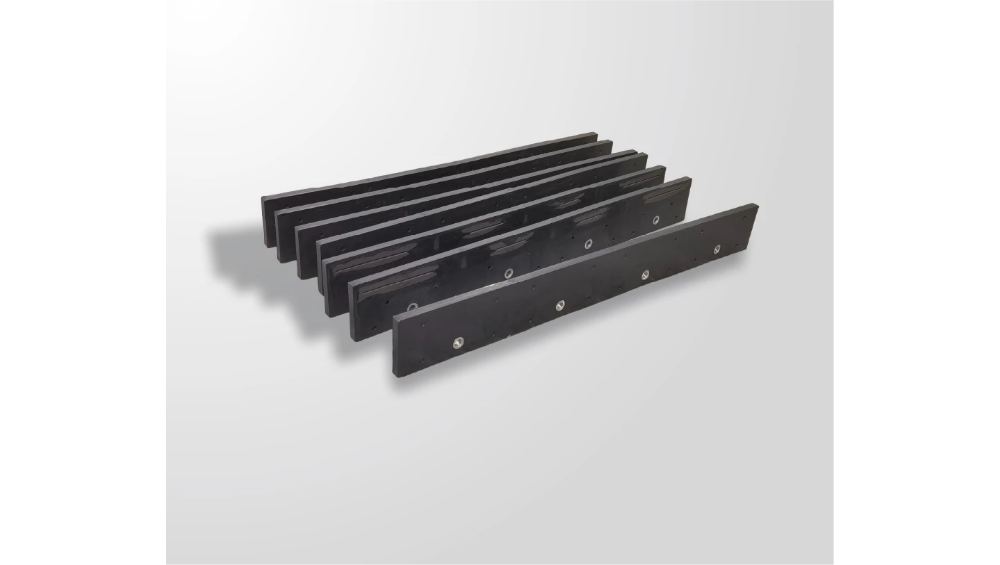
In North American road maintenance, JOMA-style blades outperform conventional standard blades on the metrics that drive uptime and budget: they last 400–800 hours versus 150–250 hours on typical pavements, cut maintenance by up to 70%, and reduce noise and vibration by 50–70%. Built from tungsten carbide inserts brazed into steel and encased in rubber-encased articulated segments, JOMA-style edges resist abrasion on asphalt and concrete, absorb impacts, and protect road surfaces better than solid steel or basic rubber edges.
(Last modified date: August 31, 2026)
Key Takeaways
- JOMA-style blades deliver 400–800 hours of life versus 150–250 hours for standard blades, and 3× longer life on salt-treated roads.
- Rubber-encased carbide segments dampen noise and vibration by 50–70%, improving operator comfort and reducing structural fatigue.
- Upfront cost is higher, but seasonal expenses run about 40% lower through extended life and reduced downtime.
- Pilot modular carbide systems on high-need corridors before fleet-wide rollout; see the cost-benefit analysis for municipalities.
Top Technologies and Design Principles
JOMA-style blades are built with tungsten carbide inserts brazed into a steel base, encased in a rubber shell, and complemented by articulated carbide segments. This combination delivers superior abrasion resistance, reduced shock transfer to the plow, and extended blade life on abrasive and icy surfaces. Standard blades are typically solid steel or rubber-edge configurations prone to faster wear under packed snow, gravel, and salt-treated conditions, often requiring more frequent flips, re-sharpening, and edge replacements — increasing downtime and total cost of ownership. See also the 3/4-inch blade thickness standard.
Field Performance: Asphalt vs Concrete
On asphalt, where road texture is generally moderate, carbide-augmented edges maintain cutting efficiency longer than plain steel, reducing the need for early re-sharpening or edge replacement. On concrete, with higher aggregate hardness, carbide-enhanced systems demonstrate noticeably slower wear progression, translating to longer intervals between maintenance actions. JOMA-style configurations with compliant rubber housings dampen vibration and reduce noise transfer during plowing, improving operator comfort and potentially extending equipment life by lowering structural fatigue on mounting points. The protective rubber shell also absorbs minor impacts from rough pavement or debris, preserving core steel integrity and delaying delamination that can occur with some carbide-on-steel designs.
Operational Benefits and ROI
| Metric | Standard blades | JOMA-style blades |
|---|---|---|
| Typical wear life | 150–250 hours | 400–800 hours |
| Life on salt-treated roads | Baseline | ~3× longer |
| Maintenance reduction | — | Up to 70% |
| Noise/vibration | Higher | 50–70% lower |
| Seasonal expense | Baseline | ~40% lower |
See also the best highway snow removal tools for government fleets, how graded road maintenance can be more efficient, and why blades skip on hard-packed snow.
Buying Considerations for North American Agencies
- Confirm compatibility with your plow clamp bars, hole patterns, and mounting hardware.
- Compare lifecycle cost (life, downtime, labor, salt use) rather than unit price.
- Request performance data from routes similar to yours — asphalt vs concrete, salted vs gravel.
- Pilot on high-need corridors, monitor wear life and downtime, then validate before fleet-wide rollout.
Frequently Asked Questions
What are the key differences between JOMA-style blades and standard blades?
JOMA-style blades use tungsten carbide inserts in rubber-encased segments for superior wear resistance and shock absorption, while standard blades rely on solid steel or basic rubber edges that wear faster on abrasive surfaces. This design cuts maintenance by up to 70% and protects roads better.
How do JOMA-style blades perform on asphalt vs concrete?
JOMA-style blades excel on both surfaces with adaptive segments that conform to surfaces, reducing gouging and vibration. They last 400–800 hours compared to 150–250 hours for standard blades.
Which blade offers better wear resistance in salted roads?
JOMA-style blades provide 3× longer life than standard blades on salt-treated roads due to carbide inserts and rubber damping, minimizing replacements and salt use.
Do JOMA-style blades reduce noise and vibration during plowing?
Yes. The rubber housing cuts noise and vibration by 50–70%, improving operator comfort and equipment longevity over rigid standard blades.
What is the cost comparison for JOMA-style vs standard blades?
JOMA-style blades have higher upfront costs but deliver 40% lower seasonal expenses through extended life and reduced downtime.
Are JOMA-style blades suitable for high-speed highway plowing?
Yes. JOMA-style blades handle high-speed plowing effectively with precise cutting and road protection, outperforming standard blades in ice and packed snow.
How does SENTHAI ensure quality in JOMA-style blades?
SENTHAI uses automated lines for pressing, sintering, and vulcanization, meeting ISO 9001 standards for consistent carbide bonding and wear resistance.
When should I choose JOMA-style over standard blades?
Choose JOMA-style in abrasive, high-volume North American conditions for longer life and efficiency; use standard blades only for light-duty rural routes, and test in your fleet to confirm uptime gains. See also the 2026 North American outlook.
Related Articles
- JOMA-Style vs Standard Carbide Blades: Cost-Benefit Analysis for Municipalities
- What Are the Best Highway Snow Removal Tools for Government Fleets?
- How Can Graded Road Maintenance Be Made More Efficient and Cost-Effective?
- Why Is Your Snow Plow Blade Skipping on Hard-Packed Snow?
- 2026 Outlook: Future Trends in North American Snow Removal
Official Resources
References
Related articles
 Best Snow Plow Blade Family for Your Fleet: Top 5 ScenariosKnowledge
 Top 10 Snow Plow Blade Types for Winter Fleets (Ranked by Duty Fit)Knowledge
 Top 5 Best Carbide Blade Configurations for Highway PlowingKnowledgeBest Snow Plow Blade Materials Ranked: Steel vs Carbide vs Cladding vs Rubber-CarbideKnowledge