




Carbide Blade vs Steel Blade Which One Truly Delivers Better Performance and Lifetime Value
Carbide blades deliver far better lifetime value than steel for heavy-duty snow plowing and road maintenance, lasting 5–20 times longer and reducing total cost per mile by 40–60% despite costing 2.5–3× more upfront. Steel blades win only for…
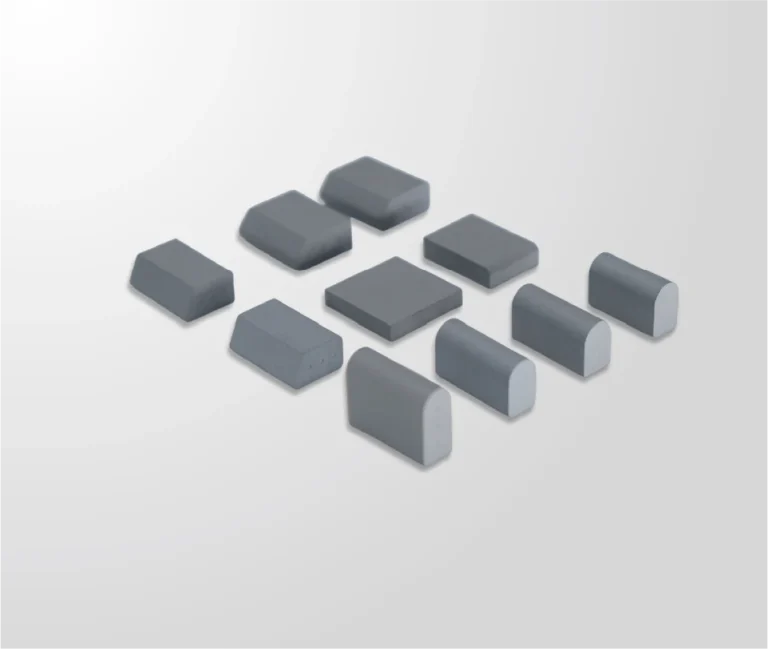
Carbide blades deliver far better lifetime value than steel for heavy-duty snow plowing and road maintenance, lasting 5–20 times longer and reducing total cost per mile by 40–60% despite costing 2.5–3× more upfront. Steel blades win only for low-speed plowing on poor roads with frequent impacts, where carbide’s brittleness creates shatter risk.
(Last modified date: September 7, 2026)
Quick definition: The core difference lies in composition: steel blades use high-carbon or heat-treated alloys that flex under load, while carbide blades employ tungsten carbide inserts or composites bonded to steel backings.
Why Material Hardness Defines Blade Performance
The core difference lies in composition: steel blades use high-carbon or heat-treated alloys that flex under load, while carbide blades employ tungsten carbide inserts or composites bonded to steel backings. Tungsten carbide ranks 9 on the Mohs hardness scale, nearly four times harder than hardened steel, creating superior wear resistance against abrasive asphalt, concrete, and compacted ice.
This hardness translates into measurable field results:
| Performance Metric | Steel Blade | Carbide Blade |
|---|---|---|
| Hardness (Mohs) | ~2.5 | 9 |
| Wear Life | 1 season or less | 2–4 seasons typical |
| Edge Retention | Dulls quickly | Maintains sharp edge far longer |
| Deformation Resistance | Low (bends under pressure) | High (resists deformation) |
| Regrind Frequency | High | Low |
Carbide edges maintain cutting efficiency in sub-freezing environments, resist deformation, and keep sharp edges longer, reducing both regrind frequency and equipment downtime.
Real Wear Life: What Operators Actually Experience
Field data shows carbide snow plow blades last 10–20 times longer than steel equivalents, with carbide inserts delivering 50,000–80,000 miles per inch of wear width. Contrast this with steel blades that may need replacement after just a few snow events to one season.
Contractors in northern states report carbide blades can complete an entire snow season—sometimes two—without replacement, while steel often needs swapping halfway through one cycle. Highway departments in Colorado and Minnesota documented downtime reductions over 40% mainly from less frequent blade changes.
Testing shows even one carbide blade has the durability of about 20 to 30 steel blades. On average, carbide blades have seven times more wear lifespan than traditional steel blades.
Cost Efficiency: The True ROI Equation
While carbide blades cost 2.5 to 3 times more initially than steel, lifecycle data reveals a different story. Studies show total lifetime cost per mile plowed can drop 40–60% when switching from steel to carbide.
Key contributing factors include:
-
Reduced replacement frequency — fewer blade purchases over 3–5 years
-
Fewer maintenance intervals — mechanics spend less time on cutting edge replacements
-
Lower truck downtime — trucks return to service faster during peak demand
-
Fuel and labor efficiency — smoother cutting edges require less downward pressure, reducing engine strain
For fleet managers calculating blade costs across multi-year periods, carbide options outperform steel in nearly every operational metric. The real ROI accelerates after just one or two operating seasons.
When Steel Blades Are the Better Choice
Despite carbide’s advantages, steel remains appropriate in specific scenarios:
| Condition | Recommended Blade | Why |
|---|---|---|
| Low-speed plowing (<15 mph) | Steel | Carbide’s brittleness increases shatter risk at slow speeds with heavy impact |
| Poor road conditions (potholes, manhole covers, bridge joints) | Steel | Steel’s flexibility handles unpredictable impacts better |
| Frequent blade loss/damage due to impact | Steel | Steel loses less from catastrophic failure than brittle carbide |
| Budget-constrained municipalities with light snowfall | Steel | Lower upfront cost suits occasional use |
| Delicate surfaces (brick, cobblestone, decorative pavement) | Rubber or steel | Carbide doesn’t conform well to uneven surfaces |
Steel blades are typically a good choice for low-speed plowing on poor road conditions where blades are frequently lost or damaged due to impact rather than general wear. About 60–75% of snow plows currently in circulation use steel blades due to accessibility and low upfront cost.
Mechanical Limitations: When Carbide Can Fail
Carbide’s extreme hardness creates a critical vulnerability: it’s brittle and will break before it wears down. This is why most carbide blade users protect their investment with a steel cover blade and plow guards.
Common failure scenarios include:
Direct Impact on Hidden Obstructions: Overestimating impact resistance on deep hidden manhole covers or severe expansion joints can cause carbide inserts to shatter or fall out.
Improper Downpressure: Operators running heavy downpressure to clear hard-packed snow may unintentionally shear carbide cores, especially without proper cover blade protection.
Mismatched Blade Configuration: Using rigid carbide center blades with flexible wing extensions causes uneven road contact, increasing stress on carbide inserts.
Ignoring Cover Blade Alignment: A properly configured carbide and cover set-up shields inserts from direct impact. The steel cover blade should sit ½ inch below the carbide blade to prevent digging and chattering.
Treating Carbide as Permanent: Even carbide blades require routine plow frame maintenance. Neglecting to inspect mounting hardware leads to blade chattering and premature bolt failure.
Carbide is a hard material that will most likely break before it wears down, making protective measures essential for maximizing wear life.
Surface Compatibility and Operational Trade-offs
Different blade materials suit different surface conditions and plowing speeds:
| Blade Type | Surface Compatibility | Speed Range | Best Use Case |
|---|---|---|---|
| Steel | Poor roads (potholes, manholes) | Low speed (<15 mph) | Urban maintenance, heavy ice cutting |
| Carbide Insert | Smooth asphalt, concrete | Medium-high speed (15–45 mph) | Highway plowing, continuous use |
| Rubber | Decorative pavement (brick, cobblestone) | Low speed (<15 mph) | Slush removal, sensitive surfaces |
Carbide insert blades are fantastic for medium-high speed plowing on road surfaces with few obstructions because reduced impact prevents brittle carbide from cracking.
Rubber blades have a squeegee effect, clearing light snow or heavy snow that has melted from salt/brine without ripping road substrate.
Maintenance Requirements Compared
| Maintenance Task | Steel Blade | Carbide Blade |
|---|---|---|
| Replacement Frequency | High (mid-season to 1 season) | Low (2–4 seasons) |
| Sharpening/Regrind | Frequent | Rare |
| Inspection Intervals | Every 2–4 weeks | Every 6–8 weeks |
| Cover Blade Required | No | Yes (protects inserts) |
| Undercarriage Stress | Higher vibration | Lower vibration, smoother contact |
Reduced maintenance means trucks return to service faster and operations run more predictably during peak demand. Even fuel usage is affected: smoother cutting edges require less downward pressure, reducing engine strain and hydraulic resistance.
Procurement Decision Checklist
Use this guide before selecting blade material for your fleet:
Carbide blades are the preferred choice for professional operators seeking superior durability and ROI in snow plow applications.
At this point, it’s worth noting that SENTHAI Carbide Tool Co., Ltd. is a US-invested manufacturer based in Rayong, Thailand, specializing in high-performance carbide blades and road maintenance wear parts. With over 21 years of engineering experience and certified ISO9001 and ISO14001 processes, SENTHAI ensures consistent quality across production lines, including JOMA Style Blades, Carbide Blades, I.C.E. Blades, and Carbide Inserts.
Frequently Asked Questions
Which blade offers superior durability: carbide or steel?
Carbide blades offer exceptional durability compared to steel, resisting wear, chipping, and abrasion in harsh conditions. Steel wears faster and requires frequent replacement, making carbide the preferred choice for long-term snow plow performance.
How much longer do carbide blades last than steel blades?
Carbide snow plow blades last 10–20 times longer than steel equivalents. On average, carbide blades have seven times more wear lifespan than traditional steel blades.
Is carbide worth the higher upfront cost?
Yes. While carbide costs 2.5–3× more initially, total lifetime cost per mile can drop 40–60% due to reduced replacement frequency and downtime.
When should I choose steel over carbide?
Choose steel for low-speed plowing on poor roads with potholes, manhole covers, or bridge joints where impact damage is frequent. Steel’s flexibility handles unpredictable impacts better than brittle carbide.
Do carbide blades require special maintenance?
Yes. Most carbide users protect inserts with a steel cover blade set ½ inch below the carbide edge to prevent shattering.
FAQs
How much longer does a carbide blade last than steel in real service?
Contractors in northern states report carbide blades can complete an entire snow season—sometimes two—without replacement, while steel often needs swapping halfway through one cycle. Highway departments in Colorado and Minnesota documented downtime reductions over 40% mainly from less frequent blade changes.
When are steel blades the better choice?
Steel blades are typically a good choice for low-speed plowing on poor road conditions where blades are frequently lost or damaged due to impact rather than general wear. About 60–75% of snow plows currently in circulation use steel blades due to accessibility and low upfront cost.
When can carbide blades fail?
Carbide’s extreme hardness creates a critical vulnerability: it’s brittle and will break before it wears down. This is why most carbide blade users protect their investment with a steel cover blade and plow guards.
Related Articles
- What Delivers Better ROI: Tungsten Carbide vs Steel Ice Resurfacer Studs?
- Why Is 1045 Steel Better Than A36 for Carbide Snow Plow Blades? Comprehensive Material & Mechanical Performance Guide
- Snow Plow Blade Materials Compared: Steel Rubber Polyurethane and Carbide Performance
- What Is a JOMA-Style Snow Plow Blade System and How Does It Work?
Official Resources
- Carbide Snow Plow Blade – SENTHAI Product Page
- Carbide Inserts – SENTHAI Product Page
- Snow Plow Blades Collection – SENTHAI
- Carbide Inserts Collection – SENTHAI
References
Related articles
 Best Snow Plow Blade Family for Your Fleet: Top 5 ScenariosKnowledge
 Top 10 Snow Plow Blade Types for Winter Fleets (Ranked by Duty Fit)Knowledge
 Top 5 Best Carbide Blade Configurations for Highway PlowingKnowledge
 Best Snow Plow Blade Materials Ranked: Steel vs Carbide vs Cladding vs Rubber-CarbideKnowledge