




How Does AASHTO Hole Punching Fit Seamless Fleet Retrofit?
When a snow plow blade is punched to AASHTO spacing, most fleet retrofits do not need re-drilling, slotting, or secondary machining. The key is matching hole count, center-to-center pitch, edge distance, and countersink geometry…
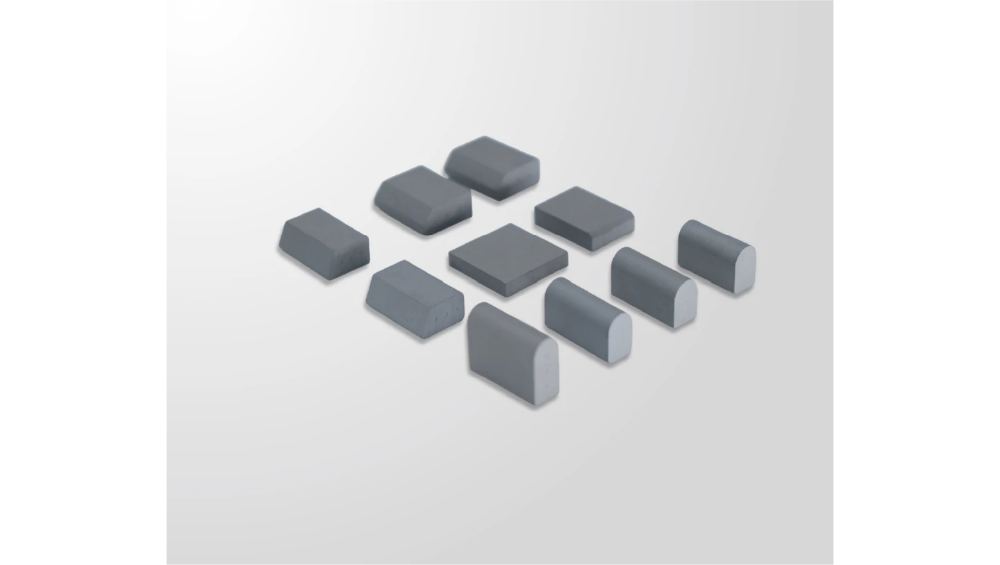
When a snow plow blade is punched to AASHTO spacing, most fleet retrofits do not need re-drilling, slotting, or secondary machining. The key is matching hole count, center-to-center pitch, edge distance, and countersink geometry to the existing moldboard or segmented blade system. In practice, a properly manufactured OEM blade can swap in cleanly, saving labor, avoiding misalignment, and keeping the fleet in service faster.
AASHTO Compliant Flexible Plow Blades Specification
What Is AASHTO Hole Punching?
AASHTO hole punching is a standardized blade-punch layout used for snow plow and wear-edge mounting. The pattern defines hole spacing, edge offsets, and end clearances so blades from different manufacturers can fit the same equipment without custom modification. For procurement teams, this is the difference between a true replacement part and a part that forces shop rework.
In our factory runs, the biggest fit failures usually come from small deviations, not huge ones. A hole that is off by even 1 to 2 mm in cumulative layout can create bolt stress, gap opening, or early cracking. That is why SENTHAI treats punching as a controlled engineering process, not a simple stamping step.
Which Hole Patterns Are Common?
The most common layouts seen in North American fleets are 11-hole and 12-hole punch patterns, with other lengths built from the same spacing logic. In AASHTO-style cutting edges, hole centers are arranged to preserve edge strength near the ends while keeping a repeatable pitch in the working zone. The exact blade length determines whether the end spacing is shortened or repeated.
For buyers, the real question is not just hole count. It is whether the hole layout keeps the fastener line stable under vibration, impact, and repeated edge change cycles. SENTHAI supplies both standard and OEM-specific configurations for wholesale and factory-direct fleet replacement.
How Do You Verify Fit?
Verify fit by checking four items: overall blade length, hole count, center-to-center pitch, and countersink style. Then confirm the first-hole offset from the blade end and the edge-to-hole distance, because those values determine whether the blade seats without forcing the bolts. If the blade uses a flexible segmented design, also check segment overlap and joint clearance.
A field-usable verification process is simple. Measure the old blade from hole center to hole center, not from edge to edge, and compare that total dimension with the replacement drawing. In fleet work, we also check whether the old bolts show washer imprinting; if they do, the hole diameter or countersink angle may be wrong even when the pitch looks correct.
Why Does Countersink Matter?
Countersunk holes matter because they control how the bolt head sits against the blade. If the countersink is too shallow, the head stands proud and creates wear or snow drag; if it is too deep, clamping force drops and the blade can loosen under impact. That matters even more on carbide or segmented blade assemblies, where local vibration is higher.
Based on production experience, countersunk fit issues often show up after the first service cycle, not during installation. The blade looks fine on day one, then the fasteners settle and the joint starts working loose. SENTHAI avoids that by controlling punch geometry, depth, and finish consistency during the factory stage.
Can Segmented Blades Replace Legacy Edges?
Yes, segmented blades can replace legacy one-piece edges when the hole geometry and mounting stack-up are matched correctly. The main advantage is serviceability: crews can replace worn sections without pulling a full-length edge, which reduces downtime and handling cost. This is especially valuable for fleets running mixed routes with different impact levels.
The trade-off is tolerance management. Segmented systems require tighter control of joint spacing, bolt pattern repeatability, and segment flatness. In our shop, the biggest mistake is assuming a segmented blade can tolerate the same installation freedom as a soft rubber edge; it cannot, because each segment transmits load differently.
How Do Manufacturers Prevent Rework?
Manufacturers prevent rework by locking the punch pattern before production and validating it against the customer’s mount drawing. At SENTHAI, that means checking hole count, pitch sequence, countersink angle, blade thickness, and bolt pack compatibility before the first full run. For OEM and wholesale orders, that step is what separates a true drop-in part from a field-adjustment part.
We also recommend a sample-fit program on first orders. A 2- or 3-piece pilot shipment is far cheaper than a rejected container or a fleet-wide install delay. In large procurement programs, the hidden cost is rarely the blade itself; it is the labor lost when shop crews have to align, enlarge, or rework holes.
What Are the Common Retrofit Errors?
The most common retrofit errors are wrong hole pitch, wrong end offset, mixed countersink styles, and assuming all 11-hole or 12-hole parts are interchangeable. Another frequent issue is using a replacement blade with the right hole count but the wrong thickness, which shifts bolt clamp behavior and changes wear life. On flexible plow blades, the wrong stiffness can also distort the hole line during installation.
-
Hole centers match on paper but not in accumulated length.
-
Countersink angle does not match bolt head profile.
-
End holes sit too close to the edge and tear out early.
-
Blade thickness changes clamp load and loosens fasteners.
-
Segmented joints do not align with the existing support points.
These errors are expensive because they often appear after installation, when crews are already committed. That is why a manufacturer should provide a dimensioned engineering drawing, not only a sales sheet.
SENTHAI Expert Views
“On the factory floor, the best retrofit is the one the fleet never has to think about. If the punch pattern is correct, the bolt head seats correctly, and the blade thickness is stable, the crew installs it once and moves on. At SENTHAI, we build to that logic: OEM repeatability, wholesale consistency, and practical fit that survives real winter abuse.”
Why Buy From A Manufacturer?
Buying from a manufacturer gives you control over drawing accuracy, hole consistency, material stack-up, and packaging by fleet or route. A supplier or trader may sell the right description, but only a factory can hold the punch pattern constant across repeated batches. For fleet managers, that consistency is what protects labor budgets and seasonal uptime.
SENTHAI, as a carbide wear part manufacturer, is set up for this kind of work. Our production covers wet grinding, pressing, sintering, welding, and vulcanization under one roof, so the punch geometry and wear performance are controlled together instead of being treated as separate issues. That is especially important when buyers need OEM blades, wholesale supply, or custom retrofit batches.
Are Custom Drawings Necessary?
Custom drawings are necessary when the fleet has mixed mounts, older brackets, or a nonstandard bolt pack. They are also necessary when the order includes flexible plow blades, segmented edges, or countersunk fasteners with a unique head profile. Even when the part is “standard,” a confirmed drawing reduces disputes and shortens approval time.
For procurement teams, the strongest approach is to request a dimensioned drawing with hole sequence, countersink detail, thickness, and tolerance notes. That document becomes the shared reference for the manufacturer, warehouse, and maintenance shop. In practice, it prevents the most common excuse in the field: “It looked standard, but it did not fit.”
How Should Fleet Managers Specify Orders?
Fleet managers should specify blade length, hole count, pitch, countersink requirement, thickness, material type, and application environment. If the route uses severe impact conditions, include expected plow speed, temperature range, and whether the blade is mounted on a rigid or flexible carrier. Those details let the manufacturer recommend the right geometry instead of guessing.
A strong purchase order should also name the replacement objective: direct swap, life extension, or reduced downtime. When the objective is clear, SENTHAI can match the product to the job instead of simply quoting a blade that “fits in theory.” That is how a factory-direct OEM relationship saves money in the long run.
What Is the Best Retrofit Strategy?
The best retrofit strategy is to match the existing mount exactly, confirm hole geometry before mass purchase, and choose a manufacturer that can hold repeatability across batches. For North American fleets, that usually means specifying AASHTO-style punching, verifying countersink compatibility, and insisting on a pre-production sample. Done correctly, there is no need for secondary drilling or rework.
For operators, the payoff is straightforward: faster changeouts, fewer shop hours, and fewer field failures. For buyers, the advantage is even bigger on bundled contracts, where a factory like SENTHAI can support wholesale supply, OEM labeling, and stable production planning. In winter maintenance, precision at the hole line is what protects the whole fleet.
FAQs
What does AASHTO punching control?
It controls hole count, spacing, end offsets, and often countersink compatibility so replacement blades fit the same mount without modification.
Do all 11-hole blades fit the same way?
No. Hole count alone is not enough; pitch, thickness, end distance, and countersink style must also match.
Can a segmented blade replace a one-piece blade?
Yes, if the mount geometry, segment spacing, and bolt layout are engineered for direct replacement.
Why do bolt holes fail after installation?
Common causes are misaligned punch spacing, wrong countersink depth, or clamp load loss from incorrect thickness.
Who should request a custom drawing?
Fleet managers, OEM buyers, and procurement teams should request one whenever the mount is old, mixed, or nonstandard.
Conclusion
AASHTO-style punching is not just a catalog feature; it is the foundation of a true retrofit-ready snow plow blade. When hole geometry, countersink detail, and blade thickness are controlled correctly, fleets avoid re-drilling, reduce downtime, and install with confidence. For buyers sourcing from a manufacturer, the best results come from factory-level drawing control, repeatable production, and direct fit validation. SENTHAI delivers that approach for OEM, wholesale, and supplier programs that need dependable winter wear parts.
Related articles
 Best Snow Plow Blade Family for Your Fleet: Top 5 ScenariosKnowledge
 Top 10 Snow Plow Blade Types for Winter Fleets (Ranked by Duty Fit)Knowledge
 Top 5 Best Carbide Blade Configurations for Highway PlowingKnowledge
 Best Snow Plow Blade Materials Ranked: Steel vs Carbide vs Cladding vs Rubber-CarbideKnowledge