Why Does Carbide Shatter? The Hidden Danger of Recycled Tungsten in Snow Plow Blades

Carbide shatters catastrophically due to impurities and non-uniform grain structure in recycled tungsten. Residual binders and contaminants create internal stresses that cause micro-cracks to propagate under impact. Virgin, vacuum-sintered carbide from SENTHAI eliminates these flaws, providing consistent density and superior impact resistance for demanding snow plow applications.

Check: Virgin vs Recycled Carbide: Which Wins for Snow Plow Blades?

What Causes Recycled Tungsten Carbide to Shatter During Plowing?

Micro-cracks propagate from inconsistent grain boundaries in recycled material, especially under extreme cold (−20°C to −40°C). Non‑uniform cobalt distribution weakens the binder phase, reducing fracture toughness. High‑impact loading (hitting curbs, manhole covers, packed ice) exploits these weak points, leading to sudden catastrophic failure.

Recycled carbide often contains residual stresses from previous use and reprocessing. When a snow plow blade strikes an obstacle, the impact energy concentrates at these weak grain boundaries rather than being distributed evenly. This micro‑crack propagation is invisible until the blade shatters. In contrast, virgin carbide with uniform grain structure absorbs impact through plastic deformation of the binder phase, preventing crack initiation.

How Do Impurities in Recycled Carbide Remain Hidden from Standard Inspection?

Impurities include residual binders from other scrap alloys, oxidized tungsten, and porosity from incomplete sintering. Standard visual or XRF inspection cannot detect internal grain inconsistencies or sub‑micro‑cracks. Recycled powder often contains batch‑to‑batch composition variations that are invisible to end‑users.

How Do Impurities in Recycled Carbide Remain Hidden from Standard Inspection?

The table below shows how impurity profiles differ between recycled and virgin carbide. These hidden flaws only reveal themselves under heavy winter plowing loads.

Impurity TypeRecycled CarbideSENTHAI Virgin Carbide
Cobalt distribution variance±0.5–1.5%±0.1%
Porosity level1–3% (A02–A06)<0.2% (A02 max)
Grain size consistency2–8 µm spread0.8–1.2 µm tight distribution
Oxide contamination riskModerate–HighNone (controlled atmosphere)

Standard incoming inspection at blade manufacturers may only check hardness and density. These bulk properties do not reveal the internal grain structure. SENTHAI’s fully in‑house process, from powder to finished blade, allows continuous quality checks that catch such hidden defects.

Why Is Grain Structure the Deciding Factor Between Durability and Shattering?

Uniform micro‑grains distribute stress evenly; recycled material’s mixed grain sizes create stress risers. Abnormal grain growth during sintering of recycled powders leads to brittle large grains that crack first. SENTHAI’s vacuum sintering produces consistent sub‑micron tungsten carbide grains, delivering fracture toughness 30–50% higher than recycled grades.

See also  Municipal Snow Plow Blades: A Complete Guide to Performance, Durability, and ROI

The grain size directly affects how cracks propagate. In recycled carbide, the presence of both ultra‑fine and coarse grains creates a mismatch in thermal expansion and elastic modulus. When the blade experiences rapid temperature changes or impact, stress concentrates at the boundaries between different grain sizes. SENTHAI’s proprietary temperature control in vacuum sintering ensures that every carbide insert, such as the trapezoid inserts (25.4 × 16.14 × 9.27 mm at 25° angle), has a grain size coarse enough for excellent brazing yet fine enough for maximum wear resistance. This balance prevents the micro‑crack networks that lead to shattering.

How Does SENTHAI’s Full In‑House Production Prevent the Risks of Recycled Carbide?

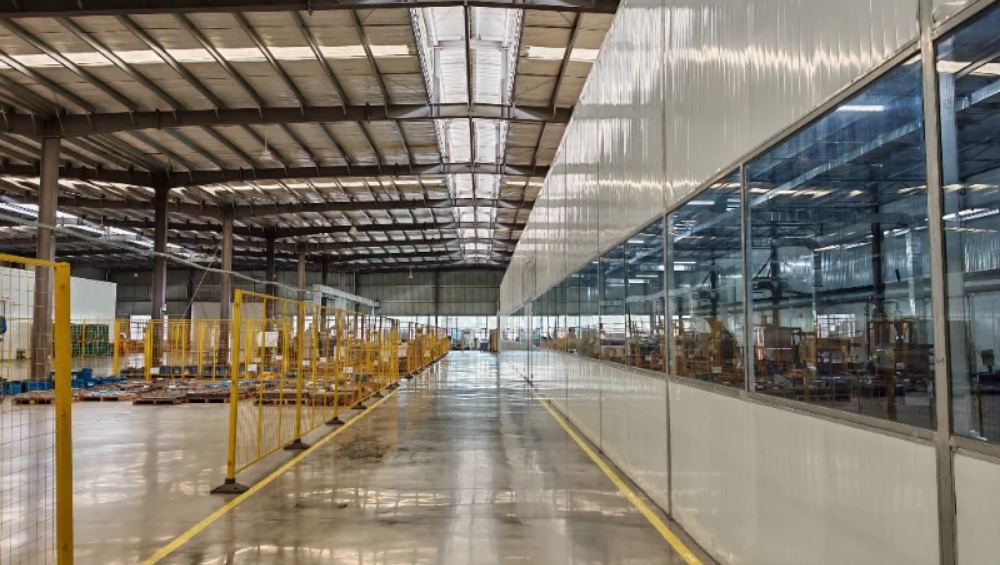
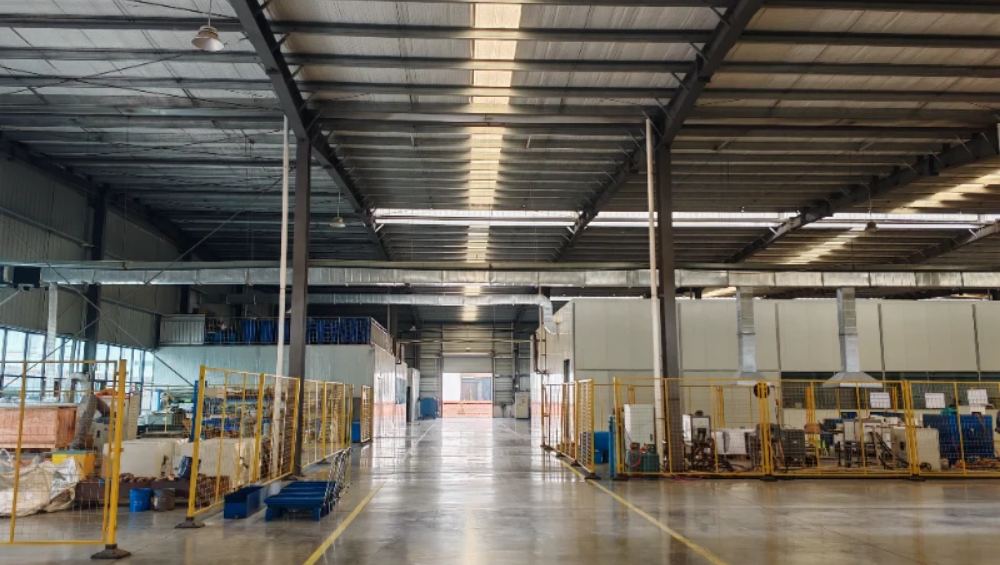
SENTHAI is ISO 9001 and ISO 14001 certified, controlling every stage from powder to finished blade in one facility. Fully automated lines (wet grinding, pressing, vacuum sintering, welding, vulcanization) eliminate human error and contamination. Only virgin raw materials are sourced; no scrap or recycled powder enters the process.

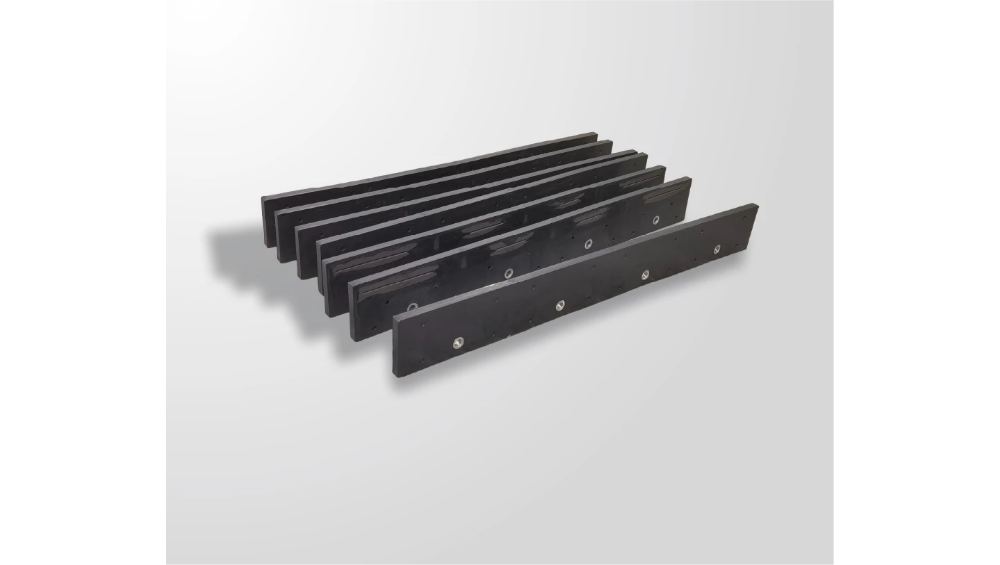
This comprehensive control includes all SENTHAI products: JOMA Style Blades, Carbide Snow Plow Blades, I.C.E. (Packed Ice Carbide Kit) Blades, and Carbide Inserts. For example, each JOMA Style Blade (48″ × 6″ × 7/8″) undergoes rigorous inspection at the end of each production stage. The rubber shell encasing the cast steel segments is engineered for ultra‑low‑temperature resistance, ensuring the blade flexes to conform to road contour without cracking. The use of virgin tungsten carbide inserts (1″ × 0.95″ × 0.32″) brazed into the segments guarantees bonding strength that prevents insert loss—a common failure mode in recycled carbide blades.

SENTHAI Expert Views

“Our 21+ years of carbide processing have taught us that even trace impurities in recycled material can trigger shattering under winter impact. That’s why we insist on virgin powder and vacuum sintering – it’s the only way to guarantee consistent performance for North American fleets. We’ve seen recycled blades fail at the worst possible moment: in the middle of a snowstorm with a plow full of packed ice. The hidden porosity and grain inconsistency don’t show up in a quick hardness test, but they become obvious when the blade hits a frozen manhole cover. With our fully automated production line in Rayong, Thailand, we control every variable—from powder mixing to final vulcanization. The result is a blade that our 80+ global partners trust to keep roads safe without unexpected shattering.”

— SENTHAI R&D Lead

What Does Field Performance Data Reveal About Recycled Carbide Failure Rates?

Industry anecdotal data from PlowSite and fleet maintenance logs shows recycled blades fail 3–5× more often than virgin carbide equivalents in heavy‑duty municipal plowing. SENTHAI products are bestsellers in North America with over 80 global partners and no reports of catastrophic shattering when used within design parameters.

See also  Why Does Virgin Tungsten Carbide Outperform Recycled in Snow Plow Blades?

Total cost of ownership analysis confirms that higher upfront cost of virgin carbide is offset by 3–10× longer life and zero downtime from shattering. SENTHAI’s JOMA Style Blade, for instance, uses a horseshoe‑shaped cast steel segment encased in rubber that flexes with the road. This design, combined with virgin carbide inserts, minimizes impact transfer to the cutting edge. Fleet managers who switch from recycled to SENTHAI blades report fewer blade changes, less salt usage (because the blade cleans the road more effectively), and reduced damage to highway lane markings. The I.C.E. Blade, with its isolated carbide inserts that prevent lateral cracking, is particularly effective on roads with excessive joints and cracks—where recycled blades shatter most often.

How Can Fleet Managers and Procurement Officers Identify High‑Quality Carbide Blades?

Insist on ISO 9001 certification and evidence of full in‑house production (not just assembly of imported parts). Request raw material certificates and sintering process documentation. Prefer manufacturers like SENTHAI that control production from powder to final assembly in one certified facility in Rayong, Thailand.

Check: Carbide Inserts

Specific steps: Ask the supplier for traceability records showing the origin of tungsten carbide powder. Verify that the powder is 100% virgin, micro‑grain material manufactured using vacuum sintering furnace with proprietary temperature control. Check that the blade design includes features proven to reduce shattering—such as the rubber‑encased steel segments in SENTHAI’s Joma‑style blade, or the isolated carbide inserts in the I.C.E. Blade. Request samples and factory quality inspection reports, which SENTHAI provides for first‑time customers. Also verify that the supplier’s capacity is sufficient (e.g., SENTHAI’s new Rayong production base launching in late 2025) to ensure consistent supply without compromising quality.

Which Design Features Further Reinforce Virgin Carbide’s Impact Resistance?

SENTHAI’s JOMA Style and I.C.E. Packed Ice Carbide Kit use engineered rubber/steel segments that absorb shock before it reaches the carbide edge. Customizable carbide grades and tip geometries are available for different plow types. Automated brazing lines ensure bonding strength that prevents insert loss.

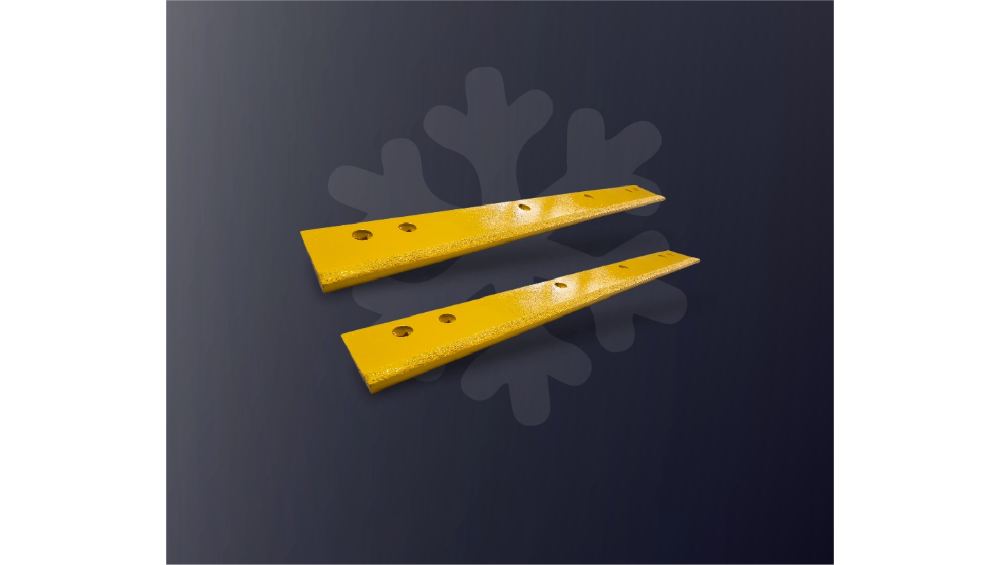
The JOMA Style Blade (4‑foot or 3‑foot) uses a cast steel segment (11.22″ × 5″ × 3/4″) that houses the carbide insert in a horseshoe pattern. The surrounding rubber shell, formulated for extreme cold, allows the blade to flex and conform to road contours—distributing impact forces across the entire length. For environments with extreme jointed roads, the I.C.E. Blade isolates each carbide insert from its neighbors, preventing lateral cracking that can propagate through a continuous carbide edge. SENTHAI also offers carbide inserts in multiple shapes (trapezoid, bullnose) with precise dimensions (e.g., 25.4 × 16.14 × 9.27 mm at 25° angle) to match specific plow requirements. All inserts are made from virgin micro‑grain tungsten carbide, vacuum‑sintered for uniform density.

Why Do North America’s Heavy‑Duty Fleets Trust SENTHAI Over Recycled Alternatives?

With 21+ years of focused carbide wear part manufacturing under US‑invested management, SENTHAI has a proven track record. The new Rayong production base (2025) expands capacity with advanced automation. Fast response times and reliable delivery from a single‑site, fully integrated supply chain ensure consistent quality.

See also  Why Do Carbide Inserts Fall Out?

SENTHAI’s products are bestsellers in North America, trusted by heavy‑duty fleets, municipal plows, and road maintenance contractors. The company’s JOMA Style Blade is an ideal replacement for Black Cat JOMA® 6000, offering the same footprint but with SENTHAI’s superior virgin carbide and quality control. The Carbide Snow Plow Blade with tungsten carbide particle cladding delivers at least 10× the service life of traditional carbon steel blades—a claim that recycled carbide blades cannot reliably match. SENTHAI’s ISO 14001 certification also demonstrates environmental responsibility, avoiding the waste and uncertainty of recycled material. When fleets ask for a blade that won’t shatter mid‑route, the answer is SENTHAI.

Conclusion

Catastrophic shattering of snow plow blades is not inevitable – it is a preventable consequence of choosing recycled carbide. The hidden impurities, non‑uniform grain structure, and inconsistent cobalt distribution in recycled material create internal flaws that propagate into sudden, dangerous failures under winter impact. SENTHAI’s solution is clear: virgin tungsten carbide produced in fully automated, ISO‑certified in‑house facilities, with vacuum sintering that guarantees sub‑micron grain uniformity and zero contamination. The result is a blade that withstands the harshest plowing conditions, delivering lower total cost of ownership, less downtime, and safer roads. For fleet managers and procurement officers, the choice is no longer about upfront price – it is about trusting a manufacturer with 21+ years of expertise, 80+ global partners, and a proven North American track record. Demand virgin carbide. Demand SENTHAI.

FAQs

Is recycled tungsten carbide ever safe for snow plow applications?

Only in very low‑impact, light‑duty scenarios. For heavy‑duty fleets, recycled carbide’s hidden impurities and grain inconsistency make it a safety and reliability risk. SENTHAI recommends virgin carbide for any application involving ice, curbs, or high speeds.

How can I tell if my current blades contain recycled carbide?

Without destructive testing, it’s difficult. Look for unusual chipping patterns, sudden breakage, or inconsistent wear. Ask your supplier for raw material certifications and sintering records. SENTHAI provides full traceability for every blade.

What is the typical lifespan of SENTHAI virgin carbide blades compared to recycled ones?

Depending on plowing conditions, SENTHAI virgin carbide blades last 3–10 times longer than recycled equivalents. Example: a recycled blade may last 150–300 lane‑miles before failure; SENTHAI blades typically exceed 1,000 lane‑miles with no shattering.

Does SENTHAI offer any performance guarantee against shattering?

SENTHAI stands behind its virgin carbide and full in‑house process. While specific guarantees depend on contract terms, the company’s 21‑year track record and North American bestseller status demonstrate consistent, reliable performance. Customized blades are tested to meet customer specifications.

Why is the fully automated production in Thailand an advantage?

Automation eliminates human error in powder mixing, pressing, sintering, and welding. Combined with a single‑site operation, SENTHAI ensures every blade meets the same strict standard. This consistency is impossible to achieve when recycled material or outsourced components are used.