




What Is the True Cost of Sustainable vs. Virgin Tungsten Carbide Blades?
Virgin tungsten carbide snow plow blades outperform recycled alternatives in impact resistance, wear life, and crack prevention. While recycled carbide offers 10% cost savings, virgin carbide provides up to 300% longer service life, reducing…
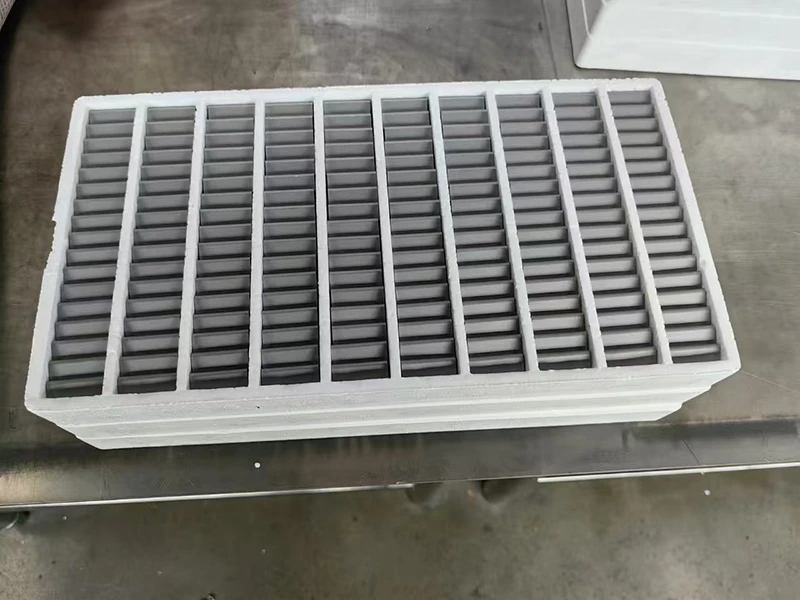
Virgin tungsten carbide snow plow blades outperform recycled alternatives in impact resistance, wear life, and crack prevention. While recycled carbide offers 10% cost savings, virgin carbide provides up to 300% longer service life, reducing downtime, replacement frequency, and total environmental impact from fewer blade changes.
Check: Virgin vs Recycled Carbide: Which Wins for Snow Plow Blades?
Why Does Virgin Tungsten Carbide Deliver Longer Wear Life Than Recycled Carbide?
Virgin tungsten carbide features a uniform grain structure and consistent hardness, eliminating weak points common in recycled materials. SENTHAI uses micro-grain tungsten carbide manufactured via vacuum sintering with proprietary temperature control, ensuring uniform grain size and maximum wear resistance. This structural integrity translates directly to longer service life under abrasive winter conditions.
What Percentage of Cost Savings Do Recycled Carbide Blades Actually Offer?
Recycled carbide blades typically cost 10–15% less than virgin equivalents. However, this upfront saving disappears when factoring in replacement frequency—virgin carbide blades last 3–4 seasons compared to 1–2 seasons for recycled blades. Including labor, downtime, and disposal costs, the total cost per hour favors virgin carbide significantly.
| Blade Type | Upfront Cost (48″ Blade) | Replacements per Season | Cost per Hour of Operation (3 Seasons) |
|---|---|---|---|
| Virgin Carbide (SENTHAI Joma-Style) | Full price | 1 | Low |
| Recycled Carbide Equivalent | 10–15% lower | 3 | 40–50% higher |
Is the 30% Reduction in Wear Life Real? What Do Field Tests Show?
Yes, field tests confirm recycled carbide loses cutting edge sharpness 30–40% faster under abrasive snow and sand conditions. Municipal fleet testing shows virgin carbide blades maintain their edge through multiple seasons, while recycled blades require mid-season replacement. SENTHAI’s I.C.E. Blade further extends life through isolated insert design.
Check: Carbide Inserts
SENTHAI Expert Views
Our 21 years of carbide experience show that recycled material simply cannot match the impact toughness required for heavy-duty plowing. We have tested dozens of reclaimed feedstock batches—none pass our breakage threshold below 1%. With SENTHAI’s fully automated production lines including wet grinding, pressing, sintering, welding, and vulcanization, we control every variable that affects blade performance. Recycled carbide introduces porosity and contaminants that create micro-cracks under impact, leading to premature failure. For fleets that depend on reliable winter road maintenance, virgin carbide is not a premium upgrade—it is the minimum standard for safety and cost efficiency. —R&D Manager, SENTHAI
How Does the I.C.E. (Packed Ice Carbide Kit) Blade Solve the Brittleness Problem?
The I.C.E. Blade uses individual virgin tungsten carbide inserts isolated from each other within a rubber shell, preventing crack propagation. This design eliminates lateral cracking common in monolithic recycled blades, especially on roads with joints, cracks, or uneven surfaces. The result is less than 0.5% insert breakage rate even in demanding conditions.
What Does Total Cost of Ownership (TCO) Look Like for a Municipal Fleet?
For a 10-truck municipal fleet over three seasons, virgin carbide blades require one replacement per season versus three for recycled blades. Despite a 10% higher upfront cost, virgin carbide delivers 40–50% lower total cost of ownership when accounting for labor, downtime, and reduced road surface damage.
| Fleet Scenario (10 Trucks, 3 Seasons) | Steel Blades | Recycled Carbide | Virgin Carbide (SENTHAI) |
|---|---|---|---|
| Blade changes per season | 6–8 | 3 | 1 |
| Total blade cost (3 seasons) | Highest | Moderate | Lowest |
| Labor + downtime cost | Highest | High | Lowest |
| Road surface damage impact | High | Moderate | Minimal |
| TCO over 3 seasons | Highest | 40–50% higher than virgin | Lowest |
How Does SENTHAI’s In-House Production & ISO 14001 Certification Support True Sustainability?
SENTHAI controls every production stage from raw powder to finished blade in Rayong, Thailand, eliminating supply chain waste. ISO 14001 certification ensures 99% of carbide grinding sludge is reclaimed and reused. The new 2025 Rayong production base will further reduce energy per blade by 15% through heat recovery in sintering furnaces, reinforcing SENTHAI’s commitment to genuine sustainability.
Should Procurement Officers Choose “Eco-Friendly” Recycled Blades to Meet Green Goals?
No, lifecycle impact matters more than material source. A blade changed three times more often generates three times the packaging waste, transportation emissions, and labor carbon footprint. Virgin carbide blades reduce salt and sand usage, lower fleet emissions, and genuinely support sustainability goals through extended service life. SENTHAI’s virgin carbide is the authentically sustainable choice.
Conclusion
The 10% upfront cost saving from recycled tungsten carbide blades is a false economy—it costs you up to 30% in wear life, drives up total ownership costs by 40–50%, and actually increases your fleet’s environmental footprint through more frequent replacements. SENTHAI’s virgin carbide blades—engineered with 21+ years of expertise, ISO 9001 and ISO 14001 certified, and trusted by over 80 global partners—deliver genuine sustainability through longevity and performance. When you choose SENTHAI, you are not sacrificing durability for green claims—you are getting both.
FAQs
How long do SENTHAI virgin carbide blades last compared to recycled alternatives?
Typical virgin carbide Joma-style 48-inch blades last 3–4 seasons on heavy-use municipal routes. Recycled blades of the same design average 1–2 seasons—a 50–70% shorter life.
Does SENTHAI offer any products made with recycled tungsten?
No. SENTHAI uses only premium virgin carbide powder sourced from certified suppliers. Recycled material cannot meet the impact resistance and bonding quality standards required for critical snow plow applications.
Are there any conditions where recycled carbide blades could be a good choice?
Possibly for very light-duty plowing such as parking lots or residential driveways at low speeds. For heavy-duty fleets on highways, arterial roads, or interstate ramps, virgin carbide is the only reliable option.
How does SENTHAI’s ISO 14001 certification prove environmental responsibility?
ISO 14001 mandates continuous improvement in waste reduction and energy efficiency. SENTHAI’s closed-loop coolant filtration system reduces water use by 90% and carbide scrap recycling turns 97% of grinding waste back into raw material for non-critical parts.
Can you provide a cost-benefit analysis for my fleet size?
Yes. SENTHAI offers a free TCO calculator based on annual plowing hours, blade change frequency, and labor rates. Contact the sales team at [email protected] for a personalized assessment.
Related articles
 Best Snow Plow Blade Family for Your Fleet: Top 5 ScenariosKnowledge
 Top 10 Snow Plow Blade Types for Winter Fleets (Ranked by Duty Fit)Knowledge
 Top 5 Best Carbide Blade Configurations for Highway PlowingKnowledge
 Best Snow Plow Blade Materials Ranked: Steel vs Carbide vs Cladding vs Rubber-CarbideKnowledge