




What Is the Difference Between Zinc Process and Chemical Process for Carbide Recycling?
The zinc process uses molten zinc to separate cobalt binder from tungsten carbide, but it weakens grain boundaries, creating micro-fractures. The chemical process uses acids to dissolve the binder, degrading the cobalt phase. Both…
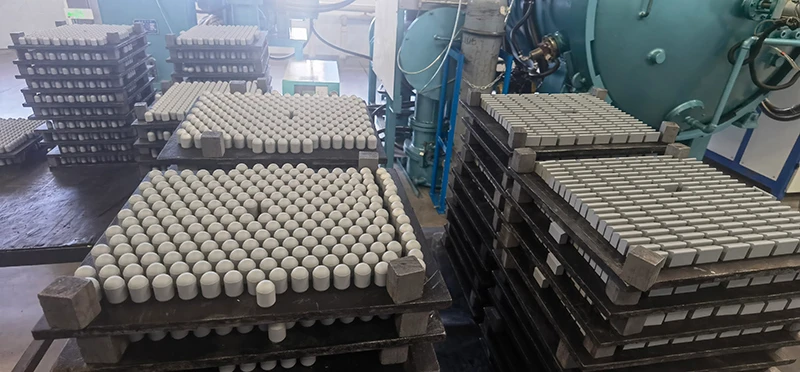
The zinc process uses molten zinc to separate cobalt binder from tungsten carbide, but it weakens grain boundaries, creating micro-fractures. The chemical process uses acids to dissolve the binder, degrading the cobalt phase. Both methods reduce impact toughness, making recycled carbide unsuitable for snow plow blades that endure sudden shocks. Therefore, for demanding applications like snow plowing, virgin carbide is recommended.
Check: Virgin vs Recycled Carbide: Which Wins for Snow Plow Blades?
How Does the Zinc Process Work in Carbide Recycling?
Scrap carbide is heated with molten zinc, which selectively reacts with the cobalt binder, allowing separation of tungsten carbide grains and cobalt. Grain boundaries are weakened; microscopic cracks form as zinc expands and contracts during cooling. Recovered powder often has lower density and higher porosity compared to virgin material. Typical use is low-impact tools such as mining drill bits or wear pads where sudden shock loads are rare. For snow plows, the micro-fractures become failure points under the high-impact loading of road debris, manhole covers, and expansion joints.
How Does the Chemical Process Work in Carbide Recycling?
Scrap carbide is treated with strong acids (e.g., nitric or sulfuric acid) to dissolve the cobalt binder, leaving tungsten carbide grains for recovery. The chemical attack degrades the cobalt phase itself, reducing its ability to bind carbide grains tightly. Cobalt becomes brittle. Output is powder with inconsistent grain size distribution and weakened cobalt matrix. Primary use is general-purpose recycling for non-critical applications; often mixed with virgin powder to improve properties. For snow plows, a degraded cobalt binder leads to lateral cracking — a common failure mode where carbide inserts split along the length of the blade under repeated stress.
What Are the Key Differences Between Zinc and Chemical Processes?
Below is a comparison of the two main recycling methods, highlighting their trade-offs in material integrity.
| Feature | Zinc Process | Chemical Process |
|---|---|---|
| Recovery method | Molten zinc melts and separates cobalt | Acids dissolve cobalt binder |
| Grain boundary integrity | Weakened, micro-fractures | Generally intact but cobalt degraded |
| Cobalt phase quality | Retained but porous | Brittle and weakened |
| Typical application | Low-impact mining tools | Mixed scrap recovery for general use |
| Suitability for snow plows | Poor – high chipping risk | Poor – high lateral cracking risk |
| Cost of recycled powder | Moderate | Lower |
Bottom line: Both methods trade material integrity for cost savings. Neither delivers the impact toughness required for snow plow blades. Fleet managers who choose “budget” recycled carbide blades often face higher total cost of ownership due to frequent replacements and road surface damage from failed inserts.
Why Does Recycled Carbide Fail in Snow Plow Blades?
Impact loads expose hidden weaknesses. A snow plow blade can strike a manhole cover or frost heave at high speed. The resulting shock wave propagates through micro-fractures (zinc process) or a brittle cobalt binder (chemical process). Specific failure modes include chipping — carbide grains break away at the cutting edge, leaving a ragged surface that wears unevenly; and lateral cracking — a crack runs parallel to the blade length, often leading to complete insert loss. Field data from contractors and municipal fleets show that recycled carbide blades last 30–50% fewer miles than virgin carbide blades under identical conditions. The failure is not just about wear rate; it is about unpredictable, catastrophic failure that damages both the plow and the road surface.
How Does SENTHAI Ensure Superior Quality with 100% Virgin Carbide?
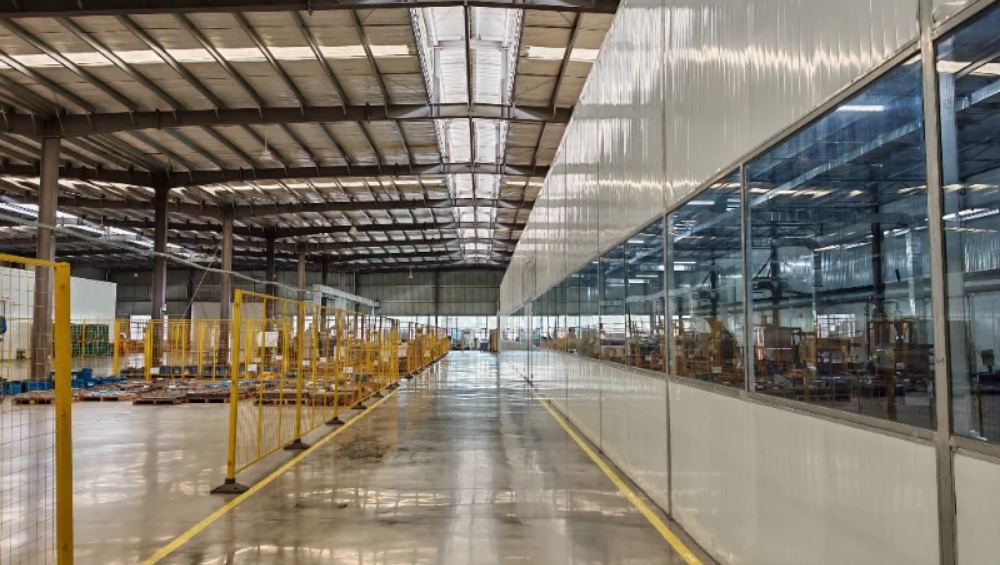
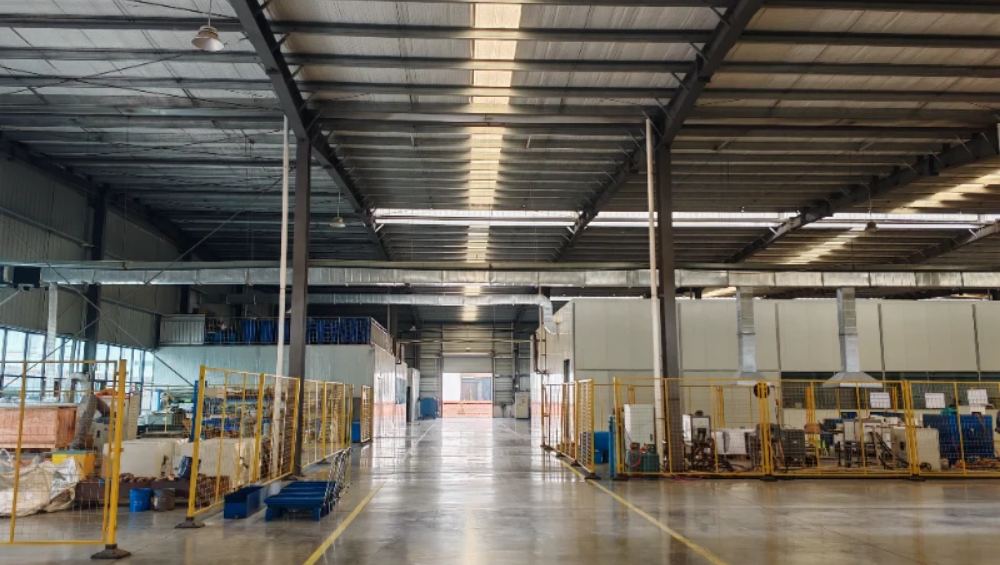
SENTHAI’s commitment to 100% virgin tungsten carbide eliminates the hidden weaknesses found in recycled materials. We source only virgin powders with controlled grain size and cobalt content. Our proprietary vacuum sintering process — conducted in a controlled furnace with no heat-difference — ensures uniform grain size, dense cobalt binder, and strong grain-to-grain bonding. Every production stage, from powder blending to pressing, sintering, welding, and vulcanization, occurs in our Rayong, Thailand facility. ISO 9001 and ISO 14001 certifications guarantee strict quality management. With 21+ years of carbide wear part expertise, we understand that material integrity directly translates to field performance. Trusted by over 80 global partners and bestsellers in North America, SENTHAI designs blades like the I.C.E. Blade (isolated insert design) that further mitigate crack propagation — but with virgin carbide, the risk is eliminated entirely.
What Should Buyers Look for When Specifying Carbide Snow Plow Blades?
When selecting a carbide snow plow blade, comparing virgin vs. recycled carbide is essential. Use the table below as a quick checklist.
Check: Carbide Inserts
| Criterion | Virgin Carbide (SENTHAI quality) | Recycled Carbide (Zinc or Chemical) |
|---|---|---|
| Impact toughness | High – absorbs shock without micro-fractures | Low – micro-fractures or brittle cobalt |
| Wear consistency | Predictable, gradual wear | Uneven, chipping, accelerated after impact |
| Risk of catastrophic failure | Very low | High |
| Total cost per mile | Lower (longer life, fewer changeouts) | Higher (replacement + downtime + road damage) |
| Certification traceability | Full batch records, ISO audited | Often no material certificate |
Ask the manufacturer: “Is your carbide 100% virgin or does it contain recycled material?” If they cannot provide a clear answer, consider it a red flag. Inquire about the sintering process: vacuum sintering (like SENTHAI’s) produces denser, stronger carbide than lower-cost hydrogen or atmosphere sintering. Check blade design — look for isolated inserts (I.C.E. style) that stop cracks from propagating across the full blade. SENTHAI offers such designs, including the I.C.E. Blade (packed ice carbide kit) with isolated tungsten carbide inserts that prevent lateral cracking.
How Can You Verify the Quality of Carbide in Snow Plow Blades?
Request material certificates: a reputable manufacturer will provide chemical composition analysis and physical properties (density, hardness, transverse rupture strength). Look for ISO 9001 certification to ensure documented quality control procedures from raw material to finished product. Examine bonding strength — poorly bonded inserts (common with recycled carbide) often show gaps or discoloration at the weld or vulcanization joint. SENTHAI’s automated processes guarantee consistent bonding. Ask for real-world references: SENTHAI’s North American bestseller status and 80+ global partners are strong evidence of field-proven reliability. Consider total cost, not upfront price — a blade that costs 20% less but wears out 40% faster is ultimately more expensive and more disruptive.
Why Choose SENTHAI for Durable, Reliable Carbide Blades?
SENTHAI brings 21+ years of specialized experience in carbide wear parts. We guarantee 100% virgin material — no zinc process, no chemical process. Full production control in Thailand ensures every blade, from Joma Style to I.C.E. designs, is manufactured under one roof with automated wet grinding, pressing, sintering, welding, and vulcanization. Our Rayong facility is ISO 9001 and ISO 14001 certified. Efficient automation and vertical integration allow competitive pricing while maintaining virgin quality. Customization is available for any plow model. A new Rayong production base launching in late 2025 will expand capacity and innovation. SENTHAI is trusted globally — bestsellers in North America, used by heavy-duty fleets, municipal plows, and road maintenance contractors worldwide.
Frequently Asked Questions
Is recycled carbide ever acceptable for snow plow blades?
No. Both zinc and chemical recycling methods weaken the carbide structure, leading to premature chipping, cracking, or complete insert failure under plow impact loads. Only virgin carbide provides the toughness and reliability needed for winter road maintenance.
How long do SENTHAI blades typically last compared to recycled carbide blades?
Field data from North American fleets shows SENTHAI’s virgin carbide blades often outlast recycled carbide blades by 30–50% in mileage, with far fewer unexpected failures. Exact life depends on road conditions, plow speed, and maintenance practices.
What is the cost difference between virgin and recycled carbide blades?
Virgin carbide blades carry a moderate upfront premium — typically 15–25% higher. However, because they last significantly longer and reduce downtime, the total cost per mile is lower. Recycled blades may appear cheaper but lead to higher replacement frequency and road repair costs.
Does SENTHAI offer customization for specific plow models?
Yes. SENTHAI engineers work closely with customers to design blades in Joma Style, I.C.E. Style, or custom profiles. All customization uses only 100% virgin carbide and is produced in SENTHAI’s fully automated Thai facility.
Can SENTHAI provide material certificates and traceability?
Absolutely. As an ISO 9001 and ISO 14001 certified manufacturer, SENTHAI maintains full batch traceability from incoming powder to finished blade and supplies material test reports on request.
Conclusion
The choice between zinc process and chemical process for carbide recycling ultimately leads to the same conclusion: neither produces material suitable for snow plow blades. Both methods compromise impact toughness, creating hidden weaknesses that cause premature failure under the harsh, shock-loaded conditions of winter road maintenance. SENTHAI eliminates this risk entirely by using 100% virgin tungsten carbide, vacuum sintered in a controlled, ISO-certified facility. With 21+ years of experience, full in-house production, and a proven track record across 80+ global partners — including top fleets in North America — SENTHAI delivers blades that protect the road surface and reduce total ownership costs. When you choose SENTHAI, you choose material integrity, not chemistry shortcuts.
Related articles
 Best Snow Plow Blade Family for Your Fleet: Top 5 ScenariosKnowledge
 Top 10 Snow Plow Blade Types for Winter Fleets (Ranked by Duty Fit)Knowledge
 Top 5 Best Carbide Blade Configurations for Highway PlowingKnowledge
 Best Snow Plow Blade Materials Ranked: Steel vs Carbide vs Cladding vs Rubber-CarbideKnowledge