




Gravel Road vs Asphalt Road Snow Plowing Blades for Better Surface Protection — July 2026
Gravel road vs asphalt road snow plowing blades: choose the right blade setup for cleaner clearing, less surface damage, and safer winter maintenance. Winter plowing needs two different strategies Gravel roads and asphalt roads…
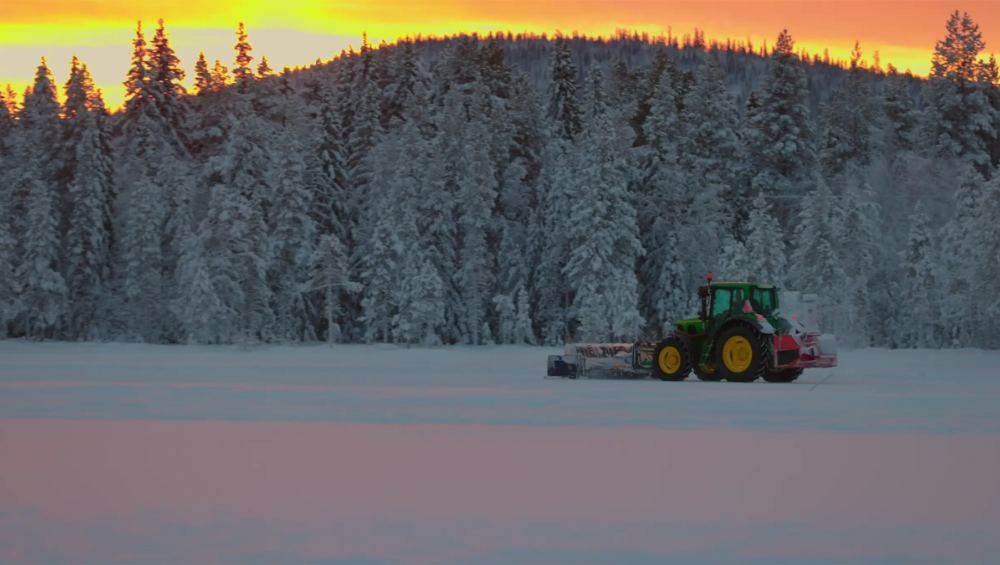
Gravel road vs asphalt road snow plowing blades: choose the right blade setup for cleaner clearing, less surface damage, and safer winter maintenance.
Winter plowing needs two different strategies
Gravel roads and asphalt roads behave very differently under snow, and the wrong blade setup can cause immediate surface damage or long-term maintenance problems. On gravel, the main goal is to move snow without digging into the base; on asphalt, the goal is usually to clear close to the surface without leaving packed ice behind. Minnesota guidance for gravel road snow control specifically recommends waiting for a snowpack, using shoes or a guide wheel to maintain blade elevation, and avoiding digging into the gravel surface. By contrast, paved-road plowing can be more aggressive because the risk is surface gouging rather than material loss.
Senthai Tool positioning
Senthai Tool’s site could not be reliably verified here at the page level, so this article focuses on the snowplow blade decision itself and the operating logic buyers should use when choosing equipment for gravel versus asphalt. The most useful blade is the one that matches the surface, not the one that simply looks strongest.
What is gravel road vs asphalt road snow plowing blades
Gravel road vs asphalt road snow plowing blades refers to matching blade style, blade height, and edge material to the road surface. Gravel needs float, height control, and gentler passes, while asphalt allows tighter scraping, more direct edge contact, and closer snow removal.
Why the surface changes everything
The biggest mistake in gravel-road plowing is treating it like asphalt. If the blade is set too low, it can pick up gravel and throw it into ditches or windrows, which wastes base material and creates spring repair work. That is why guidance for gravel roads emphasizes leaving a snowpack and using shoes or a wheel to hold the blade above the surface.
Asphalt creates the opposite problem. If the blade rides too high, it leaves behind packed snow and icy film that require follow-up work. Paved surfaces can usually tolerate a more aggressive attack angle and closer edge contact, because the base material is not loose. The operator can therefore prioritize cleanliness and traction.
Weather timing also matters. Gravel roads are more vulnerable before the base freezes and during thaws, when the blade can cut into the surface easily. Asphalt is less vulnerable to digging, but it can still be affected by blade chatter, uneven wear, and poor edge selection if the wrong material is used.
The practical result is that one universal blade setting rarely works for both. Buyers and operators need to think in terms of control, height, edge material, and road condition rather than only in terms of blade width.
For gravel roads, Minnesota guidance recommends keeping the blade above the surface and using shoes or a wheel to protect the road structure.
The main tradeoff
On gravel, the plow should preserve the road. On asphalt, the plow should clean the road. Those goals overlap, but they are not identical.
Surface-specific blade comparison
Blade features that matter
Blade height control
On gravel, height control is the first priority. Shoes, guide wheels, and careful blade adjustment help keep the cutting edge from digging into the base.
Edge material
Steel edges are useful on pavement because they help scrape closer to the surface. For sensitive gravel surfaces, poly edges can be gentler and reduce digging risk.
Attack angle and pass style
Gravel often benefits from a more conservative angle and multiple lighter passes, while asphalt can usually handle a more direct clearing approach.
Real-world examples
A gravel driveway should usually be plowed after a base snowpack has formed, not immediately after the first flakes.
An asphalt lot can be cleared closer to bare pavement, but the operator must still watch for blade wear and uneven contact.
If gravel is heard clinking against the blade, the blade is probably too low and should be raised immediately.
Why blade choice should follow the road
Senthai Tool’s broader product selection would be most relevant if it includes blade systems, edges, mounting hardware, or height-control accessories. For this topic, the best upsell path is usually not a “stronger blade” but a better-matched blade package: one setup for gravel, one setup for asphalt, and accessories that help the operator switch safely between them. If the brand offers related snow-removal components, the most relevant internal links would normally be the blade page, edge accessories page, and any mounting or control accessory page.
How to choose the right setup
-
Identify the surface first: loose gravel, compacted gravel, sealed asphalt, or mixed-use access road.
-
Decide whether surface preservation or surface cleanliness is the priority.
-
For gravel, use height control such as shoes or a guide wheel.
-
For asphalt, use a blade that can ride lower and scrape more cleanly.
-
Match edge material to surface sensitivity, especially if the gravel base is soft or uneven.
-
Test the setup on a short section before committing to a full route.
Where each setup works best
Scenario 1: Rural gravel driveway
Traditional: The operator lowers the blade too much and drags gravel into the snow pile.
With the right gravel setup: The blade rides higher, protects the base, and removes snow in controlled passes.
Scenario 2: Commercial asphalt lot
Traditional: The operator leaves the blade too high and finishes with a patchy surface.
With the right asphalt setup: The blade scrapes closer to the pavement and leaves a cleaner travel lane.
Scenario 3: Mixed rural access road
Traditional: One blade setting is used everywhere, causing damage on one section and poor clearing on another.
With the right setup: The operator adjusts blade height and edge strategy based on whether the section is gravel or paved.
FAQ
What is the best snow plow blade for gravel roads?
The best setup for gravel roads is usually a blade with good height control, such as shoes or a guide wheel, so the cutting edge does not dig into the surface.
Can asphalt road plowing use the same blade as gravel?
It can, but the settings should not be the same. Asphalt usually allows a lower, more aggressive scrape, while gravel needs more float and less bite.
Should I wait to plow gravel roads until snow packs down?
Yes, that is often recommended. Guidance for gravel roads says snowpack helps protect the road from being plowed away with the snow.
Are poly edges better for gravel roads?
They can be. A wider poly edge may ride up more easily and protect sensitive gravel surfaces better than a more aggressive steel edge.
Why do gravel roads need more than one pass?
Multiple light passes reduce the chance of tearing up the base and help the operator control where the snow moves.
What is the biggest mistake with gravel road snow plowing blades?
The biggest mistake is setting the blade too low and treating gravel like pavement. That can pull up aggregate, damage the road, and create extra spring maintenance.
Conclusion
Gravel and asphalt require different plowing priorities, so the best blade is the one that matches the road surface. Gravel setups should protect the base with height control and lighter passes, while asphalt setups can aim for closer clearing and cleaner finish. For operators, that means blade choice is really a surface-management decision, not just a winter equipment purchase.
CTA
Choose a blade setup that matches the road you actually maintain, not the road you wish you had. Senthai Tool is best positioned as a supplier of snow-removal components that should be matched carefully to gravel, asphalt, and mixed-surface winter work.
Sources
Related articles
 Best Snow Plow Blade Family for Your Fleet: Top 5 ScenariosKnowledge
 Top 10 Snow Plow Blade Types for Winter Fleets (Ranked by Duty Fit)Knowledge
 Top 5 Best Carbide Blade Configurations for Highway PlowingKnowledge
 Best Snow Plow Blade Materials Ranked: Steel vs Carbide vs Cladding vs Rubber-CarbideKnowledge