




Carbide Insert Wear: When to Replace Teeth
Carbide inserts wear predictably — and replacing them at the right time keeps both cutting performance and the blade body safe. The routine is simple: recognize the wear signs, measure the condition, and replace…
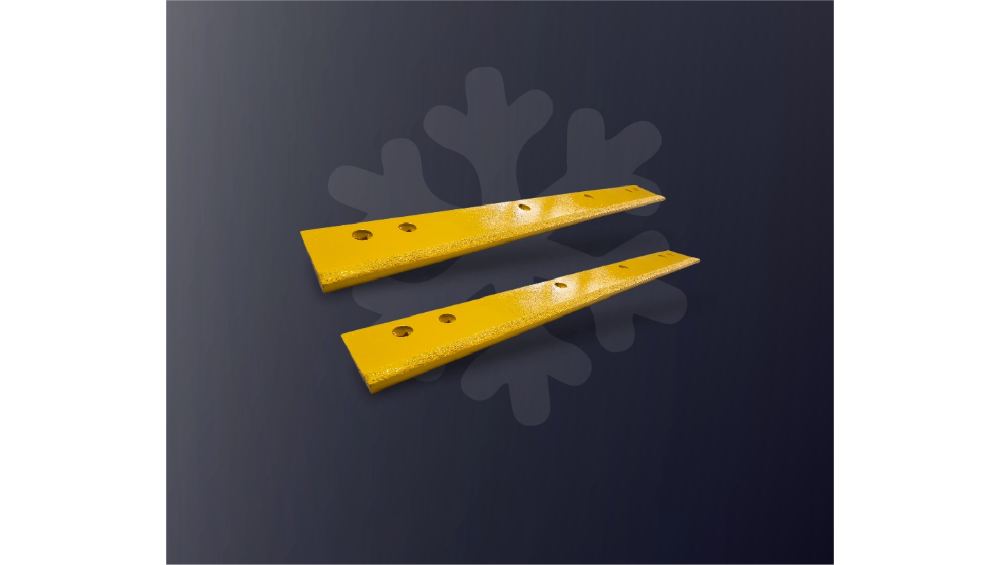
Carbide inserts wear predictably — and replacing them at the right time keeps both cutting performance and the blade body safe. The routine is simple: recognize the wear signs, measure the condition, and replace before the bond or the steel body is at risk. The SENTHAI carbide insert lineup shows the insert range and identification guides.
Signs of Insert Wear
- The insert is visibly flattened or shortened.
- Cutting performance drops — more passes for the same result.
- The insert is loose, cracked, or chipped.
- Wear is uneven across the blade.
Insert Lifespan
Insert life depends on route abrasiveness, plow speed, and ice duty. There is no universal number — the correct measure is your change log over a season. Track it, and replacement timing becomes data.
When to Replace
Replace an insert when it reaches its wear limit or shows damage. In replaceable systems, swap only the worn inserts; in brazed blades, replace the section. Never run a damaged insert into the bond.
Maintenance
Inspect inserts after major storms and weekly during active season. Clean salt residue, check for movement, and log condition per truck. Maintenance converts failures into scheduled replacements.
Cost
Replacing inserts on schedule is cheaper than replacing blades or repairing hardware. A worn insert that fails in service can damage the blade body and mounting — costs far beyond the insert itself.
How Inserts Wear in Service
Inserts wear by abrasion at the cutting face and by impact at the edge. Abrasion flattens the face; impact chips the edge. Both reduce cutting efficiency until the insert is retired — normal wear, managed on schedule.
Visual Signs of Wear
Look for a flattened cutting face, rounded edges, chips, or cracks. Compare inserts across the blade: uneven wear points to a fitment or pressure problem, not normal service.
Measuring Insert Condition
Measure remaining height or compare against the approved sample. Agency programs like Clear Roads have studied how to measure cutting edge wear consistently — the same discipline applies at the insert level.
Replacing Before Bond Failure
A heavily worn insert exposes the bond and the steel body to the road. Replace before that point: the insert is cheap, the bond and body are not. Scheduled inspection is the safeguard.
Keeping an Insert Maintenance Log
Log date, truck, insert position, and condition at each check. After a season, the log shows wear patterns, identifies problem routes, and sizes next season’s inventory. A log turns maintenance into fleet intelligence.
Frequently Asked Questions
How do I know when an insert is worn out?
Flattened faces, chipped edges, poor cutting, or loose inserts. Compare against the approved sample and your change log.
Can I replace just one insert?
In replaceable systems, yes. In brazed blades, the section is replaced at the wear limit.
What happens if I run inserts too long?
The bond and steel body take the wear, risking damage far more expensive than the insert.
How often should inserts be inspected?
After major storms and weekly during active season, with pre- and post-season checks.
Replace teeth on schedule, not on failure. Review the insert range on the carbide insert construction details and ask SENTHAI for identification and maintenance guidance.


