




Carbide Insert Retention: Preventing Pop-Out and Cold Joints
Carbide insert pop-out is the most visible failure in winter blades — and it is almost always a bonding failure, not a carbide failure. The two culprits are cold joints and contaminated surfaces, both…
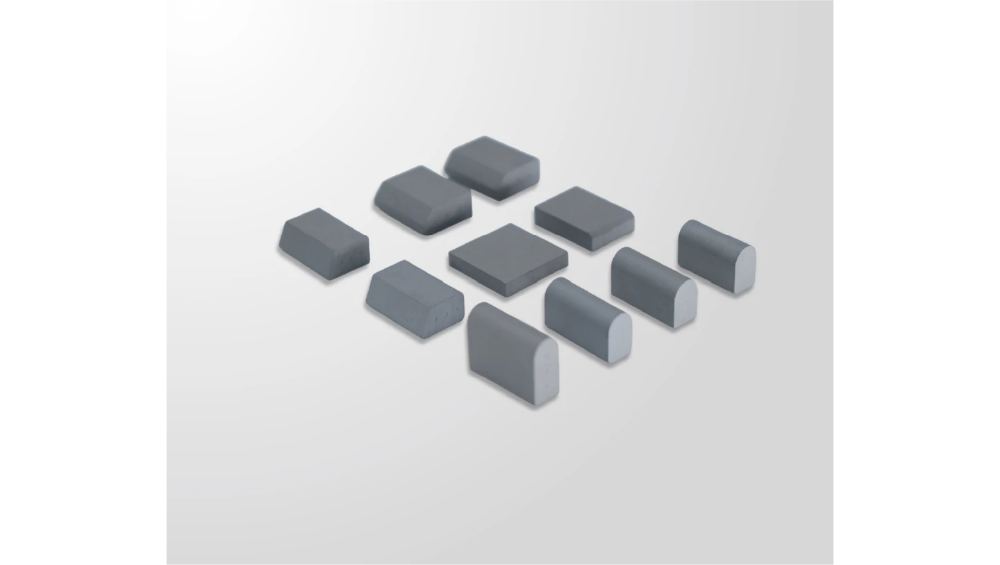
Carbide insert pop-out is the most visible failure in winter blades — and it is almost always a bonding failure, not a carbide failure. The two culprits are cold joints and contaminated surfaces, both preventable with the right process. This guide explains how inserts fail, how retention is engineered, and how to inspect for it. The SENTHAI tungsten carbide insert options documents the surface conditioning behind reliable retention.
Insert Failure Modes
Inserts fail four ways: pop-out, cracking, chipping, and wear-out. Pop-out and cracking are bonding or stress failures; chipping is grade mismatch; wear-out is normal service. Only wear-out is acceptable.
Why Inserts Pop Out
Pop-out happens when the bond cannot hold under impact. A weak joint lets the insert rock and finally release. The root cause is almost always a cold joint or a contaminated surface at brazing time.
Causes of Bond Failure
Bond failure causes: mold-release residue on the insert, poor alloy wetting, insufficient temperature, or uncontrolled cooling. Each creates a partial bond that fails in the field.
Prevention
Prevention is process discipline: precision sandblasting to clean the surface, correct alloy, full temperature control, and inspection. Automation makes the process repeatable — the difference between blades that lose inserts and blades that do not.
Quality Checks
Quality checks include surface inspection, bond testing, and QC records. NCHRP 06-19 recommends measurable quality controls for insert bonding — a standard buyers should require.
How Inserts Fail in Service
In service, impact loads stress the bond repeatedly. A good bond distributes the load; a poor bond concentrates it until the insert pops. Service failure is the field test of brazing quality.
The Cold Joint Problem
A cold joint is a partial bond from incomplete melting or flow of the alloy. It may look fine and fail on the first hard impact. Cold joints are prevented by proper surface prep and temperature control.
Surface Preparation Controls
Surface conditioning — including precision sandblasting — removes mold-release agents and impurities, exposing a clean, cobalt-rich surface that promotes alloy wetting. Surface prep is the first line of retention defense.
Testing Retention Before Volume
Test retention before committing: inspect samples, press inserts for movement, and run a trial on impact-heavy routes. The approved sample becomes the reference for production lots.
Field Inspection Checklist
- Press each insert — no movement or click.
- Look for gaps or rust at the bond line.
- Check for tilted or cracked inserts.
- Log condition per blade after major storms.
Frequently Asked Questions
Why do inserts pop out of blades?
Weak bonds from cold joints or contaminated surfaces. Surface conditioning and process control prevent both.
What is a cold joint?
A partial bond from incomplete alloy melting or flow. It looks fine and fails on impact.
How do I check retention?
Press inserts for movement, inspect bond lines, and run trials on impact-heavy routes. Require brazing documentation from the supplier.
Can pop-out be prevented?
Yes — with clean surfaces, correct alloy, controlled brazing, and inspection. Retention is engineered, not guaranteed by warranty language.
Keep inserts where they belong. Review the retention design on the carbide insert product page and request brazing documentation before ordering.


