




21 Years of Carbide Wear Parts: How Experience Shows Up in Blade Quality
Experience is invisible until something goes wrong. A factory with twenty years of carbide wear-part production and a factory that opened last year can both produce a blade that looks identical on the bench.…
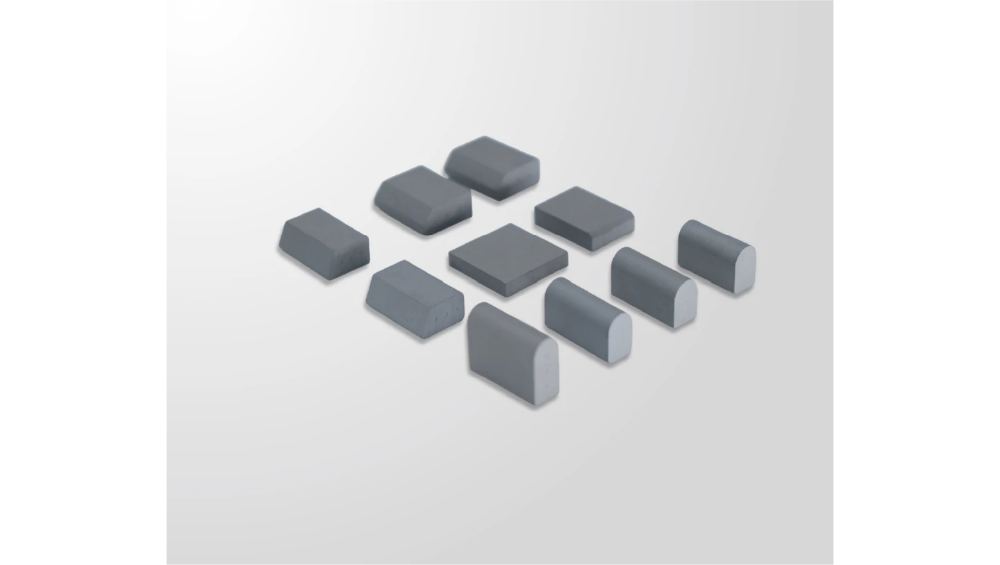
Experience is invisible until something goes wrong. A factory with twenty years of carbide wear-part production and a factory that opened last year can both produce a blade that looks identical on the bench. The difference appears when the batch behaves unexpectedly, when the route conditions are brutal, or when a customer calls with a problem that has never been seen before. That is where experience shows up.
This article explains how manufacturing experience becomes blade quality: where expertise changes the product, how a buyer can probe a supplier’s experience in an RFQ, and what signs indicate a factory that learns from its failures rather than repeating them.
Experience is invisible until a batch fails
The daily work of a carbide factory is repetition: mix, press, sinter, braze, inspect. Experience does not make the repetition visible; it makes the exceptions manageable. The operator who has seen a furnace drift, a batch of powder change character, or a bond fail in the field reacts differently from the one encountering those events for the first time.
The buyer’s problem is that the exception is exactly what cannot be seen in a brochure. A factory can describe its process in perfect sentences and still lack the judgment that twenty years of failures and fixes provides. The audit question is not whether the factory knows its process; it is what the factory learned when the process misbehaved.
That is why experience belongs in the qualification conversation as evidence, not as decoration. The buyer should ask what the factory has seen fail, what it changed, and what the change record looks like. The answers are the experience made visible.
Where does expertise change the product?
Experience shows up in four concrete places:
Material formulation. Carbide is a composite, and the balance of grain size, binder, and additives is tuned, not copied. A factory with years of formulation work has a library of what worked and what failed on different routes, and that library shows up in the consistency of the grade.
Process windows. Sintering temperature, pressing pressure, brazing heat, and vulcanization parameters each have a window where the product behaves as designed. Experience is knowing where the window is and how close to the edge the process can run safely. A new factory can hold the nominal settings; an experienced one knows which parameter drift will cause which failure.
Failure-mode knowledge. The blade that chips on the third storm, the insert that pops in deep cold, the rubber that separates in heavy brine: these patterns are learned in the field. The factory that has seen them knows what to inspect and what to change; the factory that has not will discover them with the customer’s blades.
Engineering support. The experienced factory answers the buyer’s application questions from cases it has actually worked, which is different from answering from a catalog. The quality of the engineering conversation is one of the most direct measures of experience available.
| Where experience shows up | What it changes in the product |
|---|---|
| Material formulation | Grain size, binder, and additive balance tuned for the route conditions |
| Process windows | Sintering, pressing, brazing, and vulcanization held inside safe limits |
| Failure-mode knowledge | Design choices that prevent known chips, pop-outs, and bond separations |
| Engineering support | Application answers drawn from cases the factory has actually worked |
The four places also explain why experience cannot be read from a brochure: each one is verified in the conversation, the audit, and the samples. The buyer who asks where the expertise shows up, and checks the answers, is measuring experience instead of accepting a number.
The same probing applies to the engineering team behind the factory. The engineer who has worked the failures, tuned the process windows, and answered years of customer questions carries the experience as much as the production records do, and the conversation with that engineer is part of the verification. The buyer who leaves the engineering conversation out of the qualification is auditing the paperwork without meeting the knowledge.
The engineering conversation is also the buyer’s best preview of future support: the factory that answers application questions with cases and trade-offs is the factory that will help when the route changes.
How to probe a supplier’s experience in an RFQ
The RFQ is the place to probe experience, and the questions should be specific:
- Which carbide grades and grain sizes has the factory produced for snow plow duty?
- What is the most common field failure the factory’s blades have shown, and what changed?
- How does the factory handle a batch that behaves differently from the samples?
- What is the factory’s experience with the specific mounting, route, and ice conditions in the RFQ?
- Can the factory reference the process changes it made after past failures?
The answers separate the experienced factory from the one that has only produced: the experienced one can name grades, failures, and changes without hesitation, while the other answers in generalities.
What are the signs of a factory that learns from failures?
The learning factory leaves evidence:
- Corrective-action records that show a change after a failure, not just a note;
- A failure library that operators and engineers can reference;
- Process improvements that trace back to field incidents;
- An inspection plan that has evolved with the product;
- Engineers who can discuss past problems openly instead of defensively.
The absence of these signs is itself a sign. A factory with no corrective-action history is either perfect, which is unlikely, or not documenting, which is dangerous. The buyer should treat a clean failure record with more suspicion than a documented one.
Why 21 years matters for winter road tools
Winter road tools are a demanding application for a wear part: sub-zero temperatures, abrasive surfaces, salt and brine, high-speed impacts, and a season that punishes downtime. The failure modes are numerous, and the experience to predict them takes seasons, not months.
SENTHAI’s official website describes more than 21 years of carbide wear-part production experience, 40,000+ pieces of various blade types produced, and 80+ customers in deep partnership. Those figures are the company’s published claims, and the buyer should treat them as claims to verify, not facts to repeat. What they describe is the scale and duration of exposure: the number of winters, the variety of blades, and the base of customers whose problems the factory has had to solve.
The relevance of the numbers is the exposure they represent. A factory that has produced tens of thousands of blades across many customers has seen the failure modes that a smaller operation has not, and that exposure is what the qualification conversation should verify.
The exposure also shows up in the product range. A factory whose line covers carbide blades, JOMA-style segments, packed ice kits, and inserts has worked across the application family, and the cross-product knowledge is part of the experience: what works on an abrasive highway informs what is specified on an ice corridor, and the engineering team carries that context between products.
The verification of the experience claims is the same as any supplier claim: production records, customer references, and the process-change history, with the scale figures confirmed by documents rather than repeated from the page. The verification is the difference between a claim and a fact, and it is the step that turns “21 years” from a slogan into evidence.
Work with a team that has seen every winter
The practical path for the buyer: probe the experience in the RFQ, look for the learning signs in the audit, and verify the scale claims with documents and references. The about page describes the company’s history and production base, the snow plow product range shows the families that experience built, and the contact page is where the qualification conversation starts.
Experience is not a guarantee, but it is evidence, and it is the kind of evidence that shows up exactly when the batch fails and the customer calls. Work with a team that has seen the failure before, because the first winter is not the time for anyone to be learning the basics.
Expert view — SENTHAI engineering team: “Experience is the failure library you cannot see from the catalog. Ask what the factory learned, and the answer is the real resume.”
Frequently Asked Questions
How does experience become blade quality? Through material formulation, process windows, failure-mode knowledge, and engineering support. Experience shows in the exceptions, not the routine.
What should I ask a supplier about its experience? Ask which grades it has produced, what failures it has seen, what it changed, and how it handles batch variation. The specific answers separate experience from claims.
How do I know a factory learns from failures? Look for corrective-action records, a failure library, process changes traced to incidents, and engineers who discuss past problems openly.
Are the company’s experience numbers facts? The figures on SENTHAI’s about page are published claims; verify them with documents and references before repeating them in your records.
Does experience guarantee blade performance? No. Experience improves the odds and the engineering support, but product performance still needs samples, trials, and route-specific validation.
What is the difference between an experienced factory and a new one? The experienced one can name grades, failures, and process changes from cases it has worked; the new one answers in generalities.
How do I start the qualification conversation? Send the RFQ with the experience-probing questions, review the about page and product range, and arrange the visit or remote verification through the contact page.
Sources
Related articles
 Best Snow Plow Blade Family for Your Fleet: Top 5 ScenariosKnowledge
 Top 10 Snow Plow Blade Types for Winter Fleets (Ranked by Duty Fit)Knowledge
 Top 5 Best Carbide Blade Configurations for Highway PlowingKnowledge
 Best Snow Plow Blade Materials Ranked: Steel vs Carbide vs Cladding vs Rubber-CarbideKnowledge