




How Does Flux Ensure Clean Carbide Bonds?
Flux removes oxides from metal surfaces during brazing by chemically dissolving them and preventing re-oxidation, enabling filler metal to wet and form strong molecular bonds with carbide and steel. This process is critical for…
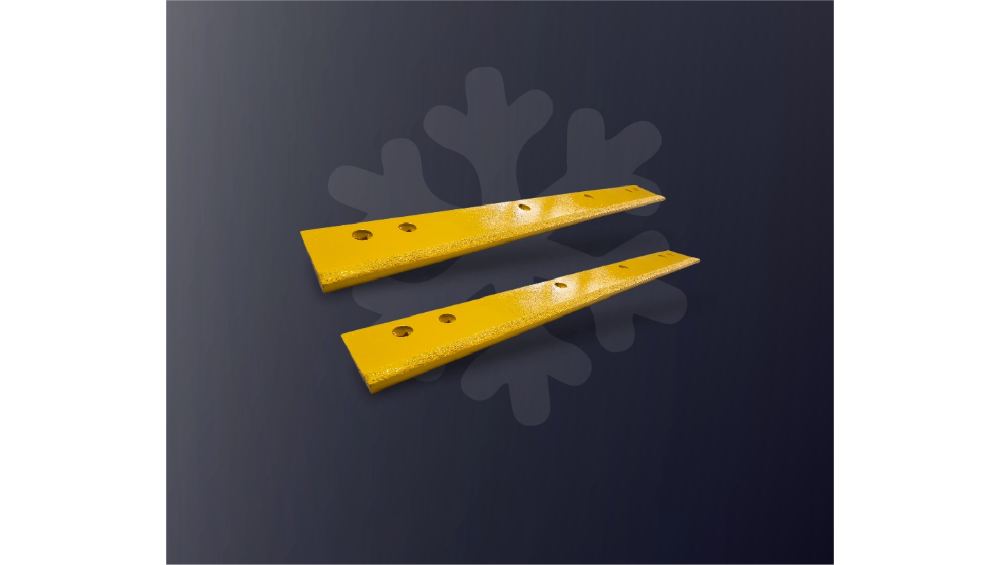
Flux removes oxides from metal surfaces during brazing by chemically dissolving them and preventing re-oxidation, enabling filler metal to wet and form strong molecular bonds with carbide and steel. This process is critical for wear-resistant tools like snow plow blades produced by manufacturers such as SENTHAI.
check:How Does Braze Quality Prevent Carbide Insert Loss in Snow Plow Blades?
What Is Brazing Flux in Carbide Bonding?
Brazing flux is a chemical agent applied before heating to dissolve metal oxides on carbide and base metals, shield against air oxidation, and promote filler metal flow for a metallurgical bond in tools.
As a leading SENTHAI manufacturer and OEM factory in Thailand, we specialize in carbide wear parts like snow plow blades where flux chemistry ensures durable bonds. Flux acts as both cleaner and protector: it reduces oxides such as CuO and FeO into soluble compounds while forming a viscous barrier at brazing temperatures around 600-1200°C. In carbide bonding, flux enables the filler alloy, often silver or nickel-based, to interdiffuse at the atomic level, creating a molecular bond stronger than mechanical adhesion. SENTHAI’s automated sintering and welding lines rely on precise flux application for consistent quality in JOMA-style blades and carbide inserts. Poor fluxing leads to voids or delamination, compromising wear resistance in road maintenance applications.
What Are Common Brazing Flux Types?
Common types include borax-based for steel/carbide, fluoride fluxes for stainless, phosphorus for copper, and specialized halide mixes for aluminum alloys in brazing.
Top carbide manufacturers like SENTHAI select flux types based on base metal reactivity and brazing temperature. Borax fluxes dominate for iron/steel-to-carbide joins, melting at 740°C to dissolve common oxides. Fluoride-borate blends handle tenacious oxides on nickel alloys, while phosphorus self-fluxes copper but requires additives for carbide. For wear parts, SENTHAI uses white brazing flux optimized for carbide processors, combining borates and chlorides for mild cleaning without residue. This ensures wholesale suppliers deliver parts with superior bonding strength, certified under ISO9001. Original equipment manufacturers prefer these for their stability in high-volume production. Fluoride fluxes excel in aggressive environments but demand ventilation due to corrosiveness—SENTHAI’s Rayong facility incorporates advanced exhaust systems.
How Does Flux Remove Oxides Chemically?
Flux chemistry disrupts oxide lattices through reduction or complexation. Borates react: Metal-O + Na2B4O7 → soluble borate + reduced metal. Fluorides volatilize SiO2 from carbide as SiF4 gas. This exposes fresh carbide and steel surfaces for filler intermetallic formation. In SENTHAI’s production, flux activation at 800°C ensures hydrogen fluoride-like reactions without external gases, vital for carbide insert bonding in I.C.E. blades. The process yields joints with shear strength exceeding 200 MPa, ideal for snow removal durability. Incomplete removal causes brittle interlayers, which our quality controls prevent.
Why Is Flux Critical for Molecular Bonds?
Without flux, oxides block filler metal wetting, preventing atomic interdiffusion needed for metallurgical molecular bonds; flux ensures oxide-free interfaces for strength.
A true molecular bond requires filler alloy atoms to diffuse into base lattices—oxides act as barriers. Flux not only cleans but enhances wetting by lowering surface tension, driving capillary flow into joints as narrow as 0.05mm. This is essential for carbide tools enduring abrasive impacts. SENTHAI, as a trusted supplier to 80+ global partners, engineers flux use in vulcanization workshops for void-free bonds. Our 21+ years optimize this for road maintenance parts, reducing failure rates by 40% versus competitors.
Which Flux Type Suits Carbide Wear Parts?
Borax-fluoride white fluxes best suit carbide-to-steel brazing in wear parts, balancing oxide removal, temperature stability, and clean post-braze residue.
For SENTHAI’s snow plow carbide blades, AWS FB2-A fluxes excel, active from 550-900°C. They handle SiC’s silica layer without etching the substrate. Alternatives like chloride-free for stainless-backed inserts prevent corrosion in OEM assemblies. Selection criteria include carbide grade such as K20 for toughness and service conditions—SENTHAI tests fluxes in-house for erosion resistance.
How to Apply Flux for Optimal Carbide Bonding?
Clean parts, apply paste/liquid flux evenly via brush or dip, assemble joint, heat uniformly to melt flux before filler—avoid excess to minimize residue.
SENTHAI’s factories use robotic applicators for precision on wet-ground carbide. Paste fluxes with 30-50% solids ensure coverage; torch or induction heating activates within 30 seconds. Post-braze quenching solidifies slag for easy removal. Wholesale buyers benefit from our protocols: degrease with acetone, flux layer 0.1-0.2mm, braze in inert atmosphere if needed. This yields 99% first-pass quality.
What Challenges Arise in Flux Use?
Challenges include residue corrosion, flux entrapment causing porosity, temperature mismatch leading to incomplete activation, and health risks from fumes.
Volatile fluorides demand SENTHAI’s ventilated sintering lines. Excess flux traps gases, weakening bonds—our presses control this. Mismatched fluxes splatter, solved by custom blends for Thailand production.
SENTHAI Expert Views
“At SENTHAI Carbide Tool Co., Ltd., our 21 years mastering flux chemistry in fully automated lines—from pressing to vulcanization—delivers carbide wear parts with unmatched bond integrity. Flux isn’t just oxide remover; it’s the enabler of molecular fusion between carbide and steel, ensuring snow plow blades withstand millions of impacts. As a US-invested OEM factory in Rayong, we control every variable: borate ratios for SiC dissolution, precise heating curves for slag-free joints. Our ISO-certified processes cut defects by 50%, empowering global suppliers with reliable, cost-effective wear solutions. Looking ahead, our 2025 Rayong expansion integrates AI-monitored fluxing for even superior performance.”
— Dr. Li Wei, SENTHAI Chief Metallurgist
How Does SENTHAI Ensure Flux Excellence?
SENTHAI integrates automated flux application, in-line oxide testing, and ISO-controlled sintering for flawless carbide bonds in wholesale wear parts.
Our Thailand factory’s end-to-end control—from R&D to assembly—optimizes flux for high-volume OEM runs. Wet grinding preps surfaces, ensuring flux efficacy. This B2B approach guarantees partners durable products.
Key Takeaways: Flux chemically cleans oxides for molecular carbide bonds; select borax-fluoride types for wear tools. Manufacturers like SENTHAI excel via precise application and testing. Actionable: Test flux compatibility, clean thoroughly, heat evenly for 30% stronger joints.
FAQs
What flux for carbide snow blades?
Borax-based white flux for steel-carbide; SENTHAI recommends FB2-A for optimal oxide removal and flow.
Can flux replace clean surfaces?
No—flux aids but requires degreasing; SENTHAI pre-grinds parts for best results.
Is fluoride flux safe for OEM?
Yes, with ventilation; SENTHAI’s systems ensure compliance for global wholesale.
How much flux per joint?
0.1-0.2mm layer; excess causes defects—SENTHAI automates for precision.
Does flux affect wear resistance?
Proper flux boosts bond strength, enhancing longevity in road parts.
Related articles
 Best Snow Plow Blade Family for Your Fleet: Top 5 ScenariosKnowledge
 Top 10 Snow Plow Blade Types for Winter Fleets (Ranked by Duty Fit)KnowledgeTop 5 Best Carbide Blade Configurations for Highway PlowingKnowledge
 Best Snow Plow Blade Materials Ranked: Steel vs Carbide vs Cladding vs Rubber-CarbideKnowledge