




Winter 2026–2027 Snowfall Forecast by Region: How Fleets Should Prepare
A strong El Niño is forecast to shape the 2026–2027 winter, and the regional story is more useful than the national headline. Forecasters lean toward above-normal snowfall across much of the Southwest and parts…
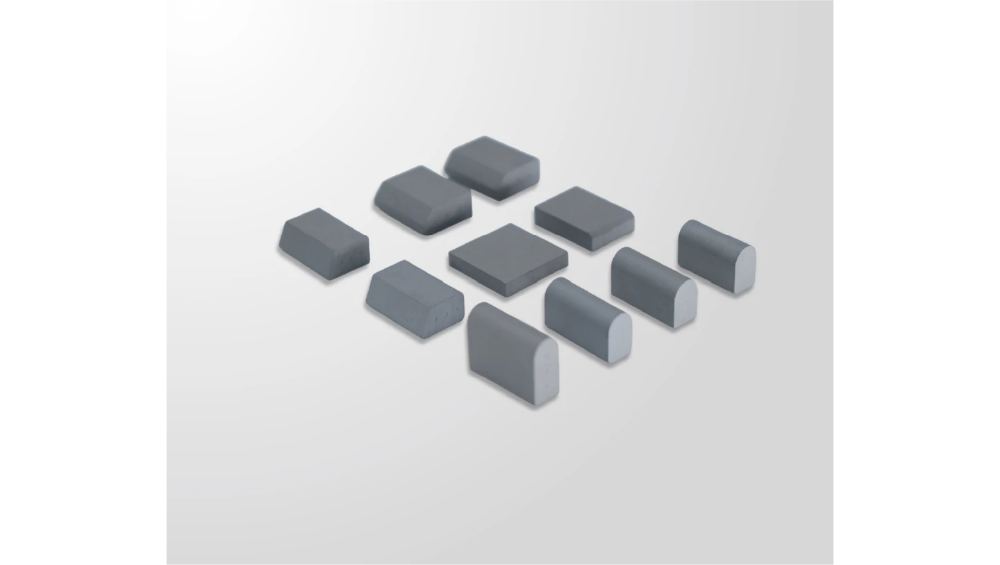
A strong El Niño is forecast to shape the 2026–2027 winter, and the regional story is more useful than the national headline. Forecasters lean toward above-normal snowfall across much of the Southwest and parts of the southern Rockies, an active storm track across the central and eastern U.S., and a below-normal lean in the Pacific Northwest and parts of the Upper Midwest. For snow removal fleets, “above normal” and “below normal” change different parts of your plan — how many events you run, how wet the snow is, and how fast cutting edges wear.
This regional guide summarizes the outlook as of late August 2026 and translates each region’s signal into a fleet prep action.
How to Read Winter Forecasts
Forecasters use probability language: “above-normal snowfall favored” means the odds lean that way, not that a specific snowfall total is guaranteed. When you see a regional lean, treat it as a planning input: above-normal leans argue for more edge stock and a faster changeout cadence; below-normal leans argue for a lighter season with a few sharp events. NOAA’s CPC is the official source, and independent forecasters such as OpenSnow publish winter outlooks for snow-dependent industries.
Regional Outlook & Fleet Prep at a Glance
| Region | 2026–27 Lean (as of Aug 2026) | Fleet Action |
|---|---|---|
| California / Southwest | Above-normal snowfall favored (CA, AZ, NM, UT) | Stock edges for a long mountain season; expect wet snow events on passes |
| Southern Rockies / Colorado | Above-normal in south and east | Frequent plowing on abrasive roads; carbide edges earn their cost |
| Central Plains / Midwest | Active storm track; heavy-snow potential | Big-event plowing; keep spare edges and hardware on hand |
| Northeast | Active rain–snow boundary; wet snow and ice possible | Freeze–thaw cycles; match edges to wet snow and ice contact |
| Southeast | Elevated winter-storm potential where cold air meets moisture | Infrequent but severe events; have edges ready even if season is short |
| Pacific Northwest | Below-normal lean | Lighter season; keep edges ready for cold snaps |
| Upper Midwest / Northern Plains | Below-normal lean in parts | Sharp cold events; maintain winter-readiness at lower frequency |
Northeast: The Tricky Mix
The Northeast is expected to sit near an unusually active rain–snow boundary. Forecasters and the Farmers’ Almanac both flag the possibility of rain, ice, sleet, and wet snow, with inland areas potentially exposed to heavy, wet snow in January and February. Wet snow is heavy: it loads moldboards, stresses mounts, and increases abrasion on cutting edges as they scrape against slush, ice, and grit. Fleets in this zone should prioritize carbide-tipped edges and verify skid-shoe and wear-bar condition before the season.
Southwest & Southern Rockies: The Likely Heavy-Snow Zone
The clearest signal in the 2026–27 outlook is the Southwest: above-normal snowfall is favored across California, Utah, Arizona, New Mexico, and parts of Colorado. Mountain passes and highway routes in this zone see long seasons and abrasive surfaces — road grit, sand, and ice-packed pavement that wears steel edges quickly. This is the region where the cost-per-hour case for carbide snow plow blades is strongest, and where fleets should order replacement stock earliest.
Central & Eastern U.S.: Active Storm Track
With El Niño strengthening, forecasters highlight elevated potential for major winter storms, ice events, and heavy snowfall across parts of the central and eastern United States. Big single events stress a different part of the plan than a steady season: you need enough edge stock and changeout capacity to recover between storms, and hardware kits ready for rapid swaps. Planning for back-to-back events is the difference between a busy week and a crisis week.
Impact on Edge Wear and Changeout Frequency
Two factors drive edge wear in any winter: events and surface. A heavy-snow year in the Southwest means more events on abrasive mountain roads. A tricky Northeast winter means wet snow, ice, and freeze–thaw cycles that stress edge bonding. In both cases, the practical response is the same:
- Measure before the season. Know your starting edge height on every plow.
- Stock for the forecast. Above-normal lean regions should carry one spare edge per plow through the core season.
- Match material to route. Carbide-tipped for abrasive and ice-contact routes; rubber-flex options like JOMA-style blades for sensitive pavement.
- Schedule changeouts. Replace by miles and events, not by visible wear.
Regional Fleet Prep Checklist
- Confirm your region’s lean. Use the table above, then check the latest CPC outlook for your state.
- Audit blades and edges now. Measure edge height, check carbide tips, and verify bolt patterns.
- Order before October. Lead times stretch after the first storms; hot sizes sell out first.
- Prepare changeout kits. Edges, bolts, skid shoes, and wear bars together, per plow model.
- Plan for back-to-back events. In active-track regions, schedule recovery capacity between storms.
Frequently Asked Questions
Which regions are forecast to get the most snow in 2026–2027?
As of late August 2026, above-normal snowfall is favored across much of the Southwest (California, Utah, Arizona, New Mexico, parts of Colorado), with an active storm track across parts of the central and eastern U.S. and a tricky rain–ice–snow mix in the Northeast.
Is this forecast driven by El Niño?
Yes. NOAA’s CPC forecasts a strong El Niño with roughly 96–97 percent probability through the December–February winter core, which typically shifts the storm track south and favors the Southwest and southern-tier snow while leaning thinner in parts of the Pacific Northwest and Upper Midwest.
Does below-normal snowfall mean I can skip prep?
No. Below-normal leans still include sharp cold snaps and major single events. Keep edges and hardware ready; just plan lower changeout frequency.
How should I choose edge material by region?
Regions with long seasons on abrasive or ice-packed surfaces favor carbide-tipped edges. Sensitive pavement favors rubber-flex options. Review carbide snow plow blades and replaceable carbide inserts for the product options.
When is the best time to order edges?
August–October. Order before the first storms to avoid stretched lead times and sold-out sizes.
How do I confirm an edge fits my plow?
Send your plow make, model, and current edge measurements (length, width, bolt pattern, moldboard curvature) for fitment confirmation before ordering.
Prepare Your Region Before the First Storm
Whatever your region’s lean, edges decide your cost per storm. Audit your fleet, compare carbide snow plow blades and replaceable carbide inserts, and contact the SENTHAI team with your region and fleet size for a tailored edge recommendation and pre-season quote.
Related articles
 How to Source Snow Plow Blades: OEM, Distributor, or Direct2026News
 Top 10 Agricultural Equipment Manufacturers in 2026: Tractors, Harvesters & Precision Farming2026News
 Carbide Cutting Edge Industry Report 2026: Materials, Manufacturing & Supply Chain2026News
 Snow Removal Contracting Industry Report 2026: Margins, Equipment & the El Niño Winter2026News