




Farmers’ Almanac 2026–2027 Winter Forecast: Snow Predictions & Plow Blade Prep
The Farmers' Almanac released its 2026–2027 winter forecast in August 2026, and the theme is “Snow, Sleet and Surprises.” The century-old publication expects roughly 150 million residents across 29 northern U.S. states to see…
The Farmers’ Almanac released its 2026–2027 winter forecast in August 2026, and the theme is “Snow, Sleet and Surprises.” The century-old publication expects roughly 150 million residents across 29 northern U.S. states to see snow and freezing temperatures between December and March, with quick bursts of snow and bitter cold across northern regions and a particularly messy mix of rain, sleet, and wet snow in the Northeast.
For snow removal fleets, an almanac forecast is worth exactly one thing: a calendar. Whether or not the specific predictions verify, the message is that fleets should assume an active, variable winter — and that assumption should change how you inspect, stock, and schedule cutting edges before the first storm.
What the Farmers’ Almanac Predicts for 2026–2027
Three points from the 2026–2027 edition matter most to winter maintenance fleets:
- Broad snow and cold coverage. The almanac expects snow and freezing temperatures for about 150 million people across 29 northern states from December through March.
- Quick bursts and bitter cold in the North. Northern states are expected to see short, sharp snow events and cold snaps — the kind of pattern that punishes unprepared fleets with back-to-back callouts.
- A tricky Northeast mix. The Northeast outlook is complicated by rain, ice, and wet snow, with inland areas potentially exposed to heavy, wet snow, especially in January and February. Heavy wet snow is exactly what stresses cutting edges and skid shoes.
You can read the official publication at Farmers’ Almanac.
Almanac vs. NOAA: How to Read Both Forecasts
The Farmers’ Almanac and NOAA’s Climate Prediction Center answer different questions. The almanac publishes a dramatic, simplified national narrative — useful for public interest and for flagging the possibility of a rough season. NOAA publishes probabilistic seasonal outlooks based on ENSO and long-range models — useful for actual fleet planning.
In 2026–27, the two sources actually point in a similar direction: NOAA’s CPC forecasts a strong El Niño persisting through winter (roughly 96–97 percent probability through December–February), which supports the idea of an active storm track with heavy snow potential in parts of the central and eastern U.S., while some northern and northwestern areas lean below normal. The almanac’s “Snow, Sleet and Surprises” framing is consistent with a variable, storm-active winter — even if the two publications reach their conclusions differently.
Regional Snow Zones and What They Mean for Blade Wear
| Zone | Almanac Signal | Blade-Wear Implication |
|---|---|---|
| Northern states (29-state snow band) | Quick bursts of snow, bitter cold | Frequent small events; edges see repeated pavement contact |
| Northeast (inland) | Heavy wet snow, Jan–Feb focus | Wet snow loads stress edges; ice mixes increase abrasion |
| Northeast (coastal) | Rain–snow–sleet mix | Freeze–thaw cycles and slush; changeout cadence matters |
| Central / interior | Variable storm bursts | Keep spare edges and hardware stocked |
Pre-Season Blade Inspection Checklist
- Measure edge height. Compare remaining steel or carbide height against the replacement spec; do it before the first storm, not during.
- Check tip bonding. Loose or chipped carbide tips fail under ice-contact impact. If tips move, replace the edge.
- Verify bolt patterns and hardware. Confirm bolts, skid shoes, and wear bars are matched to your plow model.
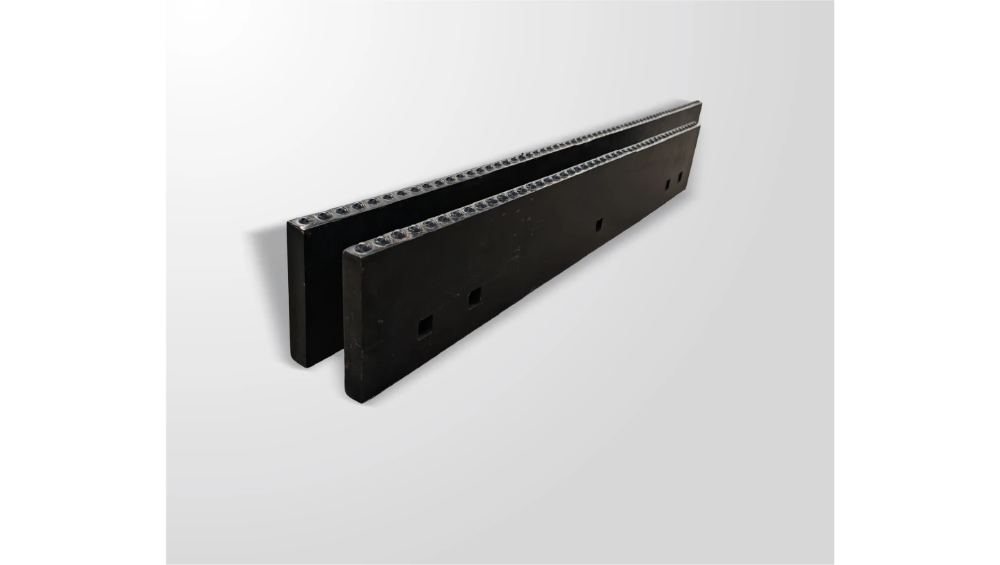
- Decide material per route. Heavy wet snow and ice favor carbide-tipped edges; sensitive pavement favors rubber-flex options like JOMA-style blades.
- Set a changeout cadence. Plan replacements by miles and events, not by visible wear alone.
Stocking Edges Before Demand Peaks
The most expensive part of a winter forecast is the one you ignore: timing. Edge demand spikes with the first named storm, lead times stretch, and hot sizes sell out. The practical rule: audit in August–September, order before October, and hold one spare edge per plow through the core season. For a season the almanac itself calls “surprising,” that spare is insurance, not inventory.
Compare options across carbide snow plow blades, replaceable carbide inserts, and packed ice carbide kits for extreme service.
Frequently Asked Questions
What is the Farmers’ Almanac predicting for winter 2026–2027?
The 2026–2027 edition forecasts “Snow, Sleet and Surprises,” with snow and freezing temperatures expected for roughly 150 million people across 29 northern states, quick snow bursts and cold in the North, and a messy rain–ice–snow mix in the Northeast.
How accurate is the Farmers’ Almanac?
Long-range outlooks are probabilistic, not deterministic. The almanac is useful for flagging the possibility of an active winter; NOAA’s CPC outlook is the better planning tool for fleet decisions.
Does a snowier forecast mean faster blade wear?
Yes, on average. More events and more wet snow and ice mean more pavement contact and abrasion, which shortens edge life and increases changeout frequency.
When should I order replacement edges for this winter?
August–October. Lead times stretch after the first storms and popular sizes sell out; keep one spare edge per plow through the season.
Should I switch to carbide edges this season?
If your routes see heavy wet snow, ice, or abrasive surfaces, carbide-tipped edges usually pay for themselves through longer life and fewer changeouts. Verify braze quality and fitment before standardizing.
How do I know which edge fits my plow?
Send your plow make, model, and current edge measurements (length, width, bolt pattern) to a reputable supplier for fitment confirmation before ordering.
Prep Your Fleet Before the First Storm
Forecasts give you a calendar; edges decide your cost per storm. Inspect your fleet now, compare carbide snow plow blades and replaceable carbide inserts, and contact the SENTHAI team for a pre-season edge quote with fitment confirmation.
Related articles
 How to Source Snow Plow Blades: OEM, Distributor, or Direct2026News
 Top 10 Agricultural Equipment Manufacturers in 2026: Tractors, Harvesters & Precision Farming2026NewsCarbide Cutting Edge Industry Report 2026: Materials, Manufacturing & Supply Chain2026News
 Snow Removal Contracting Industry Report 2026: Margins, Equipment & the El Niño Winter2026News